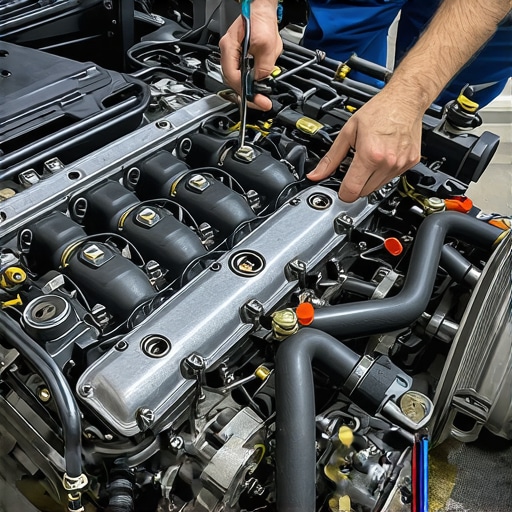
Ever been stuck in traffic, listening to your engine sputter and stumble like it’s protesting just to keep moving? I remember the first time my truck gave me a rough idle, and honestly, I felt a surge of frustration. All that money spent on car repairs, and one little hiccup can throw everything off. It’s like your vehicle is throwing a mini tantrum, and you’re left scratching your head, wondering what went wrong.
Why Addressing Rough Idle Now Could Save You Big Bucks
As vehicles advance into 2026, engines are more complex than ever. A rough idle isn’t just an annoyance—it’s a warning sign of underlying issues that, if ignored, can lead to more costly repairs down the line. I’ve learned firsthand that catching these problems early keeps your engine happy and your wallet healthier. Plus, a smooth-running engine means you’re safer on the road, with better fuel economy and fewer breakdown surprises. Interestingly, according to recent reports, ignoring engine performance issues can decrease your vehicle’s efficiency by up to 15%, costing you hundreds over the lifespan of the car. That’s enough motivation for me to get proactive.
Is a Rough Idle Really Worth Fixing—Or Just an Annoyance?
Initially, I thought my engine’s rough idle was just a minor glitch, maybe a dirty plug or an air filter that needed changing. Turns out, I made the mistake of delaying attention—a common and costly error. I didn’t realize how such small symptoms could snowball into serious damage, leading to expensive repairs like transmission overhauls or cylinder head work. To avoid running into the same pitfalls, I urge you to pay attention to your engine’s whispers, and if you’ve faced a rough idle, you’re not alone. Addressing it sooner rather than later can save you from the chaos of bigger failures.
From my experience and the advice of auto experts, there are quick and effective fixes you can try during your next engine tune-up. Ready to dive into solutions that can make your engine purr smoothly again? Let’s get started with some practical, no-nonsense steps you can implement today.
Start with a Basic Inspection
Think of your engine like a chef’s kitchen — if one ingredient is off, the whole dish suffers. Begin by checking simple issues like the air filter and spark plugs. A clogged air filter can cause your engine to stumble, like trying to breathe through a blocked straw. To do this, locate the air filter housing, open it, and inspect for dirt and debris. If it’s dirty, replace it following the instructions in your vehicle’s manual or see a professional for help. Replacing spark plugs is similar to changing batteries in a toy; worn-out plugs can miss igniting the fuel mix, causing rough idling and poor performance. Remove the old plugs carefully, inspect for wear, and install new ones. For a quick guide, check out auto repair diagnostics tips.
Utilize Diagnostic Tools Effectively
Imagine diagnostics like a stethoscope for your car; it helps you pinpoint the exact issue. Use an OBD-II scanner, which you can buy or borrow, to read error codes stored in the vehicle’s computer. Plug it into the port usually located under the dashboard, turn on the ignition, and follow the device prompts. Codes such as P0300 indicate misfires, while P0171 hints at fuel mixture problems. Once you have these codes, cross-reference them with repair guides or online resources to identify the culprit. This step saved me from replacing parts unnecessarily when my check engine light blinked unexpectedly. For comprehensive diagnostic strategies, visit auto repair diagnostics tips.
Adjust Fuel and Air Supply
Your engine needs a precise mix of fuel and air. If the ratio deviates, it can cause rough running. Start by inspecting the fuel injectors for clogging or leaks. Use a fuel system cleaner if you suspect buildup, following the product instructions. Next, check the idle air control valve or throttle body for dirt or carbon deposits. Cleaning these components with a carburetor or Throttle Body Cleaner can often restore smooth idle. When I cleaned my throttle body, I noticed a significant improvement in engine smoothness; it was like clearing a clogged artery. Be cautious with cleaning sprays—always follow safety instructions. To ensure you’re on the right path, review auto repair diagnostics resources for detailed procedures.
Examine the Transmission and Drivetrain
A sudden rough idle can sometimes be linked to transmission issues, especially in automatics where slipping or delayed engagement affects engine behavior. Consider checking transmission fluid levels and quality; low or burnt fluid can cause slippage, akin to a slipping clutch. If the fluid is dark and smells burnt, a full transmission fluid change might be necessary. Some transmissions have electronic sensors that notify the car’s computer of malfunction; these can be diagnosed with an OBD-II scanner. For more on transmission maintenance, explore transmission repair tips. Remember, transmission issues can mimic engine problems, so consider professional diagnostics if simple fixes don’t work.
Practice Regular Maintenance and Tune-Ups
Just like regular dental visits keep your smile bright, periodic tune-ups keep your engine humming smoothly. Scheduling a tune-up involves changing spark plugs, inspecting belts, hoses, and fluids, and ensuring sensors are calibrated. This proactive approach prevents small issues from escalating into costly repairs. When I took my car for a scheduled tune-up, the technician also updated the engine’s software, which improved overall responsiveness. For best results, follow the maintenance strategies outlined in car service tune-ups guides and keep a maintenance log to track upcoming service needs.
Many car owners operate under misconceptions about auto repair, often oversimplifying processes or falling for common myths. One pervasive mistake is assuming that all repairs are interchangeable or that DIY fixes always suffice. In reality, automotive systems are intricate, interconnected, and require precise diagnostics. For instance, many believe that replacing spark plugs or changing transmission fluid is a straightforward task, but without proper diagnostic tools or knowledge, this can lead to unnecessary costs or even aggravate existing issues. According to expert technicians, understanding the specific nuances of each component and the correct procedures ensures effective repairs and prevents recurring problems.
A prevalent misconception involves the role of transmission fluid. Some think that simply topping it off is enough, but the reality is that old or burnt fluid can cause severe damage, especially in automatics where precision is key. Regular maintenance, including comprehensive transmission system checks, is crucial. More about this can be found in transmission tune-up strategies. Similarly, many overlook the importance of detailed diagnostics, relying on error codes alone—yet, an expert approach involves interpreting these codes within the broader context of vehicle behavior, often uncovering underlying issues that straightforward repairs might miss.
Why Are Some Repairs More Effective Than Others?
In my experience, employing advanced diagnostic techniques and trusting specialists can dramatically improve outcomes. For example, pursuing a comprehensive engine tune-up, which involves both software updates and hardware checks, yields better long-term performance than isolated part replacements. This holistic approach is why regular auto repair diagnostics are essential for peak vehicle health. Moreover, the tendency to neglect routine maintenance, like timely fluid changes or sensor calibrations, can cause minor issues to escalate, ultimately costing more. Being aware of these nuances helps you avoid costly mistakes, such as ignoring symptoms or delaying professional evaluations.
Understanding the detailed mechanics and applying expert strategies fosters smarter decision-making. This avoids the trap of quick fixes that only mask problems temporarily, instead focusing on durable solutions. It’s worth remembering that effective auto repair combines right knowledge, proper tools, and experienced technicians. If you want to learn more about avoiding these pitfalls, explore detailed guides on auto repair diagnostics.
Have you ever fallen into this trap? Let me know in the comments.
How do I keep my vehicle running smoothly over time?
Maintaining your car’s health isn’t just about quick fixes—it’s a strategic process that requires the right tools, consistent routines, and a proactive mindset. Personally, I’ve found that investing in quality diagnostic equipment and establishing a maintenance schedule can dramatically extend the life of your vehicle and save you money in the long run.
One tool I rely on heavily is an advanced OBD-II scanner. Unlike basic models, my preferred scanner provides real-time data, detailed error code descriptions, and the ability to clear faults efficiently. I use it not only during annual tune-ups but also whenever I notice irregular engine behavior. This proactive approach catches small issues early, preventing them from escalating into costly repairs. According to auto repair diagnostics tips, high-quality scanners are becoming essential for DIY enthusiasts and professionals alike.
Why do I recommend specific maintenance tools for transmission care?
Your transmission is the heartbeat of your vehicle, and keeping it in top shape requires more than just checking fluid levels randomly. I advocate for using a professional-grade transmission fluid extractor and a digital quality thermometer. The extractor makes it easy to drain and replace fluid thoroughly, ensuring no residual contaminants. Meanwhile, the thermometer helps verify that the fluid is within the optimal temperature range during operation, preventing overheating and wear.
Regular transmission maintenance is vital. As highlighted in transmission repair tips, neglecting this can lead to slipping or delayed engagement, especially as vehicles age. Incorporating these tools into your routine allows for precise, effective care, ultimately enhancing vehicle longevity and performance.
What about long-term results from routine care? Expect increased safety and savings.
Consistently applying these maintenance strategies yields tangible benefits. Not only does your car perform more reliably, but you also reduce the risk of unexpected breakdowns. Over time, this structured approach results in lower repair bills and a safer driving experience—a win-win for any car owner.
Looking ahead, where is auto maintenance headed?
Advancements in technology, such as AI-powered diagnostics and IoT-connected sensors, are making proactive vehicle care more accessible and effective. As these tools become mainstream, staying ahead with current tech will be crucial. I recommend experimenting with software upgrades and diagnostic apps that integrate with your existing tools to optimize maintenance routines.
Take the next step today by trying out a comprehensive diagnostic check with a high-quality scanner. It’s an investment that encourages ongoing care, helps identify issues early, and keeps your vehicle in top shape for miles to come. Remember, regular maintenance is the backbone of reliable, long-lasting auto performance—don’t overlook it!
Curious about more advanced techniques? Explore auto repair diagnostics tips for a deeper understanding and practical strategies to keep your vehicle running smoothly.
The Hardest Lesson I Learned About auto repair,collisionfixer,tune up,transmission,car service
One of the biggest surprises in my auto repair journey was realizing that ignoring seemingly minor issues like a rough idle can lead to significant, costly problems. I used to dismiss a slight stumble as just a small hiccup, but I soon discovered it was a symptom of deeper trouble—an overlooked warning sign that could escalate if not addressed. This taught me to pay closer attention and value preventative maintenance over expensive repairs later on.
The Unexpected Cost of Delaying Fixes
I once postponed fixing my engine’s rough idle, thinking it wasn’t urgent. Within months, I faced a complete transmission overhaul that could’ve been avoided with early diagnosis. The lesson was clear: small problems are often precursors to larger failures. Regular checks with reliable diagnostic tools are vital; I now see diagnostics as the first line of defense—saving time and money, especially when combined with proactive care like proper oil changes and sensor calibrations.
Why Skipping Routine Tune-Ups is a Costly Mistake
Skipping regular tune-ups seemed like a time-saver until my engine’s performance declined sharply. Now, I understand that routine tune-ups—changing spark plugs, cleaning throttle bodies, updating software—are investments that keep my vehicle running efficiently. They help identify issues early, ensuring my car maintains peak performance and safety. For anyone serious about their car’s health, incorporating scheduled tune-ups alongside diagnostic checks is essential for longevity and cost-effectiveness.
The Value of Honest Auto Repair Guides
Over the years, I’ve trusted in-depth guides and expert resources to navigate auto repairs smarter. Comprehensive sources, like the detailed tips on auto repair diagnostics, have transformed how I approach maintenance—empowering me to troubleshoot, understand error codes, and perform effective DIY repairs. Knowing where to find transparent, expert advice is priceless when trying to keep costs down and quality high.
Trust Your Instincts — Auto Maintenance Is Personal
My most important insight is that your vehicle tells you more than you think. The subtle shudders, unusual smells, or minor roughness are signals from your car that deserve attention. Developing a routine that includes listening to these cues and acting promptly with diagnostics or professional help helps prevent major failures. It’s about forming a partnership with your vehicle—you become attuned, which ultimately leads to safer driving, better fuel economy, and fewer surprises on the road.
Curated Recommendations
To support your auto repair journey, I recommend some trusted tools and resources that have made my maintenance routine more effective. First, investing in a quality OBD-II scanner, like the ones I use, provides real-time insights into your vehicle’s health and saves money by avoiding unnecessary trips to the shop. For comprehensive guidance, auto repair diagnostics remains my go-to resource for understanding error codes and troubleshooting effectively.
Second, consider getting a good fuel system cleaner and throttle body brush—simple tools that can significantly improve idle smoothness and engine response. Lastly, subscribe to trusted auto maintenance blogs or forums—staying current on tips from experts and fellow car enthusiasts keeps you proactive and informed. Personal experience has proven that these tools and knowledge sources are invaluable allies in maintaining a healthy, thriving vehicle.
Rise to the Challenge and Secure Your Vehicle’s Future
Your vehicle isn’t just transportation—it’s a trusted companion that requires your care and attention to reach its full potential. With the right diagnostics, routine tune-ups, and a keen ear for subtle signs, you can keep your car running smoothly for miles to come. Investing a little time now will pay dividends in safety, savings, and peace of mind. Remember, your commitment to proactive auto care is the best insurance against unexpected breakdowns and costly repairs in the future.
Have you ever ignored a small symptom that turned into a big problem? Share your experiences below and let’s learn from each other’s journeys to better auto maintenance.
,
![5 Diagnostic Fixes for 2026 Engine Power Loss [Tested]](https://collisionfixer.com/wp-content/uploads/2026/04/5-Diagnostic-Fixes-for-2026-Engine-Power-Loss-Tested.jpeg)

![3 Quick Fixes for 2026 Engine Surging at Red Lights [Proven]](https://collisionfixer.com/wp-content/uploads/2026/04/3-Quick-Fixes-for-2026-Engine-Surging-at-Red-Lights-Proven-1.jpeg)