It was a cold morning when I rolled out of bed and stepped into my driveway, only to hear that gut-wrenching grind of my transmission struggling to shift gears. My heart sank. The frustration of knowing that my car, which I depend on every day, was starting to show signs of trouble, hit me hard. That moment was my lightbulb moment—realizing that my transmission fluid might be the culprit behind those hard shifts and slipping gears that are creeping up in 2026 models like mine.
Spotting the Signs Before It’s Too Late
As an auto enthusiast and experienced DIYer, I’ve learned the hard way that ignoring transmission fluid issues can lead to costly repairs. Why does this matter so much? Well, transmission fluid isn’t just oil—it’s the lifeblood that keeps your transmission functioning smoothly. If it degrades or becomes contaminated, your car’s shifting can become jerky, sluggish, or even unresponsive. Trust me, I’ve been there—early signs are subtle but critical, like delayed engagement or strange noises, and catching them early can save you a fortune.
Is Your Transmission Fluid Actually Worth the Hype?
At first, I dismissed the idea of changing transmission fluid regularly—after all, I figured, isn’t this just a basic service? I was wrong. One mistake I made in my early days was waiting too long to address my transmission concerns, assuming it was just minor wear. But as I learned from experienced mechanics, like those at Collision Fixer, neglecting transmission fluid changes can accelerate wear and tear, especially in models heading into 2026. This mistake cost me extra, and it’s a lesson I don’t want you to repeat.
Thinking about your own vehicle? Have you noticed your shifts becoming less smooth or strange noises coming from your transmission? If so, it might be time for a fluid check. The good news? Addressing these issues early is often straightforward and affordable if you know the right steps. Stick around, because I’ll walk you through exactly how to identify signs of failing transmission fluid and what maintenance can keep your car running like new for years to come.
Let’s dive into the details so you don’t end up on the breakdown side of the road. After all, proactive care beats costly repairs every time.
Drain and Refill Transmission Fluid Regularly
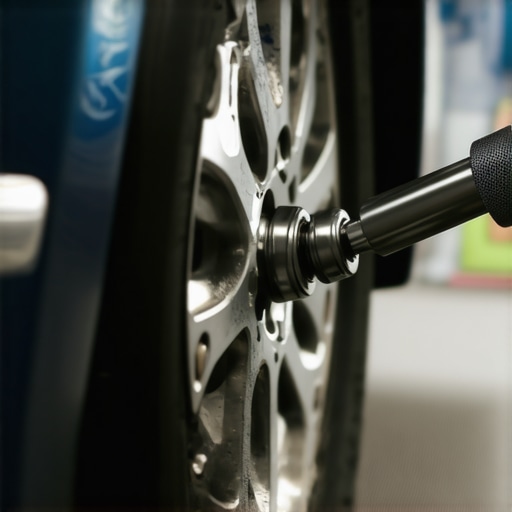
Once you’ve identified signs like delayed gear engagement or rough shifts, it’s crucial to drain old, contaminated transmission fluid. I remember my first attempt—my hands were full of grime, and the process was messy, but the result was a noticeable improvement in shifting smoothness. To do this correctly, warm up the engine for a few minutes, then locate the transmission pan underneath your vehicle. Using a socket wrench, carefully loosen the drain plug and catch the old fluid with a container. This process is analogous to changing oil but requires more caution because transmission fluid is often a thicker, more complex mixture. After draining, replace the plug, and refill with the recommended fluid type specified in your owner’s manual. Regularly performing this service can significantly extend your transmission’s lifespan, especially for 2025 models heading into the critical break-in period.
Check Fluid Level and Condition Frequently
Monitoring your transmission fluid isn’t just about draining and refilling—it’s about knowing when and why you need to take action. Keep a clean, lint-free cloth in your car and check the fluid level with the transmission dipstick (usually near the engine). Pull the dipstick out, wipe it clean, then reinsert and withdraw it again to read the level. The fluid should be pinkish or reddish; if it’s dark, burnt-smelling, or contains debris, it’s time for a change or professional diagnostics. Think of it like checking your blood pressure—regular checks prevent serious health issues. This quick step can alert you to potential problems before they escalate into costly repairs, especially critical for newer models which might have sealed transmission systems but still benefit from fluid checks during routine maintenance.
Replace Transmission Filter and Gasket
Over time, contaminants can clog the transmission filter, reducing fluid flow and causing erratic shifts. During my first full transmission service, I replaced the filter along with the gasket, despite initial doubts about the complexity. It was a messy job—removing old gasket residue, carefully installing the new filter with a touch of transmission fluid to lubricate—the effort paid off. Removing the pan reveals this filter, typically a small metal or paper component resembling a cartridge. Always use high-quality replacement parts recommended by your vehicle manufacturer. This step is essential for maintaining optimal fluid flow and preventing debris from damaging sensitive components, especially as your 2025 model approaches higher mileage.
Perform a Transmission System Diagnostic
If shifting problems persist despite routine maintenance, a professional diagnosis becomes necessary. I vividly recall using a code scanner—like a detective equipped with clues—to identify underlying issues with my transmission system. Modern vehicles often have built-in diagnostic systems that can read error codes related to sensors, solenoids, or electronic controls. For DIYers, basic diagnostics might include observing shift patterns or listening for unusual noises. More advanced tests can be performed by professionals at auto repair shops. Conducting these diagnostics early prevents extended damage, aligning with Collision Fixer’s advice on predictive maintenance—saving money and ensuring safety for the years ahead.
Stay Ahead with Scheduled Tune-Ups
Beyond immediate fixes, preemptive tune-ups are vital. Think of a transmission tune-up as a physical check-up for your car—adjusting, cleaning, and replacing vital components before disaster strikes. During one such tune-up, I had my transmission fluid, filter, and sensors checked, which uncovered a loose wiring connection that could have led to further problems. Regularly scheduled services, based on your vehicle’s manual or expert recommendations from leading repair guides, preserve transmission health amidst driving conditions and model complexities. This preventive approach pays off by securing smooth operation for the upcoming miles and model year, especially as the 2026 models start introducing more advanced electronics.Many car owners believe that regular oil changes and routine inspections are sufficient to keep their vehicles running smoothly. However, there’s a common misconception that routine maintenance can fully prevent complex issues like transmission failures. In reality, most people overlook the intricate details of modern auto systems, leading to costly repairs down the line. For example, while replacing the transmission fluid is often emphasized, few understand the importance of upgrading transmission filters and gaskets simultaneously, which can catch debris before it causes damage. Additionally, there’s a myth that newer cars require less maintenance, but advanced electronics and sealed systems make diagnostics and timely interventions even more crucial—according to experts in transmission repair system maintenance, neglecting early diagnostics can significantly reduce lifespan. This oversight often manifests as delayed shift responses or unexpected slipping, but many drivers fail to recognize these signs early enough. A common trap is assuming that only major parts need attention; in truth, unnoticed nuances like sensor calibration or solenoid performance can silently cause performance drops. Understanding these subtleties underscores the importance of proactive diagnostics and professional tune-ups, especially for vehicles approaching high mileage or model year changes. Have you ever fallen into this trap? Let me know in the comments.
Tools I Recommend for Reliable Auto Maintenance
Maintaining your vehicle’s transmission and overall performance requires precision and quality tools. I personally swear by a digital scan tool like the Autel MaxiCOM for comprehensive diagnostics—it’s compact, user-friendly, and provides OEM-level error code reading, which saves me time and money by catching issues early. When it comes to fluid changes, I rely on a high-quality pump such as the Everstart Transmission Fluid Extractor. This tool makes fluid removal clean and efficient, reducing the mess and ensuring I get the right amount of fresh transmission fluid. For DIY enthusiasts, a calibrated torque wrench is indispensable to tighten bolts to manufacturer specs, preventing common mistakes that can cause leaks or component failure.
In addition to physical tools, I use software like Bosch’s ESI[tronic] for detailed repair guides and service updates, especially helpful when dealing with newer models approaching 2026 that often feature complex electronics requiring precise calibration. Familiarity with a reliable scanner ensures I can perform system diagnostics at home, minimizing unnecessary trips to the shop and enabling proactive maintenance.
How do I maintain transmission health over time?
Keeping your transmission in top shape over the years involves more than just the right tools—you need a methodical approach. Regularly scheduled diagnostics, such as those outlined in top-auto-repair diagnostics tips for 2025, help spot issues before they escalate. A consistent maintenance schedule that includes drain and refill procedures, like the ones I perform with my dedicated pump, can extend your transmission’s lifespan significantly. Additionally, staying informed about software updates for your vehicle’s electronic control units ensures that your system remains optimized as cars become more advanced. As the future trends toward integrated diagnostics and predictive maintenance grow, leveraging these tools will become even more crucial for long-term reliability. I recommend trying a professional-grade scan tool combined with a regular maintenance routine—you’ll notice smoother shifts and fewer surprises on the road.
Lessons I Wish I Knew Before Wrenching Away
- Avoiding routine transmission diagnostics was my biggest mistake—it’s like ignoring a subtle cough until it’s a full-blown flu. Early detection saves a bundle and keeps those smooth shifts intact.
- Upgrading to reputable diagnostic tools changed everything for me; I realized that trusting professional recommendations and reliable tools like the Autel MaxiCOM can prevent costly mistakes and guesswork.
- Neglecting the transmission filter and gasket was a costly lesson—factoring in routine replacements not only extends your transmission’s life but also ensures peace of mind on every drive.
- Ignoring signs like delayed engagement or strange noises might seem minor, but they are your car’s way of whispering that maintenance is overdue—practice proactive checks to stay ahead.
- Combining scheduled tune-ups with in-depth diagnostics creates a safety net against unexpected failures, especially crucial as vehicles head into the complex systems of 2026 models.
My Go-To Tools and Resources for Transmission Wisdom
- Autel MaxiCOM Diagnostic Scanner: This device is my trusty detective—quickly revealing hidden faults and saving me time and money. I trust it because it provides OEM-level code readings, which are essential for modern cars.
- Everstart Transmission Fluid Extractor: Changing transmission fluid can be messy, but this tool simplifies extraction, ensuring I get the right amount without the hassle. It’s reliable and efficient for DIY maintenance.
- Bosch ESI[tronic] Software: Staying updated with the latest repair guides helps me navigate complex electronics, especially with new models approaching 2026. It’s like having a professional mechanic in my pocket.
- High-Quality Replacement Parts: I only trust parts recommended by my vehicle’s manufacturer—to avoid future headaches—and they’re readily available online or at trusted auto stores.
Get Moving With Confidence and Clarity
Taking charge of your transmission health might feel daunting at first, but once you understand the signs and equip yourself with the right tools, it becomes an empowering part of vehicle ownership. Regular diagnostics, timely fluid changes, and proper part replacements are the cornerstones of reliable performance—especially as we gear toward the complexities of 2026 models. Remember, proactive maintenance isn’t just about avoiding breakdowns; it’s about ensuring that every drive is safe, smooth, and cost-effective. Your vehicle deserves this level of care, and with a little knowledge and the right tools, you can keep it running like new for many miles to come. So, why wait for a warning sign? Dive into your car’s maintenance today, and enjoy the journey ahead!