
Ever rolled into a parking lot, only to see that dreaded dent or scratch glaring back at you? I remember the exact moment I realized my car was no longer just a vehicle; it had become a money pit for repairs I didn’t fully understand. The shock of discovering a new ding after just a few weeks of ownership was enough to make me want to hide under the hood myself. Sounds familiar, right? That’s why I started digging into the secrets behind collision repair saving strategies—so we don’t get taken for a ride every time our cars need fixing.
Why You Can’t Afford to Ignore These Repair Hacks in 2026
Here’s the truth: the cost of body repairs is only forecasted to rise in the coming years. With increasing vehicle complexity and rising labor costs, smart car owners are learning to outsmart the system. I found that my early mistakes, like rushing into repairs without proper research, cost me hundreds—if not thousands—more in the long run. It’s eye-opening to realize that many of us are leaving money on the table because we don’t know these hidden tips and tricks. According to industry reports, vehicle repair costs have increased by nearly 20% in the last three years, and this trend shows no sign of slowing down. Learning the best collisionfixer strategies now can make all the difference, especially with 2026 just around the corner.
Will These Tips Really Save Me Money or Are They Just Hype?
Honestly, early in my journey, I made the mistake of assuming all repair shops were equal—trusting the first estimate I got. That one oversight cost me hundreds over what could have been saved. Trust me, doing your homework and knowing exactly what to ask for can dramatically shrink your repair bills. If you’re tired of paying sky-high prices without getting the quality you deserve, stick around. I’ll show you proven collisionfixer secrets that I’ve tested myself, and it’s helped me keep my car in top shape without bankrupting myself. For more detailed insights, you might want to check out why your 2026 car service costs more than you think.
Assess the Damage Precisely and Quickly
Start with a thorough inspection of your vehicle to understand the full extent of damage. Use a flashlight to spot hidden dents and check for frame misalignment. I once noticed a slight bend in my bumper after a minor collision, but it was enough to cause misaligned doors. Taking clear photos on your smartphone can help when getting estimates and arguing for fair pricing. Remember: precisely diagnosing the damage prevents surprises during repairs and ensures you get accurate repair estimates.
Choose the Right Repair Shop and Demand Transparency
Not all shops deliver equal quality or honesty. To avoid overcharge, ask for a detailed estimate that itemizes parts and labor. Compare quotes from at least three shops to spot inflated prices. Don’t hesitate to request references or reviews—trustworthy shops will have positive feedback. I personally visited a shop with a reputation for transparency; they explained each repair step, which empowered me to negotiate fair prices. Quality repairs that include detailed diagnostics, like those covered in auto repair diagnostics guide, often save money in the long run by preventing secondary issues.
Leverage Preventive Maintenance and DIY Checks
Regularly inspect your vehicle—tire pressure, fluid levels, brake performance—much like a doctor checks vital signs. Many small issues, if caught early, can prevent costly repairs later. For example, I noticed uneven tire wear after a quick check, prompting me to realign and save on future suspension repairs. Keep a maintenance schedule using resources like maintenance tips for 2025 to stay proactive. Simple DIY steps, such as replacing air filters or topping off fluids, can extend your car’s lifespan and reduce repair costs.
Utilize Smart Repair Techniques and Data
Modern collision repairs often involve smart diagnostics to identify issues invisible to the naked eye. Use tools like OBD-II scanners to get real-time data on your engine and transmission health. I applied this by running a quick diagnostic after hearing strange noises, which revealed a failing transmission component. This proactive approach prevented a breakdown and costly repairs. For in-depth guidance, check out auto repair diagnostics tips to empower your DIY or professional repair decisions.
Negotiate and Understand Repair Warranty and Insurance Clauses
Always demand a warranty on parts and labor, and read the fine print of your insurance policy. Knowing your coverage can save you from paying unnecessary expenses. I once had a dispute over a replaced bumper that developed cracks, but the shop’s warranty covered the rework. Understanding the warranty terms, similar to what you find at repair warranties, ensures you’re protected if issues reoccur. Keeping detailed records of repairs can also strengthen your position when making claims.
Many car owners assume that collisionfixers operate solely as quick fixes or that transmission repairs are always straightforward. However, there’s a recurring misconception: **that all repair shops deliver the same quality and transparency**. In my experience, trust needs to be earned, and not all shops are created equal. For instance, some garages might push unnecessary services, inflating your bill without providing added value. One sneaky trap to avoid is accepting a quote without detailed diagnostics. As highlighted in the auto repair diagnostics guide, skipping thorough diagnostics can lead to overlooked issues, resulting in higher costs later on.
Another myth is that transmission repairs are always cost-prohibitive. While they can be expensive, modern transmission repair strategies—from fluid flushes to system recalibrations—are often more affordable than you think, especially if caught early. According to top transmission repair tips, proactive maintenance can extend your transmission’s lifespan and reduce expensive replacements.
Now, for the advanced car owners wondering, “How can I tell if my transmission or engine issues are properly diagnosed?” the key lies in understanding the hidden nuances of diagnostics and system calibration. Modern vehicles rely heavily on sensor data and electronic control modules. Inaccurate diagnostics can lead to unnecessary replacements that drain your wallet. This is why leveraging comprehensive diagnostic tools is crucial. These tools help precisely identify the root issues, enabling targeted repairs and avoiding the trap of replacing parts based solely on guesswork.
Moreover, many overlook the importance of preventive maintenance and how it affects repair longevity. Consider your car’s tune-up schedule—regular oil changes, fluid checks, and system recalibrations not only improve performance but also prevent minor issues from escalating into costly repairs. As discussed in maintenance tips for 2025, maintaining a proactive approach saves money and prolongs vehicle health.
In essence, the real money-saving secret lies in understanding these nuances—avoid the generic myths, leverage advanced diagnostics, and prioritize preventive care. Have you ever fallen into this trap? Let me know in the comments.
How Do I Keep My Vehicle in Top Shape Over Time?
Maintaining your car for long-term reliability requires the right tools and a disciplined approach. I personally rely on a few specialized pieces of equipment that have profoundly improved my auto repairs and preventive maintenance. An auto diagnostic scanner is my first must-have. It allows me to identify engine and transmission issues early, preventing costly repairs down the line. I use a Bluetooth OBD-II scanner paired with my smartphone to get real-time data, which helps me anticipate problems before they escalate.
Alongside diagnostics, quality hand tools such as digital torque wrenches ensure I tighten bolts to the exact specifications, protecting delicate components and avoiding over-tightening that could cause damage. For fluid changes, I prefer precision fluid pumps that make managing transmission and coolant fluids cleaner and more accurate. Investing in a sturdy creeper and portable work light has also revolutionized my approach, making it easier to access underneath the vehicle safely and comfortably.
In terms of long-term maintenance, I emphasize routine inspections of belts, hoses, and filters at least twice a year. Regularly checking and replacing worn parts like spark plugs or transmission fluid based on data from diagnostic tools keeps the system humming smoothly. To further optimize, I schedule professional tune-ups aligned with manufacturer recommendations, but armed with data from my tools, I know exactly what to expect and when.
Looking ahead, I predict a growing dominance of smart diagnostic devices that monitor vehicle health wirelessly, alerting car owners instantly about issues requiring attention. These innovations will make
The Hardest Lessons I Learned About collisionfixer, transmission, tune up, car service, auto repair
One revelation hit me hard: trusting every repair quote without digging deeper can cost hundreds or even thousands. I realized that knowing exactly what your car needs and asking the right questions about diagnostics and warranties is essential—don’t let yourself fall into the common trap of accepting vague estimates. The biggest lightbulb moment was discovering that proactive maintenance and using smart diagnostics can prevent costly breakdowns, saving you money and stress. Finally, I learned that building relationships with transparent, reputable shops makes a world of difference—trustworthy collisionfixers are worth seeking out instead of settling for the first available option.
My Essential Toolkit for Car Maintenance and Repairs
Investing in the right tools transformed my approach to auto repairs. An auto diagnostic scanner became my best friend—spotting issues early prevents costly surprises. A durable digital torque wrench ensures bolts are tightened just right, extending component lifespan. For fluid management, I rely on precision fluid pumps, making changes cleaner and more precise. These investments have empowered me to perform basic checks and minor repairs confidently, and I highly recommend them for anyone wanting to take control of vehicle maintenance.
Keep Moving Forward: Your Better Car Care Starts Today
Taking small steps now—regular inspections, smart diagnostics, and choosing trustworthy service providers—can dramatically improve your car’s longevity and performance. Remember, the future of collisionfixer and car repairs is leaning toward smarter, more connected diagnostics that alert you instantly to issues, making proactive maintenance easier than ever. Don’t wait for a breakdown to take action; embracing these habits will keep your vehicle reliable and your wallet healthier. Are you ready to transform your approach to auto repairs and testing smart diagnostic tools? Your journey to less stress and more savings begins now.
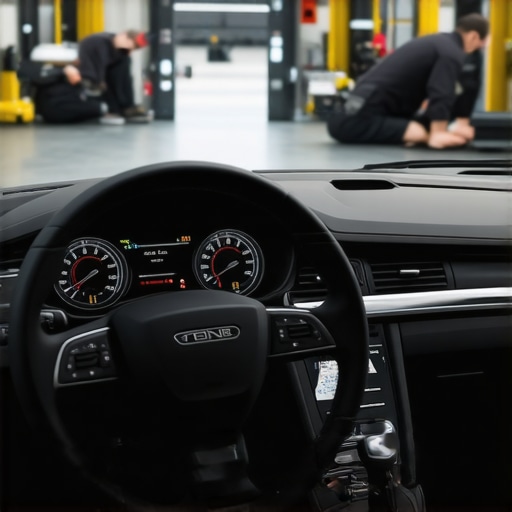
![Stop 2026 Parking Sensor Glitches After a Deep Wash [Fix]](https://collisionfixer.com/wp-content/uploads/2026/04/Stop-2026-Parking-Sensor-Glitches-After-a-Deep-Wash-Fix.jpeg)
James Morgan
Reading through this post, I can relate to the frustration of discovering new dents or scratches shortly after purchasing a vehicle. It’s surprising how many small damages can go unnoticed until they become costly repairs. I totally agree that a thorough inspection with a flashlight and taking clear photos are essential steps before visiting the repair shop. I’ve also found that comparing multiple estimates and asking detailed questions about diagnostics and warranties save a lot of money latter. What really stood out to me was the emphasis on smart diagnostics and preventive maintenance; these are game-changers in my experience. Regularly checking tire pressure, fluid levels, and engine health can prevent minor issues from turning into expensive repairs. Have you guys found any specific DIY tools or routines that consistently help you catch problems early? I’d love to hear what’s worked best for others in maintaining long-term vehicle health without breaking the bank.