It happened unexpectedly—my car shuddered violently as I pulled out of the driveway, and that sinking feeling clenched my stomach. I’d been neglecting that nagging noise during shifts, brushing it off as normal wear. But suddenly, my transmission grinded so loudly I was sure it would drop out altogether. That lightbulb moment hit hard: ignoring transmission issues doesn’t make them disappear, and the costs can skyrocket if you don’t act now.
Why Ignoring Transmission Problems Could Cost You Big in 2026
Healing a failing transmission isn’t just about patching up a part; it’s about understanding what’s at stake. If you’ve experienced similar warning signs—strange noises, delayed engagement, slipping gears—you know how unsettling it can be. The reality is, transmission issues rarely fix themselves, especially as time marches toward 2026 and beyond. According to automotive experts, early intervention can save you thousands of dollars and preserve the lifespan of your vehicle. In fact, neglecting transmission troubles has been linked to higher repair costs and increased safety risks down the road. Proper diagnostics and timely repairs are crucial for avoiding that nightmare scenario.
Is Transmission Repair Really Worth It?
Looking back, one mistake I made early on was assuming that transmission issues would just go away on their own. Spoiler: they won’t. Like many car owners, I underestimated how quickly problems can escalate from minor inconveniences to major repairs. That’s why I want to share what I’ve learned—so you don’t have to make the same mistake—and help you decide if now is the right time for a comprehensive fix.
Assess the Transmission System Thoroughly
Start by inspecting the transmission fluid; low or burnt-smelling fluid indicates a problem. Use reliable diagnostics tools, like those recommended in auto repair diagnostics tips, to identify error codes and system inefficiencies. Remember, a comprehensive evaluation can reveal hidden issues before they escalate.
Drain and Replace Transmission Fluid Accurately
Drain the old fluid completely, using a compatible pan or extractor. Replace the filter if accessible, since debris and metal shavings can clog the system. Fill with manufacturer-recommended fluid—overfilling or underfilling can cause severe damage. Consider performing a transmission flush periodically, following procedures outlined in transmission tune-up strategies, to maintain optimal performance.
disassemble for a Checkup Like a Pro
Carefully remove the transmission casing, following a detailed repair manual. Use a magnetic tray to keep track of bolts. Examine internal components like clutch plates, bands, and planetary gears for signs of wear or damage—replace any parts showing metal shavings or cracks. This step is akin to drilling into a machine to diagnose problems that aren’t visible externally, much like how a skilled technician would approach transmission system repairs in 2025.
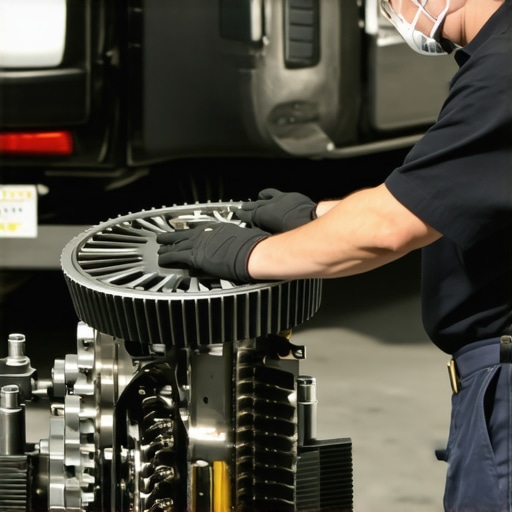
Replace Worn or Damaged Parts
Based on your inspection, swap out any dysfunctional components. Ensure precise fitting to prevent leaks or misalignments. For complex issues, consult auto repair tips that emphasize meticulous part replacement. Proper installation extends your transmission’s longevity and performance.
Reassemble and Test Rigorously
Carefully reassemble the transmission, tightening bolts to manufacturer torque specifications. Fill with fresh fluid and run the engine, observing shifting behavior. Use a scan tool to monitor real-time data, ensuring no error codes reappear. Testing under various driving conditions confirms repairs were successful and that the system responds smoothly, akin to fine-tuning an engine for peak performance, as advised in transmission auto repair strategies.
Document and Plan Preventative Maintenance
Keep detailed records of repairs, fluid changes, and component replacements. Schedule regular maintenance, including fluid checks and diagnostics, to prevent future failures. An early and systematic approach, like the one outlined by car service tips for 2025, can save significant costs and prolong your vehicle’s lifespan.
Many car owners believe they know basic maintenance, but in reality, there’s a lot of nuance that often gets overlooked. A prevalent myth is that transmission fluid levels are all that matter for transmission health—however, the *quality and contamination level* are equally critical, as highlighted by industry experts; simply topping off fluid without checking for burnt smell or debris can lead to catastrophic failures. Another misconception is that routine tune-ups are unnecessary if the car runs smoothly—this isn’t true, since modern vehicles require *precise and diagnostics-driven* preventative maintenance to detect hidden issues early, as emphasized in guides for 2025 auto care strategies. People also tend to think that all auto repair shops deliver the same quality; in reality, the difference lies in the expertise and diagnostics equipment used—cutting-edge tools and detailed diagnostics, such as those recommended by Collision Fixer, can prevent small problems from turning into costly repairs. A common oops is waiting until the vehicle breaks down completely before seeking professional help—this is a critical mistake because early diagnostics and interventions can save you from expensive repairs and safety risks. For example, advanced error code analysis and real-time data monitoring can reveal transmission inefficiencies not visible externally, as shown in top diagnostic tips. Have you ever fallen into this trap? Let me know in the comments. Now, for the seasoned enthusiasts, here’s a question: How does understanding the specific failure modes of planetary gears enhance your approach to transmission repairs? Research from automotive engineers suggests that knowing the failure patterns of internal components can lead to more targeted repairs, reducing downtime and costs. Embracing this detailed knowledge moves you beyond basic troubleshooting into expert territory, ensuring your vehicle remains reliable and safe for years to come. Remember, staying informed and skeptical about common myths allows you to make smarter maintenance choices and avoid costly mistakes. Want to dive deeper? Explore our comprehensive guides on effective transmission tune-ups and diagnostics, or check out expert-recommended repair strategies to stay ahead of potential issues.
Investing in Precise Diagnostic Tools
Personally, I rely heavily on the latest auto repair diagnostics tools because they offer real-time data and error code analysis that surpass traditional methods. Their ability to detect subtle inefficiencies or upcoming failures allows me to perform proactive maintenance, saving both time and money. In the future, I foresee a trend towards even more integrated AI-based diagnostics that can predict issues before errors manifest, fundamentally changing the approach to transmission care.
Software for Monitoring Transmission Health
I’m a big fan of specialized software like the transmission monitoring platforms because they track fluid temperatures, shifting patterns, and error logs over time. These platforms enable me to analyze long-term trends, ensuring that any anomalies are addressed early. With advances in machine learning algorithms, these tools will become smarter, offering tailored maintenance suggestions and even predictive failure forecasts, which makes regular upkeep more precise and less guesswork.
Routine Maintenance—The Backbone of Longevity
Regularly checking and replacing transmission fluid remains a cornerstone of effective maintenance. I follow a strict schedule aligned with manufacturer specifications, often consulting auto service maintenance tips to stay on track. Using high-quality fluids and filters during replacements prevents contamination and mechanical wear. As the industry evolves, I expect the adoption of synthetic fluids to become standard, offering better thermal stability and extended service intervals—an exciting prospect for longevity.
Tools That Make Disassembly Safer and More Effective
When disassembling transmissions, I swear by precision torque wrenches and magnetic bolt trays. These tools help me avoid mistakes with sensitive components like planetary gears and clutch assemblies. Following detailed repair manuals intensifies accuracy further. Recent advancements include lightweight, ergonomic tools that reduce fatigue during complex repairs, which I believe will become more widespread, allowing for more accurate repairs even in tight spaces.
How Do I Keep Transmission Repairs Ongoing
To ensure your transmission remains functional over time, establish a schedule for regular diagnostics and fluid analysis, ideally aligning with your vehicle’s service intervals. Use advanced tools and software for ongoing monitoring, and stay updated with manufacturer recalls or technical service bulletins. Remember, proactive maintenance combined with the right technology helps prevent costly breakdowns and extends your vehicle’s lifespan. For example, regularly reviewing error logs and fluid condition reports can help catch issues before they escalate, as recommended in diagnostics guidance. Try incorporating real-time transmission tracking into your routine—you might be surprised how early you can detect potential problems.
Lessons I Stumbled Through in Transmission Mastery
One of the toughest realizations for me was that even minor transmission hiccups should never be ignored—each small sign is a breadcrumb guiding you to bigger issues. Trusting my instincts over quick fixes, I learned, can lead to costly failures; patience and proper diagnostics save both money and peace of mind. I also discovered that understanding internal components like planetary gears isn’t just tech-talk—it’s a game-changer for precise repairs and prevention. The biggest revelation? Regularly updating my knowledge with expert tools and resources is the best defense against the unpredictable nature of transmission health. These insights transformed my approach from reactive to proactive, making every ride smoother and more reliable.