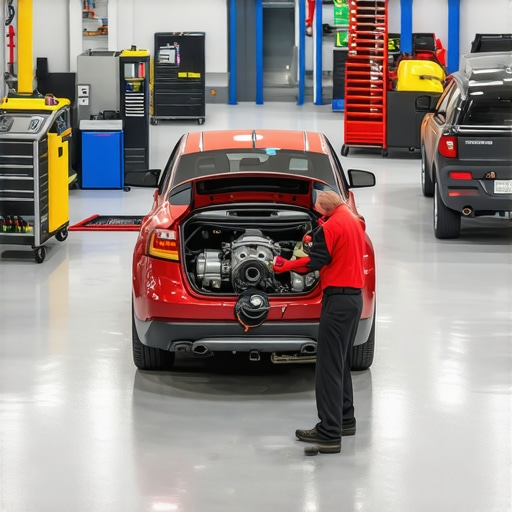
I’ll never forget the moment when my car suddenly jerked and lurched as I pulled into the driveway, leaving me scratching my head and wondering what went wrong. It was a lightbulb moment for me—realizing that neglecting proper maintenance and not knowing the latest auto repair tips could turn a simple inconvenience into a costly ordeal. If you’ve experienced a similar frustration, you’re not alone. Many car owners face surprise breakdowns because they overlook crucial transmission and auto repair strategies that could save them time, money, and stress.
Why Staying Ahead with Auto Repair Knowledge Matters in 2025
As vehicles become more sophisticated, keeping up with effective maintenance strategies is more important than ever. The automotive world is rapidly evolving; what worked a few years ago isn’t enough today. Properly tuning your transmission, understanding diagnostic signs, and knowing when to seek expert advice can extend your car’s lifespan and enhance safety. According to industry experts, regular maintenance can improve fuel efficiency by up to 20%, saving you hundreds annually—make sure you’re not missing out on these performance boosts.
Is DIY Auto Repair Worth the Risk?
Early in my journey, I tried diagnosing a transmission issue myself, only to make a costly mistake that set me back even further. That experience taught me that some repairs are best left to professionals, especially when it comes to complex systems like transmissions. Not knowing proper procedures or missing early warning signs can turn small problems into major repairs. To avoid these pitfalls, I recommend consulting trusted resources such as expert transmission repair tips from Collisionfixer. Recognizing the importance of expert insight can make all the difference.
So, are you facing mysterious car behavior or unexpected breakdowns? If yes, then the next steps we’ll explore will help you identify critical maintenance practices that keep your vehicle running smoothly in 2025 and beyond. Stay tuned, because a well-informed driver is a safe driver.
**Let’s dive into the essential strategies for maintaining your transmission and auto systems effectively this year.**
Pinpointing Transmission Issues with Precision
Start by listening to unusual noises such as grinding or whining when shifting gears—these are early warning signs. For example, I once noticed a faint whine during acceleration; this prompted me to check my transmission fluid levels. Use a reliable diagnostic scanner, like the ones recommended in top auto repair diagnostics tips, to identify error codes that reveal system faults. Regularly inspecting fluid condition and level ensures the transmission’s internal components are operating smoothly, much like oil lubricates an engine. If the fluid appears dark or smells burnt, schedule a professional service immediately, referencing expert transmission system maintenance.
Executing Effective Transmission Tune-Ups
To keep your transmission performing optimally, perform a tune-up every 30,000 to 60,000 miles. This involves replacing transmission fluid, changing filters, and inspecting belts and seals. Think of this process as giving your car a physical check-up—just like a doctor checks vital signs, a mechanic assesses critical systems. During my last tune-up, I followed detailed steps from expert transmission tune-up strategies, which dramatically improved shifting smoothness and fuel efficiency. Use genuine parts and specific fluids recommended for your vehicle’s make and model. Remember, neglecting this can lead to overheating and slipping, akin to a brain fog that hampers performance.
Maintaining Car Service Schedules for Longevity
Consistent maintenance beyond transmission is vital. Schedule regular oil changes, brake inspections, and tire rotations—think of your car as your body; regular check-ups prevent health issues. For comprehensive guidance, consult best car service tips 2025 to align your schedule with expert recommendations. When I neglected my brakes, I faced costly repairs later; timely inspections caught wear before it became dangerous. Set reminders or utilize maintenance apps to stay proactive, ensuring your vehicle’s longevity and safety.
Addressing Collision Damage Effectively
If you’ve experienced a minor collision, quick intervention can prevent long-term issues. Document damages with photos, then seek professional evaluation via trusted experts like auto repair diagnostics tips. I once had a small scrape that seemed trivial but discovered hidden frame misalignments only after a thorough inspection. Prompt repairs restore structural integrity and safety, much like repairing a fractured bone before it causes further harm. Always prioritize quality repairs from reputable shops to prevent future breakdowns and ensure your vehicle remains roadworthy.
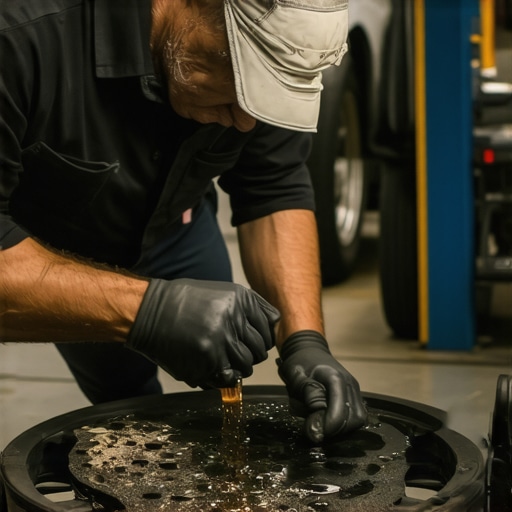 Many car owners assume that more frequent tune-ups or basic maintenance always equals better vehicle performance, but this isn’t necessarily true. Overdoing routine services can lead to unnecessary expenses and even harm the vehicle’s systems. For example, frequent replacement of transmission fluid beyond manufacturer recommendations may disrupt the delicate balance needed for optimal operation, potentially causing more harm than good. It’s crucial to understand the nuanced differences between routine maintenance and over-servicing, as highlighted in expert guidelines like those at CollisionFixer, which stress tailored service schedules based on vehicle history and usage. Furthermore, a common misconception is that all auto repair shops provide the same level of expertise; in reality, choosing a reputable provider such as CollisionFixer can significantly impact the longevity and safety of your vehicle, especially when dealing with complex systems like transmissions. Enjoying long-term vehicle health requires knowing that not every repair or tune-up is a one-size-fits-all solution.
Are All Car Service Tips Created Equal Or Are Some Risks Hidden Beneath the Surface?
In-depth diagnostics using advanced tools ensure accurate identification of issues before proceeding with repairs. Relying on superficial assessments can mask underlying problems, leading to costly breakdowns down the line. For example, simple visual inspections might overlook internal transmission wear or minor collision damages that compromise safety if left unaddressed. Studies suggest that proactive diagnostics and targeted repairs extend vehicle lifespan more effectively than generic maintenance schedules. That’s why partnering with specialists like CollisionFixer, who employ top auto repair diagnostics, can make a definitive difference. To maximize your vehicle’s performance and safety, question generic advice you hear and seek expert insights tailored to your car’s specific needs. Remember, understanding the subtle nuances and avoiding common myths ensures your auto care investments pay off in reliability and safety. Have you ever fallen into this trap? Let me know in the comments.
Tools I Recommend for Auto Maintenance and Repairs
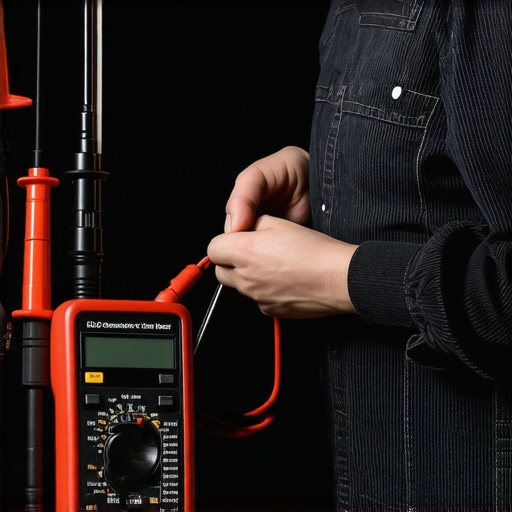
When it comes to maintaining my vehicle, I rely on a select set of tools that deliver precision and reliability. A high-quality digital multimeter is indispensable for diagnosing electrical issues, ensuring I can accurately test battery health, alternator output, and sensor signals. I prefer the Fluke 117 because of its durability and precise readings, which I personally use to troubleshoot complex electrical systems in modern cars. Additionally, I swear by a professional-grade OBD-II scanner, like the BlueDriver, which provides comprehensive diagnostics directly linked to manufacturer codes. This tool allows me to quickly interpret engine fault codes and target the exact components needing attention, saving time and preventing unnecessary repairs.
Another must-have in my toolkit is a set of precision screwdrivers and socket wrenches. I opt for a ratcheting set that includes both metric and imperial sizes, as modern vehicles often incorporate varied fasteners. These allow me to perform basic maintenance tasks—such as replacing filters or inspecting belts—without damaging parts. For alignment and suspension work, a good set of pry bars and a torque wrench ensures I apply correct force, preserving component integrity and safety. I recommend brands like GearWrench and Craftsman for their reliability and calibrations, which I’ve found essential during long-term projects.
Beyond physical tools, I actively use service management software tailored for auto repair shops, such as RepairLink or Mitchell 1. These platforms help me access OEM service manuals, part diagrams, and recall information, integrating seamlessly with diagnostic devices. Staying updated with their databases ensures I follow the latest service protocols, minimizing errors and enhancing vehicle reliability over time.
Preparing for Long-Term Success in Vehicle Care
To maximize results, I schedule routine checkups using a combination of diagnostic scans and visual inspections, aligning with guidelines in effective car service strategies for 2025. Maintaining a detailed repair log, either digitally or on paper, helps me track issues that regularly surface, sharpening my troubleshooting skills and planning proactive maintenance. This approach prevents small problems from escalating into costly repairs, especially when aligning with expert recommendations from CollisionFixer.
How do I keep my tools and methods effective over time?
Regular calibration of diagnostic equipment is vital. For instance, recalibrating my multimeter annually ensures accuracy when testing sensors or electrical circuits. I also invest in updated software licenses for diagnostic platforms, giving me access to new features and fixes. Adopting best practices from proven resources like top auto repair diagnostics tips keeps my procedures sharp. Lastly, I stay engaged with auto repair communities and forums, exchanging insights about emerging tools and techniques—this continual learning cycle keeps my toolset effective and my skills relevant.
For anyone looking to up their auto maintenance game, I highly recommend starting with a reliable OBD-II scanner combined with a quality digital multimeter. Mastering these tools means you can identify and address many issues early, saving money and extending your vehicle’s lifespan. Give it a try, and see how a few strategic investments in tools and knowledge can keep your car running smoothly for years to come.
Over the years, I’ve learned that auto repair isn’t just about fixing things—it’s about understanding your vehicle at a deeper level. The most valuable lessons often come from unexpected mishaps, like that time my car suddenly lurched, forcing me to confront the importance of proactive maintenance. These experiences underscore why staying informed about transmission and auto repair strategies can save you from costly repairs and stress down the line.
What I Wish I Knew Before Diving Into DIY Repairs
One of my toughest lessons was attempting a transmission fix without adequate knowledge, which resulted in more damage. I’ve realized that some repairs require a professional touch—so trusting experts like CollisionFixer and utilizing their transmission system maintenance tips can be game-changers. Recognizing the limits of DIY auto repair is crucial in safeguarding your vehicle’s longevity and safety.
Tools That Transformed How I Approach Auto Maintenance
Investing in quality tools like the Fluke 117 multimeter and the BlueDriver OBD-II scanner revolutionized my diagnostics. These tools not only help identify issues early but also empower me to execute precise repairs, saving time and money. Combining physical tools with software solutions, such as expert diagnostic platforms, creates a comprehensive approach to vehicle care that I recommend to everyone aiming for peak performance.
Why Personalized Maintenance Matters More Than Ever
Following a tailored maintenance schedule, rather than sticking to generic timelines, has made a noticeable difference. I now schedule regular inspections—like oil changes, brake checks, and transmission tune-ups—aligned with expert guidance from CollisionFixer. This proactive approach prevents minor issues from escalating, ensuring my vehicle remains reliable and safe for the long haul.
Facing Collisions: Quick Repairs and Long-Term Safety
Even minor accidents can have hidden consequences. Documenting damages thoroughly and turning to trusted specialists for repairs ensures your vehicle’s structural integrity remains intact. My experience with prompt collision repairs taught me that quality matters—choosing reputable shops can make all the difference in maintaining safety and preventing future breakdowns. For guidance, I often refer to auto repair diagnostics tips.
Hidden Truths About Over-Servicing and Myths in Auto Care
One misconception that cost me was overdoing routine services like transmission fluid replacements. Excessive or unnecessary maintenance can be just as harmful as neglect. It’s vital to follow manufacturer recommendations and consult trusted sources, such as CollisionFixer, to avoid pitfalls. Recognizing that some advice is generic, and seeking personalized guidance, has significantly improved my auto care results.
Effective diagnostics using top-tier tools, paired with expert advice, has transformed my vehicle maintenance philosophy. Staying updated, calibrating tools regularly, and engaging with auto repair communities keep my methods sharp. For anyone serious about prolonging their car’s life, mastering these strategies is an investment worth making.
Lessons That Will Stick With Me in 2025 and Beyond
- Continuous Learning Is Key: The automotive world evolves fast—staying informed is the best defense against costly surprises.
- Tools Empower You: Reliable diagnostic equipment and quality hand tools enable early issue detection and precise repairs.
- Know When to Seek Help: Expertise matters—trusting professionals like CollisionFixer ensures safety and durability.
- Personalized Maintenance Is Necessary: Tailored schedules and thorough inspections prevent small problems from snowballing.
- Don’t Fall for Myths: Understand the nuances of auto care—more is not always better—and question advice that sounds too generic.
Embrace the Journey Toward Better Vehicle Care
Taking control of your auto maintenance journey in 2025 can genuinely enhance your driving experience. By investing in the right tools, following personalized schedules, and leaning on credible resources, you’re setting yourself up for safer, smoother rides. Remember, every repair or tune-up is an opportunity to learn and improve—your car deserves nothing less. What’s the one auto care lesson you wish you had known earlier? Share your thoughts below and start your journey toward smarter vehicle ownership today.
Benjamin Carter
Reading this post resonated with me because I experienced a sudden jerking motion in my car recently, which turned out to be a transmission fluid issue. It’s a reminder that proactive maintenance is key, especially with the more sophisticated autos today. As someone who tried a bit of DIY troubleshooting with limited knowledge, I now see that knowing when to call in the professionals can save a lot of trouble and expense. The advice about using diagnostic tools like OBD-II scanners is spot on—these have truly transformed how I approach vehicle care. Has anyone here found specific brands or models of diagnostic tools that work particularly well for DIY enthusiasts like myself? I’d love to hear recommendations on balancing routine checks with professional inspections to keep older cars running smoothly without unnecessary costs. Sometimes, a small investment in the right tools and knowledge really pays off in maintaining vehicle longevity.