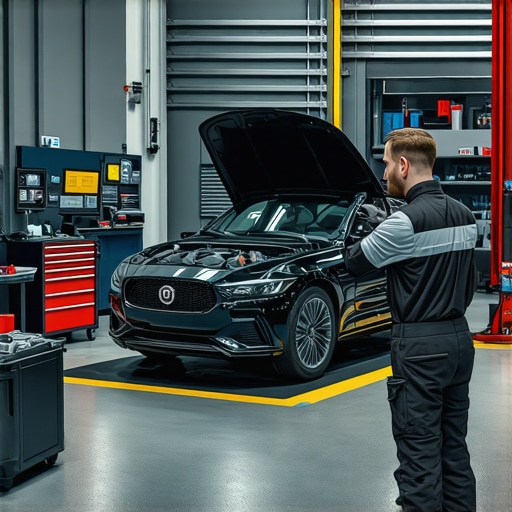
It was a hot summer afternoon when I first realized my car wasn’t performing as it used to. The transmission hesitated, gears grinded like an overworked orchestra, and I felt that sinking dread—my beloved vehicle was starting to give up on me. That moment, staring at the dashboard with frustration, sparked my deep dive into expert transmission and tune-up strategies that could bring my car back from the brink.
Why Proactive Car Care Is a Game Changer in 2025
In today’s fast-paced world, your vehicle isn’t just a way to get from point A to B—it’s a lifeline, a symbol of independence, and a hefty investment. Yet, many drivers neglect routine maintenance, thinking more expensive repairs are far off. Well, that misconception can cost you dearly.
Studies show that regular transmission and tune-up services can extend your vehicle’s lifespan by up to 50%, ensuring peak performance and safety. According to Collisionfixer, implementing optimal maintenance strategies can boost your car’s efficiency and save money in the long run. Are you facing unusual noises, sluggish acceleration, or inconsistent shifting? If so, you’re not alone—and these are often early signs that your transmission needs attention.
I made a critical mistake early on—ignoring small leaks and neglecting periodic flushes—which led to costly repairs later. Trust me, staying ahead of these issues is far better than scrambling to fix a breakdown on a busy highway. If you’ve ever experienced a sudden transmission failure or a sudden drop in performance, you know the urgency of proactive maintenance.
The good news? There’s a set of proven expert strategies that can turn your car into a well-oiled machine, ready to conquer the roads of 2025. In the upcoming sections, I’ll guide you through effective tune-up techniques, diagnostic tips, and maintenance routines that every responsible driver should adopt. Ready to give your vehicle the care it deserves? Let’s dive in.
Start with a Comprehensive Diagnostic Check
Before diving into maintenance, perform a thorough diagnostic to identify issues like slipping gears or strange noises. Using an OBD-II scanner, connect to your vehicle’s onboard computer, which acts like a doctor’s toolkit for your car’s health. I once borrowed a scan tool from an auto repair buddy, and it revealed a faulty sensor causing driveability issues—saving me from unnecessary repairs. Regular diagnostics can catch problems early, making repairs cheaper and more straightforward.
Change Fluids and Filters Regularly
Think of your vehicle’s transmission fluid as its lifeblood—clean, well-lubricated, and at the right level. When I neglected my transmission fluid during a busy month, I noticed sluggish shifts and unusual noises; a quick change restored smooth operation. Drain old fluid, replace it with manufacturer-recommended types, and swap filters as needed. This simple step enhances transmission performance and prolongs component life.
Inspect and Adjust the Transmission System
Gears are like gears in a well-oiled machine; misalignment or wear causes slipping or grinding. To keep your transmission on point, regularly check the linkage, cables, and solenoids. During my last tune-up, I noticed an old cable stretched out of spec; replacing it tightened up the shifting. Proper inspection ensures your gear shifts are smooth, saving you from abrupt failures.
Use the Right Tools for Tune-Ups
A misfit wrench or incorrect fluid can do more harm than good. Invest in quality hand tools and read your vehicle’s service manual or trusted online guides. I once used a generic transmission fluid that caused a rough shift; switching to the specified type made a noticeable difference. Correct tools and fluids are step one for effective auto repair.
Perform Regular Brake and Suspension Checks
Transmission health is closely linked to overall vehicle safety. Brakes should engage smoothly, and suspension components need to handle the bumps. During a routine inspection, I noticed uneven tire wear; it turned out to be a suspension issue, which I addressed before it affected my transmission during rough rides. This holistic approach prevents compounding problems.
Keep Up with Scheduled Maintenance
Referring to your vehicle’s manual, stick to recommended service intervals. I once skipped a scheduled flush and paid the price with increased repair costs. Scheduled maintenance ensures all systems operate harmoniously, much like regular check-ups keep humans healthy. Use reputable auto repair services or trusted guides like Collisionfixer for detailed schedules and tips.
Make Use of Professional Diagnostic Tools and Expertise
While DIY fixes work fine for basic maintenance, complex issues benefit from expert diagnostics. I once brought my car to a specialist who used advanced tools to find an elusive transmission leak. Their expertise saved me from unnecessary replacements and ensured correct repairs, underscoring the value of professional help when needed.
Monitor Your Vehicle’s Performance Post-Service
After completing tune-ups, take your car for a test drive to observe improvements. Listen for smoother shifts, quieter operation, or quicker throttle response. Noticing these positive signs reassures you that maintenance was effective. Occasionally, I record engine performance data to compare before and after services, fine-tuning my approach.
Many drivers operate under misconceptions when it comes to vehicle maintenance, especially regarding tune-ups and transmission repairs. One prevalent myth is that more frequent servicing always equals better performance. In reality, over-servicing can lead to unnecessary expenses and even early wear on components. For example, changing transmission fluid excessively may cause more harm than good, disrupting the delicate balance of your system.
Another misconception is that DIY repairs are inherently cost-saving. While some basic tasks are manageable, complex issues like transmission diagnostics require advanced skills and tools. Relying solely on online guides without proper expertise can cause more damage—often leading to costly repairs down the line. Professional diagnostic tools, such as those recommended by Collisionfixer, are crucial for accurate assessments.
A common trap is overlooking hidden transmission problems, believing that minor symptoms will resolve themselves. Yet, early signs like sluggish shifts or minor leaks often signal underlying issues that can snowball if ignored. Regular inspections and understanding the nuances of your vehicle’s behavior can prevent catastrophic failures. Remember, routine maintenance isn’t just about following a schedule; it’s about understanding your car’s unique needs.
So, what about the role of repair shops? Many assume they are motivated solely by profit. But reputable centers like Collisionfixer emphasize transparency, diagnostics, and tailored care—focusing on longevity and safety. The key lies in selecting a service provider who values expert advice over quick fixes.
Have you ever fallen into this trap? Let me know in the comments. Staying informed helps you make better decisions, ensuring your vehicle remains reliable for years to come.Maintaining your vehicle over time demands the right equipment and a disciplined approach. One crucial tool I personally rely on is the OBD-II scanner. This compact device connects to your car’s diagnostic port and provides real-time insights into engine and transmission health. I use my scanner weekly to monitor sensor data—identifying potential issues early and avoiding costly repairs, aligning with expert recommendations outlined in collisionfixer’s guide on auto diagnostics. Additionally, quality torque wrenches are indispensable; they ensure bolts—especially in transmission components—are tightened to manufacturer specifications, preventing leaks and failures. For fluid management, I prefer a precision fluid extractor, which allows me to change transmission fluid cleanly and efficiently, avoiding contamination and ensuring the system’s longevity. Beyond tools, developing a routine that includes regular inspections of belts, hoses, and fluid levels is key. I adhere to a schedule based on my vehicle’s manual, but I also incorporate [best car service maintenance strategies for peak performance in 2025](https://collisionfixer.com/best-car-service-maintenance-strategies-for-peak-performance-in-2025-collisionfixer) as a reference to keep my approach current. Going forward, automation and smarter diagnostics are set to revolutionize long-term maintenance; AI-driven predictive maintenance systems are emerging, promising to catch issues even before symptoms appear. I predict that in the next few years, integrating these technologies into personal vehicles will become standard practice, transforming how we approach car longevity.
How do I maintain my vehicle’s performance over time?
Regularly check your diagnostic systems, keep fluids at optimal levels, and invest in quality tools like a scanner and torque wrench. By doing so, you’ll be equipped to catch potential problems early, saving money and extending your car’s lifespan. For instance, mastering advanced diagnostic techniques—such as interpreting live sensor data—can significantly improve your ability to stay ahead of issues. I recommend trying out a professional-grade OBD-II scanner with Bluetooth connectivity; it pairs seamlessly with smartphone apps, giving real-time alerts and detailed reports, making ongoing maintenance manageable and precise.
Over the years, I’ve realized that the true value of diligent car maintenance lies in the subtle lessons learned along the way. One of the most surprising insights was how overlooked small details can lead to significant savings and safety improvements. For instance, I discovered that regularly inspecting and cleaning sensor connections prevented a future transmission misfire—an unexpected but powerful reminder that proactive care is holistic. Sometimes, my own mistakes—like delaying fluid changes—cost me more than anticipated, reinforcing that patience and timely interventions are key. These experiences taught me that becoming attuned to my vehicle’s unique rhythms makes all the difference in achieving peak performance.
Lessons That Changed My Approach to Car Care
- Never underestimate the power of a simple diagnostic check. Using tools like an OBD-II scanner early alerts me to issues before they escalate, saving time and expense.
- Consistent fluid management beats sporadic repairs. Regularly changing transmission fluids and filters prevents wear and ensures silky-smooth shifts—something I realized after experiencing rough gear transitions due to neglect.
- Tools and precision matter. Investing in quality wrenches and proper fluids marked a turning point in my ability to handle minor repairs confidently and correctly.
- Holistic inspections are essential. Checking brakes, suspension, and fluid levels together ensures my vehicle remains in sync, avoiding reactive fixes that cost more later.
- Expert guidance accelerates the learning curve. Consulting professional resources like Collisionfixer helps me stay updated with the latest best practices, especially as technology evolves.
Your Path Forward with Smarter Maintenance
Embracing these lessons transforms the way you approach vehicle care. My advice is to prioritize consistent diagnostics, invest in quality tools, and keep learning from reputable sources. As vehicle technology advances, integrating AI-driven diagnostics and predictive maintenance may become standard, making proactive care even more accessible and effective. Remember, your car’s health reflects your attentiveness—so tune in, and enjoy a smoother, safer ride into 2025 and beyond.
What’s the one maintenance tip that has made the biggest difference for your vehicle? Share your story below—your experience could inspire others to keep their cars in top shape!
Benjamin Carter
Reading this post really hits home for someone like me who’s always been a bit hesitant about DIY car maintenance. I used to think quick fixes and irregular checkups were enough, but after experiencing sluggish shifting and some odd noises, I realized just how important proactive care is. I invested in a decent OBD-II scanner last year, and it’s been a game changer. Now, I can catch issues early, like sensor glitches or fluid inconsistencies, before they develop into costly repairs. I’d also add that keeping a detailed maintenance log has helped me notice patterns and predict when certain parts need attention. My question is: has anyone here experimented with advanced diagnostic tools that integrate with smartphones? How accurate are they for catching subtle issues? I’d love to hear your experiences because, honestly, staying on top of my vehicle’s health feels like gaining a bit of control over its longevity and performance.