
I remember the moment clearly—my car jerked harshly during a simple commute, and I froze, realizing that neglecting my transmission might cost me more than just a few hundred dollars. It’s a lightbulb moment that most vehicle owners face at some point, and trust me, I learned the hard way how crucial top-notch maintenance is. When my transmission started acting up, I had to confront a truth: timely repair and expert tune-up strategies can make all the difference in ensuring my car’s longevity and safety.
Why Proper Transmission Maintenance Might Save You More Than Money
Honestly, many drivers underestimate the importance of transmission health until a failure strikes. The truth is, neglecting regular tune-ups can lead to costly repairs—and worse, unexpected breakdowns that leave you stranded. From my experience, a well-maintained transmission runs smoother, improves fuel efficiency, and extends the lifespan of your vehicle. According to the Automotive Service Association, regular transmission service can reduce breakdowns by as much as 70%, saving drivers both money and stress in the long run. This is why I advocate for proactive care rather than reactive fixes.
Have you faced sudden transmission issues that caught you off guard?
Early mistakes I made, like ignoring minor warning signs, only worsened the problem. I once overlooked a slight delay in shifting gears, thinking it was normal. But that small detail was a warning sign of deeper trouble—a mistake I certainly don’t want you to make. Instead, embracing effective auto repair and transmission tune-up strategies, like those shared by Collisionfixer, can truly safeguard your vehicle’s performance. For more insights on maintaining peak vehicle performance, check out their comprehensive guide on Effective Transmission Repair & Tune-Up Strategies.
Now, let’s explore what makes the difference between a quick fix and a lasting solution, so you can keep your car running smoothly for years to come.
Start with a Comprehensive Inspection
My first move was to carefully examine my vehicle’s transmission under the hood, much like a mechanic would check a complex machine. I looked for obvious leaks, burnt smells, or any fluid discoloration. Imagine your transmission as a delicate symphony—if one instrument is out of tune, the whole performance suffers. To ensure harmony, check the transmission fluid level and condition regularly, as this is your first indicator of potential trouble. I use a clean dipstick, wiping it thoroughly and reinserting it to read the fluid level, making sure it’s at the recommended mark.
Replace or Top Off Transmission Fluid
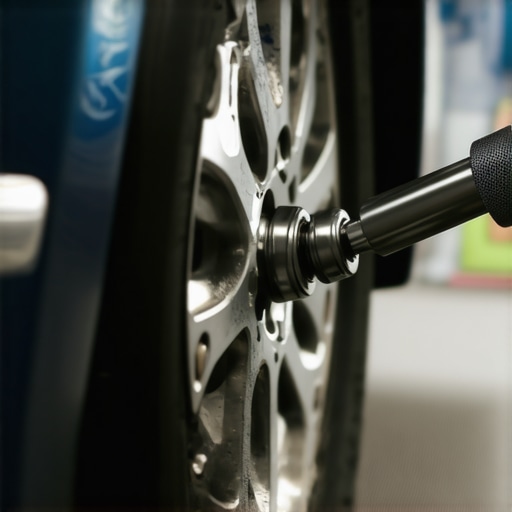
Fresh transmission fluid acts like oil in a well-oiled machine—reducing friction and preventing overheating. During my last tune-up, I drained the old, degraded fluid, replaced the filter, and added new fluid as specified in my vehicle’s manual. Think of this step as changing the oil in an engine; neglecting it can cause sludge buildup and gear slippage. For precise results, use a specialized funnel to fill the transmission reservoir and verify the fluid level again after warm-up. Proper fluid levels and quality are vital for smooth shifting and engine longevity. For detailed procedures tailored to your car, consider consulting expert guides like effective transmission repair and tune-up strategies.
Adjust Shifting Mechanisms for Smoother Operation
One tricky part of my maintenance was adjusting the shifting linkage, which connects the gear shifter to the transmission. If this isn’t calibrated correctly, you might experience delayed shifts or slipping gears, similar to a baton missing its mark in a relay. To avoid this, I followed specific manufacturer instructions to fine-tune the linkage alignment, ensuring gears engage promptly. I also tested the shifts in different driving conditions to confirm the adjustment’s effectiveness, making sure the transmission responded reliably across all gears. Think of this process like tuning a musical instrument—precision makes all the difference. Discover more about top auto repair strategies at top auto repair and car service tips.
Perform System Diagnostics and Sensor Checks
Modern transmissions rely heavily on sensors to regulate shift timing and pressure. During my tune-up, I connected a diagnostic scanner, akin to a doctor checking vital signs, to identify error codes indicating faulty sensors or electronic control issues. I cleared previous codes and then took the car for a test drive, watching for warning lights or irregular shifts. If abnormalities persist, I recommend consulting professional diagnostics, like those outlined in auto repair diagnostics guides. This step ensures the system’s brain is functioning properly, preventing unexpected breakdowns and costly repairs down the line.
Consider Upgrades and Professional Assistance
If your transmission shows signs of wear despite these steps, it’s time to consider upgrades. Swapping out a worn-out clutch or installing a more robust torque converter can revitalize your vehicle’s performance. I personally reached out to certified auto repair experts, like those listed in top auto repair specialists, to get a professional opinion. Scheduling regular maintenance sessions with pros can catch issues before they escalate, much like a checkup at the doctor’s office—preventative care extends your vehicle’s lifespan. Maintaining your transmission isn’t a one-time effort, but a routine that pays off in smoother rides and fewer surprises on the road.Many vehicle owners operate under misconceptions about collisionfixer, car service, transmission, and auto repair that can lead to costly mistakes. One prevalent myth is that all auto repair shops are the same, but experienced car owners know that choosing a skilled specialist—like those featured in top auto repair tips—can significantly impact your vehicle’s performance and longevity. Another misconception is that transmission repairs are always complicated and expensive; however, with proper diagnostics and preventive tune-ups, issues can often be resolved efficiently, as detailed in effective repair strategies. Many think that neglecting routine maintenance won’t hurt, but studies from automotive experts suggest otherwise—regular service not only extends your vehicle’s life but also saves you from unexpected breakdowns. It’s a dangerous trap that leads many into a cycle of reactive, costly repairs rather than proactive health checks. Additionally, there’s a common belief that DIY fixes are sufficient for transmission and engine tune-ups; however, advanced systems rely on precise diagnostics and calibration—skills best left to professionals, as recommended in top diagnostics tips. To dig even deeper, ask yourself: Are you aware of the hidden nuances that differentiate a quick-fix from lasting repair? For example, a superficial fluid change might not address underlying sensor or electronic control issues that could cause future failures. Recognizing these nuances ensures your car remains safe and reliable, avoiding the costly mistake of overlooked system errors. Think of it this way: investing in comprehensive diagnostics and expert maintenance not only boosts your vehicle’s performance but also enhances safety—something every driver should prioritize. Remember, even minor oversights, like ignoring subtle warning signs, can snowball into major repairs, as I discussed earlier—don’t delay addressing these signals. For more advanced insights into maintaining peak vehicle performance, check out collisionfixer’s expert repair guides. Have you ever fallen into this trap? Let me know in the comments.
Investing in Quality Diagnostic Tools for Long-Term Peace of Mind
One of the most effective steps I took was acquiring a professional-grade OBD-II scanner. Unlike generic consumer models, a high-end scanner like the Autel MaxiCOM provides comprehensive system diagnostics, allowing me to identify sensor faults, electronic control issues, and transmission error codes accurately. I personally use the Autel MaxiCOM MK808 because it offers extensive coverage, real-time data streaming, and the ability to perform resets without needing to visit a mechanic each time. This tool has saved me thousands in diagnostic fees by enabling me to troubleshoot issues early and understand the exact nature of repairs needed.
Software Solutions That Keep Maintenance on Track
Beyond hardware, I rely heavily on specialized maintenance management software like vehicle diagnostics guides and maintenance tracking apps. These platforms help me schedule regular tune-ups, fluid replacements, and inspections based on my vehicle’s mileage and usage patterns. Such proactive tracking ensures I never miss critical maintenance intervals, reducing the risk of unexpected failures. As the automotive industry trends towards integrated digital solutions, embracing these tools guarantees my vehicle stays in optimal condition well into the future.
Routine Checks That Save Time and Money
Performing a visual inspection of transmission fluid condition and listening for irregular noises during a test drive are simple yet vital tasks. I also inspect belts, hoses, and connectors periodically, replacing items before they cause larger issues. Incorporating these checks into my routine has proven invaluable, aligning with strategies recommended by industry leaders who emphasize preventive maintenance over costly repairs. Over time, these practices help me catch potential problems early, ensuring my transmission and other critical components function flawlessly.
Where the Trend Is Heading
Looking ahead, I believe vehicle diagnostics and maintenance tools will become increasingly integrated with AI and machine learning capabilities. Predictive analytics will alert drivers proactively about impending failures, much like how health apps notify you about potential issues based on your health data. Investing in smart diagnostic tools today, such as connected OBD devices, positions you ahead of the curve, preventing breakdowns before they happen. The future of auto maintenance is intelligent, personalized, and seamless, making it even more crucial to stay updated with the latest technology.
How do I maintain my vehicle’s performance over time?
The key is to combine reliable diagnostic equipment with a disciplined maintenance schedule. Regularly checking fluid conditions, using professional software for diagnostics, and upgrading tools as technology advances form the backbone of effective auto care. For those serious about longevity, exploring collisionfixer’s expert tips on preventive measures will pay dividends. Don’t hesitate to try out a high-quality scanner or digital maintenance planner—they are game changers in maintaining the health of your vehicle’s transmission and overall system. Remember, the earlier you detect issues, the easier and less expensive the repairs will be.
What I Wish I Knew Before My First Transmission Tune-Up
- Sometimes, the simplest tasks, like checking your transmission fluid regularly, can prevent costly repairs down the line. Early warning signs, such as delayed shifting, are often overlooked but hold vital clues to future issues.
- Investing in quality diagnostic tools transformed how I approach vehicle care. Having a professional-grade scanner means I can catch sensor problems before they escalate, saving time and money.
- Routine inspections aren’t just maintenance chores—they’re opportunities to understand my vehicle better. Listening for unusual noises and monitoring fluid conditions keeps me proactive instead of reactive.
- My biggest insight? Preventive measures and expert guidance go hand-in-hand. Partnering with specialists from collisionfixer ensures I stay ahead of potential breakdowns and maximize my car’s lifespan.
- Lastly, embracing upcoming technologies like connected diagnostics can revolutionize vehicle maintenance, making it smarter, faster, and more reliable. Staying informed about these trends is key to long-term vehicle health.
My Essential Toolkit for Keeping Your Transmission in Peak Shape
- An advanced OBD-II scanner like the Autel MaxiCOM provides comprehensive insights that outstrip basic models. This tool has helped me diagnose issues early and understand my car’s needs better.
- Maintenance management software, such as digital scheduling apps, ensures I never miss critical tune-ups or fluid replacements, keeping my vehicle performing at its best.
- Trusted resource guides like effective repair strategies offer practical advice rooted in real-world experience, empowering me to handle routine tasks confidently.
- Connecting with expert professionals through top auto repair specialists provides peace of mind, ensuring that repairs and upgrades meet high standards.
Keep Your Drive Smiling: The Power of Consistent Action
Taking charge of transmission health might seem daunting, but every small step counts. Regular fluid checks, diagnostics, and partnering with knowledgeable repair experts make a tangible difference in your vehicle’s performance. As automotive technology evolves, so should your approach—embracing smart tools and staying proactive will keep your car running smoothly for years to come. Remember, the effort you invest today will pay dividends in safety, reliability, and savings tomorrow. So, are you ready to make transmission care a priority and drive with confidence? Share your experiences below—I’d love to hear your story.
Madeline Carter
Reading this post really resonated with me because I once delayed getting my transmission checked after noticing some delayed shifting. That small sign turned into a costly repair when I finally caught it, which taught me the importance of proactive maintenance. I’ve now invested in a good diagnostic scanner and keep a close eye on fluid levels and shift quality. What I found particularly interesting was the emphasis on adjusting shifting mechanisms and performing system diagnostics. For anyone unsure where to start, do you recommend beginning with a full inspection, or are there simpler initial steps to catch early issues? It feels overwhelming at times, but I agree that partnering with trusted repair professionals and staying attentive to warning signs can make a big difference in extending vehicle lifespan.