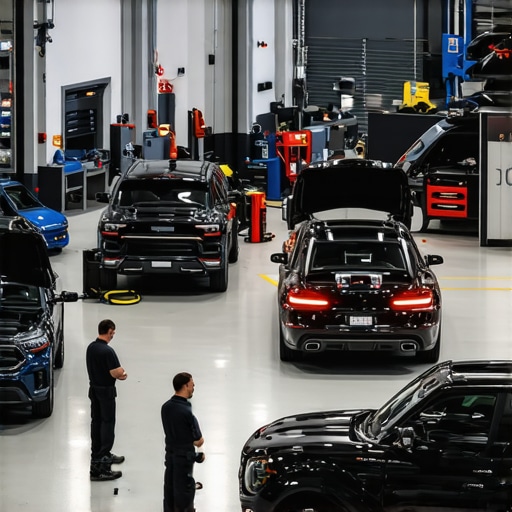
I vividly remember the frustrating moment when my car sputtered and refused to start on a chilly morning. That lightbulb moment hit me hard—if I had known some tried-and-true auto repair and diagnostic tips, I could have saved myself a lot of stress and money. As a passionate car enthusiast and seasoned DIYer, I’ve learned that staying ahead of potential issues isn’t just about fixing things when they break—it’s about understanding your vehicle’s evolving needs, especially with the rapid technological advances in 2025.
Why Staying Informed About Auto Repair Matters Now More Than Ever
With modern vehicles incorporating complex systems like advanced sensors and computerized diagnostics, the landscape of auto repair is changing fast. Honestly, I used to rely solely on my mechanic for everything, but early mistakes—like ignoring minor warning signs or delaying routine maintenance—taught me a hard lesson. Now, I dive into the latest tips and strategies to troubleshoot and maintain my car better. This proactive approach isn’t just for peace of mind; it can actually save you hundreds, if not thousands, over the lifespan of your vehicle. According to a recent report, vehicles are becoming more reliant on electronic systems, making diagnostic knowledge essential for safety and longevity.
Thinking back, my biggest mistake was dismissing that rough idle as just a bad tank of gas—until the engine warning light blinked on, signaling a more serious issue. That experience convinced me that understanding top auto repair & diagnostics tips is crucial in 2025, especially as these systems become more sophisticated.
So, what exactly can you do now to stay on top of your car’s health? That’s precisely what we’ll explore next—effective strategies to diagnose, repair, and maintain your vehicle, saving you money and enhancing safety along the way. If you’ve ever faced unexpected breakdowns or costly repairs, keep reading—you’re about to learn how to avoid those pitfalls with confidence.
Start with a Visual Inspection
Before diving into complex diagnostics, perform a thorough visual check of your vehicle. Look for obvious issues like leaks, worn belts, damaged hoses, or loose components. On a snowy morning, I once noticed a cracked radiator hose that could have caused my engine overheating if left untreated. Regular visual inspections build awareness of your car’s condition and help catch problems early.
Use On-Board Diagnostics Effectively
Modern cars are equipped with OBD-II systems, which provide diagnostic trouble codes (DTCs). Connect an affordable scanner or use a smartphone-compatible device to read these codes. When my car’s check engine light came on, I used a scanner and found a misfire code. Clearing the code and researching its meaning allowed me to pinpoint whether it was a minor sensor issue or something more serious, saving a trip to the mechanic. For detailed guidance, check out auto repair diagnostics tips for 2025.
Diagnose Transmission Issues
Transmission problems often manifest as slipping gears, delays, or strange noises. First, check the transmission fluid level and quality—low or dirty fluid can cause significant issues. Use the dipstick to assess fluid color and smell; burnt smell indicates contamination. During a recent DIY project, I replaced my transmission filter and topped up fluid, which immediately improved shifting performance. For detailed steps, consider reading transmission repair strategies in 2025.
Handle Basic Repairs and Replacements
Minor fixes like replacing spark plugs, air filters, or batteries are straightforward and yield immediate benefits. Use manufacturer specifications and torque settings from your vehicle service manual or reliable online guides. Once, I replaced my spark plugs following a quick tutorial, which restored engine efficiency. Proper tools and clean workspaces make these tasks easier. For comprehensive repair techniques, visit top auto repair tips for 2025.
Keep Up with Routine Maintenance
Consistent tune-ups prevent costly breakdowns. Schedule oil changes, fluid replacements, and brake inspections at manufacturer-recommended intervals. In 2025, proactive maintenance also involves software updates and sensor calibrations, especially for vehicles with advanced driver-assistance systems. During my last tune-up, I learned how replacing an engine air filter boosted fuel economy and responsiveness. For the best practices, explore car maintenance tips for 2025.
Leverage Online Resources for Troubleshooting
Many issues can be diagnosed and solved using online forums, manufacturer websites, and instructional videos. When my alternator failed unexpectedly, I watched a step-by-step replacement video and sourced parts online, saving time and money. Joining communities and asking specific questions often leads to personalized solutions. For a structured approach, see auto repair diagnostics tips for 2025.
Many car enthusiasts and everyday drivers share misconceptions about best practices in collision repair and maintenance. One prevalent myth is that delaying minor repairs won’t cause long-term damage. In my experience, neglecting small issues like a leaky radiator or worn belts can escalate into costly failures, compromising safety and vehicle longevity. It’s essential to understand the nuances—routine inspections can reveal subtle signs others overlook, preventing serious problems down the line.
Another widespread misunderstanding is that professional repairs are always superior to DIY fixes. While professional service ensures quality, many advanced diagnostics—such as interpreting complex transmission fault codes—are accessible to skilled amateurs armed with the right tools. For example, using an OBD-II scanner to diagnose transmission issues early can save significant expenses, especially if gridlock or poor shifting hints early trouble. Check out top transmission repair tips for 2025 for more insights.
Think also about the myth that all transmission problems require complete replacement. In reality, a lot of transmission issues—like fluid contamination or minor sensor malfunctions—can be addressed with systematic repairs or software updates. Leveraging expert strategies, as discussed here, can extend your vehicle’s lifespan without the hefty expense of a full rebuild.
Are Transmission Repairs Overhyped or Underestimated?
Many drivers believe that transmission repairs are mostly an expensive gamble. However, data shows that early diagnostics and targeted fixes dramatically improve outcomes, often saving up to 40% compared to delayed repairs. Proper maintenance—like regular fluid changes and software calibrations—can keep transmissions running smoothly far beyond the manufacturer’s expected lifespan. Knowing what advanced techniques are now available can help you make more informed decisions and avoid unnecessary replacements.
Remember, these misconceptions often stem from outdated information or a lack of awareness of recent technological advancements in auto repair. Staying educated—with credible sources and expert advice—can help you navigate this complex landscape confidently. And if you’ve ever fallen into these traps or myths, don’t hesitate to share your experience in the comments. Sometimes, a little skepticism and curiosity are the best tools in maintaining your car’s health.
Investing in Precision Tools for Auto Care
When aiming for reliable long-term vehicle performance, quality tools make a significant difference. I personally swear by my digital torque wrench, like the Craftsman Digital Torque Wrench. It ensures that all fasteners—be it spark plugs, belts, or sensors—are set to manufacturer specifications, preventing over-tightening or under-tensioning. Proper torque application not only extends parts’ lifespan but also optimizes engine efficiency, contributing to a smoother ride over the years.
One game-changing device I use is the OBD-II scanner, like the BlueDriver Bluetooth Professional Diagnostic Scanner. It pairs seamlessly with my smartphone and provides real-time diagnostic trouble codes, live sensor data, and repair reports. Using this, I can catch issues early—by monitoring parameters such as coolant temperature or oxygen sensor readings—before they escalate into costly repairs. Regularly scanning my vehicle, especially after software updates, keeps my car in peak condition and helps me understand emerging trends in automotive diagnostics.
For transmission-specific care, I rely on systems like the Autel Maxidiag Elite. It offers advanced transmission testing capabilities, including solenoid diagnostics and fluid temperature monitoring. Regularly checking the transmission control module (TCM) with such tools ensures issues are identified swiftly, preventing severe failures. This proactive approach aligns with future trends pointing toward integrated vehicle diagnostics—where maintenance extends beyond simple fluid changes to software calibration and system health checks.
How do I maintain high-performance systems over time?
Consistent maintenance isn’t just about replacing parts—it’s about understanding your vehicle’s evolving needs. For example, I schedule software updates via OEM portals, which optimize transmission parameters and enhance shift smoothness, according to top tips for 2025. This ensures my transmission remains responsive and efficient, extending its service life. Additionally, I keep a detailed service log, tracking every repair, update, and inspection session. This habit helps identify patterns, anticipate potential failures, and decide whether additional tools or parts are needed.
Recognizing system wear is vital. I use infrared temperature guns during routine checks to monitor engine and transmission heat signatures, which can reveal cooling issues or impending overheating—common culprits of transmission damage. Incorporating such simple yet effective tools fosters early detection, saving money and ensuring safety in the long run. As automotive tech evolves rapidly, staying ahead involves integrating diagnostic devices with machine learning algorithms, promising even more precise maintenance schedules in the future.
Why is it crucial to stay updated with repair technology?
Repair techniques and tools are advancing fast, making it essential to keep a finger on the pulse. For instance, recent innovations include cloud-based diagnostic platforms that provide instant updates on vehicle-specific issues, as detailed in expert repair strategies for 2025. Embracing these technologies allows DIYers and professionals alike to perform more accurate repairs, reducing downtime and costs. My recommendation is to periodically invest in software subscription services that provide updates for your diagnostic tools, enabling them to communicate with new vehicle models effectively.
Start by integrating one of these advanced diagnostic or calibration techniques into your routine. For example, regularly updating your transmission calibration software can significantly improve shift quality and responsiveness. Remember, the future of auto maintenance leans heavily toward digital integration, and familiarizing yourself now can reap long-term benefits.
The Little Secrets That Changed My Auto Repair Game
One of the most eye-opening moments was realizing how much I underestimated the power of regular system updates for my vehicle’s electronics. Keeping my car’s software current has prevented numerous issues and improved overall performance. Another lesson learned was that investing in high-quality diagnostic tools, like advanced OBD-II scanners, empowers me to catch problems before they escalate, saving me both money and stress. Lastly, I discovered that embracing a holistic maintenance routine—combining visual checks, software updates, and community knowledge—creates a safety net that keeps my vehicle reliable and efficient in an era of rapid technological change.
My Toolset to Keep Vehicles Running Lean
- BlueDriver Bluetooth Diagnostic Scanner: Trusted for its accuracy and ease of use, it connects seamlessly to my smartphone to provide real-time data and fault code insights.
- Craftsman Digital Torque Wrench: Ensures all fasteners are tightened to manufacturer specs, preventing issues caused by improper torque—essential for sensitive systems like transmissions.
- Infrared Thermometer: Helps monitor engine and transmission heat signatures, allowing me to spot cooling issues early and prevent costly repairs.
- OEM Software Update Subscriptions: Guarantee my vehicle’s firmware is current, optimizing performance and compatibility with new tech.
Embrace the Shift in Vehicle Maintenance—Act Now
Auto care in 2025 isn’t just about fixing what’s broken; it’s about proactively managing your vehicle with confidence. The landscape has shifted dramatically, with digital diagnostics, software updates, and community-driven knowledge becoming vital components of responsible ownership. Taking the initiative today means safer drives, longer vehicle lifespan, and significant savings. So, whether you’re a seasoned DIYer or just starting, now’s the perfect time to dive deeper into the world of auto diagnostics and maintenance. Are you ready to reap the benefits of this tech-forward approach and keep your car in top shape for years to come?
What’s the first upgrade or habit you plan to implement for better auto care in 2025? Share your thoughts below—let’s learn from each other’s journeys.


Rachel Morgan
Reading this post really resonated with me, especially the emphasis on proactive maintenance and the importance of understanding your vehicle’s evolving systems in 2025. A few months ago, I faced a similar situation where my car’s warning lights came on unexpectedly, and I realized how much I underestimated the value of having a good diagnostic tool at home. Since then, I invested in a quality OBD-II scanner, and it’s been a game changer—I can now monitor live data and catch minor issues before they turn serious. It’s fascinating how much technology is making DIY auto repair more accessible, even for those of us who aren’t professional mechanics. I’m curious, how do others here stay updated with the latest diagnostic tools and techniques? Do you subscribe to any specific online platforms or communities that provide ongoing training or free updates? I believe integrating these new tools can really extend our vehicle’s lifespan and save us money in the long run.