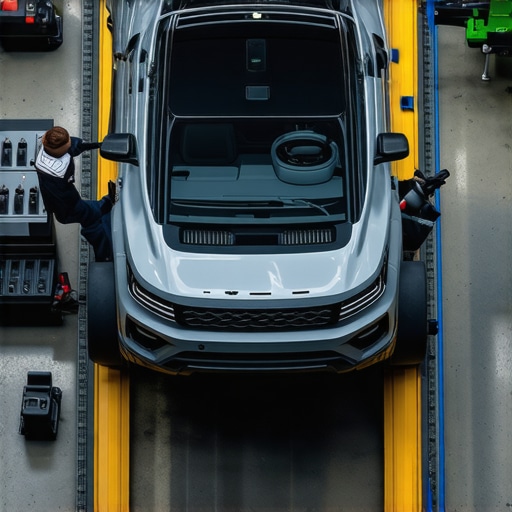
Ever had that sinking feeling when your car starts slipping gears or making strange noises right before a big trip? I remember the first time my transmission acted up — I was stuck in the middle of a busy intersection, and everything just froze. That moment hit me hard. It made me realize how vital a well-maintained transmission is for safe, smooth driving. If you’ve faced similar frustrations or want to prevent them, you’re in the right place. Today, I’ll share proven tips on transmission repair and system care that can keep your vehicle performing at its best in 2025.
Why Transmission Care Cannot Wait
Many drivers overlook their transmission until a warning light flashes or the car refuses to shift smoothly. But here’s the thing: proactive maintenance saves you money and stress down the road. A neglected transmission can lead to costly repairs, often costing thousands. Plus, a well-maintained system enhances safety and fuel efficiency. According to industry experts, regular transmission tune-ups can extend the lifespan of your vehicle significantly. If you’re like me, you want to avoid those unexpected breakdowns. That’s why staying on top of your transmission health is more crucial than ever in 2025.
Is Transmission Repair Really Worth the Effort?
Honestly, I used to think neglecting minor issues wouldn’t hurt. I made the mistake early on of ignoring a slight delay in shifting, thinking it would fix itself. Spoiler: it didn’t. That tiny glitch turned into a full-blown transmission rebuild in just a few months. Trust me, I learned the hard way that small problems snowball fast. Now, I prioritize regular checkups and tune-ups. If you’re skeptical, consider this: proper maintenance can prevent major failures and keep your car safe on the road. For a comprehensive guide, check out expert transmission tune-up strategies.
So, if you’re tired of surprise breakdowns or costly repairs, keep reading. We’ll cover the most effective, practical tips to keep your transmission in top shape for 2025 and beyond. Ready to take control of your car’s health? Let’s get started!
Start with a Solid Inspection
My first real breakthrough came when I decided to get a thorough transmission inspection at a trusted auto shop. They checked the fluid levels, looked for leaks, and examined the transmission pan for debris. This initial step is like a health check-up — it reveals early signs of trouble. Don’t skip it. Regular inspections, especially before long trips or after heavy driving, can catch issues early. For detailed guidance, visit auto repair diagnostics tips.
Change Transmission Fluid on Schedule
Replacing transmission fluid might seem simple, but it’s the cornerstone of system health. I once neglected this for too long, and my car started slipping gears unexpectedly. When I finally drained and refilled with fresh fluid, the shifting smoothed out immediately. Think of it like changing oil in your engine — vital for smooth operation. Check your vehicle’s manual for the recommended interval, usually every 30,000 to 60,000 miles. For expert advice, see transmission tune-up strategies.
Use High-Quality Fluids and Parts
In my experience, cheap fluids or parts can sabotage your transmission. I once bought a bargain fluid to save a few bucks, but it caused my system to overheat. Upgrading to OEM or high-quality alternatives made a difference. When replacing parts, insist on genuine components. It’s like choosing the right ingredients for a recipe — quality matters. For the best options, check car service tune-ups.
Schedule Professional Tune-Ups
While DIY maintenance is helpful, a professional tune-up is essential. During my last visit, technicians performed a system scan and calibrated the transmission for optimal shifting. They also checked the linkage and solenoids, which I wouldn’t have known to test myself. Think of this as a quarterly health check — it keeps everything running smoothly. Regular tune-ups, ideally once a year, will extend your transmission’s lifespan. For more on this, see auto repair tips for optimal performance.
Pay Attention to Warning Signs
Early warning signs like delayed shifts, slipping, or strange noises can save you money. I once ignored a minor delay, which worsened over weeks. When I finally took action, the repair was more costly. Stay alert to your vehicle’s signals. If you notice any irregularities, consult a professional immediately. This proactive approach prevents major failures and keeps you safe on the road. For diagnostics guidance, visit auto repair diagnostics tips.
Keep the Transmission Cooler Clean
Overheating is a common enemy of transmissions. I once saw a buildup of dirt and debris blocking the cooler, causing the fluid to overheat. Cleaning the cooler regularly, especially if you tow or drive in hilly areas, prevents overheating and extends system life. Think of it like clearing a radiator — essential for cooling. Regular checks can be part of your routine maintenance. For detailed strategies, see car maintenance tips.
Document Your Maintenance
Finally, keep a record of all maintenance and repairs. I started tracking my service history, which helped me spot patterns and plan future tune-ups. Plus, it adds value if you ever sell the vehicle. Use a simple notebook or digital app to log dates, parts replaced, and fluid changes. This habit ensures you never miss a critical service and always know your transmission’s health status. For comprehensive support, look into auto repair and service tips.
Many car owners operate under misconceptions that can lead to costly mistakes, especially when it comes to transmission and overall auto repair. Let’s dig deeper into what most people get wrong about car service and how avoiding these pitfalls can save you time and money.
Are Cheap Parts & Fluids Always a Good Deal?
It’s a widespread belief that opting for cheaper auto parts or fluids saves money. However, this is often a false economy. Low-quality components can cause faster wear, overheating, or even system failure. For example, using substandard transmission fluid can lead to poor lubrication, increased friction, and eventual transmission damage. Industry experts recommend investing in OEM or high-quality alternatives, which, while slightly more expensive upfront, significantly extend your vehicle’s lifespan. For detailed guidance, check out best car service tune-ups for 2025.
Ignoring Small Problems Won’t Hurt
This is one of the most dangerous myths. A minor delay in shifting or a faint noise can seem harmless, but these are often early warning signs of deeper issues. If ignored, small problems snowball into major repairs, sometimes requiring a complete transmission rebuild. Regular diagnostics and proactive repairs are essential to catch issues early. As noted by automotive experts, early intervention can prevent costly repairs and ensure safety. Visit auto repair diagnostics tips for more insights.
Why Do Many Think Routine Maintenance Is Unnecessary?
Some believe that once a car runs fine, no further maintenance is needed until a breakdown occurs. This mindset neglects the importance of scheduled tune-ups, fluid changes, and system inspections. Routine maintenance like transmission fluid replacement, cooler cleaning, and professional tune-ups isn’t just about preventing breakdowns—it optimizes performance, fuel efficiency, and safety. Skipping these steps can lead to premature system failure. For expert advice on maintaining peak performance, see auto repair tips for optimal performance.
Have you ever fallen into this trap? Let me know in the comments. Remember, understanding these nuances helps you become a smarter, more proactive car owner. Keep your vehicle running smoothly and safely by debunking these common myths today!
Master Your Toolbox for Long-Term Car Care
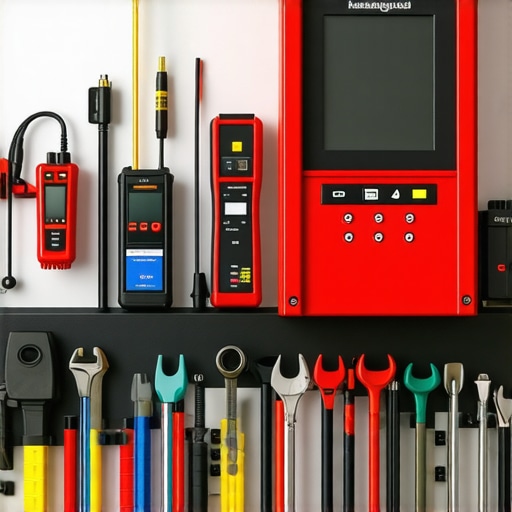
Keeping your vehicle running smoothly over the years requires the right tools and a bit of know-how. I personally swear by a high-quality digital code reader, such as the Autel MaxiCOM, because it provides instant insights into your car’s health without needing a trip to the shop. This device helps me identify transmission or engine issues early, saving time and money. Additionally, I use a professional-grade transmission fluid pump, which makes fluid changes cleaner and more precise—crucial for maintaining optimal system performance. Investing in these tools means you can perform many maintenance tasks yourself, reducing dependency on mechanics and catching problems before they escalate.
Looking ahead, I believe the trend toward integrated diagnostic tools will continue to grow. Advances in wireless technology and smartphone integration will make diagnostics even more accessible, empowering owners to monitor their cars remotely and schedule maintenance proactively. Staying ahead of this curve means embracing smarter, connected tools that can diagnose issues in real-time and suggest immediate actions.
How do I maintain my transmission over time?
Consistent maintenance is key to ensuring your transmission remains reliable for years. Start by scheduling regular diagnostic scans, at least once a year, especially if you notice any irregularities. Use a professional-grade scanner to read trouble codes and monitor system performance—these devices provide detailed data that can alert you to early signs of wear. Additionally, keep an eye on fluid condition; even if it’s not time for a full change, checking for debris or discoloration can prevent overheating and damage. Regularly inspecting and cleaning the transmission cooler to prevent dirt buildup and overheating is also vital. For detailed strategies, I recommend reviewing expert transmission tune-up strategies. Incorporating these practices ensures your transmission stays healthy, minimizing costly repairs down the line.
Optimize Your Maintenance Routine with Software
Today, many auto repair shops utilize advanced software platforms like Mitchell 1 or ALLDATA to streamline diagnostics and maintenance planning. These systems compile vehicle histories, recommend schedules, and even simulate potential issues, making it easier to plan long-term care. Personally, I use a combination of these platforms along with my scanner to keep detailed logs of every service—this helps me spot patterns and plan future tune-ups. As technology advances, expect these tools to become even more intuitive, offering predictive maintenance insights based on driving habits and real-time data. For example, integrating AI-driven diagnostics will soon enable car owners to receive personalized maintenance alerts right on their smartphones, reducing the risk of unexpected failures.
To get started, I suggest trying out a comprehensive scanner and recording your maintenance history digitally. This simple step can make a significant difference in how you manage your vehicle’s health and longevity. For more on maintaining peak performance, explore auto repair diagnostics tips.
< >
>
My journey into transmission maintenance taught me that every mile counts. One unexpected failure can turn a smooth drive into a costly repair. Over the years, I’ve learned some invaluable lessons that I wish I knew when I first started taking care of my car. Here are the top insights that transformed my approach and can do the same for you.
- Small issues demand immediate attention. Ignoring a minor slipping or delayed shift may seem harmless initially, but these are often the first signs of serious trouble. Addressing them early with diagnostics can save hundreds or even thousands in repairs.
- Premium fluids make a difference. I used to buy cheap transmission fluid to cut costs, only to face overheating and rough shifts. Upgrading to high-quality, OEM fluids has noticeably extended my transmission’s lifespan.
- Routine inspections are your best friend. Regular check-ups, especially before long trips, can catch leaks and debris that cause overheating or wear. An ounce of prevention beats a pound of cure.
- Professional tune-ups are vital. While DIY can help, professional system scans and calibrations ensure everything is optimized for peak performance and safety. Trusting experts has been a game-changer for me.
- Keep detailed records of maintenance. Tracking fluid changes, repairs, and inspections not only helps in diagnosing issues early but also increases your vehicle’s resale value and longevity.
My Essential Toolkit for Transmission Maintenance
Investing in quality tools like a digital code reader (I recommend the Autel MaxiCOM) and a professional-grade transmission fluid pump has empowered me to perform many checks and fluid changes myself. These tools are reliable, save time, and help catch problems early, making routine maintenance less daunting. As technology advances, I foresee smart diagnostics integrated with smartphones becoming even more valuable, enabling you to monitor your transmission remotely and plan proactive care.
Embrace the Road with Confidence
Taking control of your transmission health isn’t just about avoiding repairs; it’s about ensuring safety, efficiency, and peace of mind on every journey. By applying these lessons and staying vigilant, you can extend your vehicle’s life and enjoy trouble-free driving well into 2025 and beyond.
Have you ever faced a transmission surprise or found a maintenance trick that worked wonders? Share your story below and let’s learn from each other’s experience!
James Carter
Reading through this comprehensive guide on transmission maintenance really resonated with me, especially the part about the importance of regular fluid changes. I used to neglect this step and only realized its significance when my own car started slipping gears unexpectedly. Since I started following a strict schedule for fluid changes and inspections, my vehicle’s performance has noticeably improved, and I’ve avoided costly repairs. It’s also interesting how some drivers underestimate thermal cooling — keeping the transmission cooler clean and free of debris can make a real difference, especially in hot climates or when towing. Has anyone found specific products or methods that work best for maintaining the transmission cooler? I’d love to hear suggestions or personal experiences. Overall, proactive maintenance truly saves money and stress—what’s been your biggest lesson learned in car care?
Liam Anderson
This post hits home for me, especially the importance of regular transmission inspections and fluid changes. I’ve experienced firsthand how neglecting small issues like delayed shifts can snowball into major repairs. A few years ago, I ignored a faint noise during acceleration, thinking it was just normal wear. Within months, I faced a costly rebuild. Now, I stay vigilant and schedule regular checkups. Interestingly, I’ve found that using a high-quality, synthetic transmission fluid has made my shifts smoother and overheat less often, even during summer. For those towing or in hot climates, do you recommend any specific coolers or additional measures to keep things running cool? Also, how do others prioritize safety with transmission issues—do you’ve any best practices for early detection? I believe proactive care really saves money and ensures peace of mind on long trips. Would love to hear more insights or personal tips from the community.
Sophia Martin
This article hits the mark—regular transmission checks are so often overlooked until it’s too late. I recently experienced a minor delay when shifting, and although it seemed insignificant at first, I scheduled a quick inspection, which caught a small leak and debris buildup in the cooler. Cleaning that out immediately prevented potential overheating, which can be disastrous in the summer heat. It’s clear that maintenance like fluid changes and cooler cleaning isn’t just preventative but crucial for safe driving and extending vehicle lifespan. I’m curious, has anyone tried adding extra coolers or upgraded to more advanced fluids for better cooling efficiency? What results did you see, especially in regions with hot climates? Staying vigilant has definitely saved me from some costly repairs. It’s interesting how small improvements can really enhance overall system performance—any suggestions for reliable products or DIY tips for cooler maintenance? I’d love to hear how others are proactively maintaining their transmission systems for 2025.