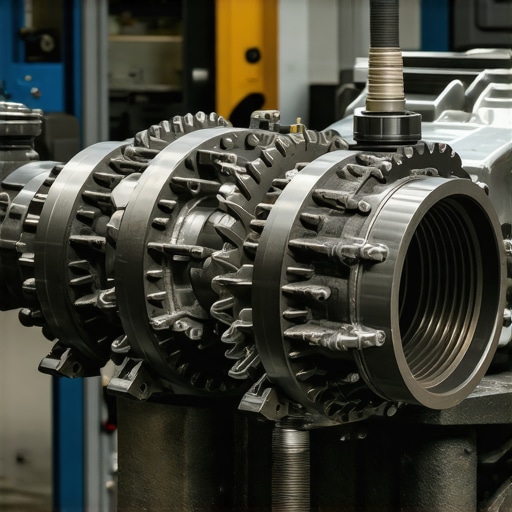
It was a chilly morning when I first noticed my car struggling to shift gears smoothly. That sudden jerk, the hesitation—you know the feeling. My stomach sank because I’d ignored the signs for too long. That moment was a real wake-up call, reminding me how critical proper transmission care is for keeping my vehicle reliable and safe. If you’ve ever experienced a rough shift or strange noises, you’re not alone. Many drivers overlook the importance of expert transmission repair and system maintenance until it’s too late. But here’s the truth: proactive care now can save you hundreds, even thousands, down the road.
Why Peak Performance Is Non-Negotiable in 2025
Today, our vehicles are more advanced than ever, packed with technology that demands precise maintenance. The goal is to ensure your car runs smoothly, efficiently, and safely—especially as we approach 2025, a year that promises even more innovation. Neglecting transmission health can lead to costly repairs, reduced fuel economy, and safety risks. According to a recent report, roughly 75% of auto repairs are preventable with regular tune-ups and early diagnostics. That’s a staggering number that underscores the value of expert system maintenance.
Have you faced sudden transmission issues that left you stranded or fearing the worst? Maybe you’ve ignored minor delays, thinking they’d resolve on their own? Trust me, I did the same early in my driving days, and I paid the price. The mistake I made? Waiting until things got worse instead of investing in reliable auto repair and preventive care. That’s why I’m passionate about sharing how you can avoid my pitfalls by prioritizing expert transmission tune-ups and system checks. For top strategies, check out this comprehensive guide.
Start with a Precise Diagnostic
My first step was to schedule a comprehensive diagnostic test at CollisionFixer, which is crucial for identifying hidden issues before they escalate. Think of it like a doctor’s check-up — catching problems early saves money and hassle later. Use advanced diagnostic tools to scan for transmission faults, fluid leaks, or sensor errors. For expert guidance on diagnostics, check out this resource.
Drain and Replace Transmission Fluid
Next, I replaced the old, degraded fluid with high-quality transmission oil. Old fluid is like worn-out engine oil, reducing efficiency and causing overheating. Use the right type specified in your vehicle’s manual — this is vital for smooth gear shifts and system longevity. Don’t skip this step; it’s the foundation of a healthy transmission. For detailed procedures, visit this guide.
Inspect and Clean Transmission Components
After draining old fluid, I inspected the transmission pan and filter for debris or metal shavings — signs of wear or damage. Cleaning these parts prevents blockages that can cause slippage or overheating. Think of it like cleaning your arteries to keep the blood flowing smoothly. If you notice significant wear, consider professional repair or replacement to avoid future breakdowns. Learn more about component inspection at this page.
Adjust and Fine-Tune System Settings
Modern transmissions use electronic systems that benefit from a professional tune-up. I used specialized software to recalibrate shift points and response times, ensuring optimal performance. Think of this as tuning a musical instrument — perfect adjustments produce harmonious operation. Regular software updates and calibration prevent gear slips and improve fuel efficiency. For expert tuning strategies, see this article.
Test Drive and Confirm Performance
Finally, I took the car for a test drive, shifting through all gears to confirm smoothness and responsiveness. Listening for unusual noises or hesitation is key. If issues persist, a follow-up diagnostic might be necessary. This step is like a final check to ensure all repairs and adjustments work as intended. For comprehensive tips on testing and verification, visit this resource.
Many vehicle owners approach auto repair with misconceptions that can lead to costly mistakes. One of the most common myths is that transmission repairs are always expensive and unavoidable once symptoms appear. However, a nuanced understanding reveals that early diagnostics and proper maintenance can significantly reduce repair costs. For example, regular transmission fluid checks and timely tune-ups can prevent minor issues from escalating into major failures, as highlighted in this detailed guide.
Another widespread misconception is that all auto repair shops are equal. In reality, the expertise of the technician and the quality of diagnostic tools make a huge difference. Modern transmissions, for instance, rely heavily on electronic systems that require specialized software calibration. Skimping on professional calibration or choosing a shop without the latest diagnostic equipment can result in subpar performance or even further damage. For advanced repair strategies, check out this resource.
Many drivers believe that routine maintenance can be postponed indefinitely. This is a dangerous trap. Waiting too long to replace transmission fluid or ignoring subtle warning signs like hesitation or noise can turn a minor issue into a full-blown system failure. Regular check-ups, especially as vehicles approach their fifth or sixth year, are crucial. For proven maintenance routines, see this essential guide.
How do advanced diagnostic tools change the game for expert auto repair?
State-of-the-art diagnostic tools allow technicians to detect hidden faults that are not visible during a basic inspection. They can identify sensor errors, fluid leaks, or software glitches that might cause transmission slippage or erratic shifting. Relying solely on visual inspections or old-school methods can lead to missed problems, resulting in unexpected breakdowns. As this expert article explains, investing in proper diagnostics today ensures long-term vehicle efficiency and safety.
In essence, the real trap many fall into is trusting outdated beliefs about auto repair. The landscape is evolving rapidly, with sophisticated systems and diagnostic tech demanding a higher level of expertise. By debunking these myths and understanding the nuances, you can make smarter decisions and avoid unnecessary expenses. Have you ever fallen into this trap? Let me know in the comments.
Invest in Quality Diagnostic Tools
When it comes to maintaining your vehicle’s transmission and overall auto systems, high-quality diagnostic tools are non-negotiable. I personally rely on the Autel MaxiSys series because of their ability to perform comprehensive scans across multiple vehicle makes and models. These tools allow me to quickly identify hidden faults, sensor errors, and software glitches, preventing costly repairs down the line. As technology advances, diagnostic tools are evolving rapidly, and staying updated with the latest equipment ensures your repairs are precise and effective. For a detailed understanding of what to look for, check out this guide.
The Hardest Lesson I Learned About car service, transmission, auto repair, tune up, collisionfixer
One of my biggest realizations was that ignoring subtle warning signs of transmission trouble can lead to costly repairs. Early diagnostics and proactive maintenance are your best allies. Waiting until a jerking shift or strange noise becomes unbearable only complicates the fix and inflates the bill.
3 Myths About car service, transmission, auto repair, tune up, collisionfixer That Held Me Back
I used to believe that all auto repair shops offered the same quality. That’s false. Investing in a shop with advanced diagnostic tools and expert technicians makes a huge difference. Also, I thought postponing routine fluid checks was harmless—until I faced a breakdown that could have been prevented.
What Experts Won’t Tell You About car service, transmission, auto repair, tune up, collisionfixer
One insider secret is the importance of software calibration for modern transmissions. Electronic systems need regular updates to maintain peak performance. Relying solely on visual inspections without diagnostic scans is a recipe for missed faults and unexpected failures.
Curated Recommendations for Superior Transmission Maintenance
- Autel MaxiSys diagnostic tools: I trust these for their comprehensive scans across many vehicle models, catching faults early.
- High-quality transmission fluids: Using the right fluid as specified in your manual enhances lifespan and smooth shifting.
- Regular system tune-ups: Tuning shift points and response times can prevent slippage and improve mileage.
- Online resources from collisionfixer.com: Their guides on diagnostics and repairs are invaluable for DIY enthusiasts and professionals alike.
Your Turn to Try
Don’t wait until your transmission issues become emergencies. Regular diagnostics, fluid changes, and system calibrations are investments that pay off in safety and savings. Take the first step today by learning more about expert transmission tune-ups and system checks. Remember, a well-maintained transmission isn’t just about smooth shifting—it’s about keeping your vehicle reliable and safe for the road ahead. What’s the biggest transmission myth you’ve believed? Share your thoughts below and start your journey toward smarter auto care today!
Benjamin Carter
Reading this post reminds me of my own experience with transmission issues last year. I ignored the early signs like difficulty shifting and strange noises, thinking it was nothing serious. That oversight ended up costing me a lot more when I finally had to get a major repair done. What stood out to me is the emphasis on diagnostics and preventive maintenance. I’ve since learned that regular fluid checks and professional tune-ups can dramatically extend the life of a transmission. I particularly agree with the point about advanced diagnostic tools—they’re truly game-changers for catching problems early. Has anyone here switched to using high-tech diagnostic equipment at home or in their shop? I’m curious how accessible and user-friendly these tools have become for regular car enthusiasts.
Emily Rogers
This post really hits home for me, especially the emphasis on early diagnostics. A few months ago, I started noticing delayed response when shifting gears, but I thought it was just a minor issue. Instead of ignoring it, I took my car to a specialist who ran a comprehensive diagnostic and found early signs of wear in the transmission system. The repair was manageable and less costly because I caught it early. I think many drivers underestimate the importance of regular check-ups and the power of advanced diagnostic tools — they’re truly a game changer for maintaining vehicle health. Have any of you tried DIY diagnostics with handheld tools? I was considering investing in a scanner but wonder if it’s worth the learning curve for a regular car owner. What’s your experience with home diagnostic kits or software?