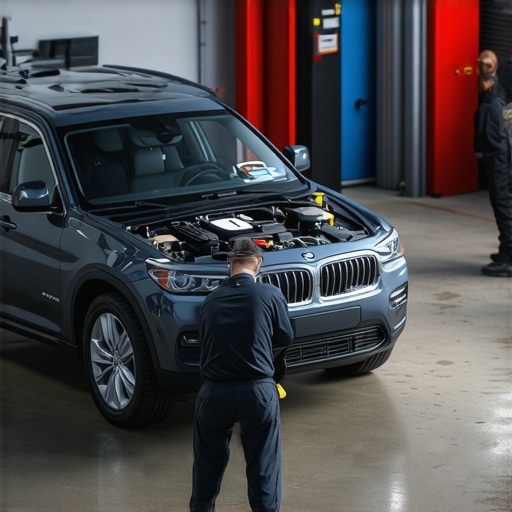
Ever been stranded because your car suddenly refused to start on a cold morning? Or maybe you ignored that strange noise under the hood, only to find out it was a sign of a bigger problem? I’ve been there, and I know how frustrating it can be. Realizing too late that basic maintenance could have prevented a costly repair was a lightbulb moment for me. It’s easy to think car care is complicated or that it can wait, but let me tell you—staying ahead of issues is simpler and cheaper than you think.
Why Staying on Top of Car Maintenance Matters More Than Ever in 2025
Cars today are more advanced than ever, packed with technology and sensitive components that demand regular attention. Neglecting routine service can lead not only to breakdowns but also to safety risks. According to a recent study by the National Highway Traffic Safety Administration, vehicle maintenance lapses are a leading cause of road accidents in the US. That’s a wake-up call for all of us who rely on our cars daily.
In my experience, the key to avoiding these headaches is understanding what your vehicle needs and when. It’s not about turning your garage into a pit stop; it’s about simple, smart habits that keep your car in peak condition. Today, I’m going to share insights I’ve gathered over the years—tips that can save you time, money, and stress. If you’ve ever faced unexpected repairs or felt unsure if your car is truly safe, stick around. The solutions I’ll discuss are practical, backed by experts, and tailored for the 2025 automotive landscape.
Is Regular Maintenance Worth the Hassle
Early on, I made the mistake of skipping oil changes and ignoring dashboard warnings. It seemed minor at the time, but those small oversights snowballed into major repairs. The truth is, regular service isn’t just about avoiding breakdowns; it’s about extending your vehicle’s lifespan and ensuring safety on every trip. To learn more about how to keep your vehicle performing optimally, check out this comprehensive guide.
Now, I want to help you dodge those costly pitfalls. Over the next sections, we’ll dive into the most important service tips for 2025, including routine checks and modern diagnostics that match the latest car technologies. Ready to become your own car’s best friend? Let’s get started!
Perform Regular Oil Changes Without Overthinking
One of the simplest yet most crucial maintenance tasks is changing your oil on schedule. When I overlooked this, my engine started to sputter after a few months. Now, I set reminders every 5,000 miles, and it’s paid off. Think of oil as the blood for your car; keeping it fresh ensures smooth operation. For detailed guidance, visit this guide.
Inspect and Replace Your Air Filter
The air filter is like your car’s lungs. After neglecting mine during a busy week, I noticed reduced fuel efficiency. Checking it is quick and easy—just pop the hood, locate the filter, and see if it’s dirty or clogged. Replacing it can improve acceleration and save you money. For tips on filter maintenance, see this article.
Monitor Tire Pressure and Tread Depth
Underinflated tires are a safety hazard and decrease fuel economy. I bought a simple tire pressure gauge and checked mine monthly. Keeping tires properly inflated is like giving your car a good grip on the road. When I found uneven tread wear, I scheduled a rotation — a quick step that extends tire life. Learn more about tire care at this resource.
Keep Your Battery in Top Shape
Batteries can die unexpectedly if not maintained. I once ignored corrosion buildup, leading to a jump-start. Regularly inspecting and cleaning terminals with a wire brush keeps the connection solid. If your battery is over three years old, consider testing it or replacing it to avoid roadside surprises. Check out this guide for more battery tips.
Perform Basic Brake Checks
Brakes are your safety net. During a routine check, I noticed squealing pads — a sign they needed replacing. To verify, I pressed the brake pedal; if it feels soft or spongy, a visit to the mechanic is in order. Worn brake pads are like a worn-out shoe — they lose effectiveness quickly. For detailed brake maintenance advice, see this article.
Schedule Professional Transmission and System Diagnostics
Modern cars have complex systems that require expert attention. I once ignored a slipping transmission until it became a major repair. Regular diagnostics can catch issues early. Experts recommend annual or biannual checks, especially if your car is under warranty. For comprehensive diagnostics and tune-up strategies, visit this resource.
Stay Consistent for Long-Term Savings
Routine maintenance might seem tedious, but it’s like watering a plant — essential for growth. I started a checklist and kept records, which helped me catch small problems early and save hundreds. The key is consistency and using trusted auto service tips. For a full overview of maintenance strategies, check this page.
Many car owners fall prey to misconceptions that can lead to costly mistakes. One widespread myth is that you only need to service your transmission when it starts acting up. In reality, proactive maintenance based on manufacturer recommendations can extend your transmission’s lifespan significantly. For example, regular fluid changes can prevent buildup and overheating, which are common causes of transmission failure. To stay ahead, check out this expert guide on transmission care.
Another misconception is that modern vehicles require less maintenance due to advanced technology. While newer cars are indeed more reliable, they are also more sensitive to neglect. Overlooking simple tasks like oil changes or brake inspections can cause more damage than you might expect. In fact, ignoring these essentials can lead to expensive repairs down the line. Learn how to keep your vehicle in top shape with these tips.
Many believe that a quick DIY fix is enough when a warning light appears. However, this can be a trap. Modern cars have complex systems that require precise diagnostics. Ignoring or misinterpreting warning lights may result in missing early signs of serious issues. For instance, a dashboard warning could indicate anything from a minor sensor glitch to a critical transmission problem. Consulting a professional with the right diagnostic tools is essential. For more insights, visit this resource.
How Can Advanced Diagnostics Prevent Major Repairs
Advanced diagnostic tools can detect problems before they escalate, saving you money and preventing breakdowns. These systems analyze data from various sensors to identify subtle issues that aren’t yet causing noticeable symptoms. Relying solely on visual inspections or waiting for symptoms to appear is a mistake. Regularly scheduled diagnostics, especially for transmission and engine systems, can catch potential failures early. Experts recommend integrating these practices into your routine. For detailed strategies, see this article.
In summary, understanding the nuances and debunking common myths about car service is crucial. Avoid the trap of complacency and embrace proactive, informed maintenance. Your vehicle’s longevity and your safety depend on it. Have you ever fallen into this trap? Let me know in the comments, and share your experiences!
Maintaining your vehicle over the years requires more than just routine inspections; it demands the right tools and a systematic approach to ensure longevity and safety. Over my years of auto repair experience, I’ve refined a set of essential tools that make managing your car’s health more efficient and less stressful. Whether you’re a DIY enthusiast or someone who wants to understand what a professional uses, these tools will set you on the right path.
Invest in a Quality OBD-II Scanner
Modern cars are equipped with complex electronic systems that communicate through diagnostic trouble codes. I personally rely on a high-quality OBD-II scanner like the BlueDriver because it offers comprehensive diagnostics, live data, and compatibility with my smartphone. This device helps me quickly identify issues such as transmission faults or sensor failures, saving time and money. With regular scans, I can catch minor problems before they escalate to costly repairs. For more in-depth insights, check out this guide.
Use a Digital Multimeter for Electrical Checks
Ensuring your battery and electrical systems are in top shape is critical. I use a digital multimeter to test voltage and resistance, which helps me verify the battery’s health, alternator output, and wiring integrity. A reliable multimeter like the Fluke 115 offers accurate readings and durability. Regular electrical diagnostics can prevent unexpected failures, especially in harsh weather conditions. For detailed procedures, visit this resource.
Keep a Set of Precision Wrenches and Socket Sets
From oil changes to brake repairs, having a complete set of wrenches and sockets makes a big difference. I prefer metric sizes and a ratchet handle with a comfortable grip. The GearWrench set I use is versatile and durable, allowing me to access tight spaces without stripping bolts. Regularly cleaning and organizing these tools prevents rust and prolongs their lifespan. This simple habit ensures I’m always ready for routine maintenance or unexpected repairs. Learn more about essential auto tools at this article.
Apply a Lubrication Gun for Precise Oil and Grease Application
Proper lubrication is key for moving parts like hinges, joints, and transmission components. I use a pneumatic lubrication gun to apply grease precisely where needed, reducing wear and preventing corrosion. This tool is especially useful in tight spots and ensures even coverage. Regular lubrication with quality products can extend the life of your transmission and other critical parts. For recommended products and techniques, see this guide.
Embrace Software for Maintenance Scheduling
Staying organized is essential. I use a software app called AutoCare that tracks maintenance intervals, service history, and recalls. It sends reminders for oil changes, fluid checks, and inspections, making it easier to stay on top of tasks. As cars become more connected, integrating vehicle data with such apps will become even more powerful, enabling predictive maintenance and reducing downtime. Experts predict that in the next few years, AI-driven diagnostics will further revolutionize how we maintain our vehicles, making proactive care more accessible.
If you’re serious about keeping your car in peak condition, start by investing in these tools and adopting a maintenance mindset. Regular diagnostics combined with proper manual checks can save you thousands in repairs and keep your vehicle reliable for years to come. Why not try out a diagnostic scan today and see what hidden issues your car might be hiding? For more advanced strategies, explore this comprehensive guide.
The Hardest Lesson I Learned About car service, transmission, auto repair, tune up, collisionfixer
- One of my biggest wake-up calls was ignoring minor warning lights. It took me a costly transmission rebuild to realize that early diagnostics and prompt attention could have saved me thousands. Now, I never ignore dashboard alerts, especially as cars become more sophisticated.
- Investing in quality tools transformed my approach. A reliable OBD-II scanner helped me catch small issues before they turned into breakdowns. That simple step, combined with regular checks, has kept my vehicle running smoothly and saved me from unexpected repairs.
- The myth that modern cars need less maintenance is just that—a myth. Advanced technology increases reliability but also demands proactive care. Staying ahead with scheduled services and expert diagnostics is the secret to longevity.
- I learned the importance of understanding my vehicle’s needs over time. Building a maintenance routine with trusted resources and tools made all the difference. It’s not just about fixing problems but preventing them altogether.
My Essential Toolkit for car service, transmission, auto repair, tune up, collisionfixer
- BlueDriver OBD-II Scanner — I trust it for comprehensive diagnostics and real-time data, helping me identify issues early and save money.
- Fluke 115 Digital Multimeter — Reliable for electrical checks, ensuring my battery and wiring are always in top shape.
- GearWrench Wrench and Socket Set — Versatile and durable, essential for routine maintenance and quick repairs.
- Pneumatic Lubrication Gun — Precise oil and grease application that extends the life of critical components.
Your Turn to Try
Taking control of your vehicle’s health through proactive maintenance and the right tools is empowering. Remember, staying ahead with simple checks and diagnostics can prevent costly breakdowns and ensure safety on every trip. Now, I challenge you to start with a basic diagnostic scan and see what hidden issues your car might be hiding. Have you ever struggled with identifying a dashboard warning or choosing the right maintenance routine? Let me know below and share your experience!