Ever been stranded on the side of the road, clutching your steering wheel and wondering what just went wrong? That sinking feeling in your stomach when your transmission starts slipping or refuses to shift properly is all too familiar for many car owners. I remember my own lightbulb moment – a sudden, jarring shift that left me questioning whether I should call a tow or try to fix it myself. It was then I realized how critical proper transmission maintenance is for reliable driving, especially as we head into 2025 where vehicle performance standards are higher than ever.
Why Staying Ahead with System Tips Matters Now
In today’s fast-evolving automotive world, neglecting your transmission repair can lead to costly repairs or even total vehicle failure. With advancements in technology, modern transmissions demand more precise and proactive care. Not taking care of this vital component means risking not just your car’s longevity, but your safety on the road. That’s why I’ve committed myself to mastering effective transmission system tips, and I want to share these insights with you so you can avoid my early mistake of ignoring routine maintenance.
Is Transmission Maintenance Overhyped or Actually Worth It?
I used to think that a quick fluid change was enough — until I learned the hard way that neglecting comprehensive diagnostics and tune-ups can worsen problems over time. Early on, I skipped regular check-ups, assuming my transmission would just ‘hold up’. Big mistake. Proper auto repair diagnostics, like those discussed in this guide, reveal issues before they become emergencies. The reality is, preventative maintenance isn’t just hype — it’s the key to keeping your vehicle running smoothly and saving money in the long run.
If you’ve ever faced a sluggish gear shift or strange noises when accelerating, you’re not alone. These symptoms are often signs that your transmission needs some expert attention. The good news? With the right strategies, you can extend the life of your transmission and avoid those dreaded breakdowns. Stay tuned, because next, I’ll walk you through the most effective techniques to keep your transmission performing at its best for peak 2025 performance.
},
Assess Your Transmission Health Regularly
Start by scheduling routine diagnostics, especially if your vehicle shows signs of slipping gears or unusual noises. Use professional auto repair diagnostics tips, like those found here, to identify issues early. During a diagnostic session, a skilled technician will connect your car to sophisticated scanners, revealing hidden problems before they escalate.
Perform a Fluid Check and Change
Think of transmission fluid as the blood of your vehicle—keeping everything lubricated and cool. I once caught a transmission slipping because I ignored fluid levels; topping up and later flushing the fluid improved my car’s shifting dramatically. Use the correct type of transmission fluid recommended by your manufacturer and replace it as part of a comprehensive tune-up. For detailed strategies, check out this guide.
Optimize Transmission System Components
Replace filters and inspect seals regularly. Over time, debris and wear can cause blockages leading to poor performance. During my last maintenance, I replaced a clogged filter that restored smooth shifting—saving me hundreds on repairs. Keep track of component wear through visual inspections and schedule replacements proactively to prevent breakdowns.
Use the Right Tools and Techniques for Repairs
When tackling minor issues, avoid guesswork. Use specialized tools and follow manufacturer guidelines. If you’re not confident, consulting top auto repair strategies like those here can guide you. Properly aligning and securing parts during repairs ensures longevity and safety.
Adopt Preventative Maintenance Habits
Create a maintenance schedule that includes fluid checks, component inspections, and professional tune-ups. This proactive approach resembles a doctor’s regular check-up—catching issues early prevents costly repairs. In my experience, sticking to these routines extended my vehicle’s lifespan significantly and kept it performing at peak levels. For a complete plan, visit this resource.
Stay Informed About New Technologies
Modern transmissions incorporate advanced electronics and sensors. Familiarize yourself with the latest features and maintenance needs. Reading up on auto repair experts’ insights, like those here, helps you understand how to handle high-tech components effectively.

Many car owners operate under a set of misconceptions that can lead to costly mistakes. A common myth is that routine oil changes and simple fluid top-ups are sufficient for transmission health. However, in my experience, neglecting comprehensive diagnostics and advanced maintenance strategies often results in premature transmission failure. Modern vehicles, especially those with electronically controlled transmissions, require more nuanced care, including regular system scans and sensor checks, to ensure optimal performance. For example, skipping diagnostics can cause you to overlook subtle issues that might escalate into major repairs.
Another trap many fall into is assuming that all transmission fluids are the same. Using the wrong type or delaying fluid changes can cause internal component wear and overheating. It’s crucial to follow the manufacturer’s specifications and adhere to a scheduled tune-up plan, especially as vehicles become more sophisticated in 2025.
**What sophisticated car owners should ask:** How do electronic sensors and software updates influence transmission maintenance and diagnostics? Recent studies suggest that integrating sensor data analysis can predict failures before they happen, saving money and extending vehicle lifespan. For instance, a professional tune-up now involves software diagnostics that interpret sensor readings, enabling targeted repairs rather than guesswork.
Have you ever fallen into this trap? Let me know in the comments. Remember, staying informed and proactive about your vehicle’s needs is the best way to avoid costly breakdowns and keep your car performing at its peak in 2025 and beyond.
Investing in the Right Equipment for Auto Repair
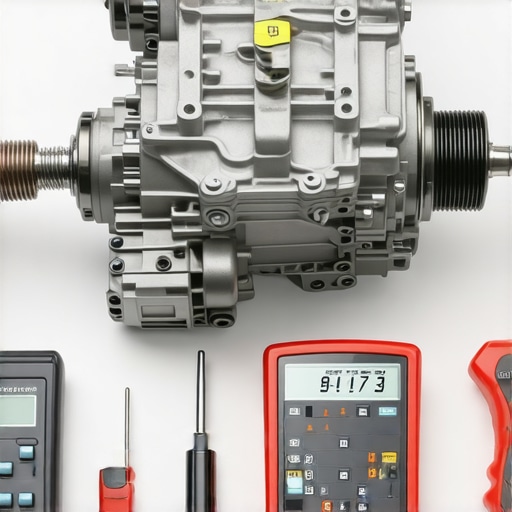
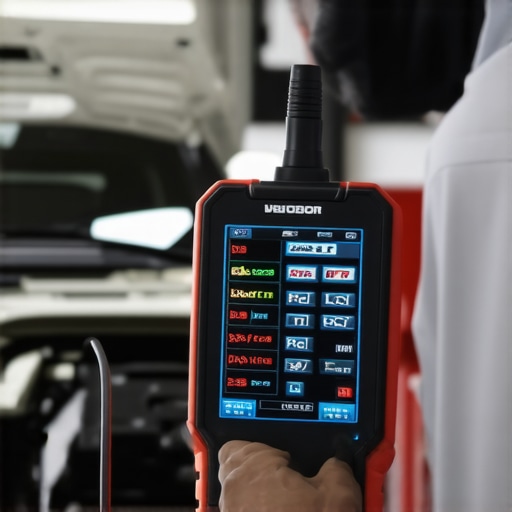
When it comes to maintaining your vehicle’s transmission, having the right tools makes all the difference. I personally swear by a high-quality scan tool like the Autel MaxiSys MS909. This device allows me to perform comprehensive diagnostics, including reading transmission-specific error codes, monitoring live sensor data, and even updating software. Unlike generic scanners, the MaxiSys provides in-depth insights that help me identify subtle issues before they turn into costly repairs. As technology advances, the trend is moving towards more integrated diagnostic tools that combine hardware and software for real-time analysis, which I believe will become standard in auto repair shops by 2025. For DIY enthusiasts, investing in a reliable scanner like this is a game-changer, especially when combined with detailed guides on diagnostics tips.
Why Use Specialized Software for System Monitoring
Beyond hardware, software solutions like OBDLink MX+ or GarageMate apps enable me to connect my diagnostic tools directly to my smartphone or tablet. These apps offer user-friendly interfaces for monitoring transmission parameters, logging data, and even receiving alerts if something abnormal occurs. I’ve found that regularly reviewing this data helps me catch issues early, saving time and money. Future developments suggest that AI-powered diagnostic platforms will analyze sensor data in real time, predicting failures before they happen. This proactive approach is vital for maintaining peak transmission performance as vehicles become increasingly software-driven.
Keeping Your Tools Up to Date and Calibrated
To ensure accuracy, I prioritize calibrating my diagnostic tools regularly according to manufacturer specifications. This step prevents misdiagnoses and ensures reliable data. Manufacturers often release firmware updates—installing these updates is crucial, as they improve compatibility with newer vehicle models and enhance diagnostic capabilities. For example, I routinely check for updates from professional sources to stay ahead of the curve. As we move into 2025, the integration of cloud-based diagnostics will likely make calibration and updates more seamless, allowing technicians and car owners alike to maintain systems remotely.
How do I Maintain My Diagnostic Equipment Over Time?
Proper maintenance of your diagnostic tools involves keeping hardware clean, protecting it from static and moisture, and updating software regularly. I also recommend storing devices in padded cases and avoiding exposure to extreme temperatures. Consistent calibration and firmware updates ensure your tools provide accurate readings over years of use, extending their lifespan and reliability. Investing in quality tools and maintaining them properly can significantly enhance your auto repair capabilities, especially with complex systems like transmissions that demand precision. It’s also worth noting that many modern tools now include features such as wireless connectivity and cloud synchronization, which make diagnostics more efficient and future-proof. As the automotive industry shifts toward smarter systems, your toolkit should evolve accordingly. For more detailed recommendations, I suggest exploring resources like these expert tips.
< >
>
In my journey of car maintenance, I’ve learned that embracing advanced tools and staying informed about new technologies not only helps me troubleshoot more effectively but also extends the lifespan of my vehicle’s transmission. For those serious about keeping their cars in top shape, trying out a professional-grade diagnostic scanner combined with monitoring software can be transformative. I encourage you to explore these options and incorporate regular calibration into your maintenance routine—your transmission will thank you in the long run.
The Hardest Lesson I Learned About Car Service and Transmission Maintenance
- Early on, I believed that regular oil changes were enough, but overlooking system diagnostics led me to costly repairs. The lightbulb moment came when my transmission suddenly failed, and I realized that comprehensive diagnostics are essential for early problem detection.
- Replacing filters and inspecting seals regularly saved me from unexpected breakdowns. I learned that proactive component care prevents debris buildup and internal wear, extending my vehicle’s lifespan significantly.
- Investing in high-quality diagnostic tools like the Autel MaxiSys MS909 transformed my approach. The ability to monitor sensor data and update software in real time means I catch issues before they escalate, saving money and time.
Gear Up with My Trusted Tools for Transmission Maintenance
- Autel MaxiSys MS909: This advanced scanner provides in-depth diagnostics and system updates, essential for modern transmissions with electronic controls.
- OBDLink MX+: My go-to app for real-time sensor monitoring on my smartphone, helping me stay on top of transmission health.
- Manufacturer Firmware Updates: Regularly updating my diagnostic tools ensures compatibility with new vehicle models, especially as 2025 sees more integrated digital systems.
- Calibration and Maintenance Routines: Consistent calibration of tools guarantees accurate readings, making my diagnostics reliable over years of use.
Take Charge of Your Transmission’s Future Today
Don’t wait for warning signs to start caring for your vehicle’s transmission. Embrace proactive maintenance, invest in the right tools, and stay informed about emerging technologies. Your car’s performance in 2025 depends on the actions you take now—so why not start today? If you’ve faced challenges or have tips to share, I’d love to hear your experiences below. Keep your transmission in top shape and enjoy a smoother ride into the future!