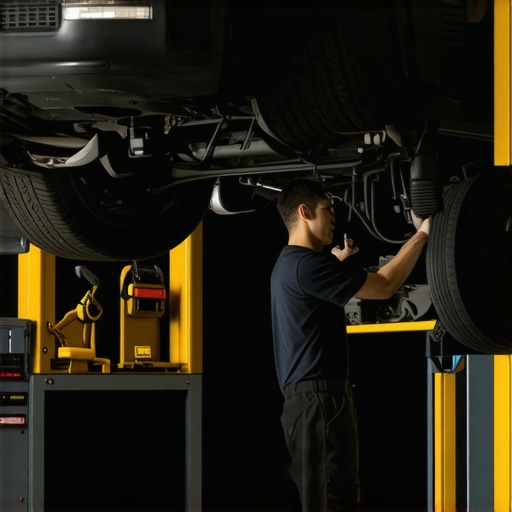
Ever been stuck in traffic, feeling your car shift uncomfortably, or worse, breaking down when you least expect it? I’ve been there. One morning, my transmission started acting up during a crucial trip, and I realized I’d neglected some key tune-up strategies that could have prevented that hassle. That lightbulb moment made me rethink how important expert-level transmission and tune-up strategies are—especially as cars become more advanced and demanding in 2025.
Why Proper Transmission Care Is More Critical Than Ever
Today’s vehicles are packed with sophisticated technology, making maintenance more complex but also more vital. A well-maintained transmission not only ensures smooth shifting but also extends your vehicle’s lifespan and saves you money in the long run. According to a recent study, neglecting transmission health can lead to costly repairs—sometimes exceeding thousands of dollars. That’s why I’m dedicated to sharing what I’ve learned about expert strategies that keep your car performing at its best, no matter how much you drive.
Have You Faced This Problem Before?
If you’ve ever experienced delayed shifting, strange noises, or slipping gears, you know how frustrating — and dangerous — it can be. These issues are often signs that your transmission needs attention, but many drivers dismiss them until it’s too late. Early detection and proper tune-up strategies can prevent a minor issue from turning into a major repair. Want to avoid that stress? Stick around. We’ll dive into proven methods that keep your vehicle running smoothly and reliably in 2025.
Now, let’s get into the nitty-gritty of what works best. From diagnosing early warning signs to expert maintenance techniques, I’ll guide you step-by-step through the strategies that have saved me—and countless others—from costly breakdowns. Ready to boost your car’s performance? Let’s go.
Diagnose Early Warning Signs Without Delay
Remember the time I ignored a strange noise during a routine drive? It turned out to be a slipping gear, which could have been caught early with simple diagnostics. Regularly check your transmission fluid level and quality—think of it as checking your blood pressure. If the fluid is dark or smells burnt, it’s time for a flush. Use a reliable scanner or visit a professional mechanic for a comprehensive diagnosis, especially if you notice delayed shifting or unusual noises. The earlier you catch these symptoms, the easier and cheaper the fix.
Perform Precise Fluid Changes and Filter Replacements
Changing transmission fluid might seem basic, but doing it correctly is crucial. I once followed a step-by-step guide from collisionfixer.com and replaced my fluid using the manufacturer’s recommended type. I drained the old fluid, replaced the filter, and refilled with fresh fluid. This process is akin to replacing engine oil—vital for smooth operation. Regular fluid changes prevent overheating and ensure proper lubrication, especially in 2025’s more sophisticated transmissions.
Use Expert-Approved Software and Hardware Tools
Invest in quality diagnostic tools—think of them as your car’s health monitor. I borrowed an advanced scanner that communicates directly with my vehicle’s computer, revealing hidden issues. For a more professional approach, consider scheduling a visit to a specialist who can run expert transmission diagnostics. These tools can identify micro issues before they escalate, saving you money and extending your transmission’s lifespan.
Apply Precise Tuning Adjustments
Transmission tuning isn’t just about software updates; it’s about fine-tuning shift points and pressure controls. I used a tuning kit that allowed me to adjust shift timing for better responsiveness. Think of it like tuning a musical instrument—small tweaks make a big difference. Carefully follow manufacturer guidelines or consult a professional to avoid over- or under-adjusting. Proper tuning in 2025 ensures your transmission shifts seamlessly, enhancing overall driving experience.
Schedule Regular Maintenance Checks
Don’t wait for trouble to knock—schedule routine inspections. In my case, I set quarterly reviews with a trusted mechanic who specializes in modern transmissions. They check fluid levels, inspect for leaks, and test system pressures. Regular maintenance acts like a health checkup—catching issues early and preventing costly repairs. For ongoing support, look into professional transmission maintenance services tailored for 2025 vehicles.
Keep Detailed Records of All Maintenance Activities
I started maintaining a logbook detailing every fluid change, repair, and update. This habit helped me track the health of my transmission over time and plan future tune-ups more effectively. Think of it as a health journal for your car. Staying organized ensures you never miss critical maintenance windows, especially as vehicles become more complex and tech-dependent.
Utilize Quality Parts and Genuine Fluids
Always opt for OEM (Original Equipment Manufacturer) parts and fluids. I found that using generic substitutes sometimes led to inconsistent shifts and early wear. Trusting genuine components and fluids is like choosing high-quality supplements—better performance and longevity. For the latest recommendations, review collisionfixer.com offers insights into the best auto repair strategies for 2025.
Partner With Certified Professionals
While DIY can be rewarding, complex transmission issues demand expert hands. I once attempted a repair myself but ended up needing professional help. Certified mechanics have access to advanced tools and training, ensuring your transmission gets the precise care it needs. Investing in professional services is like hiring a specialist for your health—costly but necessary for long-term performance.
Mastering these expert strategies will keep your vehicle’s transmission running smoothly in 2025 and beyond. Consistent, precise care is your best defense against costly breakdowns and performance dips.
Many drivers operate under misconceptions that can seriously hinder their vehicle’s performance and longevity. One prevalent myth is that waiting for warning signs like strange noises or delayed shifting is sufficient before taking action. In reality, by the time these symptoms become noticeable, minor issues often have already escalated into costly repairs. Regular diagnostics and proactive maintenance, such as advanced transmission diagnostics help catch micro-problems early, saving you money and stress.
Another widespread mistake is assuming that transmission fluid changes are only necessary when problems appear. This misconception can be costly, especially with 2025 vehicles that demand precise fluid types and change intervals. Many believe that synthetic fluids last forever, but in my experience, following the manufacturer’s recommended schedule is crucial. Regular fluid exchanges prevent overheating, reduce wear, and maintain optimal shifting performance.
Advanced car owners often overlook the importance of using genuine parts and professional tools. A common trap is opting for cheaper, non-OEM components which can lead to uneven shifts and faster wear. Trusting genuine fluids and parts is an investment in your vehicle’s future. Additionally, many think that DIY repairs are sufficient for complex issues, but modern transmissions require specialized diagnostic equipment and expertise. Engaging certified professionals ensures precision and safety, especially when applying sophisticated tuning adjustments.
What advanced drivers should know about diagnosing issues early
For those who want to go beyond basic maintenance, understanding micro-signals like subtle shifts or slight changes in engine response is key. Using advanced diagnostic tools allows you to identify potential problems before they manifest as major failures. This proactive approach not only extends your transmission’s life but also enhances overall vehicle efficiency.
In my experience, breaking free from these myths involves staying informed and adopting a preventative mindset. Regularly scheduling professional check-ups, keeping detailed maintenance logs, and partnering with experts are crucial steps. Have you ever fallen into this trap? Let me know in the comments.
Maintaining your vehicle’s transmission over time requires more than just routine fluid changes; it involves using advanced diagnostic tools and adopting precise maintenance strategies. In my personal experience, investing in high-quality equipment has made a significant difference in catching micro-issues before they escalate into costly repairs. One tool I highly recommend is the OBD-II scanner, which allows real-time monitoring of transmission parameters and early detection of anomalies. I personally use the TOP Auto Repair Diagnostics kit for its reliability and ease of use, which has helped me identify potential problems during routine checks, saving time and money.
For software, I rely on specialized transmission management applications that connect with my scanner. These programs provide detailed insights and allow me to fine-tune shift points and pressure controls, similar to what professional mechanics do. Regularly updating this software ensures compatibility with the latest vehicle models, especially in 2025 where transmissions are becoming increasingly complex. Looking ahead, I believe that AI-driven diagnostic platforms will become mainstream, offering even smarter insights and predictive maintenance suggestions, making vehicle care more proactive than ever.
When it comes to physical tools, I recommend keeping a high-quality fluid extraction pump and gasket replacement kit handy. Proper fluid evacuation and re-filling ensure your transmission operates at peak efficiency, preventing overheating and wear. I personally favor the effective transmission tune-up strategies outlined by experts, which emphasize the importance of using OEM fluids and precise refill quantities. Additionally, regular inspections with a digital pressure gauge help verify system pressures, ensuring your transmission maintains optimal operation.
How do I maintain my transmission over time? The key lies in a combination of routine diagnostics, using the right tools, and staying informed about the latest advancements. Scheduling semi-annual professional checkups, even if no issues arise, can help detect micro-problems early. Keeping a detailed log of all maintenance activities, including fluid changes and software updates, further prolongs transmission health. Remember, as technology evolves, so should your maintenance approach—embrace new tools and techniques to stay ahead of potential issues.
To get started, I suggest trying out an advanced diagnostic scanner and software combo. This approach has transformed my maintenance routine and can do the same for you. By integrating these tools into your regular care, you’ll ensure your vehicle remains reliable and efficient well into 2025 and beyond. For more detailed strategies, check out expert transmission repair strategies that are tailored for modern vehicles and evolving technology.
The Hardest Lesson I Learned About Transmission Maintenance
One of my biggest realizations was that ignoring micro-signals like subtle shifts or slight engine response changes can cost you dearly. I once missed a tiny change in shifting pattern, thinking it was nothing, only to find out later that it was a warning sign of deeper issues. Paying attention to these small details has saved me from costly repairs and kept my vehicle running smoothly.
My Essential Toolkit for Transmission Care in 2025
I rely on a high-quality OBD-II scanner for real-time diagnostics and a reliable software to fine-tune shift points. These tools have revolutionized my maintenance routine, allowing me to catch micro-issues early and optimize transmission performance. Trusting genuine parts and scheduling regular professional checkups further prolongs my transmission’s lifespan.
Your Next Move to Keep Your Transmission Healthy
Take action now! Incorporate advanced diagnostics, stick to manufacturer-recommended fluid changes, and partner with certified mechanics. These steps will help you avoid breakdowns and ensure your car performs at its peak in 2025. Are you ready to implement these expert strategies? Share your experiences or questions below, and let’s keep our vehicles running smoothly together!
Emily Carter
Reading this post really hit home for me. I had a similar experience where ignoring minor transmission issues turned into a costly repair later on. It’s incredible how much proactive maintenance and early diagnostics can save money in the long run, especially with modern vehicles that are so tech-dependent. I’ve started using an OBD-II scanner regularly, and it’s been a game-changer in catching micro-issues early, saving me from major breakdowns. What’s everyone’s take on DIY diagnostics versus professional checks—do you think the convenience outweighs the risk of missing subtle symptoms? Personally, I prefer a mix of both, but I’d love to hear other strategies you all are using to stay ahead of transmission problems in 2025.