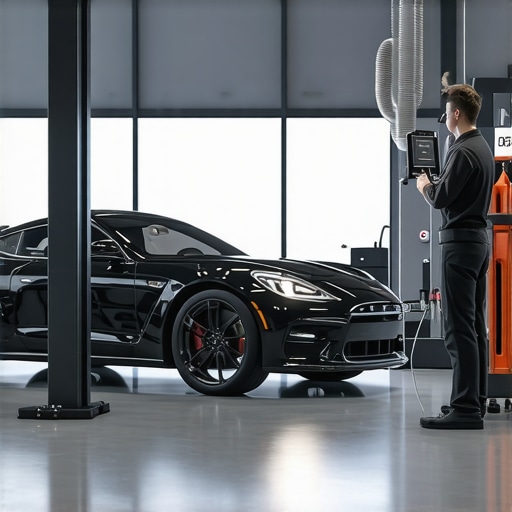
Ever had that sinking feeling when your car sputters or stalls unexpectedly during a busy morning? I remember the first time my vehicle started acting up without warning. It was frustrating, nerve-wracking, and honestly, it made me question whether I should just buy a new car. But here’s the thing: I learned that many auto issues are preventable with the right diagnostics and maintenance strategies. That light bulb moment changed everything for me, and today I want to share how you can keep your vehicle running smoothly well into 2025 and beyond.
Why Vehicle Diagnostics Matter More Than Ever
In 2025, cars are smarter, more connected, and packed with advanced technology. But that also means they can be more complex to diagnose and repair. A small issue today can snowball into a costly repair tomorrow if ignored. I’ve made the mistake early on of assuming that a strange noise or dashboard warning would fix itself. Spoiler alert: it almost never does. Proper diagnostics not only save money but also extend your vehicle’s lifespan and keep you safe on the road.
Are Diagnostics Really Worth the Hype
Honestly, I was skeptical at first. I thought, “Is all this tech just a fancy way to charge me more?” Turns out, skipping proper diagnostics can lead to bigger problems down the line. For example, overlooking a small transmission slip can cause serious damage if not caught early. I learned this the hard way—by ignoring a minor warning and ending up with a hefty repair bill. Now, I make sure to use trustworthy diagnostic tools and follow expert tips, like those you can find at Collision Fixer’s diagnostic guide. It’s saved me hundreds, if not thousands, over the years.
So, today, I promise to show you how to avoid those costly mistakes. We’ll cover essential diagnostic strategies, simple maintenance checks, and the best practices to keep your vehicle performing at its peak in 2025. Whether you own a new electric model or a classic gas-powered car, these tips will help you stay ahead of potential issues and maximize your vehicle’s longevity.
Prioritize Regular Diagnostic Checks
Start by establishing a routine for diagnostic scans, ideally every 3 to 6 months. Use an OBD-II scanner to identify hidden issues before they escalate. I remember a time when I ignored a dashboard warning for weeks; eventually, it led to a costly transmission repair. Regular scans are like a health check-up for your car, catching problems early and saving money. For comprehensive guidance, check out Collision Fixer’s diagnostic tips.
Learn to Interpret Diagnostic Codes Effectively
Understanding the codes your vehicle throws is crucial. When my check engine light came on, I broke out my scanner and looked up the codes. Instead of panic, I found that a loose gas cap was the culprit—a simple fix. Use online resources or professional advice to decode error messages accurately. This approach prevents unnecessary repairs and directs you to the real problem quickly. Remember, ignoring codes can lead to bigger issues, especially with complex systems like the transmission. For detailed code interpretation, explore expert diagnostic strategies.
Execute Preventive Maintenance Like a Pro
Think of your vehicle as a garden; regular watering and pruning keep it healthy. Replace fluids at recommended intervals, check belts and hoses for wear, and keep filters clean. I once caught a failing alternator early because I followed my maintenance schedule strictly, avoiding a roadside breakdown. Use a checklist tailored for 2025 vehicles, which now include smart sensor alerts for tire pressure, brake health, and more. For specific maintenance routines, visit top maintenance tips.
Utilize Advanced Diagnostic Tools for Better Results
Modern vehicles are like smartphones—packed with sensors that can tell you exactly what’s wrong. Invest in quality diagnostic tools compatible with your car’s technology. I borrowed a professional scanner from a local shop for a weekend, and it revealed a subtle transmission imbalance that my basic scanner missed. This insight allowed me to schedule repairs proactively, avoiding a breakdown. For recommended tools and tech insights, see top diagnostic tools.
Partner with Trusted Repair Professionals
While DIY diagnostics are empowering, some issues demand expert intervention. Build a relationship with reputable mechanics who stay updated with 2025 tech advancements. When my transmission started slipping, I trusted a specialist who used advanced diagnostics, preventing further damage. Regularly reviewing reviews and certifications helps ensure quality service. For trusted repair strategies, consult reliable repair tips.
When it comes to maintaining your vehicle, many drivers operate under misconceptions that can lead to costly mistakes. Let’s dig deeper into some of the most prevalent myths about vehicle diagnostics and reveal the hidden nuances that can make a real difference in your car’s performance and longevity.
Why Relying Solely on Dashboard Warning Lights Can Be a Trap
Everyone knows that dashboard warning lights are alerts, but many believe that once the light turns off, the problem disappears. In reality, certain issues might temporarily resolve or be masked by sensor glitches, but underlying problems can persist, causing damage over time. For example, a check engine light might be triggered by a minor sensor malfunction, but ignoring it without proper diagnostics can lead to serious damage, especially in complex systems like transmissions. The key is to use advanced diagnostic tools regularly, rather than waiting for the dashboard to flash a warning. For comprehensive insights, check out effective car service strategies.
Advanced Diagnostics Are Only for Troubleshooters
Many assume that sophisticated diagnostic tools are only necessary when something is visibly wrong. However, the smart approach involves proactive diagnostics to catch minor issues before they escalate. For instance, advanced diagnostic systems can detect subtle transmission slippages or sensor deviations that might not trigger a warning light but can affect performance and safety. Regularly leveraging these tools, especially for complex systems like the transmission, can prevent breakdowns and save you big money. For expert tips, explore transmission repair insights.
Myth: All Diagnostic Codes Are Equal
This is a common misconception. Not all diagnostic trouble codes (DTCs) point to the same severity or solution. Some codes indicate minor issues, like a loose gas cap, while others signal critical failures that require immediate attention. Interpreting these codes accurately is essential; misreading a code can lead to unnecessary repairs or overlooked problems. Use trusted resources or consult professionals to decode codes correctly, especially as vehicle technology becomes more advanced in 2025. For detailed guidance, see auto diagnostics tips.
Have you ever fallen into this trap? Let me know in the comments. Remember, the real secret lies in understanding the nuances behind these diagnostic tools and codes to keep your vehicle in top shape without overspending. Mastering these advanced strategies is what separates an average driver from a true car care expert, especially as vehicles become more complex and connected in 2025.
Keeping your vehicle in top shape over the years requires more than just basic maintenance; it demands the right tools and a strategic approach to diagnostics. In 2025, the evolution of automotive technology makes it crucial to invest in advanced diagnostic equipment and adopt proven methods to ensure your car remains reliable and safe.
Why I Rely on Specific Diagnostic Equipment
Personally, I swear by the Autel MaxiCOM MK808. This handheld scanner offers comprehensive coverage for most vehicles manufactured after 2010, making it a versatile choice for everyday drivers and enthusiasts alike. Its ability to perform bi-directional tests allows me to actively engage with my car’s systems, such as testing fuel injectors or emission controls, which is invaluable for preventative maintenance.
Another essential tool I use regularly is the BlueDriver Bluetooth Professional OBD2 Scanner. Its seamless connection to my smartphone app transforms my phone into a diagnostic hub. The app provides clear explanations of trouble codes and suggests specific repair steps, saving me time and money. I appreciate how this tool helps me interpret complex codes accurately, avoiding unnecessary repairs or overlooking critical issues.
Software and Maintenance Tracking
Beyond hardware tools, I leverage automotive maintenance software like the AutoEnginuity ScanTool. This software allows me to log every diagnostic scan, track maintenance schedules, and receive alerts for upcoming service intervals. Staying organized is key to long-term vehicle health, especially as cars become more complex with integrated sensors and electronic systems.
Looking ahead, I predict that diagnostics will continue to evolve with AI-driven analysis and cloud connectivity, enabling even more precise and predictive maintenance. Investing now in quality tools not only extends your vehicle’s lifespan but also prepares you for the tech-driven future of auto care.
How do I maintain diagnostic accuracy over time?
Regular calibration of your diagnostic tools is essential. As software updates are released, ensure your scanners and apps are up-to-date to access the latest vehicle protocols and error code definitions. Additionally, familiarizing yourself with your car’s specific systems through manufacturer manuals or online tutorials can improve your diagnostic precision. Remember, a proactive approach—using tools like the recommended diagnostic tips—can save you from costly repairs and breakdowns in the future.
Try incorporating a bi-annual comprehensive diagnostic scan into your maintenance routine. It’s a small investment that pays off by catching issues early and ensuring your vehicle continues to perform reliably for years to come.
The Hardest Lesson I Learned About Car Diagnostics
One of my biggest surprises was realizing that relying solely on dashboard warning lights is a trap. They’re helpful but not comprehensive. I once ignored a blinking check engine light, thinking it was just a sensor glitch. Weeks later, I faced a costly transmission overhaul. That moment taught me the importance of regular diagnostics and not waiting for a warning to act.
What I Wish I Knew Before Investing in Tech
Initially, I thought high-end diagnostic tools were only for professionals. Turns out, investing in user-friendly scanners like the BlueDriver Bluetooth OBD2 Scanner changed my approach to maintenance. These tools help me interpret trouble codes accurately, preventing unnecessary repairs and catching issues early. Trusting well-reviewed tools has been a game-changer for my vehicle’s longevity.
Why I Stopped Guessing and Started Diagnosing
My biggest lightbulb moment was understanding that proactive diagnostics can prevent breakdowns. Regularly performing scans with tools like the Autel MaxiCOM MK808 allows me to spot minor issues before they escalate. This approach saved me from roadside emergencies and thousands in repairs, proving that diagnostics are an investment, not a cost.
Curated Recommendations for Smart Car Care
- Collision Fixer’s Diagnostic Tips: Offers expert advice on choosing the right tools and interpreting codes. I’ve found their guides invaluable for making informed decisions.
- AutoEnginuity Software: This maintenance software helps me log scans and track service schedules, keeping my vehicle in top shape.
- Trusted Repair Shops: Building relationships with reputable mechanics ensures professional diagnostics and repairs when needed. Their use of advanced tech complements my DIY efforts.
Take Control and Keep Your Vehicle in Peak Shape
Now it’s your turn. Embrace the power of diagnostics, stay proactive, and don’t let small issues turn into costly repairs. Your vehicle’s health depends on your actions today. Have you ever ignored a warning light and regretted it? Share your story below, and let’s learn from each other’s experiences in keeping cars safe and reliable in 2025 and beyond.


James Mitchell
Reading this post really resonated with my own experience. I used to ignore those dashboard warning lights, thinking they were just minor glitches. But after a costly transmission overhaul, I realized how critical it is to use diagnostic tools proactively. Now, I regularly scan my car even without warning lights and have avoided major issues altogether. One thing I’ve learned is that investing in a good scanner, like the BlueDriver, has paid off. It’s such a relief to interpret error codes myself and act early. This proactive approach has saved me hundreds in repairs. Curious to hear, how do others prioritize diagnostics with a busy schedule? Do you perform routine scans or wait for trouble signs? I believe that making diagnostics a regular part of maintenance really extends vehicle longevity, especially as cars become more connected and sophisticated in 2025.
Sarah Bennett
I’ve often thought about how much proactive diagnostics can actually save in the long run. Like many, I used to wait for that dashboard warning before I took any action, but experience has taught me that early detection is key. I recently upgraded to a Bluetooth scanner that syncs with my phone, which makes it so much easier to perform quick scans during routine maintenance. It’s impressive how even minor issues, like a sensor anomaly, can be caught early, saving me from costly repairs later. I wonder, with the rise of AI and predictive analysis in automotive diagnostics, do you think that in the next few years, cars might be able to perform self-diagnostics and notify owners directly? It would be a game-changer for busy drivers seeking to avoid breakdowns without extra effort. Ultimately, I believe that integrating advanced diagnostic tools into regular maintenance scheduling can keep our vehicles running smoothly for much longer while reducing unexpected outages.