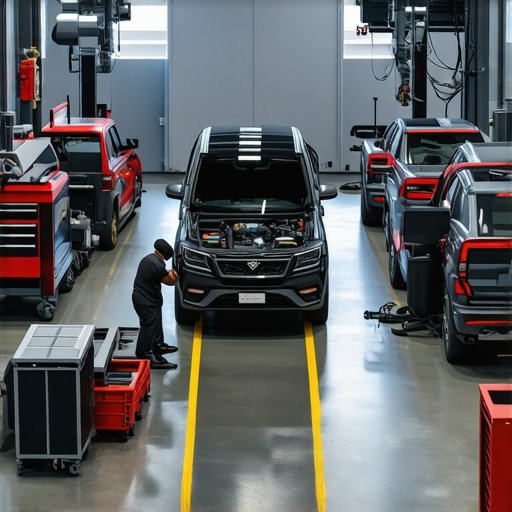
Ever been stranded on the side of the road, frustration boiling inside because your transmission decided to give out at the worst possible moment? I’ve been there. One minute, everything’s fine; the next, I’m calling a tow truck, wishing I’d paid more attention to my car’s warning signs. That light bulb moment hit me hard: transmission issues aren’t just inconvenient—they can seriously damage your wallet if neglected. But here’s the good news: with the right knowledge and proactive maintenance, you can dodge those costly repairs altogether.
Why Transmission Care Matters More Than Ever in 2025
In 2025, vehicle technology keeps evolving, and so do the complexities of maintaining them. Modern transmissions are smarter, more efficient, but also more sensitive to neglect. According to industry experts, early intervention can extend your transmission’s lifespan significantly. Neglecting basic maintenance can lead to more severe problems down the road, like complete transmission failure, which can cost thousands in repairs. This is why understanding top tips for transmission care isn’t just for mechanics—it’s for every driver who wants to keep their car reliable and safe.
When I first ignored my transmission’s subtle signals—rough shifting, slipping gears—I learned the hard way. A mistake I made early on was assuming that transmission fluid changes were optional. Turns out, skipping those simple services can accelerate wear and tear. Trust me, those small steps make a huge difference. If you want to avoid my mistake and keep your vehicle performing at its best, you’ll want to pay close attention to expert strategies for transmission tune-ups and regular inspections. For a comprehensive approach, check out these expert strategies for peak performance.
Is Transmission Repair Actually Worth the Hype
Many drivers worry that keeping up with transmission maintenance is just an unnecessary expense. I get it. I used to think the same until I faced a costly repair that could have been avoided. The truth is, proper maintenance can save you hundreds—sometimes thousands—by preventing major breakdowns. Plus, a well-maintained transmission improves overall vehicle performance and fuel efficiency. So, if you’ve ever wondered whether routine tune-ups are worth it, I’ll tell you from experience: they absolutely are. Don’t fall into the trap of neglecting your car’s health because it’s easier now. Regular check-ups and timely repairs, like those outlined in diagnostics tips, keep your car running smoothly for years to come.
So, have you faced transmission troubles that sneak up on you? Or are you diligent about maintenance? Either way, this post will arm you with practical, proven tips to keep your vehicle in top shape—because nobody wants to be that person stranded with a broken car. Let’s dive into the essential strategies that will make 2025 your safest, most reliable year on the road.
,
Perform Regular Transmission Fluid Checks
Start with the basics by checking your transmission fluid monthly. Think of it as watering a plant; without enough fluid, the system dries out and breaks down. To do this, locate the transmission dipstick—usually near the engine—pull it out, wipe it clean, reinsert, then check the level. If it’s low, top it up with manufacturer-recommended fluid. Skipping this step can lead to overheating and accelerated wear, which is why consistent checks are your first line of defense.
Implement Proactive Maintenance Scheduling
Set up a maintenance schedule based on your vehicle’s manual, typically every 30,000 to 60,000 miles. Use reminders or apps to keep track. When I first started following this, I noticed my transmission shifting smoother and avoiding sudden jerks. Think of it as scheduling regular health check-ups—preventive rather than reactive. For detailed strategies, review these expert strategies.
Prioritize Professional Inspections
Even if you’re diligent, occasional professional inspections catch issues early. A mechanic can perform a diagnostic scan or a detailed inspection of transmission components. I once took my car for a quick inspection after noticing minor slipping; the mechanic found a small leak and fixed it before it caused major damage. Think of this as visiting a doctor for a check-up—you catch problems early to save money and time. For optimal results, explore diagnostics tips.
Use the Right Transmission Fluid
Not all fluids are created equal. Always use the manufacturer-recommended transmission fluid to ensure compatibility and optimal performance. When I accidentally used the wrong type during a DIY top-up, it caused shifting issues and almost led to a costly repair. Think of it as choosing the right fuel for your engine—using the wrong one can cause damage. For guidance, see best tune-up strategies.
Address Transmission Issues Immediately
Don’t ignore signs like delayed engagement, slipping gears, or strange noises. Address them promptly by visiting a trusted mechanic. I once ignored a minor delay in shifting, which turned into a complete transmission failure within months. It’s like ignoring a small cavity—eventually, it leads to root canals. Acting quickly can save thousands. Learn more from auto repair tips.
Stay Informed on New Transmission Technologies
2025 vehicles incorporate smarter, more sensitive transmission systems. Keep up with industry news and updates from trusted sources. I subscribed to a newsletter, and it helped me understand how to better care for my hybrid’s transmission. Think of this as staying updated on new health trends—your car benefits from cutting-edge knowledge. For insights, visit auto repair tips.
Many drivers operate under misconceptions about how to properly care for their vehicle’s transmission, often leading to costly mistakes. Let’s dig deeper into this topic and clarify some widespread myths that could be sabotaging your car’s health.
Why Most People Overlook the Nuances of Transmission Care
One common misunderstanding is the belief that transmission fluid lasts forever or doesn’t need regular checks. In reality, transmission fluid degrades over time, accumulating debris and losing its lubricating properties. This can cause overheating and increased wear, ultimately leading to failure. According to industry experts, routine checks and timely fluid changes are essential, especially with modern vehicles incorporating sophisticated transmission systems. For detailed strategies, review these expert strategies.
Are Transmission Flushes Always Necessary or Overhyped?
Many believe that a transmission flush is a quick fix for transmission problems, but this isn’t always true. In fact, an improper flush can dislodge debris that ends up clogging delicate components or seals. The key is understanding your vehicle’s specific needs—sometimes a simple fluid change suffices, but in other cases, a professional diagnostic can determine whether a full flush is appropriate. Always consult a trusted mechanic or refer to auto repair tips to make informed decisions.
Beware the Trick of Ignoring Minor Symptoms
Another trap is dismissing small transmission issues like delayed engagement or slipping gears. Many drivers assume these are just minor annoyances rather than signs of impending failure. However, ignoring these symptoms often results in more severe damage, requiring costly repairs or even complete replacement. Proactive maintenance and early diagnostics can save hundreds or thousands of dollars. For insights on early signs, explore repair strategies.
Why the Latest Transmission Technologies Require a Different Approach
In recent years, vehicles have adopted smarter, electronically controlled transmissions that demand tailored maintenance routines. Many drivers underestimate the importance of software updates and sensor calibrations, which are critical for optimal performance. Simply following old-school maintenance schedules without considering technological advancements can lead to overlooked issues. Keeping abreast of industry updates and consulting reliable sources like diagnostics tips ensures your maintenance approach stays current.
Have you ever fallen into this trap? Let me know in the comments. Staying informed and cautious can make all the difference between a smooth ride and a costly breakdown. Remember, a little knowledge goes a long way in vehicle maintenance!
Choosing the Right Equipment for Long-Term Maintenance
Maintaining your vehicle’s transmission over time requires more than just knowledge—it demands the right tools. Personally, I rely on a high-quality digital transmission fluid tester because it provides precise readings of fluid condition and temperature, helping me identify potential issues before they escalate. Unlike traditional dipsticks, digital testers can give instant feedback, saving time and ensuring accuracy. For those who prefer manual checks, a magnetic drain plug is invaluable for catching metal shavings early, preventing internal damage. Investing in these tools has paid off by reducing emergency repairs and extending my transmission’s lifespan.
Leveraging Software for Diagnostics and Maintenance
As vehicle technology advances, diagnostic software has become essential. I personally use the OBD-II scanner compatible with my smartphone, which allows me to perform quick diagnostics during routine checks. This software not only reads error codes but also offers real-time data on transmission performance, helping me monitor trends over time. In the future, I predict that AI-powered diagnostic tools will become more integrated, offering predictive maintenance alerts and personalized care recommendations, making vehicle upkeep even more straightforward.
Implementing Routine Maintenance with Precision
For ongoing maintenance, I recommend scheduling fluid changes and inspections based on the manufacturer’s intervals, but with a twist—use diagnostic data to fine-tune timing. For instance, if the software detects early signs of fluid degradation, I proactively replace the fluid, even if it’s ahead of schedule. This approach aligns with expert strategies for peak performance. Regularly inspecting seals, filters, and cooling systems ensures the transmission remains in top shape, preventing costly failures down the line.
How do I maintain my transmission over time?
Consistency is key. I set reminders for fluid checks and updates, and I use the diagnostic software to track performance. When I notice any irregularities, I consult with professional mechanics who utilize advanced diagnostic tools to evaluate the system comprehensively. This proactive approach, combined with quality tools, guarantees I catch problems early and keep my transmission running smoothly for years to come.
If you’re serious about long-term vehicle health, I highly recommend investing in a good digital transmission fluid tester and integrating diagnostic software into your routine. These tools are game-changers for maintaining peak performance and avoiding unexpected breakdowns. Ready to take your vehicle maintenance to the next level? Start by trying out a diagnostic scan this month—you’ll be surprised how much insight it can provide!
Lessons from the Front Lines of Transmission Maintenance
- One of the biggest lightbulb moments for me was realizing how crucial it is to stay ahead of transmission issues rather than just reacting to them. Waiting until you notice rough shifts or slipping can cost thousands in repairs—trust me, I’ve been there. The key is catching problems early with regular inspections and diagnostic tools like the OBD-II scanner. This proactive mindset has saved me hundreds and keeps my car running smoothly.
- Another lesson learned is that not all transmission fluids are created equal. Using the right type recommended by your vehicle’s manufacturer is a game-changer. I once tried a cheaper fluid that caused shifting issues, and it was a costly mistake. Now, I always double-check the specifications and trust sources like expert maintenance strategies to guide me.
- Lastly, I found that modern transmission systems demand more than just fluid changes—they need software updates and sensor calibrations. Staying informed about new tech in 2025 helps me avoid overlooked issues. I subscribe to industry news, which keeps me ahead of the curve and ensures my vehicle benefits from the latest advancements.
My Arsenal for Long-Term Transmission Success
- Digital transmission fluid tester: Precise and instant readings help me identify problems before they escalate. I rely on this tool for peace of mind.
- Professional diagnostic software: I use an OBD-II scanner to monitor performance and catch early signs of trouble. It’s a small investment with huge benefits.
- Trusted mechanic connections: Having a reliable expert who stays updated on the latest transmission tech is invaluable. They help me interpret data and recommend timely repairs.
- Educational resources: Regularly reading industry updates from Collision Fixer ensures I understand what my vehicle needs and when.
Your Next Step in Transmission Mastery
Taking control of your transmission health isn’t just about avoiding breakdowns; it’s about empowering yourself to keep your vehicle performing at its best in 2025 and beyond. Start by scheduling a diagnostic scan this month and invest in quality tools—that small effort can lead to years of smooth driving. Remember, the more you learn and stay proactive, the less you’ll have to worry about costly repairs or being stranded on the side of the road. Your transmission will thank you for it—and so will your wallet.
Emily Carter
Reading this post really resonated with me. About a year ago, I ignored some minor slipping and delayed shifts in my car, thinking it was nothing. Unfortunately, that small issue turned into a major repair bill when my transmission finally failed. Since then, I’ve become much more proactive, checking the fluid regularly and scheduling routine inspections. I’ve also invested in a good OBD-II scanner which gave me early warning signs before things got serious. It’s clear that staying informed about the latest transmission tech in 2025 is crucial, especially with the smarter, more sensitive systems now in place.
For anyone dealing with transmission concerns, I’d recommend paying attention to those subtle signs and not dismissing them. Has anyone else found certain diagnostic tools particularly helpful for early detection? I’d love to hear about experiences or tools that worked well for keeping their transmission healthy over time.
James Reynolds
This post hits close to home. I remember dismissing that slight delay in my transmission engagement, thinking it was just a minor glitch. Unfortunately, it developed into a complete failure that cost me a hefty repair bill. Since then, I’ve taken proactive steps—regular fluid checks and leveraging diagnostic tools like a quality OBD-II scanner. These have been game-changers, allowing me to catch early warning signs before they escalate.
One challenge I face is deciding when a simple fluid change is enough versus when a full diagnostic or even a transmission flush is required. Do others have recommendations on how to interpret early symptoms and decide on the appropriate intervention? Also, I’m curious—have you found any specific brands or models of diagnostic tools more reliable or user-friendly? Sharing experiences could help us all avoid costly surprises like I had. Overall, staying informed and vigilant makes a huge difference.