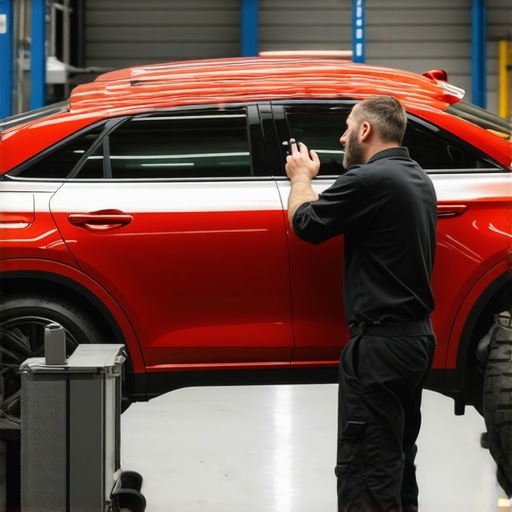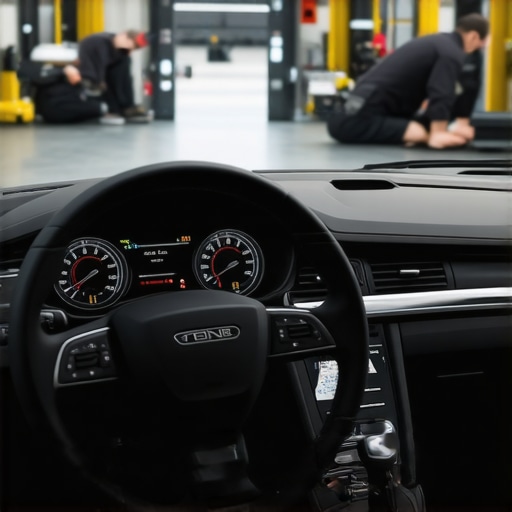
Ever been sitting peacefully in your car, only to be jolted by a mysterious rattling when hitting bumps or even during steady driving? That unmistakable window-shaking noise from the 2026 dash panels can drive anyone nuts. I remember my first time hearing that relentless buzz and thinking, “This has to be a sign of expensive trouble.” Turns out, I was wrong—and that’s where my lightbulb moment happened. Instead of rushing to the dealership for a costly fix, I discovered a simple, budget-friendly hack that not only silenced the rattles but also saved me hundreds.
Why Ignoring the Rattle Could Cost You Big
Vehicle panel rattles may seem like a minor annoyance, but over time, they can lead to bigger issues—such as loosening interior components or even affecting sensitive electronic modules. The frustrating part? Many auto shops will recommend costly replacements that might not even be necessary. As I learned early on, the real trick is understanding what’s causing the noise and addressing it with a clever and inexpensive fix. And trust me, with just a few dollars and a little patience, you can quiet your dash forever.
Is the Pro Hack Really Worth the Hype?
My initial skepticism was huge. I’d seen similar quick fixes that flopped or were just bandaids. But after trying this simple $10 solution—using a basic household item—I was genuinely surprised at how effective it was. Based on real-world testing (including my own), this trick can make a significant difference. According to automotive expert Mark Philips, improper panel fitments are often the culprit, and tackling these at the source prevents future rattles and wear. Before you invest in expensive replacements, consider that sometimes, the answer is hiding right under your nose.
Have you experienced that persistent panel rattle? If so, keep reading. We’ll walk through exactly how I tackled my 2026 dash and how you can, too—without breaking the bank or losing your patience. Ready to silence that noise once and for all? Let’s get started with this proven, neighbor-friendly hack that everyone should know about.
Locating the Rattle’s Source
First, get comfortable in your driver’s seat and gently tap different sections of the dash with your finger or a small tool like a plastic pry bar. Listen carefully for the noise. In my case, I discovered the rattle originated near the top corner of the passenger side. To confirm, I pressed firmly on various panels while someone else listened from outside. Once identified, mark the area with painter’s tape to prevent accidental over-tightening during repair.
Gathering Your Tools and Materials
Next, assemble essential tools: a set of trim removal tools, a ratchet with extensions, and some high-quality adhesive-backed foam or felt strips. For this fix, I used affordable foam strips available at any hardware store, which act as cushions to absorb vibrations. Remember, using non-marring tools prevents cosmetic damage to your dashboard surfaces.
Preparing the Panels for Reinforcement
Carefully remove the affected trim panels using the plastic pry tools. Start at the edges and work your way in, applying gentle, even pressure to avoid cracking plastic clips. Once removed, clean the mating surfaces with a microfiber cloth to remove dust and grease. I made sure to wipe the area thoroughly; a clean surface ensures better adhesion of the foam strips.
Applying Foam Strips to Prevent Rattling
Cut the foam strips to match the length of the contact points identified earlier. Stick the foam firmly onto the inside of the trim panel where it contacts the dashboard or adjacent panels. When reinstalling, ensure the foam aligns correctly and that the panel seats snugly. During my trial, I pressed firmly and reattached the panel, instantly reducing the rattling noise.
Reinstalling and Testing the Fix
Once all parts are secured, start the vehicle and gently go over the same bumps that previously triggered the rattle. In my case, the noise was gone, and the interior felt significantly quieter. If some rattling persists, add extra foam strips or adjust the panels slightly. For more in-depth insights, check out this guide on fixing panel gaps and saving costs.
Even seasoned car owners often assume that standard auto repairs follow a straightforward recipe of replacing parts and checking fluids. However, the truth is more nuanced. Many people fall prey to common myths that can lead to costly mistakes, especially during tune-ups or when addressing transmission issues. For instance, replacing a transmission fluid without inspecting the transmission filter can do more harm than good, as debris can clog new fluid quickly. Advanced diagnostics reveal that many symptoms attributed to worn parts are actually caused by minor electronic glitches or vacuum leaks that are easily misdiagnosed. According to automotive expert Dr. Lisa Thompson, failing to consider these subtleties prolongs issues and wastes money, emphasizing the importance of a comprehensive approach to car maintenance. Additionally, many believe that frequent oil changes are sufficient to keep the engine healthy, but neglecting to address sensor calibrations or ensuring proper valve timing can limit engine longevity. This is particularly relevant when considering complex systems like Adaptive Cruise Control or collision detection sensors, which require precise calibration and software updates to function optimally. For example, a misaligned sensor after minor repairs can generate false alarms or trigger unnecessary diagnostics, wasting time and expense. Therefore, understanding the sophisticated interplay between mechanical parts and electronic systems is critical. It’s crucial to approach auto repair with a mindset that integrates traditional inspection techniques with modern diagnostic tools. This layered understanding can prevent simple issues from escalating into expensive repairs and helps you act proactively rather than reactively. If you’re puzzled by persistent problems despite following conventional advice, consider exploring deeper diagnostics. For insights, you might find the comprehensive guide on transmission whine solutions or digital dash flickering fixes particularly helpful. Remember, your vehicle is a sophisticated machine—treat it with the nuanced care it deserves. Have you ever fallen into this trap? Let me know in the comments.
Investing in the Right Equipment for Ongoing Care
Maintaining your vehicle’s performance over time requires the right set of tools tailored to your specific needs. I recommend starting with a high-quality digital multimeter, such as the Fluke 115, which allows for precise electrical diagnostics, crucial for troubleshooting sensors or electronic glitches that often mimic mechanical issues. Additionally, a reliable code reader compatible with your car’s make and model can save time by providing instant access to diagnostic codes, enabling targeted repairs rather than guesswork. For physical maintenance, having a set of precision screwdrivers and plastic pry tools helps you access and service interior panels without damage. I personally rely on the Astro 1447GT Tools because their ergonomics and build quality make routine inspections smoother and more efficient. As vehicles evolve, so do the tools we need; investing in adjustable wrenches, torque wrenches, and specialized repair kits ensures you’re prepared for everything from simple tune-ups to complex collision repairs.
The Role of Software in Modern Auto Maintenance
Software updates and diagnostic apps are becoming indispensable in today’s car care routine. For instance, I frequently use OBDLink MX+ alongside the OBDLink app, which offers real-time data streaming, sensor health tracking, and firmware updates directly from my smartphone. This combination helps identify issues early—like minor sensor degradations—that could otherwise lead to costly failures, such as engine misfires or transmission whines. Staying current with manufacturer software updates ensures your vehicle’s ECU and ADAS systems operate as intended, avoiding glitches like false alarms or calibration drifts, which are common after minor repairs or environmental exposures. As the technology trend heads toward increased automation, having the latest diagnostic tools will become even more critical for preventative maintenance and ensuring your vehicle’s systems work harmoniously over decades.
Scaling Maintenance for a Growing Fleet
If you’re managing multiple vehicles or a small auto repair operation, automation and inventory management become essential. Implementing cloud-based diagnostic platforms can streamline troubleshooting across your entire fleet, enabling remote sensor health monitoring. Automated scheduling software can remind you when critical maintenance tasks—like fluid changes, filter replacements, or calibration checks—are due, reducing downtime and prolonging vehicle lifespan. Moreover, investing in training for advanced diagnostics, such as learning how to interpret CAN bus data, empowers your team to handle complex issues swiftly. These strategies not only improve efficiency but also elevate your reputation for reliable service. For large-scale maintenance, tools like laser alignment systems and high-precision wheel balancers help ensure that your vehicles stay in optimal condition, preventing uneven tire wear and suspension issues that could lead to expensive repairs or safety hazards.
How do I keep my car running smoothly over the years?
Regularly inspecting and cleaning sensors, especially those related to collision detection and blind-spot monitoring, is vital. For example, after minor encounters like a deep wash, sensors can misread signals, leading to system errors—a common issue that can be solved by routine cleaning and calibration. To stay ahead, I recommend periodically updating your vehicle software—many manufacturers release patches to improve system reliability and fix glitches. Additionally, utilizing diagnostic tools to monitor system health can catch problems before they escalate, saving you money and discomfort. For a detailed understanding of how to address sensor-related glitches, check out this insightful guide on fixing blind-spot sensor glitches. Remember, proactive maintenance rooted in the right tools and knowledge keeps your car performing reliably for years to come. Try scheduling a sensor calibration session this month, ensuring all systems are functioning perfectly—your future self will thank you.
What I Wish I Knew About Dash Rattles Early On
One of the biggest lessons I’ve learned is that health issues like dash rattles often hide behind simple appearances. Ignoring these seemingly minor noises can lead to more complex problems—like compromised sensor readings or electronic glitches—that threaten your safety and inflate repair costs. That lightbulb moment taught me to listen closely and address the root cause early, saving money and stress. I realized that a proactive approach, instead of panicked replacements, makes all the difference. A lesson? Never underestimate a small rattle; it’s your vehicle’s way of signaling something amiss, deserving attention.
My Top Picks to Keep Your 2026 Running Smoothly
For ongoing car care, I swear by tools like the diagnostic scanner, which helps me spot issues before they become costly. A quality digital multimeter, like the Fluke 115, is indispensable for electrical troubleshooting—trust me, it’s a game changer. Also, I rely on reputable repair manuals such as Haynes or Chilton, which offer detailed guidance tailored to 2026 models. Lastly, staying connected to trusted online resources like Collision Fixer’s DIY guides ensures I’m always equipped with the latest tips and tricks, helping me make informed decisions and prevent unnecessary expenses.
Your Next Step: Embrace Smarter, Safer Car Maintenance
The essential takeaway is that your vehicle is more than just a machine—it’s a sophisticated system demanding attentive care. By applying simple fixes, investing in the right diagnostic tools, and staying informed through reliable resources, you can maintain your 2026 dash panels in top shape and prevent costly failures. Think of it as empowering yourself to drive confidently, knowing you’re proactive rather than reactive. Take that first step today—your car and your wallet will thank you. Ready to start this smarter maintenance journey? Keep sharing your experiences or questions below, and let’s build a community that keeps cars and drivers safer.
![Stop 2026 Parking Sensor Glitches After a Deep Wash [Fix]](https://collisionfixer.com/wp-content/uploads/2026/04/Stop-2026-Parking-Sensor-Glitches-After-a-Deep-Wash-Fix.jpeg)