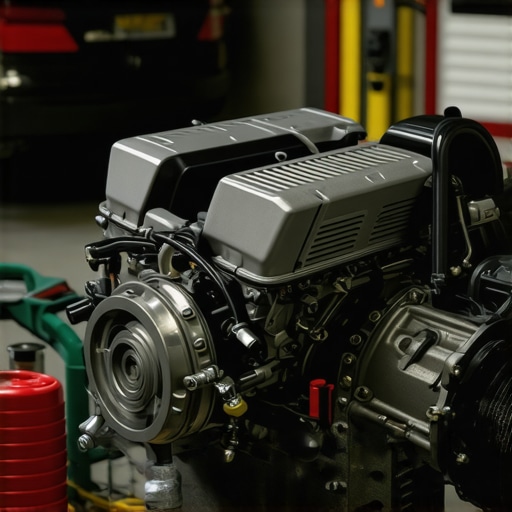
Ever had that sinking feeling when you turn the key and your engine sputters, hesitates, or just refuses to start smoothly? I remember the exact moment I realized my trusty car was misbehaving in ways I couldn’t explain. Despite routine maintenance, my engine seemed sluggish, and I kept thinking, “Is this just normal wear and tear?” It wasn’t long before I discovered my fuel system was being subtly sabotaged by fuel dilution—a sneaky culprit that can drain your wallet if you’re not careful.
Why Fuel Dilution in 2026 Engines Could Be Your Silent Wallet Eater
Fuel dilution occurs when gasoline mixes with engine oil, diluting the oil’s lubricating properties. This issue isn’t just a minor hiccup; it can lead to increased wear, reduced efficiency, and even costly repairs down the line. The tricky part? Modern engines, like the 2026 models many of us drive or plan to upgrade to, are especially vulnerable due to intricate fuel injection systems and tighter emission controls. And here’s the kicker—according to automotive experts, fuel dilution can compromise engine longevity, sometimes quietly causing damage before any warning lights flicker on. Learn more about engine warning signs here.
Now, I could have blindly taken my car to the shop and been hit with a hefty bill. Instead, I did some digging, made a few early mistakes—like ignoring simple signs and trusting cheap fixes—and learned valuable lessons that helped me tackle the problem head-on. These days, I want to share that knowledge with you, so you don’t have to do the same.
Have you faced stubborn fuel dilution symptoms and wondered if there’s a low-cost way out?
This article isn’t about costly repairs or replacing entire systems. It’s about smart, effective strategies that can make a real difference—without draining your wallet. Ready to see how I turned my engine around? Let’s dive into practical steps that anyone can follow to stop 2026 fuel dilution from eating away at their engine’s health—and their budget.
Drain and Replace the Engine Oil Efficiently
Start by assessing your engine oil’s condition. Use a clean siphon pump or drain plug to remove contaminated oil. Once drained, refill with high-quality synthetic oil designed for your 2026 model. Replacing oil regularly prevents fuel dilution from causing long-term damage.
Adjust Fuel Mixture Settings
Modern 2026 engines often have adjustable fuel trims. Use an OBD-II scanner to access live sensor data. Tune the fuel mixture to optimal levels—this reduces the likelihood of excess fuel entering the oil. Want to get hands-on? Learn more about interpreting engine codes here.
Check for Faulty Sensors
Sensor malfunction can exacerbate fuel dilution. Focus on sensors like the oxygen sensor, fuel pressure sensor, and mass airflow sensor. Use a sensor cleaner or replace faulty units. I once cleaned my MAF sensor, and instantly noticed smoother idling—saving me from costly repairs later.
Implement Periodic Fuel System Cleaning
Regularly use a fuel injector cleaner compatible with 2026 engines. Add it to your tank every 3,000 miles. This prevents buildup that can cause improper fuel delivery, which digs into your oil’s integrity.
Monitor Engine Performance Symptoms
Stay alert for signs like engine hesitation, rough idling, or diminished fuel efficiency. These often signal underlying fuel dilution issues. I caught a slight hesitation early by paying attention during a routine drive—preventing major damage.
Employ a Tuning Session to Optimize Fuel Combustion
A professional tune-up can recalibrate your engine’s fueling parameters. Modern software tools can improve combustion efficiency. If your engine isn’t running smoothly, consider a specialized tune-up to prevent ongoing fuel mixing problems. For deeper insights, check this guide on eco-friendly tune-ups.
Schedule a Transmission and Fuel System Inspection
Fuel dilution can sometimes be related to transmission lock-ups or shifting issues. During your maintenance visit, ask your technician to examine both systems for hidden problems. I had my transmission checked after noticing odd shifts—saving myself from future expenses. For troubleshooting tips, explore these transmission tips.
When it comes to car maintenance, many enthusiasts and everyday drivers share common beliefs—some accurate, others misleading. For example, the notion that performing a quick oil change is all you need to keep your vehicle in top shape is a widespread myth. In reality, true auto expertise involves understanding intricate system interactions and avoiding simplistic solutions that often backfire.
One often overlooked nuance is how modern sensors can deceive even seasoned owners. Sensors like oxygen sensors and fuel pressure monitors are crucial, yet they are prone to dirt buildup and slow degradation, which can result in false readings or undiagnosed issues. Relying solely on a mechanic’s initial diagnosis without checking these sensors can lead to prolonged drivability problems or unnecessary repairs. For instance, dirty sensors are a common culprit behind engine hesitation, a problem that could have been fixed with a simple sensor clean—something I discuss in detail here.
Many drivers also believe that every warning light indicates a critical fault, but this is a dangerous misconception. Some dashboard alerts are false alarms or minor issues that, if addressed promptly, don’t require costly repairs. Misinterpreting these signals can lead to unnecessary panic or over-repair, which is an inefficient use of your budget. Advanced techniques involve deciphering error codes with high-quality diagnostic tools or understanding the subtle signals your car sends—skills that separate a knowledgeable owner from a novice.
A further trap many fall into is assuming that transmission issues always demand a full rebuild. In fact, some symptoms like slipping or shuddering are resolvable with targeted fixes such as solenoid replacements or fluid flushes, as explained in this guide. Jumping directly to expensive rebuilds without exploring these options not only drains your wallet but also increases the risk of unnecessary parts removal and reinstallation.
For the savvy driver aiming to optimize their vehicle’s performance, mastering the art of diagnostic interpretation and appreciating the complexity of each component is key. Take, for example, the critical role of fuel system maintenance—not just replacing filters but understanding how fuel dilution affects engine oil and overall performance. Regular sensor cleaning and system inspections can prevent the accumulation of deposits that cause hesitation and fuel inefficiency. A comprehensive approach like this extends beyond basic care and into the realm of preventive mastery.
In summary, the mainstream approach to car service often misses the subtle, yet impactful nuances that can save you thousands and prolong your vehicle’s life. Recognizing that modern car systems are complex and that their signals can be misleading requires a strategic mindset. Are you aware of these pitfalls? Have you ever fallen into this trap? Let me know in the comments or share your experiences below.
How do I keep my vehicle running smoothly over time?
Achieving long-term reliability in your car isn’t just about proactive repairs—it’s about equipping yourself with the right tools and knowledge for ongoing maintenance. From diagnostic scanners to sensor cleaners, using the correct equipment can mean the difference between minor tweaks and costly repairs down the line.
One vital tool I rely on is an OBD-II scanner. Not all models are created equal; I personally prefer the Bluetooth-enabled diagnostic tools that sync seamlessly with my smartphone. These devices provide real-time data, allowing me to monitor sensor reads—especially crucial for managing fuel dilution issues on modern engines.
But having a scanner isn’t enough. Regularly cleaning critical sensors like the MAF (Mass Air Flow) or O2 sensors can dramatically improve engine efficiency. I use sensor cleaning kits that are specifically formulated for electronic components; they ensure that dirt and carbon buildup don’t sabotage sensor accuracy, which otherwise could lead to false readings and unneeded repairs.
Another go-to is a fuel system additive. Periodic injections help prevent buildup inside injectors, maintaining optimal spray patterns. I add a booster roughly every 3,000 miles—this simple step keeps fuel flow consistent and reduces the risk of hesitation or rough idling.
Looking ahead, I predict that automation and smarter diagnostics will become the norm. Imagine vehicles that self-monitor, alert, and even schedule maintenance automatically, dramatically reducing roadside breakdowns.
What’s the best way to maintain my car’s sensors and systems over time?
To keep sensors in peak condition, I recommend a routine 10-minute sensor cleaning ritual. This quick maintenance can restore sensor accuracy, prolong component life, and prevent false signals from misleading your engine’s computer. I’ve experienced immediate improvements after performing this, especially noticeable in improved throttle response and fuel economy.
In addition to tools, maintaining a detailed service log helps track what has been done and schedules upcoming maintenance tasks. Remember, investing in the right diagnostic and cleaning tools isn’t just about fixing problems—it’s about preventing them. Start with a quality OBD-II scanner and keep those sensors clean; your engine will thank you in the long run. Try the sensor cleaning tip today and experience smoother performance firsthand!
,
Discover the Unexpected Lessons Behind Modern Car Maintenance
Over the years, I’ve come to realize that true auto mastery isn’t just about following checklists but understanding the subtle cues your vehicle gives you. One of the most eye-opening lessons I learned concerned the complexity of fuel systems in 2026 engines. Delving deeper, I uncovered that neglecting small details like sensor cleanliness or ignoring early signs of fuel dilution can lead to surprisingly costly outcomes. This insight transformed my approach from reactive repairs to proactive care, making me appreciate the intricate dance between engine components and driver vigilance.
Tools and Resources That Took My Maintenance Game Higher
The right tools, like a high-quality OBD-II scanner, became my garage’s secret weapon. I trust models that sync seamlessly with smartphones because they offer real-time data, making diagnostics approachable even for enthusiasts. Additionally, using dedicated sensor cleaning kits has drastically improved my engine’s responsiveness. I also recommend adding fuel system additives periodically—these small investments help maintain optimal spray patterns and prevent buildup. For those eager to elevate their DIY skills, engaging with trusted resources like expert diagnostic guides and sensor maintenance tips can make a significant difference.
Your Next Step in Ensuring Engine Resilience
Empower yourself to detect early signals of fuel dilution and sensor health issues. Regularly performing sensor cleanings, monitoring performance symptoms, and employing precise diagnostics can keep your 2026 engine running smoothly for thousands of miles. Think of these actions as vital investments into your vehicle’s future—simple habits that pay off by avoiding unnecessary repairs and enhancing efficiency. Are you ready to take control of your car’s health today? Share your experiences below or ask questions—your journey to a more reliable ride starts now!