![Why Your 2026 Transmission Jerks at Low Speeds [Quick Fix]](https://collisionfixer.com/wp-content/uploads/2026/02/Why-Your-2026-Transmission-Jerks-at-Low-Speeds-Quick-Fix.jpeg)
Picture this: I was cruising home one evening, belt still warm from a recent tune-up, when suddenly my car jolted—like a rough handshake from an old friend. That unsettling jerk at low speeds wasn’t just annoying; it was a wake-up call. I realized I’d overlooked a little thing that was about to cost me big time if I didn’t address it soon.
Getting to the Root of the Jerk: Why Your Transmission Acts Up
That moment made me more determined to figure out what was behind my car’s strange behavior. Turns out, many drivers face this issue in their 2026 models, and it can often be traced back to simple, fixable causes. These jerks at low speeds usually signal a problem that might seem minor but, if ignored, can lead to costly repairs like a full transmission rebuild.
Here’s the good news: I’m going to share the quick, practical steps I took to resolve my issue—methods that can save you hundreds or even thousands. From checking your fluid levels to inspecting your sensors, a few simple actions can make a world of difference. If you want to avoid the headache and expense of a full overhaul, start by exploring these easy fixes. For a comprehensive guide on preventing this problem from worsening, check out this detailed article.
Start With a Fluid Check
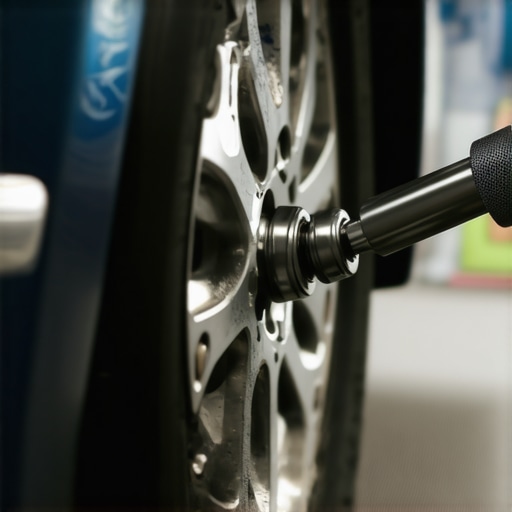
My first move was to check the transmission fluid level because, think of it like oil in a car’s engine—without enough, everything runs rough. I parked on a level surface, opened the hood, and located the transmission dipstick. Using a clean rag, I wiped it, then pulled it out to check the fluid level and color. If it’s low or dark, it’s time for a top-up or a flush. Remember, regularly inspecting your fluid can prevent issues like jerks and slips. For detailed instructions, see this guide.
Inspect and Clean Sensors
Next, I examined the sensors that tell your transmission when to shift—these are like the senses of your car’s brain. Particularly, I focused on the speed sensors and the throttle position sensor. Dirt or debris can cause false readings, leading to jerking. I cleaned the sensors gently with electronic contact cleaner and inspected for damage. If cleaning doesn’t help, replacing faulty sensors can significantly smooth the ride. For insights on sensor fixes, visit this article.
Check for Carbon Deposits and Build-up
Carbony deposits are like plaque in arteries—they block the smooth flow of function. I used a specialized cleaner to remove buildup in the transmission pan and valve body. This step can be a bit messy; I wore gloves and cleaned meticulously. Deposits can cause irregular pressure and cause your gears to grind or jerk. If you’re unsure how to do this, a professional cleaning might be worth considering. Learn more about preventing deposits at this resource.
Perform a Firmware and Software Check
Modern transmissions rely heavily on software, making updates akin to installing a vital app. I connected a diagnostic scanner to my car’s OBD-II port and checked for software updates or error codes. Sometimes, a simple update or reset fixes erratic shifts. If your car has software glitches that mimic mechanical failure, addressing this can restore normal operation without costly repairs. For software troubleshooting, see this guide.
Adjust or Replace the Transmission Fluid
When all else fails, changing the transmission fluid often works wonders. Think of fluid as your transmission’s blood—fresh, clean blood ensures smooth and responsive performance. I drained the old fluid, inspected the filter, and replaced it if necessary before pouring in new, manufacturer-approved fluid. This step can often resolve shifting issues and eliminate the jerks. For detailed procedures, consult this resource.
Many car owners believe that as long as a vehicle runs smoothly after a basic tune-up or simple repair, they’re safe from future issues. However, this oversimplification can lead to costly mistakes down the line. A common myth is that routine maintenance is purely routine, but in reality, understanding the subtle nuances of collision repair and transmission care can significantly extend your vehicle’s lifespan. For instance, a quick fluid check might seem trivial, but neglecting to verify transmission fluid levels and quality can cause severe problems, such as shuddering or complete system failure. Additionally, many drivers overlook the importance of sensor calibration after repairs—incorrect sensor readings can mimic mechanical issues, leading you to unnecessary and expensive replacements. This is where expert knowledge comes into play, as detailed in this article.
Another misconception revolves around the ‘set it and forget it’ approach for car software updates. Modern transmissions and engine control units heavily rely on firmware, and skipping updates might not cause immediate problems but can rob your vehicle of optimal performance and fuel efficiency. Regularly performing software checks is an advanced step that separates skilled mechanics from amateurs. Think of it like updating your smartphone—neglect can leave behind bugs that slow you down and compromise safety.
A crucial trap many fall into concerns the cleaning and maintenance of carbon deposits. While traditional auto repairs might focus on replacing parts, advanced issues like buildup in the valve body or transmission pan can stealthily cause jerking and overheating if ignored. Professional cleaning, guided by diagnostic tools, can prevent the need for expensive rebuilds, as discussed in this resource.
Furthermore, understanding the importance of software and hardware interplay can make the difference between a vehicle that performs well and one that’s on the brink of failure. A comprehensive approach—covering fluid health, sensor precision, firmware updates, and deposit removal—embodies expert-level maintenance. In fact, studies show that neglecting these nuances can increase repair costs exponentially over time.
Have you ever fallen into this trap? Let me know in the comments. Remember, the key to avoiding costly repairs isn’t just about following basic tips but understanding the hidden factors that influence your vehicle’s long-term health.
Keep It Running: Must-Have Tools and Techniques
Maintaining a vehicle’s longevity and ensuring consistent performance requires more than just routine visits to the mechanic. Investing in the right tools and adopting precise methods can save you time and money while keeping your car in peak condition. For those serious about auto repair and diagnostics, I recommend a high-quality OBD-II scanner like the BlueDriver. This device provides comprehensive code readings and real-time data, which are invaluable when tracking down issues like transmission glitches or sensor failures. Personally, I use the Autel MaxiCom scanner because it offers extensive vehicle coverage and easy-to-understand diagnostics, enabling me to spot problems before they escalate.
When it comes to physical tools, a reliable set of socket wrenches, screwdrivers, and a torque wrench are fundamental. I rely heavily on a Snap-On digital torque wrench to ensure that all nuts and bolts—especially those in critical areas like the transmission housing—are tightened to manufacturer specifications. Over-tightening or under-tightening can lead to future failures, such as leaks or component wear.
For cleaning and inspecting sensors—crucial for preventing issues like sensor misreads that cause jerks or erratic shifts—I recommend an electronic contact cleaner. It effectively removes dirt and corrosion without damaging sensitive electronics. I also keep a bore scope camera handy; this allows me to inspect hard-to-reach areas like the inside of the transmission or the valve body, ensuring deposits or damage don’t go unnoticed.
Updating your car’s firmware and software can be a game-changer, especially for models like 2026 transmissions that depend heavily on software logic. I use diagnostic tools like this guide to perform regular updates and resets, helping me avoid troubleshooting complicated software glitches. As vehicle technology evolves, embracing these digital diagnostics will become even more critical.
To get the most out of these tools, regular calibration and maintenance are essential. For instance, my torque wrench calibration is checked annually with a professional calibration service; this practice guarantees accurate torque application and prevents costly repairs down the line.
Looking ahead, the trend points toward integrating artificial intelligence with diagnostic devices for predictive maintenance, allowing us to foresee issues before they turn into expensive repairs. The upcoming advancements will likely make troubleshooting more straightforward and proactive.
Curious how to keep your car’s transmission in check over time? Regularly updating your software and performing sensor checks using advanced tools can make a real difference. For more in-depth strategies, don’t miss this comprehensive article. Why not try performing a firmware update today to see how it improves your vehicle’s shifting smoothness? It’s a small step that can prevent big headaches later.
Lessons from the Front Lines of Transmission Troubleshooting
One of the most eye-opening lessons I learned is that even advanced 2026 models require vigilant maintenance—there’s no magic fix for neglect. I once thought a simple tune-up would suffice, but a small oversight like ignoring sensor health cost me dearly. Regularly inspecting components like sensors and updating firmware isn’t just tech-nerd advice; it’s essential for peace of mind. I also discovered that building a toolkit—including a reliable OBD-II scanner and cleaning supplies—empowers you to spot issues early before they escalate. My biggest lightbulb moment? Preventive checks save thousands and keep the driving experience smooth rather than stressful.
Tools and Resources I Trust for Long-Term Success
For anyone serious about keeping their transmission and auto system in top shape, investing in quality tools is key. I swear by the BlueDriver scanner because it offers detailed diagnostics that save me guesswork. Also, special brushes and electronic contact cleaners, easily available online, are invaluable for sensor maintenance. When it comes to educational resources, the cornerstone article on preventing costly transmission issues is my go-to guide. It offers insights beyond typical advice, helping me understand the mechanics behind the messages my car sends.
Your Next Move Starts Now
Taking control of your vehicle’s health might seem daunting, but with a little knowledge and the right tools, you can prevent major issues down the road. Making that firmware update or cleaning sensors isn’t just maintenance; it’s investment in your driving future. So, why not start today? Regular checks and proactive repairs keep your car running smoothly for miles to come. Remember, a little effort now saves you from costly repairs later—think of it as giving your car the care it deserves. Are you ready to take the first step toward mastering your vehicle’s health? Share your experiences or questions below—I’d love to hear about your journey to better auto care.