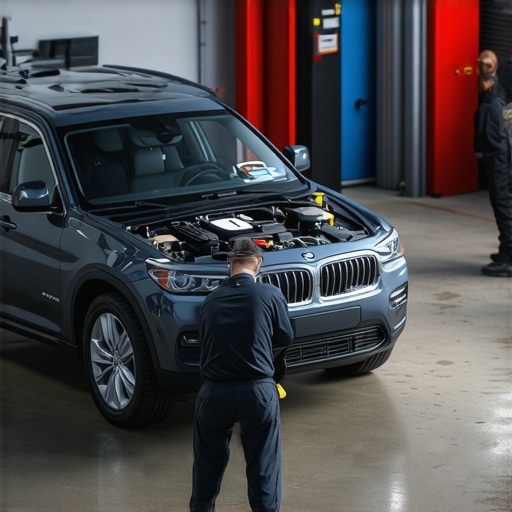
It was late one rainy evening when I first heard the dreaded thud from my engine, followed by a sudden loss of power. My heart sank—another trip to the repair shop. But what if I told you that many of us fall into predictable traps that only worsen the situation? Like I did early on, many car owners rush into repairs without understanding the real issues, often leading to more costly fixes. My own mistake? Assuming a quick fix was enough, instead of diagnosing the root cause of the problem.
Why Getting Auto Repairs Right Matters Now
In 2025, the landscape of car maintenance is more complex and critical than ever. With the rise of advanced diagnostics and smarter vehicle systems, a small oversight can turn into a major headache. Ignoring early warning signs or choosing the wrong repair strategies not only jeopardizes your safety but can also drain your wallet. That’s why staying informed about the best practices—like mastering auto repair diagnostics—can save you time, money, and peace of mind. Did you know that proper maintenance can extend a vehicle’s lifespan and improve fuel efficiency significantly? According to the Collisionfixer auto repair guide, timely diagnostics are foundational to modern vehicle care.
Will Skipping Professional Diagnostics Save You Money?
One misconception I held early on was thinking I could spot engine trouble myself and skip professional diagnostics. I learned the hard way that a misdiagnosed issue often leads to unnecessary part replacements or further damage. Trust me, that approach costs more in the long run. Today, I rely on effective diagnostic techniques—like comprehensive auto repair diagnostics—to pinpoint issues accurately. Want to learn more? Check out this detailed diagnostics guide for insights that could have saved me from many headaches.
Are you facing recurring car troubles or uncertain about when to seek expert help? Understanding the importance of precise diagnostics is your first step toward smarter car maintenance. In the upcoming sections, I’ll share practical, proven strategies to keep your vehicle running smoothly, backed by expert advice and real-world experience. Let’s dive into how you can avoid costly mistakes and ensure your vehicle stays in peak condition.
.
Start with Precise Diagnostics
Always begin by accurately diagnosing your vehicle’s issues. Use state-of-the-art diagnostic tools that connect to your car’s onboard computer to read error codes, which pinpoint trouble spots. I recall a time my engine sputtered, and rather than guessing, I hooked up a scanner. The error code revealed a faulty sensor I would have missed otherwise. Check out these diagnostic tips to ensure you’re leveraging the latest technology for precise results.
Identify Root Causes, Not Just Symptoms
Don’t stop at surface issues—delve deeper. If your brakes squeak, it could be worn pads or, alternatively, contaminated rotors. Use a systematic approach: inspect components linked to the reported symptoms, test their function, and eliminate superficial fixes. I once replaced a spark plug, only for the rough idle to persist. A thorough inspection uncovered a clogged fuel injector—fixing it saved me from unnecessary part replacements. Effective diagnostics prevent wasted money and effort. Learn effective methods here.
Prioritize Maintenance to Avoid Big Repairs
Regular preventive maintenance keeps issues at bay. Think of your car like a complex machine that needs routine tune-ups—changing oil, replacing filters, and checking fluid levels. I scheduled my maintenance proactively, which caught a small leak before it caused damage. Use high-quality parts and follow the manufacturer’s recommended service intervals. See to stay ahead.
Master Transmission Care for Longevity
Your transmission is the heart of vehicle movement. Regular transmission fluid checks and timely flushes maintain smooth shifting and prevent costly repairs. I underestimated its importance until slipping gears made me realize how vital proper care is. Following these expert tips saves money and ensures reliable operation. Schedule professional tune-ups and be attentive to signs of trouble such as delayed engagement or slipping.
Invest in Professional Help When Needed
While basic diagnostics can be DIY, complex repairs require skilled technicians. Don’t hesitate to seek expertise, especially for transmission or collision repairs. I once attempted a DIY fix for a transmission issue, which led to worsened problems. A professional assessment and repair not only restore safety but also extend your vehicle’s lifespan. Use trusted services like CollisionFixer for reliable repairs based on advanced strategies.
Follow a Maintenance Schedule
Stick to a calendar for oil changes, tire rotations, and system checks. This routine prevents unexpected breakdowns. I set reminders and kept detailed logs; this habit identified issues early, saving me money. Consistency in maintenance is your best tool for a dependable vehicle. Explore recommended schedules here.
Utilize Quality Parts and Fluids
Choose OEM or high-quality aftermarket parts for replacements, ensuring longevity and optimal performance. Cheap parts often lead to repeated repairs. When I replaced my brake pads, I invested in reliable brands—they lasted longer and performed better. Always verify compatibility and standards to avoid compatibility issues. Seek guidance from trusted sources like expert recommendations.
Keep Learning and Staying Updated
Automotive technology evolves fast. Stay informed about new repair techniques and tools by reading dedicated blogs, attending workshops, or consulting manuals. I dedicate time monthly to update my knowledge, which helps me handle common issues more confidently. Continuous learning helps in making smarter decisions, saving money, and maintaining safety. Use resources like latest diagnostics tips for ongoing improvement.
Many car owners hold misconceptions about auto repair processes that can end up costing them more in the long run. For instance, it’s a widespread belief that regular transmission fluid changes are optional or only necessary when symptoms appear. However, this is far from the truth. Proper transmission maintenance involves proactive system checks and timely fluid replacements, which can prevent costly repairs down the road. As explained by industry experts, neglecting these essential steps leads to accelerated wear and tear, reducing your vehicle’s lifespan.
What Advanced Car Owners Must Know About Nuanced Transmission Care
One advanced nuance often overlooked is the impact of subtle driving habits on transmission health. Aggressive acceleration and abrupt braking create stresses that degrade transmission components faster than gentle driving. Moreover, digital diagnostics are crucial—they can detect minor irregularities before they manifest into major failures. Relying solely on visual inspections or listening for odd noises isn’t sufficient anymore. Instead, leveraging the latest diagnostic tools can reveal hidden issues and inform precise maintenance interventions.
However, a common trap is assuming that all car service providers are equally knowledgeable about these nuances. Many auto shops rely on outdated practices, which can lead to improper adjustments or overlooked problems. For example, some mechanics might recommend a generic tune-up without considering the specific needs of modern vehicle systems. This is where choosing specialists like CollisionFixer, who stay updated with cutting-edge diagnostics techniques, makes a significant difference.
Another myth is that high-quality parts automatically guarantee better vehicle performance. While quality components are essential, improper installation or neglecting system integration can negate their benefits. For example, installing a premium air filter won’t improve engine efficiency if other related components aren’t maintained properly. Regular comprehensive maintenance ensures all parts work harmoniously, optimizing both safety and longevity.
How Can Overlooking These Details Lead to Expensive Repairs?
Ignoring these advanced nuances—like not utilizing diagnostics or neglecting proper transmission fluid management—can lead to cascading failures. Minor issues snowball into major repairs, sometimes necessitating complete transmission overhauls. Such surprises could have been prevented with early intervention. Additionally, underestimating the importance of routine, expert-driven car service often results in unnecessary breakdowns and safety hazards. As per recent industry analyses, proactive maintenance strategies can reduce repair costs by up to 50%, emphasizing the value of expertise and accurate diagnostics.
So, when thinking about your vehicle’s health, remember that superficial fixes and outdated beliefs are pitfalls you want to avoid. Embracing a nuanced understanding and investing in proper diagnostics will pay dividends by extending your car’s life and enhancing safety. Have you ever fallen into this trap? Let me know in the comments.
Investing in Reliable Diagnostic Equipment Is Critical
One of the most valuable tools I use regularly is an advanced automotive diagnostic scanner known as the Autel MaxiSYS ELITE. This device provides comprehensive vehicle system analysis, including live data streams, coding, and programming capabilities. Unlike generic code readers, the MaxiSYS allows me to perform deep diagnostics on modern vehicle modules, ensuring I identify even the most elusive issues before they escalate. Personally, I rely on it for routine check-ups and troubleshooting complex problems, which has saved me thousands compared to relying solely on shop diagnostics. As vehicle systems continue to evolve, investing in such reputable equipment becomes increasingly essential.
Leverage Software That Keeps Up With Automotive Innovation
Beyond hardware, I recommend using diagnostic software like CollisionFixer’s strategies for 2025. This platform offers up-to-date troubleshooting guides and software updates that align with the latest vehicle firmware. For example, their diagnostic database includes procedures for hybrid powertrains and advanced driver-assistance systems (ADAS), which are becoming standard in many cars. Regularly updating your diagnostic tools ensures compatibility and comprehensive insights, enabling precise repairs and minimizing unnecessary part replacements.
Cultivate Routine Maintenance That Stays Relevant
Scheduling regular check-ups informed by diagnostic results can extend your vehicle’s lifespan dramatically. For transmission health, I follow the expert advice from CollisionFixer’s transmission tuning tips. These involve proactive fluid analysis and targeted filter replacements based on data rather than fixed intervals. This personalized approach prevents breakdowns and keeps the transmission operating smoothly long-term. Additionally, using high-quality fluids and parts, as recommended by industry leaders, guarantees the best results over years of vehicle operation.
How Do I Maintain My Car’s Precision Over Time
To keep your vehicle performing at peak levels, adopting a consistent monitoring routine is vital. I suggest tying your regular maintenance schedule to diagnostic insights—checking fluid levels, sensor calibrations, and software diagnostics quarterly. As vehicles become more connected, leveraging diagnostics to track component wear and identify anomalies early becomes easier. Hardware and software tools are evolving rapidly; for instance, some companies now offer mobile apps that sync with your diagnostic scanner to provide real-time alerts. These innovations will shape the future of auto maintenance, making proactive vehicle care more accessible and effective.
Incorporating advanced tools like the Autel MaxiSYS ELITE and staying abreast of new diagnostic software can drastically improve your long-term vehicle maintenance. When paired with strategic service practices—like data-driven transmission and system tune-ups—you’ll ensure your car remains reliable, safe, and efficient for years to come. Don’t hesitate to incorporate such tech into your routine and experience the benefits firsthand. Start by trying out a diagnostic scan with your current equipment or consider upgrading to a model like the MaxiSYS to see immediate improvements in troubleshooting accuracy.
For an in-depth dive into effective transmission maintenance, review these expert strategies. This resource will guide you through tailored approaches that align perfectly with advanced diagnostic insights, helping you make smarter decisions about your vehicle’s health.
What I Wish I Knew Before Ignoring the Deep Stuff
One key lesson I stumbled upon was the danger of settling for surface fixes. Early on, I thought replacing parts was all I needed, but I quickly learned that without diagnosing root causes, problems would keep coming back. For example, neglecting subtle transmission signs led to costly rebuilds later. The lightbulb moment? Deep diagnostics uncover small issues before they balloon into expensive repairs. Trust me, a little patience on diagnostics saves a lot of money and stress in the long run.
Tools That Transformed My Approach to Maintenance
Investing in top-tier diagnostic tools like the Autel MaxiSYS ELITE revolutionized how I maintain my vehicle. This device offers comprehensive insights into my car’s systems, catching issues early that would have been invisible otherwise. Additionally, adopting software like these cutting-edge diagnostic guides keeps me ahead of automotive advancements. These resources are trustworthy because they reflect the latest in auto repair innovation, helping me avoid unnecessary surprises.
The Emotional Wake-Up Call That Changed Everything
There was a moment of frustration when a DIY transmission repair attempt only worsened the problem. It was a stark reminder that expert help isn’t just optional—it’s essential. Relying on specialists ensures your vehicle gets the right diagnosis and proper repair, protecting your safety and investment. For those hesitant about seeking professional repairs, remember: smart maintenance is about making informed choices, and partnering with trusted experts like CollisionFixer guarantees peace of mind.