I remember the first time my car left me stranded on a busy highway, engine sputtering like it was about to give up entirely. That moment was a wake-up call. It wasn’t just about inconvenience; it was about realizing how much I’d neglected proper maintenance and tune-ups. Fast forward to today, I’ve learned that staying ahead of car problems isn’t just a good idea — it’s essential if you want your vehicle to perform at its best in 2025. If you’re like me, you’ve probably faced the frustration of unexpected breakdowns or sluggish performance that eats into your day and your budget. But here’s the thing — with the right auto service strategies, you can avoid those headaches altogether. Today, I’m going to share what I’ve discovered about the best car service and tune-ups that keep your vehicle running smoothly and safely. We’ll dive into practical tips and insider secrets from Collisionfixer, a trusted name in auto repair. Whether your car is showing signs of aging or you’re just eager to keep it in peak shape, this guide is for you. So, if you’ve ever wondered whether cutting corners on maintenance is really worth it or if there’s a smarter way to keep your car in top form, stick around. I’ve made my share of mistakes early on, like ignoring minor leaks or delaying oil changes, which only made things worse. Trust me, I’ve been there. But I’ve also learned that proactive care can save you hundreds — even thousands — over the life of your vehicle. And it’s not just about avoiding breakdowns. Proper tune-ups and service boost your car’s efficiency, safety, and longevity. Want to know the secret sauce? It’s all about strategic maintenance tailored for 2025’s automotive challenges. That’s why I recommend checking out Collisionfixer’s comprehensive guides, like their best strategies for peak performance and their expert tips on transmission and collision repairs. These resources have helped me extend my vehicle’s lifespan and improve its reliability. So, before your next trip or service appointment, ask yourself: am I doing enough to keep my car in prime condition? If not, don’t worry. I’ll walk you through the essential maintenance steps that can transform your driving experience and avoid costly surprises. Ready to take charge of your vehicle’s health? Let’s get started with the must-know tips for 2025.
Prioritize Regular Oil Changes
In my own experience, skipping an oil change led to a sluggish engine and costly repairs. To prevent this, schedule oil changes every 3,000 to 5,000 miles or as recommended by your vehicle’s manual. Use high-quality synthetic oil suited for 2025 models to ensure engine longevity. Remember, clean oil reduces friction and keeps your engine running smoothly, much like how a well-oiled machine performs optimally.
Inspect and Replace Air Filters Promptly
Once, I neglected my air filter during a routine check, which resulted in decreased fuel efficiency and erratic idling. Make it a habit to inspect your air filter every 12,000 miles or sooner if you drive in dusty conditions. Replacing it is simple and affordable, significantly improving engine performance. This step is crucial because a clogged filter starves your engine of air, similar to trying to breathe through a blocked straw.
Check Tire Pressure and Tread for Safety
During a road trip, I noticed uneven tire wear because I ignored my tire pressure. Properly inflated tires improve fuel economy and handling. Use a reliable pressure gauge to maintain PSI levels as specified in your vehicle manual. Also, inspect tire tread depth—replace tires if they are below 2/32 inch to avoid hydroplaning. Think of your tires as the shoes of your car; if they’re worn out, your vehicle’s grip and safety are compromised.
Perform Routine Brake Inspections
One winter, I experienced brake squeal that turned into a grinding noise. Regular brake checks, ideally every 10,000 miles, catch issues early. Look for uneven pad wear, leaks, or vibrations. Replacing brake pads before they wear out completely prevents damage to rotors. Imagine your brakes as the shoes that stop your car—when they’re worn, stopping power diminishes, risking safety.
Maintain Coolant and Transmission Fluid Levels
Once, I overlooked my coolant level, and my engine overheated during a hot day. Always check coolant levels and top off as needed—use the type recommended in your manual. Similarly, inspect transmission fluid for proper levels and discoloration. Dirty or low transmission fluid can cause gear slipping or delayed shifts. Think of these fluids as the lifeblood that keeps your engine and transmission operating seamlessly, especially vital in 2025’s advanced vehicles.
Schedule Professional Tune-Ups and Diagnostics
While routine checks are essential, professional diagnostics can identify underlying issues early. Visit a trusted auto service like Collisionfixer for comprehensive tune-ups, especially if your car shows signs of sluggishness or unusual noises. They utilize advanced diagnostic tools, similar to a doctor’s thorough check-up, ensuring your vehicle performs at peak efficiency. Regular professional tune-ups can extend your vehicle’s lifespan and improve fuel economy, keeping you ahead of costly repairs.
Implementing these proactive steps transforms your vehicle maintenance routine. It’s akin to giving your car a regular health check-up—preventing emergencies and ensuring smooth performance for 2025 and beyond. Keep your vehicle in top shape with consistent, strategic care, and enjoy safer, more reliable driving every day.
Many car enthusiasts and even seasoned vehicle owners fall into misconceptions about auto maintenance, often leading to overlooked nuances that can compromise their vehicle’s performance and longevity. As someone who’s delved deep into automotive care, I want to shed light on some of the most misunderstood aspects and highlight the advanced mistakes that even experienced car owners make.
Why ignoring the subtleties of fluid care can backfire
One of the biggest myths is that topping off fluids is enough. In reality, many overlook the importance of inspecting the condition of transmission, coolant, and brake fluids. Old or contaminated fluids can cause severe damage over time, especially in 2025 models equipped with sophisticated systems. Regularly checking for discoloration and proper levels is critical, and replacing fluids at manufacturer-recommended intervals can prevent costly repairs. Advanced owners know that fluid analysis can reveal hidden issues—consider this a vital step in proactive maintenance. Expert tips on transmission fluid care emphasize the importance of this often-neglected aspect.
Beware of the trap of delayed diagnostics
Many assume that if their vehicle runs smoothly, there’s no need for professional diagnostics. However, modern vehicles, especially those with integrated electronics and sensors, can hide issues that aren’t immediately apparent. Delaying advanced diagnostics can lead to the escalation of minor problems into major failures, like transmission slipping or engine overheating. Regular diagnostic scans, ideally at least once a year, can catch subtle signs of wear and tear—saving you money and stress in the long run. For insights on how to leverage diagnostics effectively, check out these expert diagnostic tips.
Is more always better when it comes to maintenance?
Contrary to popular belief, over-maintaining your vehicle can sometimes be as harmful as neglecting it. Excessive or unnecessary replacements, like frequent oil changes without signs of contamination, can waste resources and even introduce impurities. The key is strategic maintenance—timing replacements and checks based on manufacturer guidance and the vehicle’s actual condition. In 2025, with smarter sensors and AI-driven diagnostics, car owners can rely on precise data rather than routine intervals alone. This nuanced approach not only extends your vehicle’s lifespan but also optimizes costs. For a comprehensive strategy, consider consulting these advanced maintenance strategies.
Have you ever fallen into this trap? Let me know in the comments. Remember, staying informed and cautious about these hidden nuances can make all the difference in your car’s performance in 2025 and beyond.
How do I maintain my vehicle over time using the right tools
Keeping your vehicle in top shape requires more than just basic upkeep; it demands the right tools and a strategic approach. Over the years, I’ve found that investing in quality diagnostic equipment and maintenance accessories can make all the difference. For example, a high-quality OBD-II scanner, like the BlueDriver, provides comprehensive diagnostics that go beyond simple error codes, helping me identify issues before they escalate. This proactive detection saves me money and keeps my car running smoothly. Additionally, a reliable digital tire pressure gauge ensures I maintain optimal inflation, which directly impacts fuel efficiency and safety. I personally prefer the Accutire MS-4021 because of its precision and durability, especially when checking tires after long drives.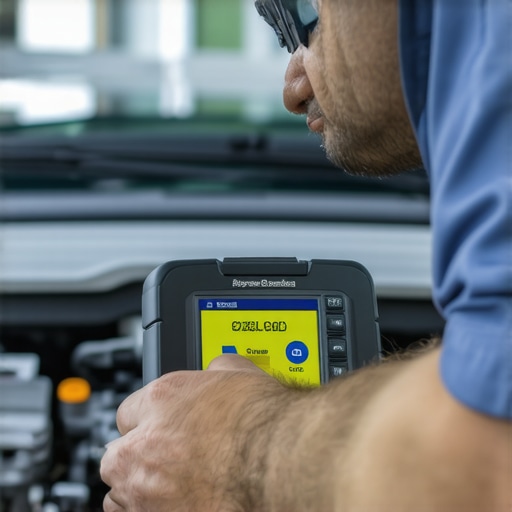
For fluid checks, I use a dedicated transmission fluid tester that helps me verify fluid condition and level, avoiding costly repairs down the line. Remember, in 2025, vehicles are becoming smarter, and leveraging tools like advanced code readers and sensor analyzers is essential to stay ahead. These tools integrate seamlessly with apps and firmware updates, ensuring your diagnostics are always current. As automotive technology evolves, so does the need for precise tools that can interpret complex data and provide actionable insights. It’s clear that the future of maintenance is digital and connected, giving you real-time updates and troubleshooting tips. To keep your car performing at its peak, I recommend regularly updating your diagnostic software and investing in multi-functional tools that can handle multiple maintenance tasks efficiently.
Make sure to try out one of these advanced tools—like your own diagnostic scanner—and see how it transforms your maintenance routine. It’s a game-changer for long-term vehicle health and longevity. For more in-depth strategies, check out these expert diagnostic tips and learn how to utilize your tools effectively.
The Hardest Lesson I Learned About Car Maintenance
One of my biggest mistakes was neglecting subtle signs of fluid degradation, which cost me dearly when my transmission started slipping. I learned that regular fluid analysis can reveal issues before they escalate, saving hundreds on costly repairs.
Three Myths About Auto Tune-Ups That Held Me Back
I used to believe that more frequent oil changes always meant better performance. In reality, following manufacturer recommendations and using the latest diagnostic tools ensures your vehicle gets what it truly needs, especially with the advanced systems in 2025 models.
What Experts Won’t Tell You About Preventive Car Care
Many overlook the importance of professional diagnostics, assuming their car runs smoothly. But modern vehicles hide issues behind sensors—regular checkups at trusted auto shops like Collisionfixer can detect these early and keep your car performing optimally.
My Essential Toolkit for 2025 Car Maintenance
Investing in quality diagnostic tools like the BlueDriver scanner and digital tire gauges such as the Accutire MS-4021 has transformed my maintenance routine. These tools help me catch problems early and maintain peak performance with confidence.
Fuel Your Drive with Action: Take Charge Today
Remember, your vehicle’s health in 2025 depends on proactive care and smart tools. Don’t wait for a breakdown—start using advanced diagnostics and follow tailored maintenance schedules now to enjoy safer, more reliable driving. How have you optimized your car care routine this year? Share your experiences below!