Ever had that sinking feeling when your car just doesn’t run as smoothly as it used to? I remember the first time my vehicle started stuttering on the highway. It was a clear sign I’d neglected some essential maintenance. That lightbulb moment made me realize how critical proper auto care is, especially as cars become more sophisticated in 2025. If you’re tired of dealing with unexpected breakdowns or sluggish performance, you’re not alone. Many drivers overlook small issues until they turn into costly repairs.
Why Keeping Your Car in Top Shape Matters More Than Ever in 2025
With technology advancing rapidly, modern vehicles require more precise maintenance routines. Neglecting routine checks like oil changes or transmission tune-ups can severely impact your car’s efficiency and longevity. Plus, a well-maintained vehicle not only performs better but also keeps you safer on the road. I learned this firsthand when my car’s transmission started slipping, and I nearly lost control. A quick visit to a trusted mechanic and some expert tips made all the difference.
Have You Faced This Problem Before?
If you’ve ever felt your car hesitate, shudder, or lose power unexpectedly, then you know how frustrating and dangerous it can be. The good news? Many of these issues are preventable with simple, effective maintenance strategies. I’ll share some of my favorite tips that have saved me money and stress over the years, plus point you toward credible resources like auto repair and service tips to help you stay ahead of problems.
One early mistake I made was ignoring the importance of regular transmission tune-ups. It seemed minor at first, but overlooking this vital component led to costly repairs down the line. Learning from that, I now prioritize maintenance strategies outlined by experts, which you can explore in detail through professional transmission tune-up tips. The difference in my car’s performance was night and day.
So, why wait for a breakdown? The next section will walk you through practical steps to keep your vehicle running like new in 2025. Ready to turn your car into a reliable, high-performance machine? Let’s dive in and get started!
Check Your Fluids Regularly and Correctly
Start with a simple yet vital step: checking your car’s fluids. Think of your engine like a human body; without proper hydration, it won’t perform well. I remember one time I neglected my oil levels and noticed my engine overheating during a summer trip. To prevent this, I now set a monthly reminder to inspect oil, coolant, brake fluid, and transmission fluid. Use a clean rag to wipe dipsticks, and always refer to your vehicle’s manual for the correct levels. If fluids are low or dirty, top them up or replace them following expert guidelines in auto repair and service tips.
Prioritize Transmission Tune-Ups
Your transmission is the heartbeat of your vehicle’s power transfer. I learned this the hard way when my transmission started slipping unexpectedly. Instead of waiting for a breakdown, I scheduled a professional transmission tune-up. During this process, technicians check for worn-out parts, fluid quality, and system pressures. Think of it like a dental check-up—preventive care saves you from costly repairs later. Regular tune-ups, ideally every 30,000 miles, will ensure your transmission shifts smoothly and prolong its life.
Inspect and Replace Filters
Filters act like your car’s health guards, trapping dirt and debris. I once ignored my air filter, and my fuel efficiency dramatically dropped. Replacing filters regularly is a straightforward way to boost performance. Check your engine air filter, cabin air filter, and fuel filter every 15,000 miles or as advised in auto repair tips. To replace an air filter, locate the filter housing, remove the old filter, and insert a new one—it’s a quick fix that makes a big difference.
Perform Tire Maintenance for Safety and Efficiency
Think of your tires as your car’s shoes; worn-out shoes cause discomfort and inefficiency. I once had a tire blowout because I ignored low tread depth. Regularly check tire pressure with a gauge, ensuring it matches the manufacturer’s specs. Also, inspect tread depth—use a coin or tread depth gauge. Rotate your tires every 5,000 to 7,500 miles to promote even wear. Properly inflated and rotated tires improve fuel economy and handling, which is especially important in 2025’s rapidly evolving driving environment.
Keep Your Battery in Top Shape
Your car’s battery is like your human energy source—if it fails, everything stalls. I learned this when my car refused to start on a cold morning. To avoid surprises, check the battery terminals for corrosion, clean them with a wire brush, and test voltage regularly. If your battery is more than three years old, consider a replacement before it leaves you stranded. For detailed guidance, explore auto diagnostics tips.
Schedule Professional Inspections
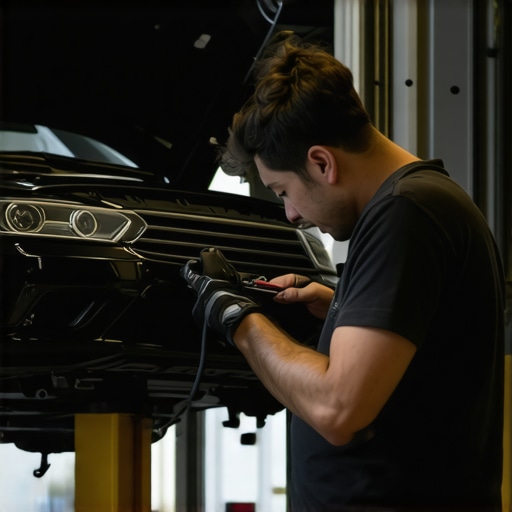
While DIY checks are useful, nothing replaces a professional inspection. Think of mechanics as your car’s doctor—they identify issues before symptoms appear. Schedule a comprehensive inspection at least once a year or every 10,000 miles. They’ll assess brakes, suspension, and electronic systems, ensuring everything functions optimally for 2025’s high-tech vehicles. Regular inspections save money and keep you safe on the road.
< >
>
Many car owners operate under misconceptions that can lead to costly mistakes. Let’s dig into some of the most prevalent myths about vehicle maintenance, especially relevant in 2025’s fast-evolving automotive landscape. Understanding these nuances can save you money and extend your car’s lifespan.
Is Regular Oil Change Really Necessary Every 3,000 Miles?
While the old rule was to change oil every 3,000 miles, modern engines and synthetic oils have shifted this paradigm. Many manufacturers now recommend intervals of 7,500 to 10,000 miles. Relying on this outdated advice can lead to unnecessary oil changes, wasting money and resources. However, neglecting oil quality and level checks remains a mistake. Always refer to your vehicle’s manual and consider your driving habits. In some cases, especially if you do frequent short trips or drive in harsh conditions, more frequent checks are warranted. For detailed guidance, check out auto repair tips.
What About Transmission Fluid Replacement
Many believe that transmission fluid lasts the lifetime of the vehicle, but this is a common misconception. In reality, transmission fluid can degrade over time, especially under heavy use or in extreme climates. Waiting too long can cause shifting issues and even damage the transmission. The optimal approach is regular inspections and replacements based on your car’s service schedule. Advanced vehicles in 2025 often have electronic sensors to alert you when fluid quality drops, but manual checks remain essential. For in-depth strategies, visit transmission tune-up tips.
Is It Better to Skip Preventive Maintenance and Wait for Problems?
This is a dangerous myth. Waiting for signs of trouble often results in more expensive repairs and safety risks. Modern vehicles are equipped with sensors and diagnostics that can warn you of issues before they become severe. Preventive maintenance, such as regular inspections and timely replacements, keeps your vehicle running smoothly and helps avoid breakdowns. Skipping these steps might seem like saving money initially, but the long-term costs are significantly higher. Stay proactive and consult trusted sources like auto repair experts.
Have you ever fallen into this trap? Let me know in the comments. Being aware of these myths empowers you to make smarter maintenance decisions and keep your vehicle in top shape well into 2025 and beyond.
Keeping your vehicle in top condition requires the right tools and a systematic approach. Over the years, my personal experience has shown that investing in quality equipment not only makes maintenance easier but also extends your car’s lifespan. In 2025, with automotive technology advancing rapidly, staying updated with the latest tools is crucial for effective upkeep.
Why I Recommend a Digital Inspection Scanner
I personally rely on a high-quality OBD-II scanner to keep an eye on my vehicle’s electronic systems. This device allows me to quickly diagnose issues, clear error codes, and monitor real-time data such as engine temperature and fuel efficiency. The auto diagnostics tips I’ve learned emphasize the importance of having a reliable scanner, especially as vehicles incorporate more sensors and electronic components in 2025. Modern scanners connect wirelessly to your smartphone, providing instant insights and recommendations, which makes routine checks more accessible.
Invest in a Quality Tire Pressure Gauge and a Rotating Stand
Maintaining proper tire pressure is fundamental for safety and fuel efficiency. I use a digital tire pressure gauge that gives precise readings down to the decimal. Additionally, a tire rotating stand helps me inspect tread wear evenly and rotate tires efficiently. Regular tire maintenance, combined with these tools, can prevent blowouts and uneven wear—issues that are especially dangerous in today’s fast-paced driving environment.
How do I maintain my tools over time?
Proper storage and regular calibration are vital. I keep my diagnostic scanner and gauges in a dedicated toolkit, cleaning and calibrating them annually. For electronic tools, updating firmware ensures compatibility with new vehicle models and software updates. This proactive approach keeps my tools functioning accurately, saving me money and time during maintenance sessions.
Future Trends in Vehicle Maintenance Tools
Looking ahead, I predict that AI-powered diagnostic devices and augmented reality (AR) glasses will become standard for DIY maintenance. These innovations will provide step-by-step repair guides and real-time feedback, making vehicle upkeep more intuitive. Staying ahead of these trends will require investing in adaptable tools and software, much like how I’ve adopted cloud-based diagnostic apps that sync across devices.
Finally, I encourage you to try out a professional-grade OBD-II scanner if you haven’t already. It’s an invaluable asset for maintaining your vehicle’s health and catching problems early. Remember, consistent maintenance with the right tools is the best way to keep your car running smoothly in 2025 and beyond.
Throughout my years of caring for vehicles, I’ve discovered that some lessons are only learned the hard way. One of the most valuable insights I gained is that regular, proactive maintenance not only saves money but also keeps your car running smoothly in the long run. In 2025, with automotive technology advancing at a rapid pace, staying ahead means embracing both traditional upkeep and new tools that make diagnostics easier and more accurate.
The Hardest Lesson I Learned About Car Maintenance
Initially, I believed that waiting until I noticed a problem was sufficient. That mindset cost me dearly when my transmission started slipping unexpectedly. It was a wake-up call that preventive care, like regular transmission tune-ups, is essential—especially as vehicles become more complex. Now, I schedule professional inspections and use digital tools to monitor my car’s health, which has significantly extended its lifespan.
3 Myths About Vehicle Care That Held Me Back
One common misconception I had was that changing oil every 3,000 miles was mandatory for modern engines. Turns out, many vehicles now recommend intervals of up to 10,000 miles with synthetic oils. Another myth was that transmission fluid lasts forever—regular checks and replacements are still necessary. Lastly, I used to think skipping routine maintenance saved money, but I learned that catching issues early prevents costly repairs and breakdowns.
Where to Go from Here
If you want to keep your vehicle performing at its best in 2025, equip yourself with reliable diagnostic tools like a quality OBD-II scanner. These devices provide instant insights into your car’s electronic systems, which are more integrated than ever. Also, consider investing in essential tools such as a digital tire pressure gauge and a tire rotating stand—they make regular maintenance quicker and more accurate. For comprehensive guidance, I recommend exploring auto repair and service tips.
Your Turn to Take Charge
Maintaining your vehicle in 2025 requires a proactive mindset and the right tools. Don’t wait for a breakdown—start implementing these tips today to ensure your car remains reliable and efficient. Remember, a well-maintained vehicle isn’t just safer; it’s also more enjoyable to drive. What’s the first maintenance step you plan to tackle this month? Let me know below.