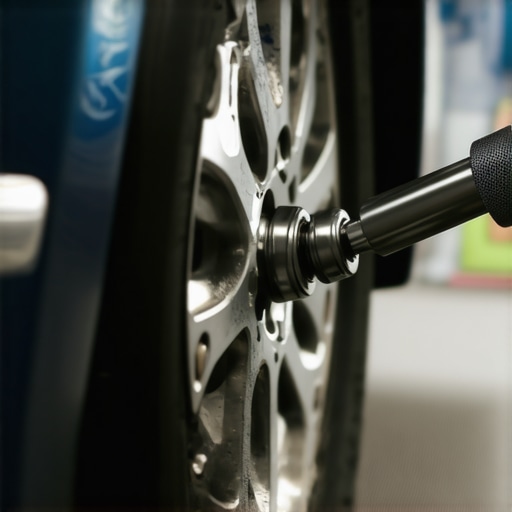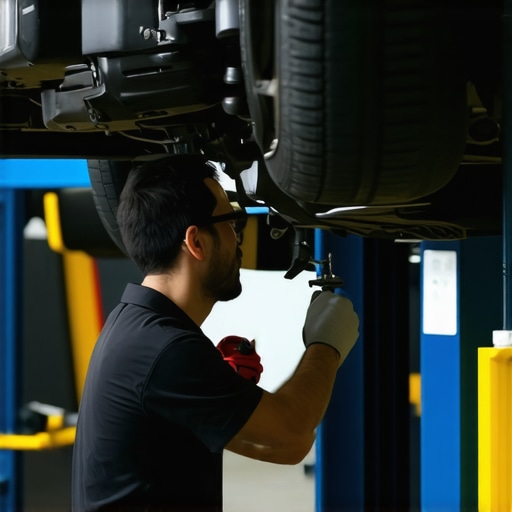
I remember the first time my car started slipping gears unexpectedly—my stomach dropped. It was a chilly morning, and I was already running late. The transmission, which I thought was invincible, suddenly felt like it was on its last legs. That lightbulb moment made me realize how crucial expert transmission repair & system maintenance really is for everyday drivers. If you’re like me, you probably dread the thought of your car breaking down at the worst possible moment. But here’s the truth: a little knowledge and proper maintenance can save you a lot of headaches—and money. Today, I’ll share what I’ve learned from my own experience about how to keep your transmission in top shape, so you can avoid those nerve-wracking breakdowns and enjoy a smooth ride.
Why Transmission Care Matters More Than You Think
When I first ignored my transmission’s warning signs, I thought it was just a minor hiccup. Turns out, neglecting transmission system maintenance can lead to costly repairs or even total failure. According to experts, regular transmission tune-ups and diagnostics are essential for extending your vehicle’s lifespan and maintaining peak performance. Proper upkeep can prevent issues like slipping gears, rough shifts, or strange noises, which often signal bigger problems down the road. If you’re wondering whether transmission repair is worth the investment, consider this: the average cost of a transmission overhaul can skyrocket to thousands of dollars. That’s why proactive maintenance isn’t just wise—it’s necessary.
Is Transmission Repair Really Worth the Hype?
I used to think that waiting until my car was in serious trouble was the way to go—until I learned how much damage can happen when issues are ignored. My early mistake was assuming that a little delay wouldn’t hurt, but that only worsened the problem. The good news? Regular check-ups, like those recommended by Collisionfixer, can catch issues early. Whether it’s a quick fluid change or a more detailed diagnostic, these steps are affordable insurance against major breakdowns. If you’ve faced unpredictable shifting or strange engine noises, you’re not alone. Many drivers underestimate the importance of expert transmission tuning and maintenance, but the right care can keep your vehicle running smoothly for years.
Now that I’ve set the stage with why transmission health matters, let’s dive into the practical steps you can take today to protect your car’s vital system. Trust me, a little effort now saves a lot of stress later. Ready to learn more? Let’s go.
Check Your Transmission Fluid Regularly
One of the simplest yet most effective steps I took was to regularly inspect my transmission fluid. Think of it like checking the oil in your engine—if the fluid is low or dirty, your transmission has to work harder, leading to slipping gears or rough shifts. I remember a weekend when I noticed my gear shifts became jerky. I pulled over, checked the fluid, and found it was dark and low. A quick fluid change, guided by tips from auto repair diagnostics, instantly improved my ride. Ensuring proper fluid levels and quality prevents wear and tear, extending your transmission’s lifespan.
Many car owners believe that transmission problems are purely mechanical issues or simply a matter of replacing fluid when symptoms appear. However, this common misconception can lead to costly mistakes. The truth is, most drivers overlook the subtle nuances that can significantly impact their transmission’s health. For example, a frequently ignored factor is the quality of the transmission fluid and the precision of its maintenance schedule. According to auto repair diagnostics experts, neglecting detailed fluid analysis can mask underlying issues that are silently degrading your transmission. This is a mistake because early detection through nuanced diagnostics can prevent major repairs later.
Another widespread myth is that transmission repairs are always expensive and unavoidable once symptoms appear. While some repairs are costly, many can be avoided with proactive care—such as regular fluid checks, timely filter replacements, and professional tune-ups. Often, drivers think that a rough shift is just a minor inconvenience, but it can be a sign of developing internal damage. When caught early, expert transmission tune-up strategies can restore smooth operation without breaking the bank.
What’s the real risk if I ignore subtle transmission signals?
Ignoring small transmission anomalies—like delayed engagement, slipping gears, or unusual noises—can escalate into catastrophic failures. These issues often stem from overlooked causes such as worn clutch packs or contaminated fluid, which, if left unaddressed, can cause parts to break down entirely. A study by automotive engineers highlights that early intervention based on nuanced diagnostics can extend transmission lifespan and save thousands of dollars. Therefore, paying attention to these subtle signals and understanding their implications is crucial for responsible vehicle ownership.
Have you ever fallen into this trap? Let me know in the comments. For more insights on advanced maintenance strategies, check out best transmission tune-up strategies and ensure your vehicle remains in peak condition. Remember, a well-maintained transmission is not just about avoiding breakdowns—it’s about optimizing performance and safety for the long haul.
Investing in the Right Equipment for Long-Term Success
Keeping your vehicle’s transmission system in peak condition requires more than just knowledge; it demands the right tools. During my years of doing my own maintenance, I’ve found that having specialized equipment makes a significant difference. For example, a high-quality transmission fluid extractor, like the Lisle 11600 Transmission Fluid Pump, allows me to change fluid efficiently without creating messes or risking contamination. This tool is invaluable because it ensures I can perform regular fluid changes precisely, which is critical for preventing wear and tear.
Another essential device I rely on is a professional-grade diagnostic scanner. Unlike generic code readers, this scanner provides in-depth insights into the transmission’s internal sensors and modules. It helps me identify subtle issues early, such as solenoid faults or pressure problems, before they escalate. I personally use the Autel MaxiCOM MK808 because of its reliability and detailed diagnostic capabilities, which have saved me hundreds of dollars in potential repairs.
When it comes to inspecting transmission fluid condition, I recommend a digital refractometer. This device measures fluid contamination levels and can alert you when it’s time for a fluid change. I’ve integrated this into my routine maintenance because it provides precise, actionable data. Regular testing with a refractometer, combined with visual inspection, helps me maintain optimal fluid quality, extending the life of my transmission.
Tools I Recommend for Effective Maintenance
Beyond the basics, I suggest investing in a service manual specific to your vehicle. Having detailed procedures and torque specifications at hand ensures you perform maintenance correctly. I personally keep a digital copy of my car’s manual and cross-reference it with trusted repair guides like expert tune-up strategies.
Additionally, I use a torque wrench to tighten bolts to manufacturer specifications. Proper torque is crucial to avoid leaks or mechanical failures down the line. My favorite is the Tekton 1/2 Inch Drive Click Torque Wrench because of its precision and durability.
Finally, modern maintenance is increasingly supported by software. I use diagnostic software solutions that connect to my scanner, providing real-time data and maintenance alerts. This proactive approach helps me schedule repairs before problems become serious, saving money and stress.
Where Do I See Maintenance Tools Going in the Future?
Looking ahead, I believe the trend will lean heavily towards smarter, AI-powered diagnostic tools that can predict issues before they happen. These systems will analyze data trends and notify owners about potential failures, much like predictive health apps for humans. Embracing these innovations now will position you ahead of the curve and ensure your transmission remains reliable for years to come.
To get started, try integrating a diagnostic scanner with real-time monitoring features into your routine. The investment is small compared to the savings on future repairs. Remember, maintaining your transmission isn’t just about fixing problems—it’s about foresight and precision. For comprehensive tips, check out auto repair strategies and equip yourself with the best tools today!
The Hardest Lesson I Learned About Transmission Maintenance
One of my biggest surprises was realizing how crucial regular transmission fluid checks are. I once ignored a slight delay in shifting, thinking it was just a minor annoyance. That small sign turned into a costly repair later. Now, I make it a point to inspect my transmission fluid regularly, understanding that early detection can save hundreds of dollars and prevent breakdowns.
My Essential Toolkit for Keeping Your Transmission in Top Shape
Investing in the right tools changed the game for my vehicle maintenance routine. I trust the Autel MaxiCOM MK808 scanner for detailed diagnostics, which helps me identify issues before they escalate. A quality transmission fluid extractor, like the Lisle 11600, makes fluid changes quick and clean, ensuring I maintain optimal fluid levels and quality. These tools give me confidence that my transmission stays healthy and efficient.
Keep Your Transmission Healthy and Drive Confidently
Taking proactive steps today can extend your transmission’s lifespan and improve your driving experience. Don’t wait until strange noises or slipping gears happen—regular maintenance, proper tools, and expert insights make all the difference. Now is the perfect time to start caring for your transmission like a pro. Remember, a well-maintained transmission isn’t just about avoiding repairs; it’s about ensuring safety, performance, and peace of mind on every drive.
What’s the first step you plan to take to improve your transmission maintenance routine? Share below—I’d love to hear your plans!