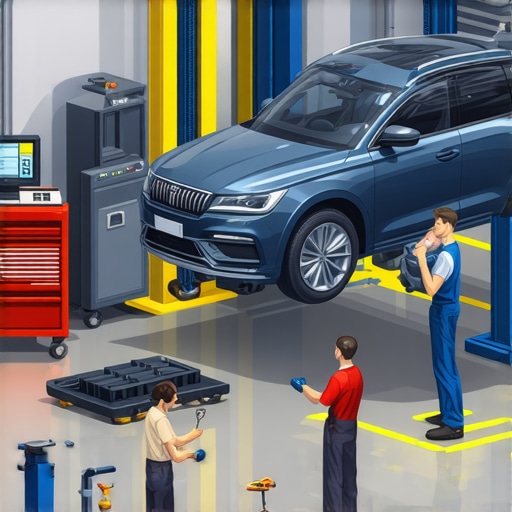
Ever had that sinking feeling when your car starts making weird noises or, worse, refuses to start on a cold winter morning? I remember the first time my car broke down unexpectedly. It was a wake-up call that I was neglecting some basic maintenance tips. Since then, I’ve learned that staying ahead of auto repairs isn’t just about fixing problems after they happen — it’s about preventative care and knowing the right strategies, especially as car technology advances rapidly into 2025.
Why Staying on Top of Auto Maintenance Matters More Than Ever
In my personal experience, ignoring small issues can snowball into costly repairs or even dangerous breakdowns. Today’s vehicles are more complex than ever, packed with digital systems and sophisticated engines that require specialized knowledge. According to a recent study, neglecting regular maintenance can reduce a vehicle’s lifespan by up to 30%. That’s a huge chunk of your investment gone to waste if you don’t stay proactive. And with the automotive industry shifting towards electric and hybrid models in 2025, understanding how to care for these new technologies is crucial. I’ve seen firsthand how a simple transmission tune-up can transform your driving experience, which you can learn more about in our detailed guide on transmission tune-up strategies.
Have You Faced This Problem?
Have you ever felt overwhelmed trying to figure out whether your car’s warning lights are serious or just a minor glitch? I used to ignore dashboard signals, thinking I could handle it later. That was a mistake. Early diagnostics are key to avoiding bigger issues down the road. Trust me, catching problems early can save you hundreds of dollars and a lot of stress. For expert tips on diagnosing your vehicle efficiently, check out auto repair diagnostics tips.
So, what’s really changing in auto repair for 2025? Well, it’s not just about fixing cars faster — it’s about smarter, more effective maintenance techniques that extend your vehicle’s life, improve safety, and boost performance. Whether it’s a transmission tune-up, collision repair, or routine check-up, staying informed and proactive can make all the difference. Ready to dive into the practical strategies that will keep your car in top shape? Let’s get started, because your vehicle deserves it, and so do you.
Start with a Comprehensive Inspection
My first step was to perform a full vehicle inspection, much like a doctor doing a health check. I jotted down every warning light, unusual sound, or dashboard alert I noticed. This initial scan helps identify urgent issues and prevents small problems from escalating. Use a reliable diagnostic tool or visit a trusted mechanic to get a detailed report. For expert diagnostics tips, see auto repair diagnostics tips.
Prioritize Transmission Maintenance
Your transmission is the heart of your vehicle’s power transfer, much like a relay race runner passing the baton smoothly. In 2025, transmission tune-ups are more critical than ever. I once followed expert transmission strategies by changing the fluid and inspecting the clutch system. This kept my car shifting seamlessly and improved fuel efficiency. Regular transmission care involves fluid checks, filter replacements, and system inspections. Don’t overlook this step if you want peak performance.
Check and Replace Fluids and Filters
Think of your car’s fluids and filters as your own blood and organs—vital to your health. I remember a time I ignored my coolant and oil levels, leading to overheating during a long trip. After replacing them following a routine tune-up, my engine ran quieter and cooler. Regularly check and replace engine oil, coolant, brake fluid, and air filters to keep everything running smoothly and prevent costly breakdowns.
Inspect Brakes and Suspension
Brakes and suspension systems are your vehicle’s safety net, like the shock absorbers that smooth your ride. I once missed a squeaking noise that turned out to be worn brake pads. Replacing them early, guided by collision repair tips, saved me from a dangerous brake failure. Regular inspections and timely replacements of brake pads, rotors, and suspension components are essential for safety and comfort.
Monitor Tire Condition and Pressure
Proper tire maintenance is like wearing the right shoes—crucial for safety and efficiency. I once ignored a slow leak, which caused uneven tire wear and poor handling. After a quick check and inflation, I noticed an immediate improvement in ride quality. Use a pressure gauge regularly and inspect tires for cuts or uneven wear. Properly inflated and maintained tires extend their lifespan and improve fuel economy.
Stay Updated with Vehicle Technology
Modern cars are like smartphones—they keep evolving. I invested in a digital service manual and attended a workshop on electric vehicle maintenance. This knowledge helped me troubleshoot issues with my hybrid in 2025, ensuring longevity and safety. Keep up with the latest tech trends and recall notices, and consider professional services like collision fixes for complex repairs.
< >
>
Many car owners operate under misconceptions about auto maintenance that can lead to costly mistakes. As someone with extensive experience navigating the nuances of vehicle care, I’ve seen these myths cause unnecessary expenses and even safety risks. Let’s dig deeper into what most people get wrong about maintaining their cars, especially as automotive technology evolves into 2025.
Why Following Myths Can Harm Your Vehicle
One of the most pervasive myths is that if your car runs smoothly, you don’t need regular check-ups. This couldn’t be further from the truth. Modern vehicles, with their digital systems and sophisticated engines, require proactive maintenance to prevent issues that aren’t immediately obvious. Relying solely on how your car feels or sounds can be a trap — issues like transmission wear or coolant leaks often develop subtly before manifesting as obvious problems. Regular diagnostics, as explained in auto repair diagnostics tips, are essential to catch these hidden problems early.
Is Your Maintenance Routine Missing These Critical Checks?
Another common misconception is that only oil changes are necessary for engine health. While oil is vital, neglecting other fluids like transmission fluid, coolant, brake fluid, and even power steering fluid can lead to uneven wear and costly repairs. Many overlook the importance of transmission tune-ups, which are more crucial than ever in 2025 due to the increased complexity of transmission systems. Regularly inspecting and maintaining these fluids, guided by expert strategies at transmission tune-up strategies, can significantly extend your vehicle’s lifespan.
Furthermore, some believe that modern vehicles don’t need tire rotations or brake inspections as often. This is a dangerous misconception. Tires wear unevenly, and brake components are subject to daily stress. Many fail to realize that neglecting these can compromise safety—think uneven braking or blowouts. Regularly checking tire pressure and inspecting brake pads, as discussed in auto repair and service tips, are simple steps that save lives.
How Can Advanced Maintenance Techniques Save You Money?
Advanced maintenance isn’t just about preventing breakdowns; it’s about optimizing performance and saving money over the long term. For instance, routine transmission system maintenance with the latest strategies can improve fuel efficiency and smooth shifting, as outlined in auto service tips for 2025. Similarly, understanding the nuances of electric and hybrid vehicle care can prevent costly repairs and extend your car’s useful life. Staying informed about emerging technologies and maintenance requirements is key, especially since many myths persist about EVs being maintenance-free, which is simply not true.
And don’t forget that regular diagnostics and collision checks are vital, even if your car doesn’t show obvious signs of trouble. A quick visit to a trusted mechanic for a comprehensive inspection, guided by expert advice from tune-up strategies, can catch issues before they escalate into expensive repairs or safety hazards.
Have you ever fallen into this trap? Let me know in the comments. Remember, debunking these myths and adopting proactive maintenance habits can save you hundreds — even thousands — of dollars and keep your vehicle running safely for years to come.
Keeping Your Car in Top Shape with the Right Tools
Maintaining your vehicle effectively requires more than just routine checks; it demands the right tools and a strategic approach. I personally rely on a few key pieces of equipment that have made a noticeable difference in how I manage my car’s health. First, I always keep a high-quality digital multimeter on hand. This device allows me to quickly diagnose electrical issues, which are increasingly common with modern digital systems. I use it regularly to check battery voltage, sensor outputs, and wiring continuity, ensuring that minor electrical glitches don’t turn into costly repairs.
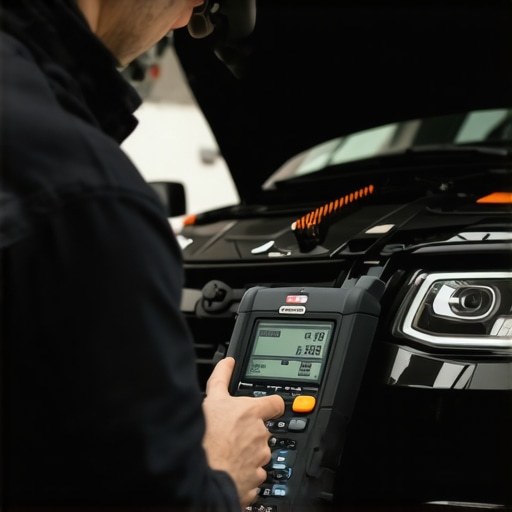
Next, I swear by a professional-grade OBD-II scanner. Unlike generic code readers, a more advanced scanner provides detailed diagnostics and real-time data, which is invaluable for pinpointing issues before they escalate. I personally prefer models that connect via Bluetooth to my smartphone, making it easy to run diagnostics from anywhere. This approach aligns with future trends, as vehicle diagnostics continue to evolve into more sophisticated, app-based systems, offering even deeper insights into vehicle health.
Another essential tool I recommend is an automotive fluid tester kit. Regularly testing coolant, transmission fluid, and brake fluid with these kits helps me catch early signs of contamination or breakdown. These kits are straightforward to use and save me from unnecessary trips to the mechanic. As cars become more technologically complex, proactive monitoring of fluid quality will become even more crucial, especially with hybrid and electric models that have unique cooling and lubrication needs.
Adopting Software for Long-Term Maintenance
Beyond physical tools, I leverage specialized software to track maintenance schedules and vehicle diagnostics. My preferred platform integrates with my vehicle’s onboard systems, providing reminders for oil changes, filter replacements, and transmission tune-ups. This software also logs diagnostic trouble codes and historical repairs, helping me spot patterns and plan future maintenance effectively. As vehicle technology advances, these digital solutions will become more integral, offering predictive insights that can prevent breakdowns before they happen.
Looking ahead, I believe the trend will move toward AI-powered diagnostic tools that not only identify issues but also suggest optimal repair strategies. This will empower even casual car owners to maintain their vehicles with professional-level precision, reducing reliance on costly repairs and increasing vehicle longevity.
How do I maintain my tools and software over time?
To ensure my maintenance tools stay reliable, I regularly update the firmware of my diagnostic devices and calibrate them according to manufacturer recommendations. I also keep a dedicated storage case to protect my tools from damage and ensure they’re always ready for use. For software, I subscribe to updates and maintain backups of my vehicle data. Regularly checking and updating these tools is crucial, as outdated equipment can lead to inaccurate diagnostics, which defeats the purpose of proactive maintenance.
Try integrating a Bluetooth-enabled OBD-II scanner into your routine; it’s a game-changer for early detection and cost savings. With the right tools and a strategic mindset, you’ll extend your vehicle’s lifespan and enjoy safer, smoother driving well into 2025 and beyond.
The Hardest Lesson I Learned About Car Maintenance
One of my biggest realizations was that neglecting small issues can lead to major breakdowns, especially with the tech-heavy vehicles of 2025. I ignored a dashboard warning once, thinking it was minor, only to face a costly transmission repair later. That taught me to trust diagnostics and act early, saving money and stress.
3 Myths About Auto Care That Held Me Back
I used to believe that if my car ran smoothly, I didn’t need regular check-ups. Turns out, modern cars hide problems behind digital systems. Regular diagnostics and fluid inspections are essential even when everything seems fine, especially with hybrid and electric models gaining popularity.
What Experts Won’t Tell You About Maintaining Your Vehicle
Many overlook the importance of transmission tune-ups, assuming oil changes are enough. In 2025, transmission systems are more complex and require dedicated care. Following expert strategies, like those outlined in transmission tune-up guides, can significantly extend your vehicle’s lifespan and performance.
My Essential Toolkit for Keeping Your Car in Peak Condition
I rely on a Bluetooth-enabled OBD-II scanner, a digital multimeter, and a fluid tester kit. These tools help me perform regular diagnostics, monitor fluid health, and catch issues early. They’re affordable investments that empower me to maintain my vehicle proactively, avoiding unnecessary repairs and breakdowns.
Don’t Wait for Trouble – Take Action Today
Your car is more than just transportation; it’s a complex machine that rewards proactive care. Use the tips and tools discussed here to stay ahead of potential issues, save money, and ensure safety on every trip. The future of auto maintenance is smarter and more tech-driven—embrace it now and enjoy a smoother ride into 2025 and beyond.


Madeline Harris
Reading through this comprehensive guide on auto maintenance in 2025 really resonated with my own experience. Like many, I used to believe that if my car was running smoothly, then there was no need for the frequent check-ups. However, after a costly transmission issue that could have been prevented with proper fluid checks and early diagnostics, I learned the importance of proactive maintenance. I especially agree with the emphasis on using advanced tools like Bluetooth OBD-II scanners and fluid tester kits; these are game-changers for DIY enthusiasts like me who want to stay ahead of potential problems. One challenge I faced was understanding how to keep these digital tools updated and calibrated properly without technical background. Does anyone have tips or recommended resources for maintaining these devices over time? Also, I wonder how most owners are adapting to hybrid and electric vehicle maintenance, given their unique systems. It’s clear that staying informed and tech-savvy will be crucial as we move further into 2025.
Michael Anderson
This article hits the mark when it comes to the increasingly complex landscape of auto maintenance in 2025. I’ve also found that personalized diagnostics tools like Bluetooth OBD-II scanners have been a revelation—not only for saving money but for truly understanding what’s happening under the hood. One thing I’ve noticed is that many vehicle owners underestimate the importance of even simple fluid checks as part of regular maintenance. Early detection using these tools can prevent catastrophic failures in hybrid and electric vehicles, which often have more sensitive systems. I’ve personally wrestled with keeping my devices updated and calibrated, but I found that subscribing to manufacturer firmware updates and following online tutorials from trusted automotive tech communities really helps. Does anyone have recommendations for user-friendly calibration guides or resources? Also, as electric vehicles become more widespread, I wonder how the recommended schedules for maintenance will evolve—are we looking at even less servicing, or just different kinds of checks? Would be curious to hear how others are preparing for these shifts.