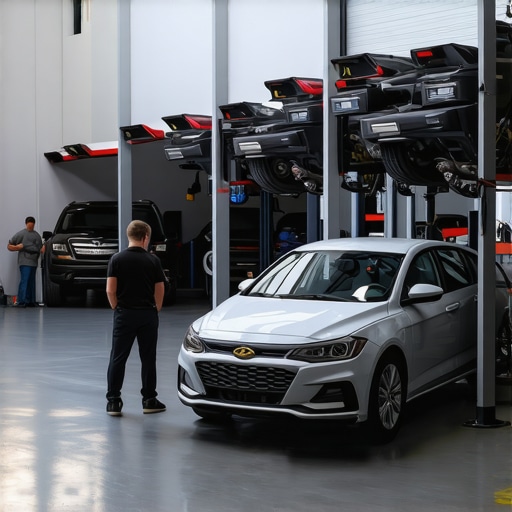
I remember the moment vividly—my car suddenly shuddered on the highway, and I felt a sinking feeling in my gut. That unexpected jolt was a wake-up call. It made me realize how crucial proper car maintenance and collision repairs are, especially as we move into 2025, with more advanced vehicles and evolving safety standards. If you’ve ever faced a similar scare or just want to keep your vehicle in top shape, you’re not alone. Many drivers overlook the importance of regular service until a problem strikes. But here’s the thing: proactive care can save lives, and I’m here to help you navigate the best options for car service and collision fixes that ensure your safety. Today, we’ll explore how to avoid costly repairs and stay safe on the road, backed by my personal experience and expert insights.
Why Staying Ahead with Vehicle Maintenance Matters More Than Ever
In 2025, cars are smarter, safer, and more connected. Yet, despite all these advancements, neglecting routine maintenance can lead to serious safety issues. A well-maintained vehicle is less likely to fail unexpectedly, especially when it counts most. For example, ignoring transmission tune-ups or collision repairs can compromise your car’s safety features and overall performance. I learned this the hard way early in my driving days when skipping minor repairs led to a costly breakdown. Since then, I’ve made it a point to follow recommended service schedules, like those outlined in effective transmission repair tips and other essential maintenance guides. Trust me, staying proactive isn’t just about avoiding breakdowns; it’s about protecting yourself and your loved ones. As safety standards evolve, so do the repair techniques and collision fixes necessary to keep your vehicle reliable. For instance, advancements in collision repair technology mean that minor dents or frame issues can now be fixed faster and more effectively, restoring your car’s safety performance without the need for complete replacement. That’s why understanding the latest repair strategies is vital—so you’re never caught off guard.
Is Car Service and Collision Repair Actually Worth the Hype?
Honestly, I used to think routine maintenance was just a hassle and an expense. My early mistake was neglecting small issues, thinking they weren’t urgent. Big mistake. When I finally invested in regular checkups—like those recommended in auto repair diagnostics tips—my car’s performance improved dramatically. Plus, I avoided the nightmare of major repairs down the line. Modern auto repair isn’t just about fixing what’s broken; it’s about preventing problems before they become dangerous. If you’re wondering whether all the hype around collision fixes and car service is justified, I can tell you from experience: it absolutely is. A small investment in expert maintenance today can mean safer, more reliable driving tomorrow. And with the tech available now, repairs are faster and more precise than ever. If you’ve faced a collision or suspect your vehicle isn’t performing at its best, don’t wait until it’s too late. Check out best auto repair tips and ensure your car is ready for the road ahead.
Start with a Comprehensive Inspection
Kick off your maintenance routine by thoroughly inspecting your vehicle, focusing on critical components like brakes, tires, and lights. I remember one winter when I noticed uneven tire wear; a quick check revealed low tire pressure. Filling them up and rotating the tires not only improved handling but also prevented a potential blowout. For a detailed guide, visit auto repair diagnostics tips.
Prioritize Transmission Tune-Ups
Next, pay special attention to your transmission system. Regular transmission tune-ups can boost performance and prevent costly failures. I once skipped my transmission service, which led to sluggish shifts and rough acceleration. After a professional transmission repair, my car ran smoother than ever. Use quality fluids and filters, and schedule tune-ups according to your vehicle’s manual.
Address Collision Damage Promptly
When accidents happen, swift collision repairs are essential to maintain safety. I once hit a pothole that caused minor frame misalignment; addressing it immediately with expert collision fixes restored my vehicle’s structural integrity. Modern repair techniques, like frame straightening and paintless dent removal, are faster and more efficient, ensuring your car performs at peak safety levels. For effective collision fixes, check collision repair strategies.
Leverage Diagnostic Technology
Utilize the latest diagnostic tools to identify hidden issues. I once noticed my dashboard warning light flickering; a quick diagnostic revealed a failing sensor. Addressing it early prevented a full system failure. Modern diagnostics can detect problems before they escalate, saving you time and money. Read more at auto repair diagnostics tips.
Maintain Essential Fluids and Filters
Regularly changing engine oil, replacing filters, and checking coolant levels are simple yet critical steps. I set reminders to do these every 5,000 miles, which kept my engine running smoothly and prevented overheating. Clean fluids improve safety by ensuring optimal engine response and reducing the risk of breakdowns.
Inspect and Replace Safety Equipment
Finally, ensure all safety features are functional. Check airbags, seat belts, and sensors. A friend’s car failed to deploy airbags after a minor collision because the sensor was faulty; fixing this promptly saved lives. Always verify your safety equipment is in top condition, and consider professional inspections periodically. For detailed safety checks, see collision fixes to restore safety.
Many car owners operate under misconceptions that can undermine their vehicle’s safety and longevity. Let’s dig deeper into what most people get wrong about car service and collision repairs, revealing some less obvious but crucial nuances. Understanding these can help you avoid costly mistakes and maintain your vehicle at peak performance.
Why the Popular Belief That Waiting to Fix Small Problems Saves Money Is a Trap
It’s a common myth that delaying repairs on minor issues, like small dents or squeaks, saves money. The truth is, ignoring these signs often leads to bigger, more expensive problems down the line. For example, a tiny dent that seems insignificant might be a sign of underlying frame damage or compromised safety features. Modern collision repair techniques, such as paintless dent removal, allow for quick fixes that prevent further deterioration, but only if addressed promptly. Waiting can cause issues like rust or alignment problems that escalate repair costs dramatically. To stay ahead, consider regular inspections and address minor damages immediately. For expert advice, check collision fixes to restore safety.
Don’t Overlook How Advanced Diagnostics Can Save You Big
Many assume that if their car runs smoothly, there’s no need for diagnostic tests. However, this is a dangerous misconception. Advanced diagnostic tools can detect hidden issues, especially in modern vehicles equipped with complex sensors and electronics. For instance, a failing sensor might not trigger immediate symptoms but can impact safety systems like airbags and ABS. Regular diagnostics, like those recommended in auto repair diagnostics tips, help catch problems early, preventing costly breakdowns and ensuring your vehicle performs at its best. Ignoring this can lead to unexpected failures at critical moments—something no driver wants.
What Advanced Car Owners Need to Know About Transmission Care
Most drivers believe that transmission maintenance is only necessary when problems occur. That’s a dangerous misconception, especially as vehicles become more sophisticated. Regular transmission tune-ups, including fluid changes and system checks, are vital for maintaining smooth shifting and preventing failures. Modern transmission repair strategies emphasize preventive maintenance, which can extend the life of your transmission significantly. For in-depth strategies, visit effective transmission repair tips to ensure your vehicle stays reliable.
Remember, proactive care isn’t just about avoiding inconvenience; it’s about safety. Many drivers underestimate how crucial these advanced maintenance strategies are, especially in 2025’s tech-rich vehicles. Have you ever fallen into this trap? Let me know in the comments.
Maintaining your vehicle’s optimal performance over time requires the right combination of tools, techniques, and a proactive mindset. As vehicles become increasingly sophisticated, so do the methods needed to keep them running smoothly. Today, I’ll share the specific tools I personally rely on, along with strategies to ensure your car remains reliable and safe for years to come.
Why Quality Diagnostic Tools Matter
One of the most valuable investments I’ve made is in a high-quality OBD-II scanner. This device allows me to quickly identify hidden issues that might not yet show obvious symptoms. For example, when my dashboard warning light flickered unexpectedly, a diagnostic scan revealed a failing sensor that could have led to more serious problems if left unchecked. Using tools like the latest diagnostic scanners helps catch problems early, saving both time and money and preventing safety risks.
Leveraging Software for Preventive Maintenance
Beyond hardware, I highly recommend using maintenance management apps tailored for vehicle upkeep. Apps like Car Minder or AutoCare log all service intervals, send reminders for oil changes, tire rotations, and transmission check-ups. These tools integrate with your vehicle’s data and can suggest proactive service, such as transmission tune-ups, to extend component lifespan and enhance safety.
Routine Physical Inspections
While digital tools are powerful, nothing replaces a thorough physical inspection. I keep a set of essential hand tools—socket wrenches, screwdrivers, and a flashlight—to routinely check brakes, belts, and hoses. Visual inspections can reveal cracks, leaks, or corrosion early. I also use a digital tire pressure gauge for precise readings, which is vital for safety and fuel efficiency. Regular inspections, combined with diagnostic scans, form a comprehensive approach to vehicle health.
Future of Vehicle Maintenance Tools
Looking ahead, I predict that AI-driven diagnostic tools will become commonplace, providing real-time analysis and maintenance recommendations directly to your smartphone. This integration will make proactive care even more accessible, reducing the chances of unexpected breakdowns and enhancing safety standards. Embracing these innovations now positions you ahead of the curve.
How do I keep my vehicle working over time?
Consistent use of advanced diagnostic tools, regular software updates, and routine physical inspections are key. Don’t forget to consult your vehicle’s manual and stay informed about the latest repair strategies, such as those found here. Make it a habit to check critical components regularly, and consider investing in a reliable OBD-II scanner and maintenance app. These tools empower you to identify issues early and plan preventive repairs, ensuring your vehicle remains safe and efficient for the long haul. Try integrating one of these diagnostic tools into your routine today and experience the peace of mind that comes with knowing your car is well-cared-for.
Lessons Hidden in My Own Car Mishap
- One of the most eye-opening lessons I learned was that neglecting minor repairs can snowball into serious safety hazards. That small dent from a pothole turned out to be a sign of frame damage, which I only discovered after a professional inspection.
- Investing in quality diagnostic tools changed how I approach vehicle health. Having a reliable OBD-II scanner allowed me to catch sensor failures early, saving me from costly repairs and potential accidents.
- Proactive maintenance isn’t just about saving money; it’s about peace of mind. Regular transmission tune-ups and quick collision repairs ensure my car performs safely, especially with the tech advancements in 2025 vehicles.
Tools and Resources That Keep My Car in Top Shape
- Auto Repair Diagnostics Tips: Trusted because they help me identify hidden issues before they escalate, making maintenance predictable and less stressful. Check out the latest strategies at this link.
- Effective Transmission Repair Guides: I rely on these for scheduled tune-ups, which keep my shifts smooth and prevent failures. For comprehensive strategies, visit this resource.
- Maintenance Management Apps: These help me stay on top of service intervals and remind me when it’s time for oil changes or safety checks. They’re invaluable in today’s complex vehicle landscape.
Keep Your Vehicle Safe and Reliable—Your Move Starts Today
Every journey becomes safer and more enjoyable when your vehicle is well-maintained and ready for anything. With the rapid evolution of car technology, proactive care isn’t just smart—it’s essential. Don’t wait for a breakdown or safety issue to remind you of this fact. Take control now, leverage the right tools, and make regular maintenance a priority. Your future self—and your loved ones—will thank you for it. How do you plan to improve your vehicle maintenance routine this year? Share your thoughts below and let’s keep our roads safer together!
![Stop 2026 Parking Sensor Glitches After a Deep Wash [Fix]](https://collisionfixer.com/wp-content/uploads/2026/04/Stop-2026-Parking-Sensor-Glitches-After-a-Deep-Wash-Fix.jpeg)
Michael Johnson
Reading this post really hit home for me, especially the part about addressing collision damage promptly. I had a minor fender bender last year, and at first, I thought it was just a cosmetic issue. However, after some time, I started noticing uneven handling and odd noises, which made me realize that small dents and frame issues can hide bigger safety risks if left untreated. Investing in modern repair techniques, like paintless dent removal, has made a big difference in restoring my vehicle’s safety and performance. It also made me wonder—what are some signs for car owners to recognize that minor collision damage might be more serious than it appears? Regular inspections seem like the safest way, but are there other immediate indicators we should watch for? I’d love to hear others’ experiences on catching hidden damage early and keeping their cars in top shape.
Emily Carter
This post really underscores the importance of proactive vehicle maintenance, especially with the advances in car safety tech in 2025. I remember a few years ago, I ignored some small issues like squeaky brakes and a worn-out alignment. It seemed minor at the time, but those small signs ended up causing more significant problems that affected my safety and cost me a lot more money to fix later on. What struck me most was how modern repair techniques, such as paintless dent removal, have made it easier to fix minor collision damage quickly and effectively. It made me wonder, for those of us with older vehicles still on the road, how can we adapt these newer repair strategies? Also, where do you all typically go for reliable collision repair, especially in busy urban areas? I’d love to hear your recommendations for trustworthy, tech-savvy repair shops that stay up-to-date with these innovations.
Jennifer Lee
Your story really resonates with me. I remember when I had a minor rear-end collision, and at first, I thought it was just a quick fix. But after a few weeks, I started noticing strange vibrations in my steering wheel, which made me realize that even small damage can hide bigger safety concerns. Since then, I’ve made it a point to get comprehensive collision repairs done promptly, especially with the advanced tech in newer vehicles. I’ve found that choosing a repair shop that specializes in modern, paintless dent removal and frame straightening makes a big difference in restoring safety and vehicle longevity. Has anyone here experienced issues with minor collisions that seemed insignificant but turned out to be risky later? What signs did you notice that prompted you to have a professional inspection? Would love to hear more about how others assess hidden damage before it becomes a safety hazard.
Benjamin Carter
This post really hits home for me, especially regarding the importance of addressing collision damage promptly. After a minor accident last year, I initially thought the damage was merely superficial, but I kept noticing subtle vibrations and unusual noises during drives. It turned out that there was a slight frame misalignment that, if left unchecked, could have compromised safety. This experience made me realize how vital it is to rely on modern repair techniques, like paintless dent removal and frame straightening, which can restore safety without the need for full replacements. I’m curious, what are some other signs beyond vibrations and noises that indicate underlying collision damage? Are there specific checklists or professional assessments you recommend to catch these issues early? I’d love to hear others’ tips on how to stay vigilant and ensure that minor collision repairs are not just cosmetic but genuinely safe and effective.
Sarah Miller
This post really highlights how crucial it is to prioritize proactive maintenance, especially with the rapid technological advancements in 2025 vehicles. I had a similar experience last year with a small collision that I thought was minor—just a few scratches and dents. However, after a few months, I started noticing unusual noise during acceleration and the vehicle handling felt off. It turned out that there was subtle frame misalignment that could have compromised my safety if left unaddressed. Since then, I’ve learned to rely on modern repair techniques like frame straightening and paintless dent removal, which seem to preserve safety and vehicle value much better.
One thing I’ve found useful is incorporating regular diagnostic scans to catch hidden issues early—especially in newer models with complex electronics. I’m curious, what are some signs other car owners have seen that indicate underlying collision damage? Are there specific types of noises, handling issues, or visual cues we should always be vigilant about? It’s clear that timely repairs and diagnostics are vital—not just for maintaining the vehicle’s appearance, but for safety and peace of mind too.
James Robert Wilson
This post really emphasizes the importance of prompt collision repairs and routine maintenance, especially as vehicle technology advances into 2025. I’ve had my fair share of minor accidents over the years, and I used to overlook small dents or frame misalignments, thinking they weren’t critical. However, after experiencing a near-miss caused by unnoticed structural damage, I realized how vital it is to address even minor collision damage right away. Modern repair techniques like paintless dent removal and frame straightening not only restore the vehicle’s appearance but also ensure safety. Personally, I now incorporate regular diagnostic scans and make sure safety features like airbags and sensors are thoroughly checked during maintenance. It made me wonder—what are some quick early indicators other than vibrations or noises that suggest hidden collision damage? Are there specific visual signs or common red flags that drivers should watch for? I believe staying proactive with repairs and diagnostics today greatly improves safety and longevity, especially with the complex electronics in newer models. Would love to hear from others about their experiences or tips for catching latent damage early on.