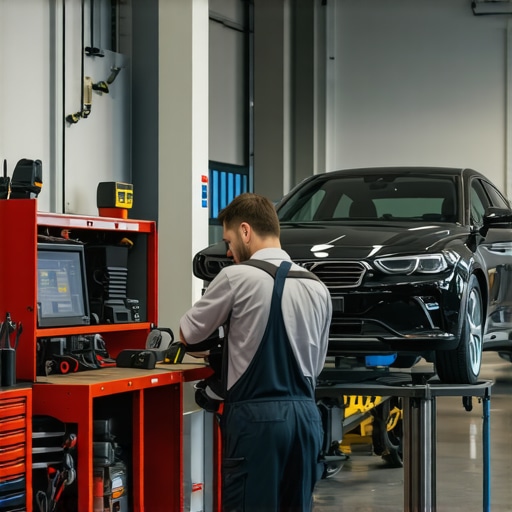
Ever had that sinking feeling when your car starts slipping gears or suddenly refuses to shift? I remember the first time my transmission gave out—panic set in. I was stranded on the side of the road, and all I could think about was how I’d ignored early warning signs. That moment was a real eye-opener. It made me realize just how crucial proper transmission care is, especially with the rapid advancements in automotive technology in 2025.
Why Staying Ahead with Transmission Tips Is a Game Changer
Today, I’m here to share what I wish I knew earlier—simple, effective strategies to keep your transmission in top shape. No more guesswork or costly surprises. From routine maintenance to understanding the latest auto tech, this guide will help you avoid the kind of breakdown that can ruin your day and drain your wallet. Trust me, a little proactive care can save you big bucks and hours of stress. Want to learn how to spot early signs of trouble and keep your vehicle running smoothly? Let’s get started.
Will These Tips Really Make a Difference
Honestly, I used to think transmission care was only for mechanics. I made a mistake early on—ignoring regular fluid changes—and paid the price later. Now, I follow specific strategies, like those outlined in top transmission car service strategies for 2025. They’re simple but effective, and they’ve transformed my driving experience. If you’ve ever felt unsure about when to get your transmission checked or how to extend its life, stick around. We’ll cover everything you need to know to become your car’s best caretaker and avoid costly repairs down the line. Ready to take control of your vehicle’s future? Let’s dive into the practical steps that will keep your transmission shifting smoothly for years to come.
Check and Replace Transmission Fluid Regularly
In my early days of car ownership, I overlooked the importance of transmission fluid. One spring, I decided to check my car’s transmission fluid after noticing a slight delay in shifting gears. Using a clean funnel and a rag, I pulled out the dipstick, which looked murky and low. I topped it up with the recommended fluid, and within a week, the shifting felt smoother. This simple step prevented a potential costly repair and kept my transmission running efficiently.
Listen for Unusual Noises and Feel for Shifts
During a road trip last summer, I started hearing a faint whining noise when accelerating, and my gear shifts felt a bit rough. Instead of ignoring these signs, I scheduled an inspection. Early diagnosis revealed worn-out clutch plates, which I replaced promptly. This proactive approach saved me from a complete transmission overhaul. Regularly paying attention to sounds and shifting behavior can help catch problems early, ensuring longevity.
Schedule Professional Tune-Ups and Inspections
Every 30,000 miles, I take my vehicle to a trusted mechanic for a comprehensive transmission check. During one visit, the technician performed a transmission flush—replacing old fluid and cleaning internal components—a service I learned about from auto repair experts. This routine maintenance keeps the system clean and prevents buildup that can cause overheating or slipping. Booking regular inspections is like giving your transmission a health check-up, which is vital in 2025’s tech-driven cars.
Use Quality Fluids and Parts
When I replaced my transmission fluid, I opted for a high-quality, manufacturer-approved brand. Cutting corners on fluids can lead to faster wear and tear. Modern vehicles often require specific synthetic fluids that withstand higher temperatures and reduce friction. Always consult your owner’s manual or auto service guides to choose the right products. Using the right fluids and parts is like giving your transmission a tailored diet—optimal for performance and durability.
Implement Preventive Measures with Tech
In 2025, many cars come equipped with advanced sensors that monitor transmission health in real-time. I recently installed a diagnostic tool that syncs with my vehicle’s onboard computer, providing alerts for fluid temperature, pressure, and slip conditions. This technology acts as an early-warning system, alerting me to issues before they escalate. Investing in these tools can be a game-changer, making preventive maintenance more precise and less guesswork.
Maintain Proper Driving Habits
Harsh acceleration, sudden stops, and towing beyond capacity can strain your transmission. I learned this the hard way when I ignored my car’s towing capacity and noticed increased shifting difficulty. Now, I drive smoothly, avoid aggressive maneuvers, and follow best practices outlined in auto repair tips for 2025. Proper driving extends the life of your transmission and keeps repairs at bay.
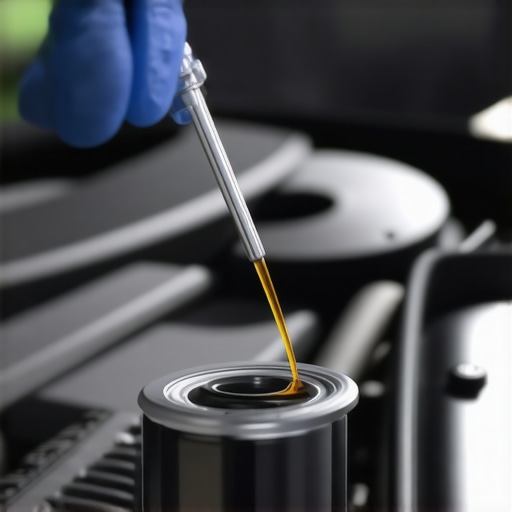
Many car owners fall prey to misconceptions about transmission maintenance, leading to costly mistakes. Let’s dig deeper into the nuances that often go unnoticed and challenge some popular beliefs. First, a widespread myth is that transmission fluid only needs changing after a long interval, like 100,000 miles. However, recent expert insights suggest that even in modern vehicles, especially with the advanced tech in 2025, regular checks and timely fluid replacements are crucial for optimal performance. Neglecting this can accelerate internal wear, causing slippage and overheating. Instead of waiting for symptoms, proactive fluid management, guided by auto repair experts, can prevent failures before they start.
Another common misconception is that transmission issues are always obvious—like a sudden failure or complete gear slippage. In reality, many problems develop gradually, showing subtle signs like minor shifts delays or unusual noises. Recognizing these early symptoms requires attentive driving and understanding the sophisticated sensors integrated into 2025 vehicles. For example, sensors monitor fluid temperature and pressure in real-time, providing alerts that can be accessed via diagnostic tools. This technology is a game-changer, making preventive maintenance more precise and less guesswork. Using such tools in conjunction with routine professional inspections can significantly extend transmission lifespan.
Are Transmission Flushes Always Necessary or Sometimes Harmful?
A controversial topic among auto technicians is whether transmission flushes are always beneficial. Many believe flushing is a routine maintenance step, but some experts warn it could dislodge debris that then causes internal damage if not performed correctly. According to auto repair specialists, in certain cases, a simple fluid change suffices, especially if the transmission hasn’t accumulated significant sludge. Overdoing flushes can disturb internal components, leading to leaks or increased wear. The key is knowing your vehicle’s condition and using diagnostics to determine if a flush is appropriate. This nuanced approach ensures maintenance enhances, rather than harms, your transmission’s health.
In summary, many car owners get wrong the idea that transmission care is either unnecessary or overly complex. The truth is, understanding the sophisticated systems in modern vehicles and leveraging advanced diagnostic tools can make all the difference. Regular fluid checks, attentive symptom monitoring, and expert-guided interventions are your best allies in avoiding costly repairs. Have you ever fallen into this trap? Let me know in the comments.
Maintaining your vehicle’s transmission over time requires more than just routine checks; it involves utilizing the right tools and adopting effective methods to ensure longevity and optimal performance. In 2025, advancements in automotive technology have made diagnostics and maintenance more precise, empowering car owners and professionals alike to stay ahead of potential issues. One of the most valuable tools I personally rely on is a high-quality OBD-II scanner. This device connects to my vehicle’s onboard computer, providing real-time data on transmission health, such as fluid temperature, pressure, and slip conditions. Using this information, I can identify early signs of trouble before they escalate, saving both time and money.
Another essential piece of equipment is a professional-grade transmission fluid tester. This device allows me to evaluate the condition of the fluid accurately, checking for contamination, viscosity, and temperature. Regular testing helps me determine the optimal times for fluid changes or flushes, which are critical in preventing internal wear and overheating. I also recommend investing in a digital torque wrench to ensure that bolts and components are tightened to manufacturer specifications during repairs or replacements. Proper torque application prevents leaks and component failures, which are common causes of transmission issues.
Beyond tools, leveraging specialized software can significantly enhance maintenance routines. I use diagnostic programs like Techstream or OBD Fusion, which sync with my scanner, to interpret complex data and receive actionable insights. These software solutions often include maintenance alerts, service histories, and repair guides tailored to your specific vehicle model. They help me plan proactive maintenance schedules aligned with manufacturer recommendations, such as those outlined in top auto repair tips for 2025.
Predicting where the trend is headed, I believe the future of transmission maintenance will involve even more automation. Vehicles will increasingly come equipped with integrated diagnostic AI that can predict failures weeks before symptoms appear, prompting preemptive repairs. Additionally, remote diagnostics will become standard, allowing technicians to monitor vehicle health data from afar and recommend repairs before breakdowns happen.
How do I maintain transmission health over time?
One effective method I’ve adopted is routine software updates for my vehicle’s diagnostic systems, ensuring they have the latest algorithms for fault detection. I also schedule semi-annual checkups with a trusted mechanic who uses advanced diagnostic tools like the auto repair experts to fine-tune my transmission’s performance. Combining these practices with regular fluid testing and proactive repairs creates a resilient maintenance routine that keeps my transmission running smoothly for years to come. Don’t hesitate to try out one of these advanced diagnostic tools to see firsthand how they can help you stay ahead of potential problems—your vehicle will thank you for it.
The Hardest Lesson I Learned About Transmission Care
One of my biggest lightbulb moments was realizing that ignoring early warning signs like rough shifts or strange noises could lead to costly repairs. I used to dismiss minor symptoms, thinking they were insignificant, but now I know better. Regular maintenance and keen observation can save you from breakdowns that leave you stranded or paying a fortune.
Tools and Resources That Transformed My Approach
Investing in a quality OBD-II scanner was a game-changer. It allows me to monitor transmission health in real-time, catching problems before they escalate. I also trust auto repair experts for professional inspections and fluid tests. These resources help me stay proactive, ensuring my transmission remains in peak condition in 2025’s tech-driven vehicles.
Take Action and Keep Your Transmission Shifting Smoothly
The future of transmission maintenance is bright, especially with AI diagnostics and remote monitoring becoming more accessible. Don’t wait for a breakdown—start using the right tools and habits today. Your vehicle’s longevity and performance depend on it. Ready to implement these strategies and enjoy a smoother ride for years to come?
What’s the first step you’ll take to improve your transmission care routine? Share your plans below!
Rachel Anderson
This post really hits home for me, especially the part about using diagnostic tech like OBD-II scanners. I’ve recently started using one to monitor my transmission’s health, and it’s been a real eye-opener. Once, I caught a slight slip in pressure that I probably would have ignored, but acting on the alert helped me prevent a bigger issue down the line. I think embracing these advanced tools is crucial as vehicles become more sophisticated in 2025. One challenge I face is knowing exactly when to perform a fluid flush—sometimes I worry about doing more harm than good. Has anyone found that regular fluid testing combined with diagnostic alerts helps them decide the best timing for service? I’d love to hear how others are balancing proactive maintenance without overdoing it. This approach makes me feel more confident that I’m taking proper care of my car’s transmission, especially given how complex these modern systems have become.