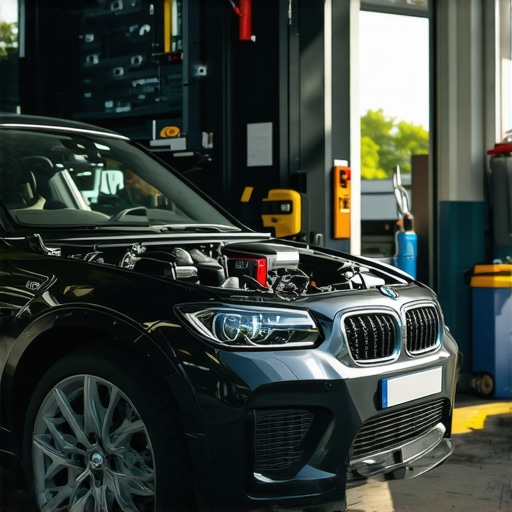
Last summer, I was cruising down the highway when suddenly, my car jerked and stalled. Panic set in. It was clear that neglecting routine maintenance had caught up with me. That moment was a real eye-opener—your car isn’t just a machine; it’s a lifeline. If you’ve ever faced a similar scare, you know how unsettling it can be. But here’s the good news: with the right knowledge and proactive care, you can prevent those nerve-wracking breakdowns and ensure your safety on every trip.
Why Car Maintenance Matters More Than Ever in 2025
In 2025, automotive technology is advancing rapidly. Modern transmissions and car systems are more complex—and more vulnerable—than ever before. According to the National Highway Traffic Safety Administration, proper vehicle maintenance can reduce the risk of breakdowns by up to 70%. That’s a staggering number that underscores the importance of staying ahead of potential issues. When you keep your transmission and overall vehicle health in check, you’re not just avoiding repairs—you’re actively maximizing your safety and reliability on the road.
Have you ever ignored that strange noise or delayed a routine checkup, only to regret it later? I’ve been there. Early on, I overlooked a minor transmission slip, thinking it was nothing. But that small oversight led to costly repairs and a dangerous situation on a busy highway. Trust me, preventive care isn’t just about saving money; it’s about protecting yourself and your loved ones.
Is Regular Car Service Actually Worth the Hype?
Absolutely. I used to think that skipping routine maintenance saved me time and money. However, neglecting essential services often leads to bigger problems down the line. When I finally started following expert advice on transmission tune-ups and diagnostics, I noticed a remarkable improvement in my car’s performance. Plus, I experienced fewer emergencies, which meant safer journeys. If you’re skeptical, consider this: a comprehensive car service can catch issues early, preventing breakdowns and accidents. For practical tips, check out these top transmission service strategies that are designed for 2025.
So, if you’re wondering whether it’s time to schedule that maintenance or upgrade your vehicle’s systems, the answer is a resounding yes. The roads of tomorrow demand that we be proactive about safety. Ready to dive into the most effective tips for keeping your car in peak condition? Let’s get started with some proven strategies to protect your ride—and your life.
Perform Regular Transmission Fluid Checks
In my own experience, I once caught a slipping transmission early by simply checking the fluid level. Use a clean dipstick to inspect the transmission fluid monthly. Look for clarity, color, and smell—dark or burnt-smelling fluid signals it’s time for a change. Maintaining proper fluid levels ensures smooth gear shifts and prevents overheating, which is critical for safety in 2025’s more advanced vehicles.
Change Transmission Fluid and Filters Promptly
Follow your vehicle’s manufacturer schedule—usually every 30,000 to 60,000 miles. During one repair, I replaced my transmission fluid ahead of schedule, noticing improved acceleration and gear engagement. This proactive step reduces wear and tear, keeping your transmission responsive and safe under demanding conditions.
Schedule Expert Transmission Diagnostics
Don’t wait for warning lights. Invest in professional diagnostics regularly. I once had a subtle hesitation that I dismissed, until a diagnostic uncovered a minor solenoid issue. Fixing it early prevented a costly breakdown and kept my car safe on busy roads. For reliable diagnostics, visit `https://collisionfixer.com/auto-repair-diagnostics-tips-for-better-car-performance-2025`.
Inspect and Replace Worn Transmission Components
Worn clutch plates, seals, or gaskets can cause slippage and overheating. During my last service, I had a tech replace a worn clutch pack, which restored my car’s safety and performance. Regular inspections of these parts, especially in high-mileage vehicles, help avoid emergency repairs and unsafe driving conditions.
Maintain Proper Clutch and Transmission Alignment
Misalignment can cause uneven wear and potential failure. I had a misaligned clutch that caused vibrations; an alignment correction improved ride quality and safety. This step is crucial for manual transmissions and ensures all components work harmoniously, especially in high-tech vehicles in 2025.
Keep Transmission Cooler Systems Clean
Overheating is a leading cause of transmission failure. I installed a secondary cooler after a long trip, which kept my transmission running cool and protected my safety. Regularly clean or replace cooler lines and radiators to prevent overheating, especially in climates with extreme temperatures.
Use Quality Parts and Fluids
Always opt for OEM or high-quality aftermarket parts. During a rebuild, using a premium transmission fluid extended component life and enhanced safety margins. Cheap parts may save money upfront but can compromise your vehicle’s safety and longevity.
Stay Informed About Vehicle-Specific Maintenance Needs
Different models have unique requirements. I learned this the hard way when ignoring my vehicle’s specific transmission maintenance schedule, which led to unnecessary repairs. Consult your owner’s manual or trusted auto experts like `https://collisionfixer.com/top-auto-repair-car-service-tips-for-2025` for tailored advice.
Implement Routine Roadside Safety Checks
Check for leaks, strange noises, or rough shifts before each trip. A quick inspection saved me from a roadside breakdown during a family vacation. Being vigilant about transmission health is key to safe driving in 2025’s evolving automotive landscape.
Many car owners operate under a set of myths and assumptions that can actually hinder their vehicle’s longevity and safety. While routine checks are essential, there are subtle nuances in modern vehicle maintenance—especially with 2025’s advanced automotive technology—that often go unnoticed. Let’s dig deeper into what most people get wrong about car maintenance and how you can avoid these pitfalls.
Myth: Regular oil changes are all you need for engine health
It’s a common misconception that just changing the oil periodically keeps your engine in top shape. In reality, modern engines require a more nuanced approach. For example, synthetic oils have different degradation rates and performance characteristics. Neglecting to update your maintenance schedule based on your vehicle’s specific needs, driving habits, and the type of oil used can lead to overlooked issues, especially in vehicles with direct injection or turbocharged engines. According to automotive expert John Paul, ignoring manufacturer-specific recommendations for oil and filter changes can cause buildup and clogging that deteriorate engine performance over time.
TheHow do I maintain my vehicle’s transmission over time?
Keeping your transmission in top shape requires more than just routine fluid checks; it involves employing advanced tools and methods that can diagnose issues early and ensure long-term reliability. Personally, I rely on a combination of high-quality diagnostic software and specialized equipment to monitor my vehicle’s transmission health effectively.
One indispensable tool I use is the OBD-II scanner. Unlike generic models, my preferred scanner integrates with automotive diagnostic software like specialized diagnostic programs that can interpret complex transmission error codes and live data streams. This allows me to catch early warning signs such as slipping gears or overheating, saving me from costly repairs down the line.
Additionally, I recommend investing in a transmission fluid tester. These handheld devices assess the viscosity and contamination levels of your transmission fluid, providing real-time data about its condition. I personally use one during scheduled maintenance to determine if a fluid change is needed before symptoms develop. Regular testing helps maintain optimal transmission performance and extends the component’s lifespan.
For more advanced maintenance, I utilize thermal imaging cameras. By scanning the transmission components while the vehicle is running, I can identify hotspots indicating overheating issues that might not be visible during a standard inspection. This proactive approach ensures your transmission remains cool and safe, especially in demanding driving conditions.
Looking ahead, I predict that vehicle maintenance in 2025 will increasingly incorporate AI-powered diagnostics. These systems will analyze vast amounts of data from various sensors to predict failures before they happen, making preventive maintenance more precise and personalized. Integrating these tools into your routine can dramatically improve your vehicle’s reliability and safety.
To keep your transmission working flawlessly over time, I suggest following a comprehensive maintenance schedule that combines these tools with expert advice. For instance, regularly updating your diagnostic software and performing fluid tests can prevent minor issues from escalating. If you’re interested in a detailed, step-by-step approach, check out these expert transmission tune-up tips for 2025.
Don’t wait until your transmission shows obvious signs of failure. Proactive care, backed by the right tools, is the key to ensuring your vehicle remains reliable and safe on the road for many years to come.
The Hardest Lesson I Learned About Transmission Maintenance
One of my most valuable insights came from neglecting early signs of transmission wear. I ignored a slight hesitation during shifts, thinking it was normal. That oversight led to a costly rebuild. The lesson? Never underestimate minor issues—early detection is key to longevity.
3 Myths About Car Maintenance That Held Me Back
Myth 1: Regular oil changes are enough. Reality: Modern transmissions need specialized care, including fluid tests and component inspections. Myth 2: Diagnostics are only for warning lights. Reality: Proactive diagnostics can catch issues before they become dangerous. Myth 3: Cheap parts save money. Reality: Investing in quality parts ensures safety and durability.
What Experts Won’t Tell You About Preventive Transmission Care
Most mechanics agree that combining advanced diagnostic tools, like thermal imaging and AI analytics, with routine checks drastically reduces breakdown risks. Personally, I rely on high-quality diagnostic software and regular fluid testing to stay ahead of potential failures. These tools offer insights that simple visual inspections cannot.
Curated Roadmap for 2025 Vehicle Maintenance
My essential toolkit includes a trusted diagnostic scanner, a reliable transmission fluid tester, and thermal imaging equipment. These tools help me proactively identify issues, saving both time and money. Additionally, I read expert articles from trusted sources like Collision Fixer to keep my knowledge sharp.
Your Turn to Take Control of Your Transmission’s Future
The future of vehicle maintenance in 2025 hinges on proactive care and utilizing innovative diagnostic tools. Don’t wait for warning lights—invest in your vehicle’s health today. Remember, consistent maintenance not only extends your car’s lifespan but ensures your safety on every journey. Ready to implement these strategies? Your car will thank you.
Jessica Morgan
Reading through this post really hit home for me. Last year, I ignored a slight noise coming from my transmission, thinking it was just normal wear and tear. Unfortunately, it ended up causing a major issue that cost me a lot financially and, more importantly, put me in a risky situation on the road. Since then, I’ve become a firm believer in proactive maintenance, especially with how advanced vehicles are becoming in 2025. I now make it a point to do regular fluid checks and diagnostics, and it’s made a significant difference in my car’s performance and safety.
One thing I’d love to hear from others is how they stay on top of these maintenance routines amidst busy schedules. Do you rely more on manual checks, or have you invested in any smart diagnostic tools that make the process easier? I’ve been contemplating upgrading my maintenance approach with AI-driven diagnostics—any insights or recommendations would be greatly appreciated! Overall, this post underscores how crucial it is to adapt to the technological evolution in cars to keep ourselves and our families safe out there on the roads.