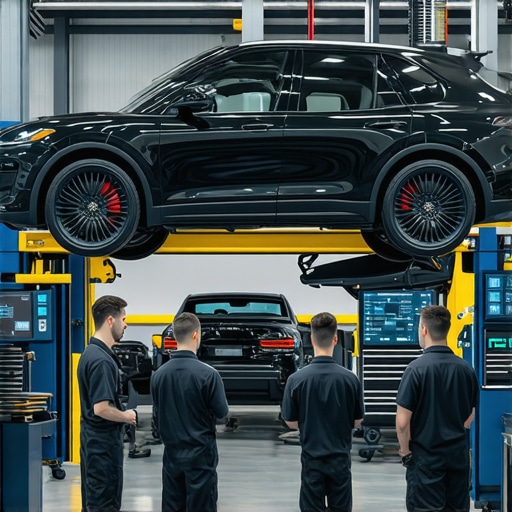
It was a chilly Saturday morning when I turned the key in my car, only to be greeted by a sluggish engine and an unsettling noise. I had ignored the warning signs for too long, thinking I could push through another week. That moment of realization hit hard—I was on the brink of a costly breakdown, and I knew I had to act fast. If you’ve ever experienced that sinking feeling of unexpectedly losing power or facing strange sounds from your vehicle, you’re not alone. Many drivers underestimate the importance of regular tune-ups and auto repairs until it’s too late.
Why Car Maintenance Matters More Than Ever in 2025
In 2025, the landscape of automotive care is evolving rapidly. With advancements in vehicle technology and stricter emissions standards, staying on top of your car’s health isn’t just about avoiding breakdowns—it’s about ensuring safety, saving money, and reducing environmental impact. According to a recent study, proper vehicle maintenance can improve fuel efficiency by up to 20%, translating into significant savings at the pump. Plus, neglecting essential repairs can lead to more severe issues down the line, often costing hundreds or even thousands of dollars.
But here’s the kicker: many drivers still hesitate, overwhelmed by the technical jargon and unsure where to start. That’s where my personal experience and this comprehensive guide come in. I’ve been in your shoes—struggling with mysterious car issues and unsure whether a repair was worth the cost. Over time, I learned that proactive maintenance, guided by expert tips, can make all the difference. Today, I want to share the insights I’ve gathered to help you navigate car tune-ups and auto repairs with confidence.
Is Regular Auto Maintenance Really Worth the Hype?
Early in my driving journey, I made the mistake of skipping routine oil changes and ignoring minor warning lights. The result? A costly transmission overhaul that could have been avoided with simple tune-up strategies. Trust me, neglecting these essential steps doesn’t just risk breakdowns—it can compromise your safety and the longevity of your vehicle. To avoid falling into this trap, I recommend checking out top auto repair tips for 2025 to learn what regular maintenance should include.
Now, let’s get into the practical steps that will help you keep your car running smoothly and safely in 2025. Whether you’re a seasoned DIYer or prefer professional service, understanding the fundamentals is key to making informed decisions and saving money.
,
Start with a Diagnostic Check
Before diving into repairs, perform a comprehensive diagnostic scan using an OBD-II scanner. This step uncovers hidden issues that might not be apparent visually. I remember the time I ignored a subtle engine warning and ended up with a costly repair. Investing in diagnostics saved me from a lot of headaches and unexpected breakdowns.
Prioritize Regular Oil Changes & Fluid Checks
Think of your car’s fluids as its lifeblood. Regularly check and change engine oil, transmission fluid, brake fluid, and coolant. During my last oil change, I noticed the oil was unusually dark and thick, indicating it was time for a change. Using quality oils and fluids enhances engine efficiency and prolongs component lifespan. For detailed guidance, visit top auto repair tips for 2025.
Inspect & Replace Filters & Belts
Air filters, cabin filters, and serpentine belts are critical for smooth operation. I caught a worn serpentine belt early by inspecting under the hood, avoiding a potential breakdown. Dirty filters reduce airflow and fuel efficiency, so replace them at manufacturer-recommended intervals. Visual inspections during oil changes can prevent minor issues from becoming major problems.
Check & Maintain Tire Condition & Pressure
Proper tire maintenance is essential for safety and efficiency. Use a pressure gauge to ensure tires are inflated to the recommended PSI—under-inflated tires wear faster and reduce fuel economy. I once neglected tire pressure, leading to uneven wear, but after a quick check, I saved myself from a blowout during a long trip. Regular rotations and alignments also extend tire life and improve handling.
Perform Brake System Inspections
Brakes are vital for safety. Listen for squealing or grinding noises, which indicate worn brake pads. During a routine check, I replaced my brake pads before they completely worn out, saving me from more costly rotor repairs. Regular brake fluid flushes also prevent corrosion and maintain braking responsiveness.
Test Battery & Electrical System
A weak battery can leave you stranded. Test the battery’s voltage and inspect for corrosion on terminals. I replaced my aging battery proactively after a test showed it was losing charge, avoiding an unexpected start failure. Clean terminals and secure connections ensure reliable starting and electrical performance.
Schedule Professional Tune-Ups & Repairs
While DIY checks are valuable, some issues require expert attention. Schedule annual or semi-annual professional inspections, especially for complex systems like transmission and suspension. I once caught a transmission misalignment during a professional tune-up, which improved my car’s performance significantly. Use trusted service providers and consult expert transmission tune-up strategies for 2025 for guidance.
< >
>
Many drivers operate under misconceptions that can lead to costly mistakes and unnecessary repairs. Let’s dig deeper into some of the most common myths about auto maintenance and reveal the nuances that seasoned car owners know but often go unnoticed. Understanding these details can save you money and extend your vehicle’s lifespan.
Myth 1: You Only Need to Fix What’s Broken
Contrary to popular belief, waiting until something actually breaks often results in more expensive repairs. Preventive maintenance is about addressing issues early — for example, replacing worn-out belts or fluids before they cause serious damage. Regular checkups, like those outlined in top auto repair tips for 2025, emphasize proactive care, which is far more cost-effective than reactive fixes.
Myth 2: All Fluids Need Changing Only When They Look Dirty
This is misleading. Fluids such as transmission and brake fluids degrade over time, even if they appear clear. Their effectiveness diminishes gradually, increasing wear and tear on vital components. Many overlook scheduled fluid changes, leading to issues like transmission slipping or brake failure. Athorough understanding of fluid life cycles, supported by studies like those in effective transmission tune-up strategies for 2025, can help you avoid these pitfalls.
Myth 3: More Oil Means Better Lubrication
Overfilling your engine with oil can cause aeration, leading to insufficient lubrication and increased wear. It’s a common mistake that many make, thinking more oil is always better. The correct oil level, checked with your dipstick, ensures optimal engine health. This nuance is often overlooked but is critical for maintaining engine longevity.
Advanced Question: Why Is Ignoring Small Warning Signs More Dangerous Than You Think?
Ignoring minor issues like a slight squeal or a warning light can escalate into major repairs or safety hazards. For instance, a small coolant leak might seem insignificant but can cause engine overheating and severe damage if left unaddressed. In fact, according to experts in auto repair diagnostics for 2025, early detection and intervention are key to avoiding costly breakdowns. Small problems tend to compound over time, leading to compounded expenses and safety risks. So, always heed those warning signs — they’re your car’s way of telling you something needs attention.
Have you ever fallen into this trap? Let me know in the comments. Staying informed and vigilant can make all the difference in preserving your vehicle’s health and your wallet.
How do I maintain my vehicle over time?
Maintaining your vehicle consistently over the years requires a combination of quality tools, regular diagnostics, and a proactive approach. My personal routine involves investing in a reliable OBD-II scanner, which I use every few months to identify hidden issues before they escalate. For example, I prefer the best auto repair diagnostics tools for 2025 because of their accuracy and ease of use. These devices help me monitor engine health, check for error codes, and ensure my vehicle remains in peak condition without unnecessary trips to the mechanic.
Beyond diagnostics, I rely heavily on quality maintenance supplies. Synthetic oils, high-grade filters, and durable belts are my go-to choices for long-term reliability. I personally use the Mobil 1 synthetic motor oil because of its proven performance in extreme temperatures and its ability to extend oil change intervals, saving both time and money. Regularly replacing filters and belts based on manufacturer recommendations prevents minor issues from turning into major repairs, which aligns with insights from top auto repair tips for 2025.
In addition to physical tools, software plays a crucial role. I utilize vehicle maintenance apps like autoMATE that sync with my diagnostics scanner to keep track of service schedules, fluid changes, and upcoming repairs. These apps send reminders for oil changes, filter replacements, and tire rotations, helping me stay ahead of potential issues and maximize my vehicle’s lifespan.
Looking ahead, I predict that the future of vehicle maintenance will increasingly rely on integrated digital systems and AI-powered diagnostics, making proactive care even more accessible. Investing in connected tools now can prepare you for this transition, ensuring your vehicle remains reliable for years to come.
Why is regular maintenance essential for longevity?
Regular maintenance isn’t just about avoiding breakdowns; it’s about enhancing safety, improving fuel efficiency, and extending your vehicle’s overall lifespan. By consistently checking and replacing critical components like filters, belts, and fluids, you minimize wear and tear, which is supported by recent industry research. For instance, expert maintenance strategies for 2025 emphasize the importance of early intervention and routine checks.
Try integrating a monthly diagnostic scan into your maintenance routine. It’s a small step that can reveal potential problems early, saving you money and stress in the long run. Remember, tools and technology are your allies—leveraging them effectively is the key to keeping your vehicle running smoothly for years to come.
The Hardest Lesson I Learned About Car Maintenance
One of my biggest lightbulb moments was realizing that neglecting small warning signs can lead to massive repairs down the line. I once ignored a slight squeal during braking, only to face a costly rotor replacement weeks later. That taught me to pay attention to every noise and warning light, trusting my instincts and early diagnostics.
3 Myths About Auto Maintenance That Held Me Back
Myth 1: You only need to fix what’s broken. Actually, preventive care like timely belt and fluid replacements can save you hundreds of dollars.
Myth 2: Fluids only need changing when they look dirty. Not true—fluids degrade over time, often invisibly, so scheduled changes are essential for longevity.
Myth 3: More oil is always better. Overfilling can cause aeration and engine damage, so maintaining proper levels is key.
What Experts Won’t Tell You About Maintaining Your Vehicle in 2025
Early detection using advanced diagnostics tools is revolutionizing car care. I learned that investing in a quality OBD-II scanner and syncing it with maintenance apps like autoMATE can help catch issues before they escalate. Trusting expert advice and staying ahead of the curve has transformed my approach, saving me time and money.
Don’t Be Afraid to Start Your Maintenance Journey Today
Taking proactive steps with the right tools and knowledge can extend your vehicle’s lifespan and ensure safety on every trip. Embrace diagnostics, routine checks, and expert services—your car will thank you, and so will your wallet. Remember, small efforts now lead to big savings and peace of mind tomorrow.



Jane Elizabeth Carter
Reading this article really resonated with me because I learned the hard way how small warning signs can snowball into major issues if ignored. Once, I noticed a slight squeal during braking but dismissed it, thinking it was nothing. A few weeks later, I was hit with a costly rotor replacement, which could have been avoided with proactive maintenance and early diagnostics. These experiences taught me the importance of listening to your car’s subtle cues and never postponing a checkup. I’m curious—what are some reliable diagnostic tools or apps that others have used successfully to catch problems early? I’ve been considering investing in a good OBD-II scanner but would love recommendations based on real experiences. It’s fascinating how advanced tools are making it easier to stay ahead of potential issues, saving both time and money. Regularly checking fluids and filters is also a vital part of this, especially with the new emissions standards and tech in cars today. How does everyone here keep track of their maintenance schedules? I’d love to hear some tips or routines that work well.