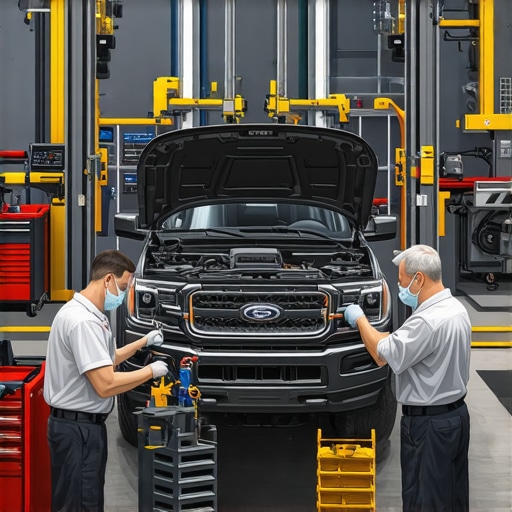
My Journey to Unlocking Peak Vehicle Performance in 2025
As a car enthusiast and someone who relies heavily on my vehicle for daily commuting, I’ve always believed that proper maintenance is the key to longevity and optimal performance. A few months ago, I found myself frustrated with sluggish acceleration and strange noises, which led me to dive deep into the world of transmission tuning and auto repair strategies. That experience transformed my approach and gave me insights I’m excited to share today.
Why Transmission & Tune-Up Strategies Matter for Modern Cars
In my personal experience, maintaining a vehicle isn’t just about changing oil anymore; it’s about understanding how systems like the transmission contribute to overall efficiency. As vehicles become more sophisticated, so do their service requirements. I learned that effective transmission tune-up strategies can significantly enhance performance, fuel economy, and even safety. According to CollisionFixer, staying ahead with proactive maintenance is essential for 2025’s automotive landscape.
My Favorite Tune-Up Strategies That Made a Difference
One of the first steps I took was scheduling a comprehensive transmission diagnostic. This helped identify minor issues before they became costly repairs. I also adopted a regular transmission flush schedule, which is a game-changer for maintaining fluid clarity and preventing overheating. Additionally, I learned about the benefits of upgrading to synthetic transmission fluids, which offer better lubrication and longer service intervals. These simple yet effective strategies made my vehicle feel smoother and more responsive.
How Do I Keep My Car Running Smoothly Today?
Every vehicle owner wonders about the best ways to keep their ride in top shape. For me, it’s all about consistent inspections, timely fluid changes, and listening to my car’s signals. I also stay informed by reading trusted sources like CollisionFixer’s diagnostics tips. They emphasize the importance of using high-quality parts and adhering to manufacturer-recommended maintenance schedules. Trustworthy auto repair shops can make all the difference in extending your vehicle’s lifespan.
What Deep Dive Can Help Me Understand My Car Better?
How Can I Learn More About Advanced Transmission Tuning Techniques?
My curiosity about advanced transmission tuning led me to explore professional auto repair courses and forums. I discovered that digital tuning tools and software can optimize shift points and torque converter settings, which is especially beneficial for high-performance vehicles. Consulting with certified transmission specialists and reading authoritative guides helps demystify these complex processes. For those interested, CollisionFixer offers excellent resources on this topic.
If you’re passionate about keeping your car at peak performance, I highly recommend sharing your experiences or asking questions in the comments section below. Together, we can navigate the exciting world of auto care and make informed decisions about our vehicle maintenance routines.
Unlocking the Secrets of Precision Transmission Tuning in Your Vehicle
In the realm of automotive performance, the transmission system often remains an unsung hero, quietly optimizing power delivery and efficiency. As vehicles evolve with sophisticated electronic controls, understanding how to fine-tune this critical component can lead to remarkable improvements in responsiveness and fuel economy. Professional auto repair shops now leverage high-tech diagnostic tools and software to calibrate shift points, torque converter settings, and fluid dynamics, ensuring your car performs at its peak. For those eager to dive deeper, exploring resources like CollisionFixer’s expert guides offers invaluable insights into advanced tuning techniques.
Why Consider Custom Transmission Calibration?
Custom calibration allows your vehicle to adapt seamlessly to modifications, driving style, and road conditions. This process involves adjusting electronic parameters and mechanical settings to optimize torque transfer and shift timing. In high-performance scenarios, precise tuning can significantly reduce lag, improve acceleration, and extend transmission lifespan by preventing undue stress. Modern tools like digital tuners and software interfaces enable technicians to refine these settings with remarkable accuracy, transforming your driving experience. Implementing these strategies not only elevates your vehicle’s performance but also ensures it remains reliable under demanding conditions.
What Are the Practical Steps to Achieve Optimal Transmission Performance?
Start by scheduling a comprehensive diagnostic session with a qualified auto repair expert. This step identifies existing issues and measures baseline parameters. Next, consider a transmission fluid analysis—using high-quality synthetic fluids can enhance lubrication and heat dissipation, especially when combined with regular maintenance schedules outlined in CollisionFixer’s service tips. Advanced tuning may involve software updates or custom reprogramming to improve shift responsiveness and torque management. Remember, each vehicle is unique; therefore, a tailored approach by experienced technicians is crucial for achieving optimal results.
How Can I Stay Ahead of Transmission Issues Before They Become Costly Repairs?
Preventive maintenance remains the cornerstone of reliable auto performance. Regular fluid changes, as recommended by your manufacturer, help prevent wear and tear on internal components. Listening to your vehicle—such as unusual noises or delayed shifts—can provide early warnings of potential problems. Modern diagnostic tools can detect subtle anomalies, allowing for proactive interventions. This approach aligns with the latest industry insights from CollisionFixer’s diagnostics tips, emphasizing early detection to avoid expensive repairs later. Sharing your maintenance routine or asking for expert advice in the comments can help fellow enthusiasts stay informed and prepared.
Incorporating these advanced strategies into your vehicle care routine ensures not only peak performance but also longevity and safety. Whether you’re a seasoned car enthusiast or a casual driver, understanding the nuances of transmission tuning can unlock a new level of driving satisfaction. For more expert insights and practical tips, don’t hesitate to explore the extensive resources available at CollisionFixer’s comprehensive auto repair guides.
Reflections on Personal Experience with Transmission Calibration
Over the years, I’ve come to realize that the journey toward optimal vehicle performance is as much about understanding the intricacies of transmission systems as it is about routine maintenance. My own experiments with digital tuning tools and software—like reprogramming shift points and adjusting torque converter settings—have opened my eyes to how nuanced and powerful these adjustments can be. They’re not just tweaks; they’re a way to unlock hidden potential in your car’s drivetrain, especially as vehicles become increasingly sophisticated with electronic control modules (ECMs).
What Makes Advanced Transmission Tuning a Game-Changer?
Advanced transmission tuning is like giving your car a personalized suit tailored to your driving style and conditions. For me, it’s about precise calibration—fine-tuning shift responsiveness, optimizing torque transfer, and reducing lag—that transforms the driving experience from ordinary to exhilarating. This process involves leveraging cutting-edge diagnostic tools, which are now accessible even to passionate amateurs, thanks to modern software interfaces. According to CollisionFixer, the integration of these tools is essential for achieving peak performance in today’s complex automotive landscape.
How Can I Personally Approach Custom Transmission Calibration?
My approach begins with a comprehensive diagnostic to establish baseline parameters. From there, I explore software options that allow me to adjust shift points and torque converter lock-up settings. It’s crucial to work with experienced technicians or trusted auto repair shops, especially when dealing with high-performance vehicles or modifications. I’ve found that the key is patience—small incremental adjustments followed by test drives help me understand how each tweak affects overall responsiveness and efficiency. Remember, each vehicle responds differently; what works for one might not suit another. For a detailed guide, I recommend checking out CollisionFixer’s tune-up tips for more insights.
Why Is Proactive Maintenance Critical in Advanced Transmission Tuning?
Preventive measures are the backbone of long-term reliability when engaging in advanced tuning. Regular fluid analysis and timely software updates ensure your transmission remains responsive and durable. In my experience, monitoring for early signs—such as unusual shifting patterns or delayed responses—can prevent costly repairs down the line. This proactive mindset aligns with industry best practices outlined by CollisionFixer, emphasizing early detection and tailored interventions. Sharing my maintenance routines and learning from others’ experiences in online forums has helped me stay ahead of potential issues.
How Do I Deepen My Understanding of Transmission Dynamics?
To deepen my grasp, I’ve invested time in studying digital tuning software tutorials and consulting with seasoned transmission specialists. Engaging with forums and communities dedicated to vehicle tuning has provided practical insights and real-world applications. For example, understanding how to recalibrate shift points for different driving conditions can significantly improve fuel economy and responsiveness. If you’re interested in exploring these techniques further, I suggest reading CollisionFixer’s expert guides. I invite you to share your experiences or ask questions in the comments—learning from each other is the best way to master this complex art.
What Are the Long-Term Benefits of Investing in Transmission Optimization?
Beyond immediate performance gains, investing in transmission optimization promotes longevity and reliability. My own journey has shown that well-calibrated transmissions not only respond better but also experience less wear and tear, reducing overall maintenance costs. The satisfaction of driving a vehicle that feels responsive, smooth, and tailored to my preferences makes the effort worthwhile. As technology advances, I look forward to discovering even more sophisticated tuning techniques and tools, continually enhancing my vehicle’s capabilities. For those ready to take their auto care to the next level, I recommend exploring comprehensive resources like CollisionFixer’s auto repair guides. Sharing your journey and insights can inspire others to unlock their vehicle’s full potential and enjoy a driving experience that’s truly personalized.
Deciphering the Complexity of Electronic Transmission Controls in Modern Vehicles
As I delved deeper into the realm of transmission tuning, I realized that the electronic control modules (ECMs) have become the heart of modern transmissions, orchestrating shift points, torque management, and adaptive learning. Understanding the intricacies of these systems is crucial for any enthusiast aiming to optimize their vehicle’s performance. The integration of advanced software allows for real-time adjustments, enabling a level of precision that was unimaginable a decade ago. To truly master this, I immersed myself in technical manuals and software tutorials, gradually building a comprehensive knowledge base. For those interested, CollisionFixer’s expert guides offer invaluable insights into these sophisticated tuning processes.
How Can I Tailor My Transmission Calibration to My Unique Driving Style?
Personalized calibration is the pinnacle of transmission tuning. It involves analyzing your driving habits—be it aggressive acceleration or smooth cruising—and adjusting electronic parameters to suit. I found that data logging tools and diagnostic scanners are instrumental in capturing shift patterns and response times. By working closely with seasoned technicians or utilizing software that provides customizable profiles, I could fine-tune my vehicle’s response. Small, incremental changes followed by test drives helped me understand how each adjustment affected overall responsiveness and efficiency. The key is patience and precision, ensuring that your modifications align with your driving needs without compromising reliability.
What Are the Best Practices for Long-Term Transmission Health After Advanced Tuning?
Maintaining transmission health post-tuning requires a proactive approach. Regular fluid analysis, coupled with synthetic transmission fluids, can significantly extend component lifespan. Additionally, software updates and recalibrations should be performed periodically to adapt to evolving driving conditions and vehicle modifications. I schedule routine diagnostics and keep an ear out for unusual noises or shifting irregularities—early signs of potential issues. Industry leaders recommend consulting expert auto repair shops for these services, ensuring that your custom calibrations remain effective and safe over time. For comprehensive maintenance routines, I suggest exploring CollisionFixer’s maintenance tips.
How Do I Leverage Data and Software for Continuous Transmission Performance Optimization?
The evolution of diagnostic software has revolutionized how we approach transmission tuning. By analyzing data logs, I could identify subtle inefficiencies and adjust shift timing, torque converter lock-up, and fluid pressure settings accordingly. Modern tools like custom reprogramming interfaces enable a dynamic tuning environment, where I can fine-tune parameters for different driving scenarios—be it daily commuting or spirited driving on the track. This iterative process has allowed me to unlock hidden performance potential, ensuring my vehicle responds swiftly and smoothly under various conditions. If you’re eager to explore further, I recommend reviewing CollisionFixer’s advanced tuning resources.
Engage with the Community to Share and Grow Your Transmission Tuning Knowledge
One of the most rewarding aspects of this journey has been connecting with a community of passionate auto enthusiasts and professional tuners. Sharing my experiences, asking questions, and learning from others’ successes and mistakes has enriched my understanding exponentially. Online forums and expert networks provide a platform for exchanging insights about software configurations, hardware upgrades, and troubleshooting techniques. I encourage you to immerse yourself in these communities, where collective knowledge accelerates mastery. Together, we can push the boundaries of vehicle performance, turning our cars into finely tuned machines tailored precisely to our desires and driving styles.
Things I Wish I Knew Earlier (or You Might Find Surprising)
Embracing the Complexity
When I first started exploring transmission tuning, I underestimated how intricate and interconnected the systems truly are. It’s not just about adjusting shift points; it’s about understanding how electronic controls, fluid dynamics, and mechanical parts come together to influence driving comfort and performance. My initial attempts were more trial-and-error, but diving deeper revealed a fascinating layer of precision engineering that transforms driving joy.
The Power of Small Tweaks
I learned that minor adjustments—like tweaking torque converter lock-up or shift timing—can have outsized effects on responsiveness and fuel economy. These aren’t massive changes; they’re subtle, often imperceptible tweaks that, over time, significantly enhance the vehicle’s behavior. Patience and careful logging became my best tools in this journey.
Proactive Maintenance Is a Game-Changer
Regularly analyzing transmission fluid quality and staying ahead with software updates isn’t just maintenance; it’s performance optimization. I wish I’d started this proactive approach earlier. It’s incredible how maintaining the health of your transmission can extend its lifespan and keep performance consistent, especially when paired with advanced tuning strategies.
Community Knowledge Accelerates Learning
Engaging with online forums and communities dedicated to transmission tuning has been invaluable. Sharing experiences, troubleshooting tips, and software recommendations has shortened my learning curve. It’s a reminder that auto enthusiast communities are treasure troves of practical insights that can save you time and money.
Understanding Electronic Control Modules (ECMs)
The ECMs are the brain behind modern transmissions, and mastering their tuning requires a good grasp of software interfaces and diagnostic tools. I found that studying technical manuals and participating in professional courses helped me unlock the full potential of my vehicle’s electronic systems, leading to smoother shifts and improved efficiency.
Resources I’ve Come to Trust Over Time
- CollisionFixer: Their comprehensive guides and diagnostic tips have been my go-to resource for understanding and implementing transmission tune-up strategies. I recommend it to anyone serious about vehicle optimization.
- Automotive Forums & Communities: Platforms like Reddit’s r/AutoRepair or dedicated tuning forums provide real-world insights and peer support, making complex topics more approachable.
- Manufacturer’s Service Manuals: These official documents offer detailed specifications and procedures, crucial for safe and effective tuning and maintenance.
- Professional Auto Courses: Investing in training from certified auto repair schools has expanded my technical understanding beyond DIY experiments.
Parting Thoughts from My Perspective
Delving into transmission tuning has been a rewarding journey of continuous learning and discovery. From understanding the subtle art of software calibration to embracing proactive maintenance routines, I’ve seen firsthand how these strategies can unlock a vehicle’s full potential. If you’re passionate about maximizing your car’s performance, I encourage you to explore these resources and keep experimenting—safely and thoughtfully. Sharing your experiences or questions helps foster a community of growth and shared knowledge. Remember, every tweak and tune-up is a step toward driving a vehicle that responds exactly as you desire. Happy tuning!
James Carter
Reading about your deep dive into transmission tuning really resonated with me. I’ve also experienced sluggish acceleration and noise issues before deciding to explore proactive maintenance and software recalibrations. It’s fascinating how small adjustments—like shift points or fluid quality—can make such a noticeable difference in responsiveness and overall vehicle feel. I’ve found that consistently using high-quality synthetic fluids and engaging in regular diagnostics have extended my transmission’s lifespan significantly. One challenge I face is balancing the fine-tuning process with daily driving demands—sometimes small tweaks cause unexpected responses, so it’s a delicate process. How do you ensure your adjustments stay effective over time, especially with changing driving conditions or vehicle modifications? Would love to hear how you approach retuning after software updates or hardware upgrades. Thanks for sharing your journey, it’s inspiring and encourages more enthusiasts to get hands-on with their car’s performance.
Evelyn Parker
Your detailed reflection on transmission tuning really captures the excitement and complexity of optimizing modern vehicles. I can relate to your experience of using diagnostic tools and software—I’ve been experimenting with similar approaches, especially with aftermarket tuning modules. What I’ve found interesting is how small adjustments, like refining shift points or torque converter lock-up, can not only improve responsiveness but also impact long-term reliability if not monitored carefully. One issue I’ve encountered is tuning for different driving conditions; what works well on daily commutes sometimes needs adjustments for spirited weekend drives or heavy loads. Do you have a routine for re-tuning or recalibrating your vehicle as your driving environment or modifications change? Also, a tip I’ve found useful is keeping detailed logs of each change and test drive—lots of patience pays off when fine-tuning. It’s inspiring to see how passionate enthusiasts like you push the boundaries of what’s possible with vehicle performance, blending technology and skill.
Michael Ross
Your journey into transmission tuning resonates with me because I’ve also taken a proactive approach to vehicle maintenance to optimize performance. One thing I’ve learned is that as vehicles evolve, so must our tuning and maintenance routines—especially when dealing with digital calibration tools that are more accessible now. I’ve faced some challenges with balancing aggressive tuning for performance and ensuring long-term reliability, especially with software updates that can sometimes shift the baseline. I’ve found that keeping detailed logs of every adjustment, along with consistent fluid analysis, helps me maintain a stable tune. A question I have is: how do you handle tuning adjustments when your driving conditions change, such as switching from daily commuting to more spirited driving or adding modifications? It’s fascinating to see how enthusiasts like you leverage technology to unlock hidden potential, but managing those fine tweaks over time is definitely a craft. Thanks for sharing your insights—this inspires me to explore even further.
In my experience, blended with a bit of patience and continuous learning, you can truly fine-tune your vehicle to match your driving style perfectly. I wonder, have you considered using data logging apps to track your shifts and response times? This can help refine your calibration even more effectively.