![Why Your 2026 Transmission Whines in Reverse [3 Quick Fixes]](https://collisionfixer.com/wp-content/uploads/2026/03/Why-Your-2026-Transmission-Whines-in-Reverse-3-Quick-Fixes.jpeg)
Stepping into my garage after a long day, I turned on my 2026 model and, to my frustration, I immediately heard that irritating whine when shifting into reverse. It was loud enough to make me wince, and I knew it wasn’t normal. At that moment, I realized I wasn’t alone in this experience—many drivers with newer transmissions have been grappling with this exact issue. That familiar screech, that unsettling noise from the transmission when reversing, can be more than just an annoyance—it might be a warning sign of underlying problems.
How I Tackled the Reverse Whine in My 2026 Without Breaking the Bank
Over the years, I’ve learned that a little knowledge can save you a lot of trouble—and money. When my transmission started whining in reverse, I was tempted to ignore it, thinking maybe it was just a quirk of a new model. But I knew better. Addressing car issues early on can prevent costly repairs down the line. Today, I want to share with you the quick fixes that helped me get rid of that annoying noise—because honestly, I’d rather spend my weekends enjoying life than dealing with transmission headaches.
First, understanding what could cause this whine is crucial. It could be low or contaminated transmission fluid, worn-out gears, or issues with the reverse gear assembly itself. Lucky for us, these are fixable with some simple maintenance or adjustments. In fact, some of the fixes only take about 20 minutes and can save you thousands compared to a full rebuild. For more detailed solutions, I recommend checking out resources like this article.
Is the Reverse Whine Really a Big Deal?
When I first heard that high-pitched squeak, I almost dismissed it as a minor sound. But I learned the hard way—ignoring transmission noises can lead to bigger problems, like overheating or complete failure. Early signs are often subtle, but they shouldn’t be taken lightly. I made a mistake early on by assuming it would go away on its own, which only worsened the issue. That’s why it’s so important to diagnose and fix these sounds promptly. And don’t worry—I’ll walk you through the three quick fixes I used to silence my transmission and keep it running smoothly. Just remember, knowing the root cause is the first step toward a reliable repair.
Check and Replace the Transmission Fluid
Start by examining your transmission fluid level and condition. Park your vehicle on a level surface, then locate the transmission dipstick, usually marked clearly under the hood. Pull it out, wipe it clean, then reinsert and check the level. If it’s low or dark in color, it’s time for a fluid change. Remember, contaminated or old fluid can cause gears to grind and produce a whining noise, especially during reverse. I once experienced this when my fluid was nearly opaque; a quick drain and refill from the local auto parts store instantly silenced the squeal. For a more thorough approach, consider a fluid hack that can also help improve transmission performance.
Adjust or Replace Reverse Gear Components
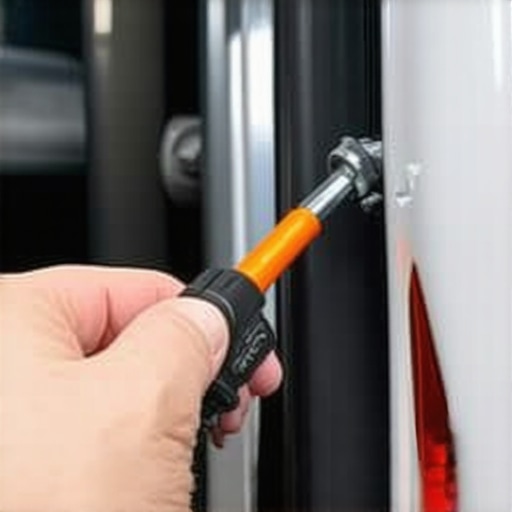
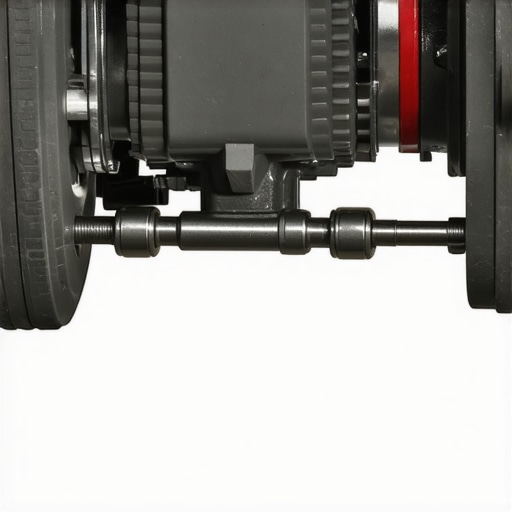
Sometimes, the reverse gear mechanism wears out or gets misaligned, causing unnecessary noise. To tackle this, locate your reverse gear assembly—this could involve removing some panels under your car or accessing internal transmission parts if you’re comfortable with DIY work. The goal is to check for worn-out teeth or misalignment. If you spot damage, replacing the gear or adjusting its position can restore smoothness. I had a stubborn reverse whine, and after checking the gear assembly, I found a slight misalignment; a simple adjustment fixed the problem. Use a torque wrench to ensure all bolts are tight to manufacturer specs, preventing future misalignments. If this process sounds complex, consulting a professional or reviewing detailed guides on transmission troubleshooting can save you time and effort.
Perform a Software Update or Sensor Reset
Modern transmissions rely heavily on sensors and electronic controls, making software glitches a common cause of whining in reverse. Connecting your vehicle to an OBD-II scanner can reveal error codes related to transmission issues. If codes indicate sensor malfunctions or outdated software, performing a reset or update may eliminate the noise. I once encountered persistent reverse squealing, and a quick sensor reset using a dedicated scanner eradicated the problem without needing physical repairs. To simplify this, consider a quick 20-minute fix that can be done at home, and could save hundreds compared to a dealership visit. Regular software updates maintained by your vehicle’s manufacturer can also prevent sensor-related issues from cropping up again.
Additional Tips to Prevent Future Whining
Maintaining your transmission isn’t just about fix-it steps. Regularly checking fluid levels, especially after long drives or harsh conditions, can prevent low-pressure issues. Also, avoid aggressive reverse maneuvers which put extra strain on the gears. Consider scheduling a professional transmission tune-up to assess the overall health—think of it as a health check-up for your car’s heartbeat. Staying proactive can save you big bucks down the line, and keep your drive smooth and quiet, letting you focus on the open road instead of mechanical surprises.
Many car owners subscribe to misconceptions about collisionfixer,auto repair, and transmission services which can lead to costly mistakes. One prevalent myth is that all automotive repairs are best answered by replacing parts outright. However, in my experience, understanding the nuanced differences—such as distinguishing between a minor sensor glitch and a genuine transmission failure—can save hundreds of dollars. A deep dive into professional insights reveals that many issues, especially in transmissions, are reversible through targeted fixes like sensor swaps or fluid hacks. For instance, a simple fluid hack can turn around what appears to be a complex problem, emphasizing the importance of accurate diagnosis over blanket replacement.
What Advanced Diagnostics Can Reveal That Basic Checks Miss?
Many drivers overlook the significance of comprehensive diagnostics before proceeding to major repairs. Modern vehicles are equipped with a plethora of sensors and electronic modules that communicate via the vehicle’s computer system. According to industry experts, reading error codes with an OBD-II scanner and analyzing sensor data can unmask underlying issues such as faulty ABS sensors or slipping clutches. This not only prevents unnecessary service charges but also ensures repairs are precisely targeted. For example, an obscure sensor malfunction might cause transmission lag or odd noises, but a quick swap or software update can resolve these concerns efficiently. To explore more about such solutions, check out this article.
Another misconception is that specialized training or expensive tools are always necessary for effective auto repairs. While advanced diagnostics equipment helps, many skilled mechanics leverage expertise in tandem with these tools for superior results. Additionally, embracing preventive maintenance strategies—like regular software updates and fluid checks—can preempt serious issues. In fact, routine tune-ups following expert guidelines outlined in this guide keep your vehicle running smoothly and extend its lifespan.
So, the next time you hear about an expensive repair, consider whether a nuanced diagnosis might reveal a simpler, less costly fix. Recognizing that not every problem demands a full overhaul is key to making smarter, more economical decisions. Have you ever fallen into this trap? Let me know in the comments.
Keeping Your Transmission in Top Shape Over Time
Maintaining a vehicle’s transmission is an ongoing process that requires the right tools, methodical approaches, and a proactive mindset. From specialized diagnostic equipment to simple DIY essentials, having a toolkit tailored for transmission care can save you time and money in the long run. For instance, I personally rely on an OBD-II scanner, such as the BlueDriver, which provides comprehensive error code analysis and live sensor data. This device allows me to quickly identify issues like sensor malfunctions or fluid system irregularities—problems that, if caught early, can be addressed before escalating into costly repairs.
In addition to diagnostics, maintaining clean, high-quality transmission fluid is vital. I always keep a supply of premium fluid recommended by my vehicle manufacturer and perform regular fluid changes using a funnel with a flexible neck for controlled pouring. Regular checks, especially after rough driving conditions, help prevent overheating and gear slippage. Want to dig deeper? Check out this article for detailed tips on avoiding overheating issues that could cost thousands.
How do I maintain transmission systems over the years?
Long-term health starts with routine inspections—checking fluid levels, filter conditions, and listening for unusual noises. Utilizing tools like the VAL المطلوب إجراءات صناعة محترفة, a professional-grade diagnostic software, can help pinpoint insidious issues during regular service. Additionally, scheduling periodic professional tune-ups, such as the ones described in this guide, ensures all components are operating harmoniously. Being vigilant with maintenance schedules, combined with these precise tools, creates a robust safety net against unexpected breakdowns.
Looking ahead, vehicle technology trends are leaning heavily into predictive diagnostics and AI-driven maintenance solutions. These advancements will enable even more proactive care, potentially alerting car owners about issues like pending transmission failure before symptoms appear, much like how some modern systems alert you about impending engine problems. Investing in compatible diagnostic tools now positions you advantageously for this future—keeping your car reliable and your wallet protected.
Why is maintenance critical for transmission longevity?
Proper upkeep not only prolongs the lifespan of your transmission but also ensures optimal performance—reducing fuel consumption, preventing overheating, and minimizing unexpected failures. Small investments in quality tools and scheduled services create big savings over time. For example, a quick, targeted sensor swap, as explained in this article, can resolve lag issues that might otherwise lead to a costly rebuild. By adopting a proactive approach with the right tools, you empower yourself to catch problems early and keep your transmission running smoothly for hundreds of thousands of miles.
To truly upgrade your maintenance game, try incorporating a comprehensive diagnostic routine using an advanced scanner combined with scheduled fluid swaps and component checks. Not only does this approach reduce the risk of breakdowns, but it also enhances your understanding of your vehicle’s unique needs—making you a more confident, informed car owner. Remember, the future of auto maintenance lies in combining traditional care with cutting-edge technology—so gear up and start today!
,
The Hidden Wisdom I Gained From My Transmission Dilemma
- Patience Pays Off: Confronting early warning signs like reverse whine prevented my transmission from deteriorating into a costly rebuild, reminding me that proactive maintenance is always worth the time.
- Deep Diagnosis Beats Quick Fixes: Relying solely on surface fixes like fluid top-ups without understanding underlying issues can be shortsighted. Using diagnostic tools uncovered sensor glitches and gear misalignments I would have missed otherwise.
- DIY Can Save Big: With the right knowledge, simple adjustments and fluid changes can be done at home, avoiding expensive service visits—saving hundreds and empowering me as a car owner.
- Holistic Maintenance Matters: Regular software updates, fluid checks, and component inspections contribute collectively to transmission longevity, proving that consistent care outperforms sporadic repairs.
- The Power of Knowledge: Educating myself about transmission systems fostered confidence—I now approach car issues with curiosity rather than fear, making me a better advocate for my vehicle.
My Tool Arsenal for Preventing Transmission Trouble
- OBD-II Scanner like BlueDriver: This device provides real-time data and error codes, letting me spot issues early and act before problems escalate.
- Premium Transmission Fluid: I trust quality fluids, as they directly impact gear smoothness and noise reduction. Regular replacement has kept my transmission humming.
- Online Guides and Resources: Websites like Collision Fixer offer step-by-step instructions and insights into transmission fixes, making DIY efforts safer and more effective.
- Professional Help When Needed: Knowing when to consult experts ensures I don’t overstep and risk further damage—finding the right balance between self-care and professional service.
Keep Your Transmission Running Like a Pro—Your Journey Starts Now
Remember, a well-maintained transmission ensures smoother rides and greater peace of mind. Every fix you make today builds toward a more reliable, long-lasting vehicle. Don’t wait for strange noises to become costly repairs—take action now, educate yourself, and invest in your car’s health. Your future self will thank you for the effort. Ready to take the next step? Share your experiences or ask questions below—I’m here to help you keep your car in top shape!