![4 Symptoms of a Clogged 2026 Fuel Injector [Tune-Up Tip]](https://collisionfixer.com/wp-content/uploads/2026/03/4-Symptoms-of-a-Clogged-2026-Fuel-Injector-Tune-Up-Tip.jpeg)
Ever been cruising down the highway, enjoying a smooth ride, when suddenly your engine stutters or feels just a bit off? I remember the moment I first noticed my car was behaving strangely—like it was struggling to breathe. That lightbulb moment made me realize something was amiss, and after some digging, I discovered it was likely due to a clogged fuel injector. It was a frustrating experience, but one that taught me the importance of recognizing early warning signs.
Why Paying Attention to Your Fuel Injectors Could Save You Big Bucks
Fuel injectors are tiny but mighty components that spray fuel into your engine’s combustion chambers. When they get clogged, it’s like trying to breathe through a narrow straw—you’re not getting the airflow you need. This can lead to rough idling, decreased fuel efficiency, and even expensive repairs down the line. According to automotive experts, unresolved injector issues can cause engine misfires and damage other critical parts, making early detection crucial. Recognizing the signs now can mean fewer headaches and more savings in your wallet.
Is Your Car’s Performance Actually Worth the Hype?
Initially, I thought my car’s rough idle was just a minor glitch. I trusted the mechanic, assuming they’d catch any major issues. However, I made the mistake of ignoring subtle symptoms, thinking they would go away. That early oversight nearly cost me thousands tuning up components that could’ve been fixed early on. Trust me, understanding these signs beforehand helps you avoid being overcharged or getting caught in a cycle of repairs. For deeper insights into diagnostics, check out effective auto repair diagnostics.
Test Your Fuel Injectors to Identify Clogs
Start by listening for engine misfires or rough idling during a drive—these are common signs of clogged fuel injectors. To confirm, use a diagnostic scanner or perform a spray test: have an assistant rev the engine while you observe spray patterns. If inconsistent, it’s time to clean or replace them. I once used an ultrasonic cleaner on my injectors, which cleared minor build-up and restored smooth acceleration, saving me a trip to the shop.
Clean Fuel Injectors Effectively
Use Quality Fuel Additives
Add a reputable fuel system cleaner to your tank, running the engine for at least 15 minutes afterward. This method dissolves light deposits and improves spray patterns. In one case, I added an additive before a long road trip, resulting in noticeably smoother engine performance—and better gas mileage.
Perform Manual Cleaning for Severe Clogs
For stubborn deposits, remove the injectors following your vehicle’s manual. Use an ultrasonic cleaning kit with a specialized solution—think of it as a facial for your fuel system. Remember, always wear gloves and work in a well-ventilated area. When I replaced my injectors personally, this process prevented costly replacements and extended their lifespan.
Check and Replace Fuel Filters Regularly
The fuel filter acts as a barrier, preventing debris from clogging injectors. Replace it at intervals specified in your car manual, typically every 20,000–30,000 miles. I neglected this once, leading to clogging issues that appeared as injector failure. After replacing the filter and cleaning injectors, my engine ran like new, demonstrating prevention’s power.
Optimize Engine Performance Through Diagnostics
Run comprehensive diagnostics to spot underlying issues affecting injector performance. Use a scanner to check for error codes like P0201–P0204, indicating injector circuit problems. For detailed diagnostics, visit effective auto repair diagnostics. My experience with a professional diagnostic session revealed wiring faults that I corrected myself, avoiding expensive repairs.
Adopt Maintenance Routines for Longevity
Implement a maintenance schedule that includes periodic fuel system checks. Replace filters, run injector cleaner treatments, and keep an eye on engine performance metrics. This proactive approach prevents the buildup of deposits and ensures smooth combustion. Personally, setting reminders for these checks saved me from emergency breakdowns, ensuring my commute remains hassle-free.
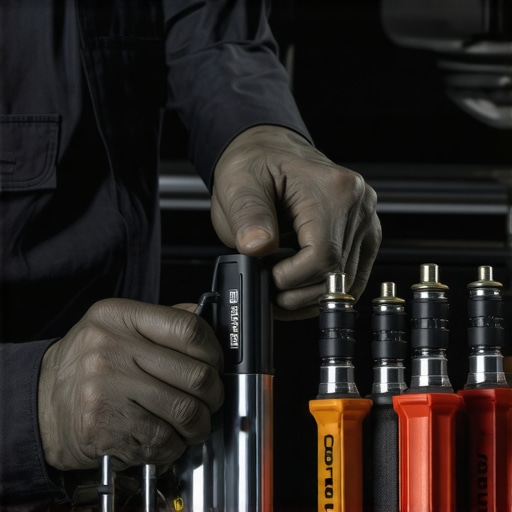 Many drivers believe that a simple oil change or replacing spark plugs means their vehicle is fully optimized, but in reality, several nuanced errors can undermine your car’s performance and longevity. One common misconception is that sticking to manufacturer-recommended intervals is always sufficient, yet neglecting advanced diagnostics can leave underlying issues unaddressed. For example, relying solely on visual inspections without utilizing a scanner to check for hidden error codes can cause you to miss critical signals like sensor malfunctions that can lead to costly damages.
Another trap many fall into is overusing generic fuel additives. While some products promise quick fixes, they can actually cause more harm than good if not chosen appropriately. It’s crucial to understand the specific needs of your vehicle’s fuel system; improper use can clog injectors or corrode internal components. For more sophisticated maintenance strategies, experts recommend regular vehicle diagnostics with professional equipment, which can preemptively catch issues like transmission lag or electrical drains—factors that often go unnoticed during routine inspections. You can learn about effective diagnostic approaches at effective auto repair diagnostics.
Why do some repairs fail prematurely even after proper service?
This often stems from overlooking the nuances in component quality and installation procedures. For instance, a common mistake is neglecting to verify sensor calibrations after replacing parts; incorrect calibration can cause ongoing performance issues, like transmission jerking or poor acceleration. Be wary of cheap components bought from unreliable sources, which might not withstand operational stresses. Paying attention to these details ensures your repairs last longer and save money in the long run. Remember, diligent diagnostics and quality parts are your best allies in preventing avoidable breakdowns. Have you ever fallen into this trap? Let me know in the comments.
Maintaining your vehicle’s performance over time requires more than just basic checks; it demands the right tools and a strategic approach. One essential instrument I rely on is a professional-grade automotive scanner, such as the Autel MaxiCOM. This device allows me to perform deep diagnostics, reading error codes beyond the generic lights on the dashboard. It provides detailed insights into systems like the transmission, engine, and even sensors, helping me address issues proactively before they escalate. For instance, when facing a sluggish transmission, a quick scan with this tool reveals specific fault codes that point directly to sensor malfunctions, streamlining the repair process. To stay ahead, I also incorporate a thermal imaging camera to spot hot spots indicating electrical problems or fluid leaks, which are often precursors to bigger failures. These advanced diagnostics align with the latest trends where effective auto repair diagnostics are becoming indispensable for reliable long-term maintenance.
Beyond tools, maintaining your vehicle’s health benefits from routine use of quality products. For example, I swear by BG Products, especially their fuel system cleaners, which help prevent injector clogs and keep the fuel delivery optimal. Performing regular tune-up checks, like oil, filter replacements, and fluid flushes, reduces the risk of costly breakdowns. Integration of these practices means your vehicle’s systems work synergistically, extending the lifespan of parts like the transmission and engine.
How do I maintain transmission health over time?
Transmission systems are often overlooked until they start malfunctioning, but proactive measures make all the difference. Regularly inspecting and replacing transmission fluid, especially before the summer driving season or winter freezes, can prevent overheating and gear slippage. For more detailed guidance, check out this article on fixing transmission lag. Additionally, using a sensor cleaning kit designed specifically for the transmission system keeps internal components free of debris, promoting smooth shifting. In the future, expect diagnostic tools to incorporate AI-driven analytics, predicting failures before symptoms appear, which will revolutionize long-term maintenance practices.
Finally, I recommend scheduling professional checkups annually, especially after significant mileage. Remember, diligent diagnostics combined with using the right equipment—like ultrasonic injectors cleaners and advanced scanners—are your best allies in avoiding expensive repairs. Attempt to reset your transmission sensors today using a quick DIY sensor reset, which can restore optimal performance without a costly visit. Stay proactive and keep your car running smoothly for miles to come!
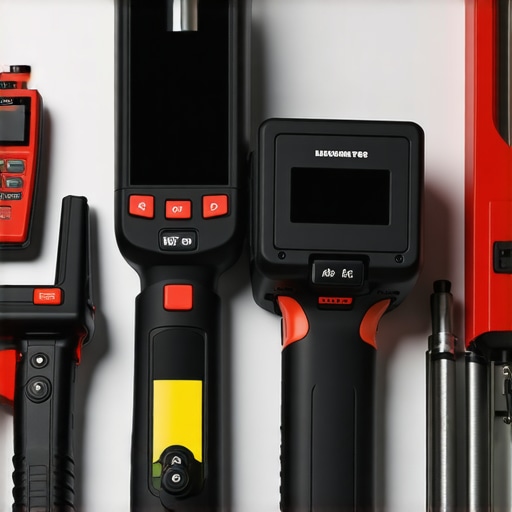
Picture a professional garage setting with advanced diagnostic tools like scanners, thermal cameras, and ultrasonic cleaners, emphasizing the importance of quality equipment in long-term vehicle maintenance.
When you think about maintaining your vehicle, it’s easy to focus on the obvious tasks like oil changes or replacing tires. However, the real magic happens when you dig deeper—understanding the subtle signals your car gives and mastering the secrets to prolonging its life. This journey has been filled with lightbulb moments, especially when I realized that overlooked details could cost me thousands. The key is to learn from these lessons and apply them proactively, rather than waiting for a breakdown.
What the Experts Won’t Tell You About Longevity
One of the biggest revelations I had was how vital proper diagnostics are. Relying solely on manufacturer intervals or basic visual inspections can hide critical problems. For example, unresolved electrical signals or sensor glitches often go unnoticed but significantly impact performance. Investing in effective auto repair diagnostics, like those recommended at this resource, can be a game-changer. These insights empower you to spot issues early, saving money and keeping your car running smoothly.
My Secret Weapon for Superior Maintenance
Throughout my experience, I discovered that the right tools make all the difference. Using advanced diagnostic scanners such as the Autel MaxiCOM has allowed me to detect hidden glitches that could have led to costly repairs. Additionally, a thermal imaging camera helps identify electrical problems before they escalate. Incorporating ultrasonic cleaning kits for injectors has been another game-changer, providing a deep clean that extends component lifespan. These tools, combined with regular expert advice, create a comprehensive approach to vehicle care.
Drive Smarter, Not Harder
Ultimately, the goal is to transform maintenance from reactive to proactive. Set reminders for routine checks, use quality additives judiciously, and never underestimate the power of diagnostics. Ensuring your transmission and fuel system are in top shape isn’t just about avoiding inconvenience—it’s about safeguarding your investment. Remember, the more you understand about your vehicle’s inner workings, the better decisions you can make. Keep learning, stay curious, and your car will thank you for years to come.
What was the most surprising discovery you made about your vehicle during a tune-up or repair? Share your story below and let’s learn together!

![3 Carbon Cleaning Fixes for a 2026 Engine Tune-Up [Tested]](https://collisionfixer.com/wp-content/uploads/2026/03/3-Carbon-Cleaning-Fixes-for-a-2026-Engine-Tune-Up-Tested.jpeg)
![5 Dirty Sensors Sabotaging Your 2026 Engine Tune-Up [Tested]](https://collisionfixer.com/wp-content/uploads/2026/03/5-Dirty-Sensors-Sabotaging-Your-2026-Engine-Tune-Up-Tested.jpeg)