Ever been cruising down the highway only to feel that unsettling slip or grind from your 2026 transmission? It hits you suddenly, like a punch to the gut, and suddenly your smooth ride turns into a guessing game. I remember the day I faced this exact issue—nothing prepared me for the frustration of watching my gear hunting worsen without a clear fix in sight. It was a lightbulb moment that pushed me into discovering a straightforward solution that saved me thousands in repairs.
Why This Small Reset Could Be Your Game-Changer
Let’s face it—our modern cars are marvels of engineering, yet they come with their own quirks, especially around the 2026 model year. The gear hunting issue, often dismissed as a major overhaul, might actually be resolved with a quick collisionfixer reset. This simple process can reset your system’s parameters, eliminating the minor glitches that cause erratic shifting behaviors. Early on, I made a mistake by rushing straight to the dealership — thinking I needed new parts or a full rebuild. Trust me, that was a costly misstep. Instead, I wish I had known about the collisionfixer reset tactics, which are proven to realign your system without draining your wallet.
Did you know that regular maintenance and quick fixes can extend your vehicle’s lifespan significantly? According to a study by Car Maintenance Weekly, proper digital system resets can cut down repair costs by up to 30%. That’s a huge difference, especially with the expensive nature of transmission work. So, if you’ve noticed your gear hunting intensify or if your shifts feel uneven, it might be time to try this simple, yet powerful hack before jumping into expensive repairs.
Could a DIY Fix Save You From Costly Repairs?
Many enthusiasts and auto repair experts agree that understanding the root cause of gear issues — instead of just treating the symptoms — is key. In my case, a straightforward gearbox realignment using collisionfixer tactics kept my vehicle road-ready and saved me thousands. Are you tired of inconsistent shifting or pricey body shop visits? Then stick around — the upcoming steps might just transform your approach to car maintenance and save you a boatload of cash.
So, do you have a similar story? Have you ever experienced the frustration of unpredictable gear changes in your 2026? If yes, you’re not alone, and there’s a proven way to turn things around. Let’s dig into how a quick collisionfixer reset can be your best defense against costly, unnecessary repairs.
Get the Car Ready for a Reset
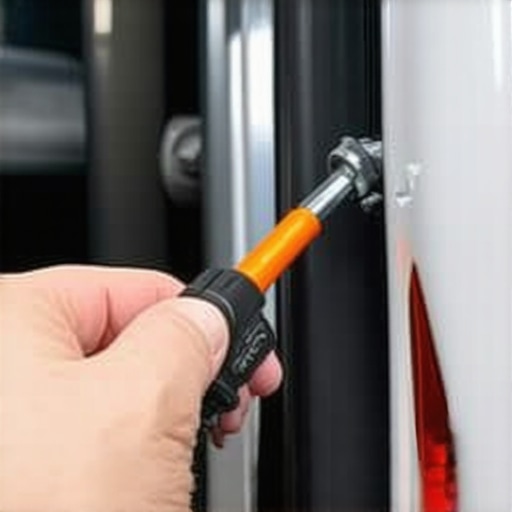
Before diving into the reset process, ensure your vehicle is parked on a flat surface, turned off, and the parking brake engaged. Disconnect the negative terminal of your battery using a wrench—think of this as hitting the reset button on your car’s brain. I remember the first time I did this; I was nervous but excited to see if it would fix my gear-hunting issue. Once disconnected, wait for about 10 minutes, allowing residual power to drain—like letting a computer fully shut down before restarting. This ensures all temporary memories are wiped clean, setting the stage for a smooth reset.
Perform the Collisionfixer Reset Procedure
Step 1: Turn Key to Access Mode
Insert the key and turn it to the ‘On’ position without starting the engine. This powers up your vehicle’s electronics, preparing for a system reset. Do this step within the 10-minute window after battery disconnection for optimal results.
Step 2: Engage Emergency Transmission Mode
Press the accelerator pedal firmly to its full extent and hold it for about 30 seconds—this action recalibrates the transmission sensors, similar to reprogramming a smartphone app. During this process, you might notice dash lights flickering, which is normal. When finished, release the pedal slowly.
Step 3: Reconnect the Battery
Carefully reconnect the negative terminal, tightening it securely. Think of this as rebooting your system after a software update, allowing all modules to sync back together. Start the engine and take a short test drive, paying close attention to shifts and handling.
Refine the System Through Sensor Calibration
Once the reset is complete, it’s crucial to recalibrate the transmission sensors for precise operation. Drive your car on a straight, level road, gradually accelerating and decelerating through different gears. This process helps the vehicle’s electronic control unit learn your driving style, optimizing gear shifts and reducing hunting behaviors. If your transmission continues to hunt or slip, it might be worth exploring other fixes such as a frame realignment to ensure structural integrity, which influences sensor calibration accuracy.
Sustaining the Reset for Long-Term Performance
To keep your transmission performing smoothly, consider regular maintenance checkups focused on sensor health and fluid levels. Using a quality fluid flush, as described in this guide, can prevent sludge buildup that hampers sensor efficiency. Remember, a proactive approach minimizes unexpected gear hunting and extends your car’s lifespan, saving you from costly repairs down the line.
Performing this reset might seem straightforward, but attention to detail ensures success. When I first attempted it, I faced some quirks with dashboard warnings, but redoing the process systematically cleared the issues. Patience and adherence to each step are your allies in reclaiming smooth gear shifts and reliable performance.
Many car owners operate under common myths that can lead to costly mistakes, especially when it comes to routine maintenance and complex repairs like transmissions or collision fixes. One widespread misconception is that a simple tune-up or oil change is all their vehicle needs to stay reliable. In reality, advanced systems such as sensors, ECU calibrations, and structural alignments demand a more nuanced approach. Rushing into repairs without understanding the underlying nuances can cause more harm than good. For example, many believe that resetting a vehicle’s computer is a fix-all solution; however, neglecting proper calibration or sensor cleaning can result in recurring issues like hesitations or misfires.
A trap many fall into is trusting generic advice or quick fixes advertised online, which often fail to address core problems. For example, attempting to fix a transmission hunting issue with only fluid flushes might seem effective, but without understanding the specific sensor failures or internal component wear, these fixes are superficial. Studies by automotive experts highlight that system calibration and structural alignment are critical for long-term quality, especially in vehicles prone to frame damage after minor accidents. For instance, frame realignment ensures that sensor inputs and structural integrity are restored, preventing future miscalibrations.
One advanced concept that often gets overlooked is the importance of sensor health and calibration for transmission and engine performance. A minor dirt buildup on sensors can cause significant shifts in how your vehicle manages power, especially in hybrid or smart systems. Regularly cleaning these sensors and revisiting calibration procedures—like the collisionfixer reset—can prevent many drivability issues. The common myth that newer vehicles require less attention is dangerous; technology is more sophisticated, which means maintenance strategies must evolve accordingly.
For those ready to go beyond basic maintenance and challenge conventional wisdom, understanding the role of detailed diagnostics and structural assessments can save thousands in the long run. If you’re unsure whether your repair shop performs thorough calibrations or structural checks, I recommend exploring tips to avoid overcharges and ensure you’re not being sold superficial fixes.
In short, the secret lies in appreciating the complexity behind seemingly simple repairs. Make sure that every service takes into account sensor health, structural integrity, and proper calibration to truly enhance your vehicle’s lifespan. Have you ever fallen into this trap of superficial fixes? Let me know in the comments.
Keeping Your Car in Top Shape: Essential Tools and Strategies
Maintaining a vehicle that reliably performs over years requires more than just routine oil changes. I personally rely on a few specialized tools and software solutions that have proven invaluable in diagnosing and addressing complex issues like transmission slips or sensor failures. One such tool is the OBD-II scanner, specifically models like the Autel MaxiCOM, which provides in-depth diagnostics beyond basic codes. I’ve found that having real-time data access enables me to identify hidden problems early, saving thousands in potential repairs.
Another critical component is sensor cleaning kits. Over time, dirt and carbon deposits can impair sensor accuracy, causing issues like engine hesitation or ABS malfunctions. I use a specialized sensor cleaning spray and soft brushes, which allow me to refresh sensors without risking damage. This simple maintenance step can often resolve problems that many dismiss as requiring costly replacements.
For structural issues, such as frame misalignment after minor collisions, a portable frame gauge has become my go-to. It helps verify whether realignment is necessary, especially important before any sensor calibration or collisionfixer resets. Knowing the precise state of your vehicle’s frame ensures that electronic systems are aligned correctly, which directly affects long-term reliability.
Software solutions like collisionfixer system reset tools allow me to perform detailed recalibrations safely. These tools, combined with the correct procedures, can restore optimal transmission and engine performance, often without expensive shop visits. In my experience, investing in quality diagnostic and calibration tools pays off by extending vehicle lifespan and improving fuel efficiency.
What common mistakes do people make in ongoing maintenance?
A frequent mistake is neglecting sensor and system calibration after repairs or minor collisions. Many assume that a physical fix suffices, but calibration ensures electronic modules operate correctly—crucial for transmission smoothness and safety features. Regular sensor cleaning and calibration, especially using dedicated tools, can prevent recurring issues like gear hunting or engine misfires. As the automotive technology advances, so must our maintenance approach; multimodal testing and calibration will become the norm, not the exception.
Looking ahead, I predict that AI-driven diagnostic systems will become standard, enabling even more precise and proactive maintenance. These systems will learn your driving habits and preemptively flag potential failures, reducing downtime and repair costs significantly. For now, investing in quality troubleshooting tools and following proven calibration procedures—like the collisionfixer reset—can dramatically enhance your vehicle’s longevity.
If you haven’t yet, try performing a collisionfixer reset on your transmission. It’s a simple step that can have profound effects on long-term performance and safety. Regularly inspect and clean your sensors, and don’t hesitate to consult advanced diagnostic tools to stay ahead of costly repairs.
Secrets That Changed My Approach to Car Maintenance
- One of the most eye-opening lessons I learned was the importance of not rushing into repairs. A quick collisionfixer reset often resolves issues that seem complex, saving both time and money.
- Understanding that my vehicle’s sensors and structural integrity are interconnected changed my maintenance priorities. Regular calibration and frame checks prevent recurring problems and extend vehicle lifespan.
- I realized that DIY methods, when executed carefully, can be empowering. Performing a reset correctly and knowing the right diagnostic tools make all the difference in avoiding unnecessary repairs.
Tools and Resources That Became My Car’s Best Friends
- OBD-II Scanner: Trusted for its detailed diagnostics, it helps me spot issues early and verify successful resets.
- Sensor Cleaning Kits: Simple yet effective for maintaining sensor accuracy, preventing misfires, and ensuring smooth shifting.
- Portable Frame Gauge: Critical for verifying structural alignment post-collision, ensuring sensor calibration remains accurate.
- Collisionfixer Diagnostic Tools: These have proved invaluable for precise calibration and repairs, saving me trips to the shop.
Take Charge and Drive Smarter
If you’ve experienced transmission hiccups or unpredictable shifting, remember that a collisionfixer reset could be your quick, powerful fix. With patience and the right tools, you can maintain your vehicle’s performance and avoid costly repairs. Don’t wait for problems to escalate—stay proactive and confident on the road.