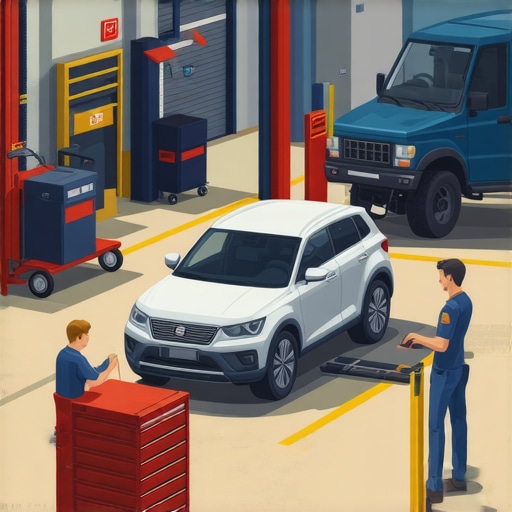
I’ll never forget the sinking feeling I felt after taking my car in for a simple repair, only to be hit with a ridiculously high bill that made me question if I was being scammed. It was a lightbulb moment for me—one that sparked my deep dive into how to avoid overpaying at body shops, especially as the 2026 regulations and charges loom closer. If you’ve found yourself frustrated by unexpected repair costs or suspect you’re paying too much, you’re not alone. Many car owners are waking up to the fact that body shops can sometimes take advantage, especially with the evolving landscape of auto repairs and regulations.
Why Protecting Your Wallet Matters Now More Than Ever
The truth is, the auto repair industry isn’t always transparent, and without proper knowledge, we can easily get caught in the crossfire of overcharges. As vehicles become more complex and regulations tighten, some shops might push unnecessary repairs or inflate costs under the guise of keeping up with compliance. According to a recent study, consumers overpay by an average of 20-30% on repairs due to lack of knowledge and inadequate vetting of repair shops. That’s a serious chunk of change slipping right through our fingers.
Having personally made the mistake of trusting the first quote without doing due diligence, I learned the hard way. That early error cost me hundreds, but it also led me to discover smart strategies to save. Today, I want to share those insights—so you won’t fall into the same trap. These tips are based on real experience and expert advice, including insights from Collisionfixer, who have dedicated themselves to helping drivers beat the system and keep more money in their pockets.
Is It Really Worth the Hype—Or Just Another Scam?
Honestly, I used to wonder if all this talk about avoiding overcharges was just marketing hype. My initial mistake was assuming that all shops are trying to cheat me—that they’d always recommend what was necessary. But I quickly realized that the real issue was my own lack of preparation. By not understanding what was reasonable, I inadvertently paid for things I didn’t need. That’s why I now recommend arming yourself with knowledge before heading to any repair shop. For practical, proven tips, check out these Collisionfixer secrets that can help you cut costs and avoid unnecessary charges.
So, if you’ve faced similar headaches or want to make sure you’re not overpaying next time, stay tuned. We’re about to delve into four practical tips that will make you a smarter, more confident car owner—saving you money and stress in the process.
Inspect and Educate Yourself About Your Vehicle
Before heading to the shop, familiarize yourself with basic car components. Use online resources or videos to understand your car’s make and model, especially common trouble spots like the transmission or engine tune-up needs. During my last repair, I watched a detailed DIY guide about car service tips for 2025, which identified typical issues. This knowledge empowered me to ask precise questions about the repairs, preventing unnecessary charges.
Obtain Multiple Quotes and Compare Prices
Never settle on the first estimate. Call at least three reputable shops—look for those with positive reviews and transparent pricing. When I needed a transmission check, I called a local mechanic and compared their quotes, which ranged from $300 to $600. The lower-priced shop explained their process thoroughly, including diagnostic tests. This comparison protected me from overpaying and taught me that a detailed quote often reveals the scope of work needed.
Leverage Online Resources
Visit websites like Collisionfixer; they offer secrets to save on 2026 body repairs and improve your understanding of typical repair costs. Use this info to negotiate, referencing standard prices and procedures, which shows the shop you’re informed and serious about fair pricing.
Request Detailed and Written Estimates
Ask the shop for a signed, itemized quote before agreeing to repairs. When I did this for my engine tune-up, the list distinguished between necessary maintenance and optional extras. If a repair seems unjustified or overpriced, don’t hesitate to question it. Remember, a clear estimate acts as a safeguard—it’s harder for shops to inflate charges when you hold the paperwork.
Learn Basic Diagnostic Skills
Understanding simple diagnostics can save you from unnecessary visits. For example, if your car stalls at a red light, knowing it’s often related to engine or transmission issues guides your conversation with the mechanic. I used online guides on car maintenance tips for 2025 to learn quick checks, empowering me to communicate effectively and avoid additional diagnostics that inflate costs.
Build Relationships With Trusted Mechanics
Establish trust by sticking with a mechanic who understands your vehicle’s history. Regular visits and honest communication lead to better advice and fair pricing. When I found a mechanic with a good reputation, I was able to ask about upcoming maintenance needs, like transmission issues and tune-up tips, which prevented costly surprises later. Long-term relationships foster transparency and keep repair costs predictable.
Many drivers believe that a routine tune-up or car repair is simply about fixing what’s broken and getting back on the road. However, this common assumption overlooks critical nuances that can save you hundreds—if not thousands—over the vehicle’s lifespan. One widespread myth is that more frequent repairs always mean better vehicle health, but in reality, over-maintenance or unnecessary parts replacement can do more harm than good. According to automotive expert John Manthei, unnecessary interventions can lead to premature wear and reduced engine longevity, emphasizing that quality diagnostics and targeted repairs are more effective than routine fixes without proper analysis.
Another misconception involves the transmission system. Many assume that slamming gears or slipping signals inevitable aging, but advanced diagnostics now reveal that many transmission issues stem from overlooked causes like faulty sensors or improper fluid levels—problems that can be diagnosed and addressed with proper system checks. Neglecting these subtleties often results in costly rebuilds, which could have been avoided with early detection. For example, learning the real signs of transmission trouble can prevent costly repairs and extend your vehicle’s life significantly.
Why Do Some Repairs Backfire? The Hidden Risks of Ignoring the Details
A critical oversight many make is assuming that all auto repairs are straightforward. In reality, complex systems like modern engines and transmission units require sophisticated understanding—not just basic mechanical knowledge. Performing repairs without considering the interaction of components can lead to unforeseen issues, such as resonance problems or sensor misreading—problems that might cause engine shaking or hesitation. To avoid falling into this trap, it’s essential to leverage expert diagnostic tools and stay informed about system behaviors. For instance, regularly consulting trusted sources like auto repair diagnostic tips can enhance your understanding and prevent costly mistakes.
Moreover, the industry often perpetuates the myth that more frequent tune-ups automatically improve vehicle performance. However, studies from the National Institute for Automotive Service Excellence suggest that targeted maintenance—focusing on real issues identified through precise diagnostics—is far more effective. This means skipping unnecessary parts replacements and focusing on critical components, especially in the context of evolving 2026 regulations that demand more specialized knowledge from repair shops.
Overlooking these nuances can lead to a cascade of problems, from reduced fuel efficiency to catastrophic component failures. So, next time you’re considering a tune-up or repair, ask yourself—are you addressing the actual issue or just chasing symptoms? Deep understanding and strategic maintenance are key.
Have you ever fallen into this trap? Let me know in the comments.
Maintaining your vehicle’s performance over the long term requires more than just basic oil changes and inspections. Investing in the right tools and adopting systematic methods can significantly extend your car’s lifespan and reliability. One essential device I personally rely on is an OBD-II scanner, which allows me to diagnose engine issues early before they escalate into costly repairs. I use a Bluetooth-enabled scanner compatible with my smartphone, enabling quick readings of error codes with apps like Torque or Car Scanner. This setup lets me monitor real-time data such as coolant temperature, RPM, and fuel trim, so I can spot anomalies in their infancy and address them proactively.
Beyond diagnostic tools, I find that a high-quality set of mechanical hand tools—ranging from socket wrenches to screwdrivers—is indispensable. I prefer a comprehensive kit from Craftsman, because the durability and precision of their tools help me avoid stripping bolts or making improper repairs. By having reliable tools on hand, I can perform minor maintenance tasks like replacing a transmission filter or topping off fluids without rushing to a shop, saving both time and money. For more advanced work, I invest in a digital torque wrench that ensures fasteners are tightened to manufacturer specifications, preventing under-tightening or over-stressing vital components.
Another critical improvement I made is installing a portable jump starter and a set of jumper cables in my trunk. These are lifesavers during unexpected battery failures, ensuring I stay mobile without waiting for roadside assistance. Additionally, I recommend carrying a tire pressure gauge and a portable air compressor. Maintaining proper tire pressure isn’t just about safety but also about optimizing fuel efficiency—something I learned from collisionfixer’s maintenance tips for 2025. Regularly checking and adjusting tire pressure prevents uneven wear and can mitigate suspension issues, ultimately reducing long-term repair costs.
When it comes to software, I utilize vehicle maintenance apps that log service history and remind me of upcoming scheduled maintenance—think oil changes, transmission checks, or brake inspections. These apps often integrate with my diagnostic tools, creating a centralized system that tracks my car’s health over time. This proactive approach helps me avoid neglecting minor issues that might turn into major repairs, especially with the evolving complexities of cars as we approach 2026 regulations. Looking ahead, I predict that smart, connected tools will become even more integral to auto maintenance, allowing real-time monitoring and remote diagnostics, which will revolutionize how we care for our vehicles.
So, how do I maintain my car’s health over time? The answer lies in combining manual inspections with technological assists, like using a trusted OBD-II scanner regularly. Starting with this advanced diagnostic tool will give you a clear understanding of your vehicle’s critical systems and help you catch problems early. For instance, testing continuous emissions monitors (CEMs) with a diagnostic tool can reveal pending issues with your transmission or engine management that, if fixed early, save you from costly breakdowns. I highly recommend trying a Bluetooth-enabled OBD-II scanner paired with a maintenance app—it’s an affordable investment that pays for itself through smarter upkeep and fewer emergency repairs. Stay ahead of problems; your car and wallet will thank you.
The Costly Truth I Overlooked in My Early Car Repairs
One of my toughest lessons was realizing that rushing into repairs without proper research can drain your wallet faster than you imagine. I used to trust every mechanic’s advice blindly, only to realize that some recommendations were unnecessary or inflated. That lightbulb moment taught me the importance of digging deeper and questioning every estimate—saving me hundreds and empowering me to make smarter choices.
My Wake-Up Call About Overcoming Auto Repair Myths
I once assumed that more frequent tune-ups meant better performance. Turns out, many common beliefs are just myths. In fact, targeted diagnostics and strategic maintenance are far more effective and affordable. Learning from experts and trusted resources like Collisionfixer’s secrets helped me break free from costly misconceptions and optimize my vehicle care.
The Deepest Lesson—Don’t Let Hidden Risks Cost You Thousands
Ignoring the subtle signs of transmission or engine issues can lead to catastrophic failures later. I learned that using diagnostic tools like a Bluetooth OBD-II scanner and understanding system behaviors can catch problems early, preventing expensive repairs. Small proactive steps, combined with building trust with knowledgeable mechanics, have significantly extended my car’s lifespan and saved me from financial headaches.
Where I Found the Tools That Made a Difference
Over time, I curated a toolkit that revolutionized how I maintain my vehicle. A reliable Bluetooth scanner with helpful apps like Torque helps me monitor my car’s health on the go. Pairing this with a set of quality hand tools from Craftsman allows me to tackle minor repairs myself, saving both time and money. Plus, carrying essentials like a jump starter and tire pressure gauge keeps me prepared for emergencies—and reduces reliance on costly roadside assistance.
The Power of Knowledge and Consistent Care
Taking control of my vehicle’s health has transformed my driving experience. By staying informed through expert articles and cultivating relationships with trusted mechanics, I avoid unnecessary fixes and keep my car in peak condition. As we approach the 2026 regulations, embracing tech-savvy diagnostic methods and strategic maintenance is no longer optional—it’s essential for every car owner aiming to save money and extend vehicle longevity.

![5 Collisionfixer Tips to Fix 2026 Panel Gaps [Save $1,200]](https://collisionfixer.com/wp-content/uploads/2026/02/5-Collisionfixer-Tips-to-Fix-2026-Panel-Gaps-Save-1200.jpeg)