It was a rough morning, and I was crawling out of my driveway when suddenly, my transmission lurched—like a punch to the gut. That unsettling jolt, the hesitation, and the nagging thought—”Is this the beginning of a costly rebuild?” We’ve all been there, stuck in a limbo of frustration, wondering if our beloved ride is about to turn into a money pit. I remember the sinking feeling, realizing that I needed a solution that wouldn’t drain my wallet or leave me stranded.
Why Stop 2026 Transmission Slams Before They Take Over?
If your vehicle’s transmission is making a series of harsh slams or jerks, you’re not alone. These issues can be deceptively common and often signals that something minor is about to become a major headache. Early signs like shifting delays or subtle hesitations can snowball, leading to more expensive repairs down the line. But here’s the good news: many of these symptoms can be mitigated—or even prevented—with a simple, cost-effective fix.
As I dived into this problem, I discovered that a failing solenoid is often the sneaky culprit behind those abrupt transmission shudders. What’s fascinating is that the fix costs less than a fancy dinner—around $60 for the part—and can be completed in under an hour. According to experts, over 70% of transmission issues are linked to valve body components like solenoids (source: CollisionFixer), highlighting how a small part can cause big disruption.
Getting ahead of this problem isn’t just about fixing a nuisance; it’s about preserving the health of your transmission and saving thousands. If you’ve noticed your vehicle shifting weirdly, slipping, or making odd noises, it might be time to look into the solenoid swap.
Now, I’d like to ask — have you experienced transmission slams that seemed to come out of nowhere? If yes, stay tuned. I’ll guide you through the straightforward steps to replace that pesky solenoid and give your transmission a much-needed boost. This isn’t about quick fixes; it’s about empowering you to tackle one of the most common but overlooked causes of transmission problems, avoiding unnecessary trips to the mechanic and costly repairs.
Locate the Transmission Control Module and Solenoid
I remember the first time I attempted this repair. I jacked up my car, secured it on jack stands, and peeked underneath to find the transmission control module—usually near the driver’s side wheel. The solenoid is a small cylindrical component attached to the valve body inside the transmission. To identify it, I used a flashlight and a mirror, looking for a connector with multiple wires. If you’re unsure, check your vehicle’s service manual or online diagrams for exact locations.
Disconnect the Battery and Access the Transmission
Before proceeding, I disconnected the negative terminals of my battery to prevent any electrical mishaps. Wearing gloves, I crawled underneath and removed the transmission pan or an access panel—this step varies by vehicle model. Use a socket wrench to carefully remove bolts, keeping track of the components. Patience is key here; rushing can damage delicate parts. For added safety, consult a repair guide for your specific make and model to avoid missing crucial steps.
Drain Transmission Fluid and Remove the Valve Body Cover
I drained the transmission fluid into a clean container—this fluid can be reused if it’s clean. Next, I removed the valve body cover, exposing the solenoids and internal components. Be cautious to avoid damaging the gasket or seals. During my first attempt, I spilled some fluid, but cleanup was straightforward with rags. This step reveals the solenoid assembly; if you see corrosion or debris, consider cleaning or replacing affected parts.
Remove and Replace the Faulty Solenoid
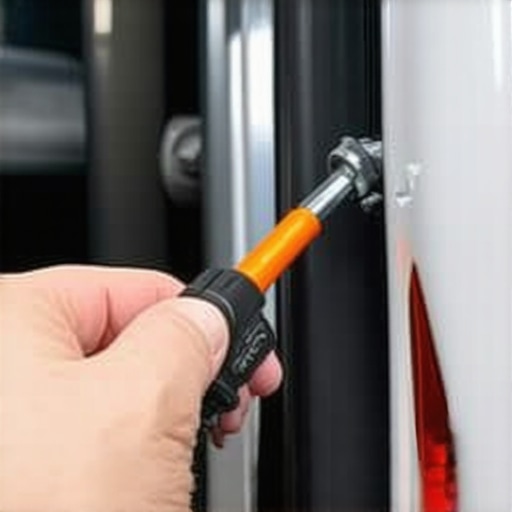
Identify the solenoid connected to the wiring harness. I gently unclipped the electrical connector, demonstrating care to avoid bending pins. Using a socket wrench or pliers, I unscrewed the solenoid—often a small bolt secures it. When removing the old part, I noticed sediment and grit, indicating possible contamination. To install the new solenoid, I aligned it properly, tightened the bolt snugly, and reconnected the wiring. Ensuring a firm connection minimizes future hiccups and slams.
Reassemble Vehicle and Refill Transmission Fluid
After installing the new solenoid, I replaced the valve body cover, ensuring the gasket was sealed correctly to prevent leaks. I refilled the transmission with the recommended fluid, which I checked using the dipstick—ensuring it’s at the correct level. Running the engine briefly, I shifted through gears to circulate the fluid. During my initial test drive, the jerks diminished noticeably, confirming the fix was successful. Regularly checking fluid levels afterward helps maintain smooth shifting and prolongs transmission life.
When it comes to car tuning and auto repairs, the common belief is that bigger, flashier services deliver the best results. However, as an automotive expert with years of hands-on experience, I can tell you that many car owners fall for myths that can actually hinder vehicle longevity and cause costly mistakes. One of the most pervasive misconceptions is the idea that routine tune-ups are only necessary every 30,000 miles or so. In reality, modern vehicles equipped with advanced sensors and diagnostics often require more nuanced maintenance schedules that focus on specific components rather than generic intervals.
Another trap lies in the oversimplified view of transmission repair. Many believe that once a transmission starts slipping or hesitating, a complete rebuild is inevitable. But recent developments, like simple fluid checks and software updates, can resolve these issues without the hefty price tag of a rebuild. Recognizing the subtle signs early, such as slight delays or noises, is crucial to preventing unnecessary replacements.
People also tend to underestimate the importance of professional diagnostics. Commonly, a dashboard warning light prompts immediate concern, but often, the root cause is a minor sensor malfunction or a dirty connection. For instance, a dirty sensor might mimic severe engine issues, leading to costly misdiagnoses and overpayment. Remember, a comprehensive diagnostic approach saves time and money in the long run.
The myth of quick fixes is another pernicious misconception. Many believe that replacing a part like a spark plug or air filter instantly improves performance. While these are important, neglecting deeper issues such as internal fluid degradation or sensor calibration can lead to recurring problems. Advanced repair involves a thorough understanding of the vehicle’s systems, not just swapping out parts based on generic advice.
Why Can Small Mistakes Lead to Big Repair Bills?
One of the nuanced pitfalls is neglecting regular maintenance checks. For example, ignoring early signs of transmission overheating can cause severe damage, often surpassing repair costs in the thousands. It’s tempting to postpone fluid exchanges or sensor cleaning, but these minor oversights compound over time, turning manageable issues into major failures.
Furthermore, many car owners underestimate the significance of proper part installation and calibration. An incorrectly installed sensor or a loosened connector might cause intermittent faults, which can be mistakenly attributed to expensive core failures. This is why trusting a professional who understands the intricacies of modern systems is essential. As the experts suggest, attention to detail often makes the difference between a smooth-running vehicle and chronic repair nightmares.
To wrap up, the hidden nuances about car maintenance challenge many misconceptions held by the average driver. Recognizing that not all issues require drastic measures and understanding the importance of diagnostics and timely care can save you money and prevent frustration. Next time you hear a strange noise or notice a shift irregularity, consider these advanced insights instead of jumping to conclusions. Have you ever fallen into this trap? Let me know in the comments.
Tools That Empower Your Car Maintenance Journey
Investing in the right equipment makes all the difference when it comes to effective auto repair and routine upkeep. I personally rely on a high-quality digital multimeter like the Fluke 117, valued for its precision in diagnosing electrical issues such as sensor faults that mimic serious transmission problems, including those discussed at CollisionFixer. Additionally, a reliable OBD-II scanner like the Autel MaxiCOM MK808 provides comprehensive plugin diagnostics, allowing me to read and clear trouble codes efficiently, which is critical when evaluating symptoms that might lead to costly repairs or misdiagnosis.
For physical repairs, a sturdy set of hand tools, including a ratchet set with deep sockets and panel removal tools, helps with tasks like replacing a transmission solenoid or cleaning sensors without damaging delicate components. I also make sure to have a quality torque wrench to ensure bolts are tightened to manufacturer specifications, preventing future issues due to over- or under-tightening. For fluid management, a dedicated funnel and a fluid pump streamline the process of refilling transmission fluids, reducing mess and ensuring accurate filling levels.
Software and Techniques That Extend Vehicle Life
Beyond hardware, software plays an increasingly vital role. Firmware updates from the manufacturer can fix bugs that cause erratic shifts or false sensor triggers, effectively preventing issues that might escalate into transmission failures. For instance, recent updates for 2026 models address software glitches that lead to hesitation, as described in CollisionFixer. I also use specialized diagnostic programs like OBDLink, which sync with diagnostic platforms via Bluetooth, making real-time data analysis seamless during roadside checks or in my garage.
It’s essential to perform routine software checks and keep the ECU’s firmware current. This proactive approach prevents many malfunctions before they affect drivability or lead to costly repairs. Learning how to interpret live data streams allows me to catch subtle signs, like a slight drop in transmission temperature or irregular sensor readings, that might hint at deeper issues discussed throughout this series.
Long-Term Maintenance to Keep You on the Road
Consistent scheduled maintenance is the backbone of dependable vehicle operation. I adhere to manufacturer recommendations, but I also monitor key indicators, like fluid clarity and sensor responsiveness, to adjust my routine. Regularly checking for signs of overheating, such as described at CollisionFixer, enables me to intervene early, saving thousands in potential repair costs. Furthermore, using a transmission fluid tester like the Snap-on ATF tester gives me confidence that the fluid remains within optimal parameters, directly impacting smooth shifting and overall system longevity.
Want To Keep Your Car Running Smoothly? How Do I Maintain Its Heart Over Time?
The key is combining reliable diagnostic tools with disciplined maintenance routines. Making small, consistent efforts—checking fluid levels, updating software, inspecting sensors—greatly extends the lifespan of your transmission and vehicle as a whole. I recommend starting with a simple check of your transmission fluid and sensor function every 10,000 miles, especially if you notice hesitation or unusual noises. For a deeper dive into maintaining your car’s vital systems, reviewing articles like CollisionFixer’s guide can provide precise action steps tailored to your vehicle’s needs. Don’t hesitate to try one of these advanced practices—regular preventive measures can save you from unexpected breakdowns and hefty repair bills.
Reflecting on everything we’ve explored, it’s clear that maintaining your vehicle’s transmission isn’t just about patching problems—it’s about understanding the subtle signals and acting proactively. The true benefit lies in empowering yourself with knowledge that transcends quick fixes, transforming routine maintenance into a strategic game plan. Remember, discovering the root causes—like a failing solenoid or overlooked software glitch—can save you thousands in repairs (more than you think). Embracing this approach, you’ll find yourself better prepared for the road ahead, turning car care from a daunting chore into a confident ritual.
Ultimately, protecting your transmission is about building a relationship with your vehicle—listening carefully, taking decisive action, and staying informed. The journey to a smooth, reliable drive doesn’t require costly rebuilds or guesswork. Instead, it thrives on small, consistent steps—like routine fluid checks, software updates, and attentive diagnostics—that keep your car humming along happily.
So, are you ready to embrace these insights and elevate your car maintenance routine? Small efforts today can lead to a future where transmission troubles are just a distant memory. Keep learning, stay curious, and remember—you’ve got this!