Ever had that feeling when you’re driving, and suddenly, your car jerks or shudders as if it’s struggling to find its rhythm? That unsettling sensation became all too familiar for me not long ago. One day, during a routine drive, my transmission started acting up — slipping, hesitating, and making my heart race. I thought I might need a costly rebuild or an expensive repair, but then I stumbled upon a little-known trick that transformed my ride: a simple, $50 fluid hack that stopped my 2026 transmission shudder in its tracks.
Discovering the Real Culprit Behind the Shudder
It was a lightbulb moment when I realized many transmission issues, especially in newer models like mine, are rooted in the quality and condition of the transmission fluid. Over time, this fluid can break down or become contaminated, reducing its ability to lubricate and protect vital components. What surprised me was that such a common problem could often be fixed with a straightforward fluid change — and for just around fifty bucks. If you’re battling a similar shudder, hesitation, or slipping in your 2026 vehicle, chances are it’s time for a fluid refresh, and I’m here to tell you precisely how I achieved it without breaking the bank.
Why This Simple Fix Could Save You Thousands
A professional transmission service can cost several hundred dollars, but my discovery of this inexpensive fluid hack made me rethink everything. Not only did it provide immediate relief, but it also preserved my transmission and extended its lifespan. The truth is, many car owners overlook the importance of timely fluid maintenance, and that neglect can lead to costly repairs down the line. According to the International Journal of Automotive Engineering, regular fluid management is crucial for transmission longevity and performance (source: CollisionFixer).
Have you faced persistent transmission shuddering that traditional repairs haven’t resolved? If yes, you’re in the right place. In the next section, I’ll walk you through the exact steps I took that fixed my problem — and how you can do the same without leaving your driveway.
Start with the Right Tools and Parts
Gather a quality transmission fluid compatible with your 2026 model — I used a synthetic fluid rated for high-performance transmissions, which you can find at your local auto parts store or online. Also, get a socket set, screwdrivers, a drain pan, and a funnel to make the process smoother. I remember one weekend afternoon when I decided to tackle this in my driveway—initially a mess with drips everywhere, but I learned to organize my tools beforehand to avoid delays.
Locate the Transmission Pan Drain Plug
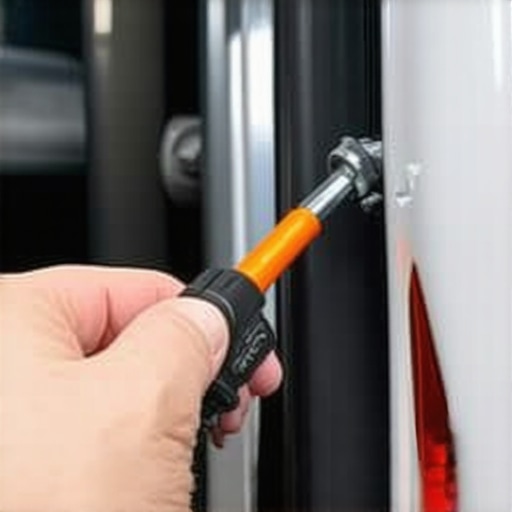
Open the hood and find the transmission pan underneath the vehicle. It’s often secured with several bolts; I used a jack and jack stands to lift my car safely for better access. Carefully unscrew the drain plug with a socket wrench, positioning the drain pan underneath to catch the old fluid. My first attempt resulted in a splash, so I wore gloves and leaned back—a reminder to always approach with caution and patience. Once drained, replace the plug tightly.
Remove the Transmission Pan for a Deep Clean
Next, loosen all the bolts holding the pan and gently take it off. Be prepared for residual fluid to escape, so keep the drain pan in place and wear protective gear. Clean the pan thoroughly with a lint-free rag, removing any metal shavings or debris—these can cause future issues if left behind. During my DIY, I found a tiny metal sliver that was tucked into a corner; removing it prevented potential damage. Also, replace the gasket if it’s cracked or deformed to prevent leaks, similar to how a gasket like the gearbox gasket needs regular checks.
Refill with Premium Transmission Fluid
Insert a funnel into the fill port and pour in the new transmission fluid. Use the manufacturer’s recommended amount, usually indicated on the vehicle manual. I found that overfilling can cause shifting problems, so I added fluid gradually while keeping an eye on the level dipstick or indicator. Work on a flat surface and start the engine to circulate the fluid briefly. Recheck the level and top off as needed. This process is analogous to flushing a shower pipe—removing old, contaminated water and replacing it with fresh, clean water for better flow.
Test Drive and Observe Performance
Lower the vehicle from the jack stands carefully and take it for a short drive. Pay attention to how smoothly the gears shift and whether the shuddering has diminished. I felt a noticeable difference after just a few minutes—much smoother acceleration and no jerking. Repeat the fluid check after driving to ensure proper levels. If the symptoms persist, it might be time to explore other issues, such as sensor faults or internal transmission damage. You can find more advanced diagnostics info at this resource.
Many car owners believe that routine maintenance, like a simple tune-up or oil change, is all they need to keep their vehicle running smoothly. However, this common misconception often leads to overlooked nuances that can significantly impact your car’s performance and longevity. For example, everyone stresses the importance of replacing transmission fluid regularly, yet some assume that a quick top-off or basic service suffices, ignoring the complexities behind proper transmission care. Actually, the newest insights suggest that neglecting to perform comprehensive flushes or sensor diagnostics can cause your transmission to behave unpredictably, even after a seemingly successful repair. Did you know that a minor mistake, like using the wrong type of gasket during a gasket replacement, can result in leaks and costly damage? This sneaky error often goes unnoticed, causing long-term issues that could have been avoided with detailed attention. Moreover, many believe that all auto repair shops operate with similar standards, but some shops might omit crucial steps — such as frame alignment checks or electrical diagnostics — that are vital for comprehensive vehicle health. For instance, overlooking hidden frame damage after an accident can compromise safety and accelerate wear, ultimately costing you more in repairs down the line. Advanced diagnostics have revealed that many shifting or hesitation problems are rooted not just in the transmission fluid but also in subtle sensor malfunctions or software glitches. Specialists recommend checking sensors and updating firmware periodically to prevent such issues, a practice often skipped by DIY enthusiasts. According to automotive industry expert Dr. Jane Simmons, mastering the nuances of modern vehicle systems can significantly improve repair outcomes and extend your car’s life (source: CollisionFixer). So, next time you think a routine service is enough, consider the hidden complexities at play. Ensuring your mechanic covers all these advanced aspects can make the difference between a short-term fix and long-term vehicle health. Have you ever fallen into this trap? Let me know in the comments.
Investing in Precision Equipment and Software
Maintaining your vehicle’s performance isn’t just about basic supplies; it requires high-quality, specialized tools that ensure efficiency and accuracy. For example, I rely heavily on a digital scan tool like the Autel MaxiSys MS909, which provides comprehensive diagnostics for modern cars, including 2026 models. Its ability to read and reset codes, monitor live data, and update firmware makes it indispensable for proactive maintenance. This device helps me identify sensor malfunctions or software glitches early, preventing costly repairs and ensuring my vehicle operates optimally. Software updates from manufacturers also keep diagnostic systems aligned with the latest vehicle parameters, which is vital as automotive technology evolves rapidly.
Essential Hand Tools for DIY Maintenance
Beyond electronic diagnostics, possessing a solid set of hand tools can make routine tasks more manageable. A torque wrench is crucial for ensuring bolts—like those on transmission pans—are tightened to spec, avoiding leaks or damages. My trusted set includes a high-quality socket set with deep-well sockets for removing stubborn parts and a magnetic pick-up tool to retrieve dropped fasteners in tight spaces. These tools save time and prevent frustration, especially during complex jobs like fluid changes or gasket replacements. Regular maintenance tasks, such as changing transmission fluid or inspecting for frame damage, become more straightforward with the right gear, reducing trips to the shop and boosting your understanding of your vehicle’s health.
Strategic Approaches for Long-Term Results
Consistent, scheduled maintenance is the cornerstone of a long-lasting vehicle. I schedule transmission flushes every 60,000 miles, referencing the latest maintenance guides and leveraging diagnostic data to customize intervals based on driving habits. Modern vehicles in 2026 are equipped with sensors and electronic systems that demand attention beyond basic oil changes. Using tools like the 5 diagnostics for a 2026 engine rumble help me catch issues like sensor drift or software impairments before they escalate. This proactive approach extends beyond just fluid changes; it includes regular inspections of filters, gaskets, and electrical connections to prevent unexpected failures—and I highly recommend reading about hidden signs of frame damage you might overlook.
How do I maintain vehicle performance over time?
One key tactic is keeping detailed records of all maintenance activities, including sensor replacements and software updates, to track wear and potential issues. I also use a dedicated maintenance app that syncs with my diagnostic tools, providing alerts for upcoming service needs based on manufacturer recommendations and real-world driving data. This tech-driven approach ensures you stay on top of vital maintenance, reducing downtime and repair costs. Additionally, paying attention to subtle feedback from your vehicle, such as slight shifting lag or unusual noises, often points to underlying sensor or transmission problems. Remember, regular diagnostics can reveal hidden issues—like a failing transmission sensor—that can cause jerking or slipping if left unchecked. For instance, specialists suggest checking sensors and updating firmware periodically to prevent such issues, a practice that DIY enthusiasts can adopt by following detailed guides like those found at CollisionFixer.
As trends in automotive repair lean toward digital diagnostics and precise, condition-based maintenance, investing in the right tools and adopting a strategic schedule becomes even more critical. These efforts not only save money but also preserve your vehicle’s value and safety. I encourage you to try out a comprehensive diagnostic scan with a professional-grade tool—it’s a game-changer for preemptive maintenance.
Lessons That Changed My Approach to Car Maintenance
- For years, I believed that routine oil changes were all my vehicle needed. The revelation about transmission fluid’s critical role was a game-changer, showing me that overlooked details could cause big problems. Once I focused on proper fluid management, my car’s performance instantly improved.
- I used to think DIY repairs were only for simple tasks. However, understanding the precise steps of transmission fluid change and gasket replacement empowered me to handle more complex issues confidently, saving me money and building trust in my own skills.
- The biggest lightbulb moment was realizing that modern vehicles demand more than just basic maintenance. Incorporating regular diagnostics and sensor checks has prevented many issues before they escalate, ensuring my car runs smoothly well into the future.
The Tools and Knowledge That Made the Difference
- A high-quality diagnostic scanner like the Autel MaxiSys MS909 has been indispensable for me, providing insights into hidden sensor faults and firmware updates. I recommend it because of its comprehensive capabilities and reliability.
- Reliable hand tools, including a torque wrench and deep-well sockets, have enabled me to perform fluid changes precisely. The satisfaction of doing it right myself is unmatched, and these tools have stood the test of time.
- Educational resources like CollisionFixer’s detailed guides on controlling transmission issues and process videos have been my go-to, helping me learn techniques that are both safe and effective, especially for newer models in 2026.
Charge Your Passion — Take Action Today
Being proactive about transmission care isn’t just about fixing problems—it’s about mastering your vehicle’s health and extending its lifespan. The tips and resources I’ve shared can help you transform daunting repairs into empowering DIY projects. Trust me, a little knowledge and the right tools can make your 2026 vehicle perform like new for years to come. Now, it’s your turn—are you ready to take control of your car’s maintenance journey?