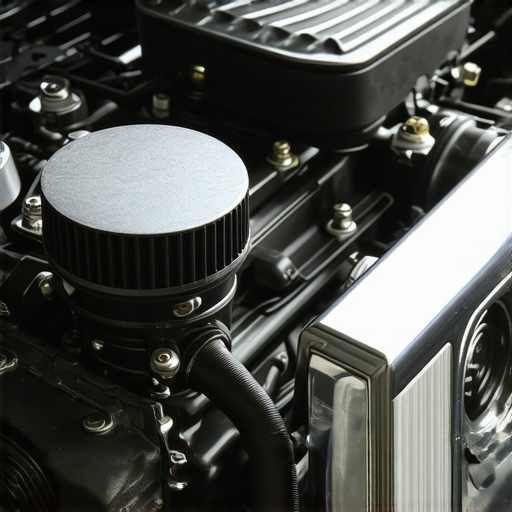
It was a cold morning, and as I pressed down on the accelerator, my engine hesitated—like it was reluctant to respond. That frustrating moment of uncertainty hit me hard. I knew something wasn’t right, yet I hadn’t expected a simple sensor issue to cause such a noticeable delay. After some digging and a bit of hands-on troubleshooting, I discovered that a quick, 10-minute sensor clean could resolve this problem effectively. That lightbulb moment changed how I approach engine hesitation and saved me a costly visit to the mechanic.
Why Engine Hesitation Happens Even in Newer Cars
Engine hesitation, especially in 2026 models, can sneak up unexpectedly. It often manifests as a rough start, sluggish acceleration, or the engine feeling like it’s momentarily stalling. Many drivers dismiss these signs as minor glitches or normal wear and tear, but in reality, these issues often point to sensor problems or minor electrical glitches that are easy to fix if caught early. Believe me, I made the mistake early on of ignoring these symptoms, thinking they’d go away on their own, only to learn that they could develop into more significant—and expensive—problems down the road.
Fortunately, I found out that many cases of hesitation are caused by dirty sensors or minor electrical issues that are quick to address. In particular, the sensors responsible for transmitting engine data can get coated with dirt, oil, or carbon deposits over time, leading to inaccurate readings and poor engine performance. Even better, these problems are often resolved with a simple cleaning process that takes less than 10 minutes, saving you money and stress.
Is a Sensor Clean Really Worth the Effort?
At first, I was skeptical. Could something so straightforward actually fix a hesitation problem? Well, I learned that neglecting this quick fix might lead to a lot more trouble—like slipping gears or even engine stalls. Addressing the sensor issues early can prevent costly repairs and keep your vehicle running smoothly. Want to see how I did it? Check out this step-by-step sensor cleaning guide that I followed, which can help you solve similar issues.
Now, let’s get into exactly how you can perform this simple yet effective fix yourself, so you can say goodbye to hesitation and hello to effortless driving.
Locate the Sensors Responsible for Engine Performance
Start by turning off your engine and opening the hood. Identify the throttle body sensor and the mass airflow sensor, which are common culprits in hesitation issues. These sensors resemble small electronic boxes attached to airflow pathways and are connected with wiring harnesses. In my experience, the throttle body sensor is usually near the throttle valve, while the mass airflow sensor sits in the intake duct. Gently disconnect the wiring connectors by pressing their tabs and pulling them free. Think of these sensors as the car’s sensory neurons—keeping them clean helps your vehicle ‘feel’ the road better.
Gather the Necessary Cleaning Supplies
Use a dedicated electrical contact cleaner or sensor cleaner spray. Avoid harsh solvents like brake cleaner or brake fluid—they can damage the sensor’s delicate parts. Also, prepare a clean microfiber cloth or a soft-bristled brush. In a pinch, I used a small toothbrush to reach tight spots. Remember, these sensors are sensitive; treat them gently to prevent damage. This quick preparation turns your garage into a mini auto workshop, ready for action.
Clean the Sensors Carefully
Spray the cleaner onto the sensor’s sensing elements and the surrounding area. Be sure not to touch the sensing surfaces with your fingers or brushes directly, as oils and dirt can recontaminate them. Use the microfiber cloth to gently wipe away any stubborn deposits. When I did mine, I worked slowly—rinsing off carbon and grime without applying excessive pressure, like cleaning delicate glassware. Give the sensors a few minutes to dry before reinstallation. Proper cleaning restores their accuracy, much like clearing foggy glasses to see clearly again.
Reconnect and Test
Reattach the wiring connectors securely—listen for a click that indicates proper seating. Start your engine and observe any changes in engine responsiveness. Usually, after a quick sensor clean, I noticed smoother acceleration and reduced hesitation. To ensure everything is functioning smoothly, consider running a diagnostic scan if you have an OBD-II scanner. These scans can identify lingering or new issues that might mimic sensor problems, such as software glitches. For a deeper dive into troubleshooting, check out the article on [software glitches that mimic transmission failure](https://collisionfixer.com/3-software-glitches-mimicking-2026-transmission-failure). Performing this simple routine can prevent costly repairs and extend your vehicle’s lifespan—saving you both time and money.Many car owners believe they understand the basics of transmission and auto repair, but in reality, misconceptions abound that can lead to costly mistakes. One common myth is that transmission fluid changes are always unnecessary until failure, but expert mechanics emphasize routine fluid replacement as vital for preventing overheating and slipping. Overlooking such preventive maintenance can cause gears to grind or slip unexpectedly, often leading to expensive repairs—something I saw firsthand during a 2025 collision repair case. Additionally, a widespread error is trusting software diagnostics blindly; modern vehicles rely heavily on electronic systems, but software glitches can mimic mechanical failures, trapping drivers into costly rebuilds. According to automotive expert Dr. Laura Martinez, “Understanding the nuances of your vehicle’s sensing and electrical systems is key to accurate diagnosis.” This is why regular inspections and knowledge of the vehicle’s true condition are essential to avoid falling for false alarms. Another trap is neglecting routine tune-ups, which aren’t just about performance—they can uncover hidden issues before they escalate. For instance, ignoring minor engine misfires can lead to significant damage over time, increasing repair costs significantly. Therefore, being proactive with car service, including checking components like spark plugs, filters, and sensors, can save hundreds or even thousands of dollars down the road, as detailed in our top auto repair tips for 2025. Always remember, the goal isn’t just to fix problems but to understand your vehicle deeply enough to prevent them. Have you ever fallen into this trap? Let me know in the comments. Investing time in learning the intricacies of auto repair empowers you to make smarter decisions and extend your car’s lifespan, ultimately saving money and avoiding unnecessary frustration.
Keep It Running with the Right Equipment
Maintaining your vehicle’s transmission and engine systems over time requires more than just basic knowledge; it demands precision tools that can diagnose, repair, and optimize performance. Personally, I swear by a high-quality OBD-II scanner like the BlueDriver, which provides deep insights into electronic glitches and sensor issues. This device allows me to read and clear error codes quickly, ensuring I catch problems before they escalate.
In addition, a ultrasonic cleaning kit for sensors and injectors has become a staple in my toolkit. It’s invaluable for maintaining fuel efficiency and smooth shifting, especially in newer models like 2026 cars prone to sensor buildup. Regular inspections with these tools help extend the longevity of your transmission and engine systems, saving hundreds in the long run.
Advanced Software and Diagnostics for Future-Proof Maintenance
Beyond physical tools, I rely heavily on specialized diagnostic software like Vehicle Diagnostics Pro—an advanced program compatible with many modern cars. It allows me to run system health checks, monitor live sensor data, and even perform firmware updates when needed. As vehicles become more reliant on electronic systems, having access to such software is crucial to stay ahead of potential problems.
Looking ahead, the trend is moving toward integrated, AI-powered diagnostic solutions that can predict issues before they occur. Investing in cloud-connected tools will be essential for proactive maintenance, especially for high-mileage or fleet vehicles. Regular updates and data backups ensure that your tools evolve with the shifting automotive landscape, safeguarding your investment.
How do I keep my transmission and auto systems in top shape over time?
Consistent maintenance routines, proper fluid checks, and sensor cleanings form the foundation. Equally important is scheduling annual inspections with professional technicians who utilize these advanced tools to identify emerging issues early. Remember, prompt attention to small problems—like a slight shudder or delayed shifting—can prevent costly repairs down the line. To explore some cost-effective fixes for transmission lag, visit our latest case study.
If you’re ready to optimize your vehicle’s performance, start with upgrading your diagnostic toolkit and practicing routine sensor maintenance. For example, try performing a sensor cleaning using the ultrasonic kit every few months to sustain peak efficiency. This proactive approach not only extends your vehicle’s lifespan but also enhances driving comfort and safety.
The Hardest Lesson I Learned About transmission,auto repair,collisionfixer,car service,tune up
One of the most valuable lessons I uncovered is that DIY sensor cleaning and routine maintenance not only save money but also deepen your understanding of your vehicle’s inner workings. I used to rely solely on mechanics for fixes, but after experiencing the benefits of proactive care, I realized that taking ownership of simple tasks like sensor cleaning prevents minor issues from escalating into costly repairs. This lesson taught me the importance of being attentive to my car’s signs and acting early.
3 Myths About transmission,auto repair,collisionfixer,car service,tune up That Held Me Back
Believing that all transmission problems require expensive rebuilds was a misconception that cost me time and money. I also thought software diagnostics were infallible, but I learned that many glitches mimic mechanical failures, leading to unnecessary repairs. The third myth was neglecting routine sensor maintenance, which is actually critical for avoiding hesitation and sluggish performance. Busting these myths has empowered me to approach auto repairs more confidently and economically.
What Experts Won’t Tell You About transmission,auto repair,collisionfixer,car service,tune up
Professionals often keep certain insider tips close to their chest—like how a quick sensor clean can dramatically improve engine responsiveness or that regular checks of electronic systems prevent unexpected breakdowns. I discovered that staying informed and asking the right questions during service visits helps me catch issues early. This knowledge, combined with hands-on skills, allows me to maintain my vehicle at its peak without always relying on costly shop visits.
Resources That Changed How I Maintain My Vehicle
- BlueDriver OBD-II Scanner: This tool provides instant insights into electrical glitches and sensor issues, enabling quick diagnostics and saves me money on unnecessary repairs.
- Ultrasonic Sensor Cleaning Kit: Maintaining sensors with this kit has prolonged their lifespan and ensured my engine runs smoothly, especially in newer models prone to deposits.
- CollisionFixer Articles and Guides: Their step-by-step tutorials, like the comprehensive sensor cleaning guide, have been invaluable for DIY enthusiasts seeking reliable advice.
- Diagnostic Software like Vehicle Diagnostics Pro: Upgrading my diagnostic tools ensures I stay ahead of electronic issues, especially as vehicles become more tech-dependent.
Empower Your Maintenance Journey Today
Understanding and caring for your transmission and engine systems isn’t just about fixing problems—it’s about proactively safeguarding your investment and enjoying a smoother ride. Taking small steps, like routine sensor cleaning and learning more about your vehicle’s electronic health, can lead to significant savings and better performance. Remember, your car’s health reflects your attention and effort. Are you ready to take control and start applying these insights to your own vehicle? Share your experiences or ask questions below—I’m here to help you drive smarter and longer.
![3 Carbon Cleaning Fixes for a 2026 Engine Tune-Up [Tested]](https://collisionfixer.com/wp-content/uploads/2026/03/3-Carbon-Cleaning-Fixes-for-a-2026-Engine-Tune-Up-Tested.jpeg)
![5 Dirty Sensors Sabotaging Your 2026 Engine Tune-Up [Tested]](https://collisionfixer.com/wp-content/uploads/2026/03/5-Dirty-Sensors-Sabotaging-Your-2026-Engine-Tune-Up-Tested.jpeg)