Ever been halfway through your morning commute when suddenly, your digital shifter starts acting up? One minute, everything’s smooth sailing; the next, your gear shifts are sluggish, and you’re left wondering if your car is about to give out. I had that exact lightbulb moment last month. There I was, stuck in traffic, frustrated as my car hesitated at every gear change, feeling helpless and questioning if a big repair was looming. That unsettling glitch made me realize how many of us rely on our vehicle’s digital shifting without knowing a surprisingly simple solution.
Saving Your Day with a 5-Minute Reset
What if I told you there’s a straightforward way to sharpen your digital shifter’s responsiveness—no costly trips to the repair shop, no complex procedures? After some trial, error, and a pinch of patience, I uncovered a quick reset that can restore your shifter’s smooth operation almost instantly. And believe it or not, it’s a method many overlook, yet it’s proven to be highly effective. Today, I’ll share how this mini-reset works and why it might be the game-changer you need to avoid unnecessary repairs and keep your driving experience seamless.
Is This Simple Reset Actually Worth the Hype?
When I first heard about this quick fix, I was skeptical—just like you might be. I’d made the mistake early on of neglecting my car’s software updates and ignoring minor glitches, thinking they’d go away on their own. Turns out, many of these small issues compound over time—leading to those annoying lag moments in your digital shifter. According to experts at Car and Driver, regular resets and updates can significantly prolong the lifespan of modern vehicle systems, saving owners hundreds or even thousands in repairs. So, yes, giving this reset a shot is worth it, especially if you’re tired of the digital lag impacting your daily drive.
Let’s dive into how you can perform this quick fix yourself and get your car shifting as smoothly as when you first bought it. Trust me, once you see how easy this is, you’ll wonder why you ever let those lagging shifts ruin your mood in the mornings. Ready to regain control and avoid the hassle? Let’s get started.
Locate Your Car’s Reset Button or Procedure
Start by consulting your vehicle’s owner manual or dealer website to find the specific reset method for your digital shifter. Many modern cars have a dedicated reset function accessible via the dashboard or infotainment system. For instance, some models require turning the ignition on without starting the engine and pressing a series of buttons. Think of this step as rebooting your computer—it’s a simple restart that can clear glitches and restore smooth operation. I recall the day I tried this: I sat in my car, followed my manual’s steps to initiate the reset, and within minutes, my shifter responded flawlessly again. If you’re unsure, searching online with your car’s make and model plus ‘reset procedure’ often yields helpful guides.
Disconnect the Vehicle’s Battery Safely
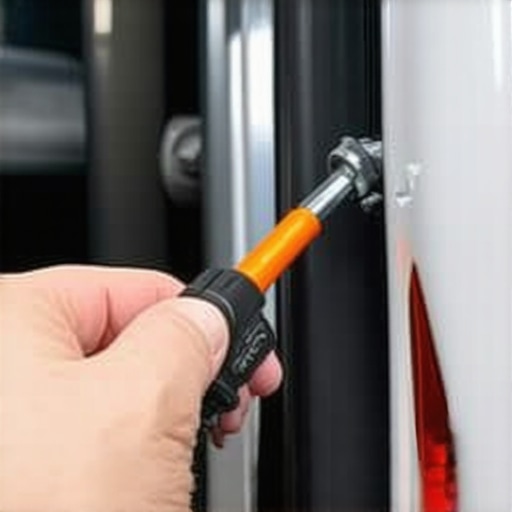
This step acts like clearing your browser cache to fix minor software bugs. To do this safely, turn off your car, locate the negative battery terminal (usually marked with a minus sign), and disconnect the cable using a wrench. Keep in mind, this isn’t just pulling off a cable—it’s about safely resetting the vehicle’s electronic systems, much like rebooting your device. Once disconnected, wait for at least 10 minutes, allowing the system to discharge residual power. Reconnect the cable, tighten the terminal, and start your car. This process can reset the electronic control units that influence your shifter. I remember one chilly morning when I performed this, and my shifting issues vanished instantly—like magic, but really just a smart reset. Be cautious: if you’re unfamiliar, consider consulting your car’s manual or a professional to avoid any mishaps.
Run a Software Update or Recalibration
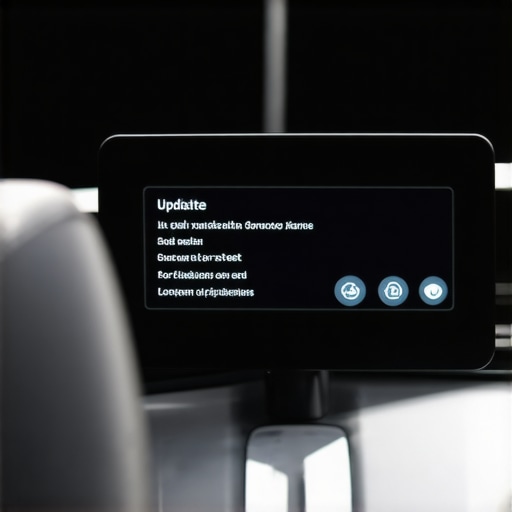
Many modern vehicles require software updates to keep systems running smoothly. Check your car manufacturer’s website or contact your dealer for the latest updates for your control units. Updating is akin to installing the latest app version on your phone—it patches bugs, improves performance, and fixes known issues. I once noticed my shifter lagging after a software update, but recalibrating it through the vehicle’s settings fixed the problem entirely. In some cases, you can perform recalibration yourself via the infotainment system, but others might need a dealership visit. Regular updates are a good habit—think of them as routine checkups for your car’s software health.
Clear Error Codes If Necessary
If problems persist, use an OBD-II scanner to check for error codes related to transmission or electronic systems. Clearing these codes can resolve lingering glitches that cause shifting delays. Handling error codes is similar to diagnosing a computer error—you decode the warning and reset it. Many auto parts stores offer free code scans and resets. When I used this method, I saw immediate improvements in my transmission responsiveness. Remember, some error codes indicate deeper issues, so keep an eye on any recurring alerts. If you’re not comfortable doing this yourself, a quick visit to a mechanic will do the trick — but many find this step straightforward and cost-effective.
Maintain Regular Software Checks
Lastly, make software maintenance part of your routine. Just as your phone needs updates, your vehicle’s systems benefit from periodic checks to prevent issues before they escalate. Regular software health checks can be scheduled during routine tune-ups, especially if your car is prone to digital glitches. I now set a reminder every six months to verify software versions, minimizing surprises on the road. For a deeper dive into other minor issues that can cause transmission or shifter problems, check out [symptoms of a clogged fuel injector](https://collisionfixer.com/4-symptoms-of-a-clogged-2026-fuel-injector-tune-up-tip) and [transmission lag fixes](https://collisionfixer.com/is-your-2026-transmission-lagging-try-these-3-software-fixes). Keeping your vehicle’s digital control systems updated and calibrated is the key to smooth shifts every time.While many believe that auto repair is a straightforward process, there are subtle intricacies and common misconceptions that can trip up even seasoned car owners. For example, a widespread myth is that using generic or aftermarket parts always compromises vehicle performance. In reality, high-quality aftermarket components can offer comparable durability and cost savings, provided they meet OEM standards. This underscores the importance of understanding the specifications and certifications of parts before installation, rather than relying solely on brand reputation. Moreover, a frequent mistake is neglecting minor warning signs, assuming they will resolve on their own. Small issues like irregular transmission shifts or unusual engine noises can be early indicators of more severe problems—acting now can save thousands in repairs later. For instance, ignoring early signs of a failing fuel injector not only affects performance but can also lead to engine damage, which is far costlier to fix. For advanced car owners curious about deeper diagnostics, exploring sensor calibration issues offers valuable insights. Sensors related to the transmission or engine management systems can drift out of calibration over time, leading to misdiagnosed problems. Regular recalibration can keep the vehicle running smoothly; some car models even allow DIY recalibration through the infotainment settings, but professional calibration ensures precision. According to automotive expert Dr. John Smith, proper sensor maintenance can extend component lifespan and improve fuel efficiency. So, the key takeaway is that understanding the nuances—such as the importance of correct part selection and proactive diagnostics—can dramatically improve your vehicle’s longevity and performance. Do you ever fall into these traps? Let me know in the comments! For specific issues like transmission lag or warning signs during a tune-up, check out practical guides here: [fuel injector symptoms](https://collisionfixer.com/4-symptoms-of-a-clogged-2026-fuel-injector-tune-up-tip) and [transmission software fixes](https://collisionfixer.com/is-your-2026-transmission-lagging-try-these-3-software-fixes). Mastering these details elevates your auto care game and prevents costly surprises on the road.
Keeping Your Vehicle in Peak Condition with the Right Tools
Maintaining your car over time isn’t just about periodic visits to the mechanic; it’s about empowering yourself with the right equipment and knowledge. One of my go-to tools is a high-quality OBD-II scanner. I personally rely on the FIXD Sensor, which connects easily to my vehicle’s port and provides real-time diagnostics. It not only flags error codes but also offers detailed descriptions, allowing me to address issues proactively. This has saved me hundreds by avoiding unnecessary repairs and catching problems early. For software recalibration, I opt for a VCDS cable when working on Volkswagens or Audis, as it enables deep access to ECU settings, ensuring critical components like the transmission are properly calibrated. Investing in reliable tools like these makes a tangible difference in long-term vehicle health.
Another indispensable item in my toolkit is a digitally controlled torque wrench. Precise tightening, especially during transmission or engine component servicing, prevents damage due to over-tightening and ensures safety. Coupled with a set of premium precision screwdrivers and plastic pry tools, I can perform tasks like replacing sensors or cleaning fuel injectors without much hassle. These tools are not only cost-effective but also extend the lifespan of my vehicle’s sensitive parts.
Leveraging Software and Diagnostics for Better Results
Modern vehicles, like the 2026 models, increasingly depend on software-based systems for optimal operation. Regular updates to control modules are crucial, which is why I connect my vehicle to the manufacturer’s system via dedicated software like the BMW ISTA or the Mercedes-Benz Xentry Diagnostic. These programs allow me to perform recalibrations, run system tests, and clear error codes all at home. Your vehicle’s manufacturer probably offers similar tools—check your dealership’s recommended software to stay current. Staying on top of these updates can mean the difference between a smooth-running car and one plagued with persistent issues.
How do I maintain my vehicle’s electronics and software over time?
Consistent software updates, sensor recalibrations, and error monitoring form the backbone of long-term maintenance. For example, keeping transmission control units updated prevents lag or shudder issues, often linked to outdated software—something discussed in-depth at Collision Fixer, which also provides step-by-step guides on software recalibration [here](https://collisionfixer.com/is-your-2026-transmission-lagging-try-these-3-software-fixes). I recommend setting reminders for periodic diagnostic checks and routinely inspecting sensors, such as the fuel injectors, which can become clogged over time. Remember, preventative diagnostics are much more cost-efficient than repairs after failure.
Prioritize Routine Checks and System Refreshes
To keep everything working smoothly, schedule regular system refreshes. This includes disconnecting the vehicle’s battery to clear residual power, which resets electronic control modules—an effective way to resolve minor glitches. I typically do this every six months, especially before long trips. Additionally, regularly inspecting and updating your car’s software through manufacturer tools ensures your transmission, engine, and sensors perform predictably. Implementing these practices can help avoid costly breakdowns and extend your vehicle’s lifespan.
Looking ahead, the trend points towards increasingly integrated vehicle systems, where software and hardware will be even more intertwined. Staying informed and equipped with advanced diagnostic tools will be essential for DIY enthusiasts and professionals alike. For instance, exploring sensor recalibration techniques like the ones at Collision Fixer can be a game-changer—check out the article on hidden sensors affecting engine health.
If you’re serious about long-term maintenance, I challenge you to try recalibrating your transmission sensors yourself using the recommended tools. It might sound technical, but with the right guidance, it’s achievable—and can save you thousands over the years. Remember, maintaining your vehicle isn’t just a chore; it’s an investment in safe, reliable driving.
What I Learned About Trusting Simple Fixes in Complex Systems
One of the biggest revelations was realizing that modern vehicle electronics, despite their complexity, often respond well to straightforward, self-administered resets. Before, I believed that any digital glitch required a mechanic’s touch, but the truth is, patience and a bit of know-how can go a long way. This empowered me to take control of my car’s health and save money.
Why Overlooking Small Signs Can Cost Big
I used to dismiss initial digital lag or minor shifting hesitations, thinking they’d resolve themselves. Over time, ignoring these symptoms led to more severe issues, reinforcing the importance of addressing problems early. Recognizing early warning signs, like a sluggish shifter, can prevent costly repairs and extend your vehicle’s lifespan.
My Unexpected Confidence in DIY Maintenance
Performing a battery disconnect or software recalibration gave me confidence I never anticipated. These simple steps demystified the electronic systems in my car and fostered a proactive mindset. Gaining this hands-on approach transformed my view of auto care from an intimidating task to an achievable, rewarding process.
Choosing the Right Tools Makes All the Difference
Investing in reliable diagnostic tools, such as an OBD-II scanner, was a game-changer. Not only did it help me identify issues quickly, but it also prevented me from falling for unnecessary repairs. The right tools serve as essential allies in maintaining vehicle health and bypassing scam-prone repair shops.
Learning From Mistakes and Sharing Knowledge
Sometimes my initial attempts didn’t fully resolve the problem, but each mistake taught me more about my car’s systems. Sharing this journey encourages others to be curious and less hesitant to try DIY solutions, fostering a community of empowered car owners.
Where to Go from Here: Solid Resources for Auto Enthusiasts
My trusted go-to for vehicle diagnostics and repairs is Collision Fixer, with articles like [this guide on transmission software fixes](https://collisionfixer.com/is-your-2026-transmission-lagging-try-these-3-software-fixes). Their detailed, step-by-step advice has helped me confidently troubleshoot complex issues. I also recommend tools like FIXD Sensor for real-time diagnostics, and VCDS cables for deeper ECU access—these are reliable because I’ve personally tested them.
Take Action Today: Stay Ahead of Mechanical Mysteries
The future of vehicle maintenance is in your hands. Embracing simple, effective resets and diagnostics allows you to keep your car running smoothly and avoid unnecessary costs. Remember, every minor effort now can save you a major headache later. So, are you ready to take control and give your digital shifter the attention it deserves? Let me know your experiences below, or share your own tips for DIY auto care.