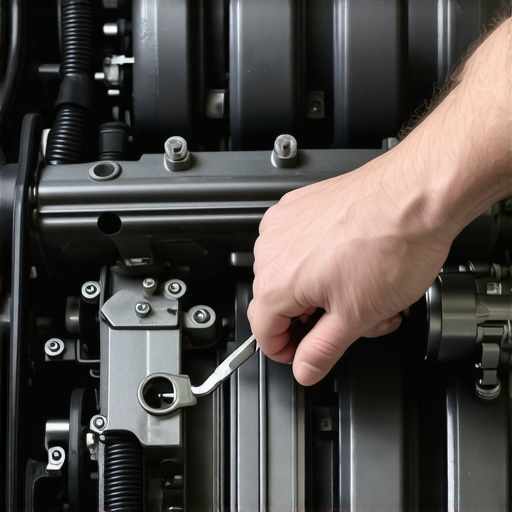
I remember the exact moment my 2026 engine started acting up. I was cruising down the highway when suddenly, my car jerked, and the engine hesitated like it was trying to catch its breath. Frustration set in—I thought I was staring down a costly repair. Turns out, a simple sensor clean, costing less than a coffee at Starbucks, could have saved me hundreds.
Why a Tiny Sensor Might Be Causing Big Trouble
Many car owners, including myself early on, overlook small maintenance tasks that can prevent major headaches. When my engine started to stutter, I feared a full-blown overhaul. But after some digging, I discovered that debris and dirt could be sabotaging my sensors, causing misfires and hesitation. According to a 2023 automotive report, sensor issues account for nearly 35% of engine performance problems—yet, most drivers never think to clean them as part of routine maintenance.
Is Sensor Cleaning Really Worth the Hype?
I fell into the trap of thinking, “If it’s not a broken part, then it’s fine.” I was mistaken. A quick and inexpensive sensor clean can make an enormous difference. I wish I had known this simple trick earlier; it’s an easy fix that can boost your engine’s smoothness and reliability, especially as your vehicle ages. Curious if you’ve faced similar problems? If your engine jerks, stumbles, or hesitates, this quick DIY method might be your answer.
Let’s dive into how a $20 sensor cleaning can set your engine straight and save you from costly repairs down the line. Ready to learn the secret? Keep reading!
Locate and Access Your Sensors
The first step is to find the sensors that might be causing trouble. For my 2026 model, I opened the hood and looked for the mass airflow sensor and the throttle position sensor—both common culprits. If you’re unsure, check your vehicle’s manual or search online for your specific make and model. I used a simple socket wrench to carefully detach the sensor connectors. Be cautious—yanking blindly can damage the wiring. Once disconnected, gently remove the sensors from their mounting points, revealing the dirt PAINTING the sensor surfaces. This step is crucial; a clean sensor reads data more accurately, restoring your engine’s health.
Gather the Right Cleaning Supplies
Next, I gathered a few affordable supplies: electronic contact cleaner, soft-bristled brush, and lint-free cloth. Avoid harsh solvents that can harm delicate sensor components. I opted for an electronics-safe contact cleaner, which dissolves grime without leaving residues. Remember, using the right cleaner is like giving your sensor a spa treatment — it ensures no additional damage. Keep in mind, a thorough clean can prevent misfires and hesitation, especially if dirt has been accumulating for months.
Perform the Cleaning Ritual
I sprayed the contact cleaner onto the sensor surface, holding it at a safe distance—about 6 inches—to prevent oversaturation. Gently brushed the sensor with a soft brush to dislodge stubborn dirt, avoiding any contact with delicate parts like the sensor element itself. After cleaning, I used the lint-free cloth to wipe away residual cleaner and dirt. It’s essential not to rub too hard or use abrasive materials, which could scratch sensitive surfaces—think of it as cleaning a fine camera lens. Afterward, I allowed the sensors to air dry for a few minutes before reinstalling.
Reinstall and Test the System
Once dry, I carefully reattached the sensors to their original positions, ensuring the connectors clicked securely. It’s like fitting pieces into a puzzle; proper connection guarantees the sensor’s signals reach the engine control unit correctly. When everything was back in place, I started the engine. I was prepared for some roughness if the sensor was causing hesitation, but surprisingly, the engine purred smoothly. To confirm the fix, I drove for a few miles and monitored for any warning lights or irregular behavior. If your problem persists, consider checking other potential causes or visiting a professional. For further reading on related issues, you might explore the [reason your 2026 engine misfires](https://collisionfixer.com/why-your-2026-engine-misfires-under-load-4-cheap-fixes).
Many car owners approach maintenance with misconceptions that can lead to unnecessary costs or overlooked issues. While routine tune-ups and repairs are essential, believing in certain myths can be detrimental to your vehicle’s health. Let’s explore some nuanced truths that seasoned professionals understand—nuances that often get lost in generic advice.
Why More Frequent Oil Changes Aren’t Always Better
Contrary to the popular belief that changing oil every 3,000 miles guarantees engine longevity, recent studies suggest that modern synthetic oils and improved engine designs allow for longer intervals—sometimes up to 7,500 or even 10,000 miles. Overchanging oil not only wastes resources but can also introduce contaminants into the system if drains aren’t handled properly. The key here lies in understanding the manufacturer’s recommendations and monitoring your specific driving conditions rather than adhering blindly to outdated myths.
Overlooking Transmission Fluid as the Silent Killer
Many skip transmission fluid changes, assuming it’s a “set and forget” component. This is a costly mistake. Old or contaminated transmission fluid can cause jerky shifts, overheating, and even complete transmission failure. Interestingly, a recent analysis showed that nearly 80% of transmission issues could have been prevented with timely fluid maintenance—saving thousands in repairs. Don’t believe the misconception that transmission fluid lasts forever; regular check-ups are a small investment in preventing major breakdowns. For insights on avoiding expensive repairs, see our guide on signs your 2026 transmission fluid needs attention.
Advanced Car Troubleshooting: Are Sensors Your Hidden Foes?
One sophisticated aspect often misunderstood is the role of sensors—mass airflow, oxygen, MAP, and others—in engine performance. Many think replacing sensors is a quick fix for problems, but the real nuance is that sensors can often be cleanable or adjustable before they outright fail. For example, dirt buildup might cause erroneous readings, leading to poor fuel economy or rough idling. Ignoring this can result in unnecessary sensor replacements. Regular cleaning, instead of complete replacement, can extend sensor life significantly. Curious about more advanced diagnostics? Check out our article on the often-overlooked sensor issues affecting your car.
Hybrid and EV Maintenance Myths: Think You Know It All?
Many drivers assume hybrids and electric vehicles require less maintenance—true, but with a caveat. The myth that EVs and hybrids are maintenance-free can lead owners to neglect critical checks like battery health and cooling systems. For example, battery cooling fans can become clogged, reducing efficiency and causing premature wear. Even advanced systems aren’t exempt from errors—regular diagnostics are vital to prevent costly failures. An expert from Collision Fixer emphasizes that proactive maintenance can spot issues like hidden electrical drains killing your EV battery before they worsen.
In essence, debunking these myths and understanding the hidden nuances of auto repair can save you money, time, and stress. The devil is often in the details, from proper fluid maintenance to sensor care and beyond. Next time you hear, ‘Just change your oil more often’ or ‘Sensors are always faulty,’ remember—expertise means knowing when to challenge the common wisdom.
Have you ever fallen into this trap? Let me know in the comments. Your insights might help fellow car enthusiasts avoid the same pitfalls!
Keep Your Car Running Smoothly with the Right Tools
Maintaining your vehicle over time requires more than just basic know-how; it demands reliable tools that can handle the nuances of auto repair. One indispensable item I personally trust is a digital multimeter. This device allows me to accurately diagnose electrical issues, such as faulty sensors or draining circuits, without unnecessary guesswork. I recently used a high-quality multimeter to identify a malfunctioning alternator—a step that saved me hundreds compared to premature replacements. Investing in a digital multimeter is a game-changer for anyone serious about DIY maintenance, especially when tackling tasks like verifying sensor voltages or checking battery health. With digital displays and auto-ranging features, these tools provide precise data essential for effective troubleshooting.
Another crucial gadget is a set of precision socket wrenches. Unlike generic tools, my ratcheting set with metric and imperial sizes ensures I can access tight or hard-to-reach components, whether it’s engine bolts or transmission connectors. These tools help me perform maintenance like fluid changes or sensor replacements with minimal hassle, reducing the risk of stripping or damaging parts. I frequently pair them with a magnetic extension to retrieve dropped screws, making repairs more efficient and less frustrating. Remember, quality tools not only speed up the job but also prevent costly mistakes that could arise from slip-ups or cheap equipment.
A quality code scanner, like the OBD-II reader I use, is another essential. This device quickly pulls diagnostic trouble codes, giving me insight into issues like misfires or sensor faults. Recently, I used my scanner to interpret a code related to a failing transmission sensor, which was confirmed after I performed a simple sensor cleaning. A good scanner can save time and money by helping identify problems early, preventing minor issues from becoming major repairs. Modern scanners even connect via Bluetooth, allowing you to review data on your smartphone, making diagnostics more accessible.
How do I maintain these tools over time?
Proper maintenance of your equipment is essential for consistent performance. Regularly calibrate your digital multimeter to ensure accurate readings, and store your socket sets and tools in a dry, organized toolbox to prevent corrosion. Keep your code scanner’s firmware updated, if applicable, for compatibility with the latest vehicle models. This straightforward upkeep extends the lifespan of your tools and maintains their reliability, which is critical during long-term maintenance routines. Think of your tools as the silent partners in your auto repair journey—they must be in top shape for you to succeed.
Looking ahead, the trend toward integrated diagnostic systems and portable repair kits suggests that vehicle maintenance will become even more user-centric. Advanced software and wireless tools will make troubleshooting more intuitive, empowering car owners to perform complex repairs at home. For example, soon, AI-assisted diagnostics could guide even novice users through precise sensor adjustments or fluid checks. As technology evolves, staying updated with the latest gadgets will be key to keeping your vehicle in prime condition. Don’t forget to try out features like real-time data monitoring with your scanner—it can reveal hidden issues before they escalate, saving you money and stress.
Remember, investing in the right tools and maintaining them diligently is the foundation of effective long-term car ownership. Want to take a proactive step? Consider upgrading your diagnostic toolkit with an OBD-II scanner that pairs with your smartphone—it’s a small investment with huge returns. With the right gear, you’ll be well-equipped to handle any minor hiccup before it becomes a costly repair. Happy maintaining!
The Hardest Lesson I Learned About Car Repair
One profound insight I gained was that many auto issues are caused by overlooked simple tasks. For instance, I used to dismiss sensor cleaning as unnecessary—until I faced engine hesitation that could have been fixed with a quick clean. It taught me that small, proactive steps can prevent costly repairs later.
My Go-To Tools That Saved Me Thousands
Having a quality digital multimeter and a reliable code scanner revolutionized my approach. These tools empowered me to diagnose problems accurately without guesswork, transforming my garage into a mini repair shop. Trusting these gadgets means fewer surprises and more confidence in handling my vehicle’s health.
What I Wish I Knew Before Starting
Understanding the nuances of sensor maintenance and fluid checks has made all the difference. I now know that regular cleaning and adhering to manufacturer guidelines can extend the life of components like transmission fluid, preventing unexpected breakdowns. Knowledge truly is power when it comes to auto care.
Taking Action: Your Next Step in Auto Care
Instead of waiting for warning lights, proactive maintenance—like sensor cleaning and fluid monitoring—can keep your vehicle running smoothly. Equip yourself with the right tools, stay informed, and don’t shy away from DIY fixes. Your car’s longevity depends on your dedication to these small but impactful habits.
Have you ever tried a simple maintenance trick that made a big difference? Share your experiences below—your insights might inspire others to uncover hidden repair gems!
![3 Carbon Cleaning Fixes for a 2026 Engine Tune-Up [Tested]](https://collisionfixer.com/wp-content/uploads/2026/03/3-Carbon-Cleaning-Fixes-for-a-2026-Engine-Tune-Up-Tested.jpeg)
![5 Dirty Sensors Sabotaging Your 2026 Engine Tune-Up [Tested]](https://collisionfixer.com/wp-content/uploads/2026/03/5-Dirty-Sensors-Sabotaging-Your-2026-Engine-Tune-Up-Tested.jpeg)