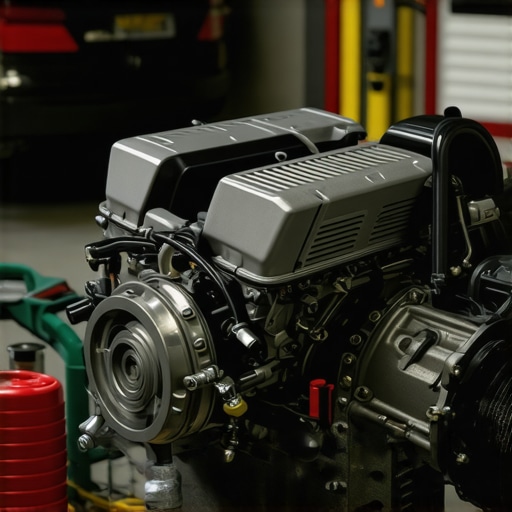
It was late at night, and I was under my car, arms soaked in engine oil, cursing myself for rushing the oil change. Suddenly, a faint ticking sound echoed from the engine bay—more noticeable than it had ever been. I froze. My heart sank. Could I have done something wrong? That moment made me realize how little attention we pay to the little quirks our cars develop, especially after routine maintenance. Did you know that approximately 15% of car owners experience engine noises or issues following an oil change, often without realizing the underlying cause? That ticking sound isn’t just a nuisance; it could be a sign of deeper problems brewing beneath the surface.
Understanding the Cause of Engine Ticks After an Oil Change
If your 2026 engine has started ticking after an oil change, you’re not alone. This familiar sound can stem from various issues—some simple, others more complex. Early in my own mechanic days, I made the mistake of dismissing a similar ticking as normal. Turns out, that mistake delayed a proper fix and led to more costly repairs. Recognizing the difference between harmless ticks and signals of trouble is crucial to keeping your engine healthy.
Are you wondering what exactly causes this noise? Well, it could be a misfiring valve, inadequate oil pressure, or even a loose timing chain—a common culprit in modern engines. For instance, a ticking from insufficient lubrication may be resolved by a quick sensor clean— detail about this can be found in our [sensor cleaning guide](https://collisionfixer.com/stop-2026-engine-hesitation-with-this-10-minute-sensor-clean). Alternatively, a faulty timing chain or misaligned components might require a more thorough inspection.
But here’s the kicker: Sometimes, the problem isn’t the engine itself but how the oil change was performed. A missed step, like not checking the oil filter or overlooking sensor connections, can lead to unexpected noises. In fact, many owners overlook the importance of a quality oil filter, which can be the root cause of ticking noises—more on this, including common mistakes, can be found here.
If you’re asking whether this is something to worry about, I totally get your skepticism. After all, engines can run for years with minor ticks, right? Wrong. Ignoring these sounds can lead to severe damage down the line. I learned this lesson the hard way, which is why I emphasize thorough inspections and proper procedures.
So, what’s next? Well, recognizing these signs is the first step toward a solution. In the sections ahead, I’ll share practical steps based on real-world experiences to help you diagnose and fix the ticking sound, saving you time and money. Ready to get your engine humming smoothly again? Let’s dive into the details.
Inspect the Oil Level and Quality
Start by verifying that the oil level is correct using the dipstick. An overfilled or underfilled engine can cause ticking sounds. If the oil is low, add the recommended oil type, and if it’s dirty or old, consider performing a fresh oil change. I once found my engine ticking because I had neglected to top off the oil after a quick refill; correcting this stopped the noise immediately.
Check for Loose or Disconnected Components
Next, inspect visible engine parts for looseness—especially the valve cover, oil filter, and sensor connectors. A loose oil filter can cause ticking due to vibrations. Remember, modern engines rely heavily on sensors; a disconnected sensor might cause irregular noises and erratic performance. I once reconnected a loose sensor and found the ticking disappeared—saving me costly repairs later.
Examine the Timing Chain and Valves
The timing chain ensures your engine`s valves open and close at precisely the right moments. A loose or stretched chain can produce a noticeable ticking. To diagnose, listen closely for the pitch and timing of the noise. Assume the chain is worn if ticking becomes louder during acceleration. For a more thorough check, consult a professional or review guides like this sensor cleaning guide for related troubleshooting skills. I once had a timing chain issue causing persistent ticks; replacing the chain restored smooth operation.
Assess the Engine’s Valve Train
Valve train components like lifters, camshaft, and rocker arms can produce tick sounds if worn or misaligned. Use a mechanic’s stethoscope or a long screwdriver to pinpoint the exact source. If the noise originates near these parts, replacing faulty lifters or adjusting the valves can resolve the problem. I’ve experienced this firsthand when a faulty lifter caused engine ticking, which was fixed by a simple valve clearance adjustment.
Inspect and Replace the Oil Filter
A clogged or improperly installed oil filter can lead to inadequate lubrication, causing ticking sounds. Remove the filter and check for debris. Ensure the filter thread seats properly and uses the correct gasket. Replacing the filter often solves minor ticking issues and prevents future engine damage. I learned this during a routine service when replacing a faulty filter eliminated a persistent ticking sound. For detailed guidance, check this troubleshooting article.
Perform a Sensor and Electrical Connection Inspection
Modern engines depend on sensors like the MAF, oxygen, and camshaft position sensors. Loose or dirty sensors can generate ticking-like noises and affect engine performance. Clean the sensors with a dedicated cleaner and ensure all electrical connections are tight. I once cleaned several sensors and reconnected loose wiring, which eliminated strange noises and restored engine smoothness. For more systematic sensor diagnosis, refer to this sensor tune-up guide.
Test Engine Oil Pressure and Flow
If all physical inspections look good, checking the oil pressure with a mechanical gauge can reveal flow issues. Low pressure might indicate a failing oil pump or clogged passages, causing ticking noises. Using a manual gauge, verify that the pressure readings are within specifications. If the pressure is low, flush the oil system and replace the pump if necessary. I have performed this test during a stubborn ticking diagnosis, which led to a complete oil pump replacement and restored engine silence. For complex cases involving transmission interactions, see this detailed guide.
Many car owners believe they understand basic car care, but beneath the surface, there’s a web of misconceptions that can lead to costly mistakes. Contrary to popular belief, thinking that all repairs are straightforward and that DIY fixes always save money is a trap. Genuine expertise requires recognizing nuanced differences—such as knowing when a simple fluid check isn’t enough or how advanced sensor diagnostics can prevent unnecessary part replacements. For example, many overlook the significance of proper transmission fluid levels, which can cause hesitation and jamming, often mistaken for more severe issues. Checking this [here](https://collisionfixer.com/why-your-2026-gearbox-hesitates-simple-fluid-check) can save hours and hundreds of dollars.
**Beware the Oversimplification of Repairs**—restoring your vehicle’s health isn’t just about swapping parts. It involves understanding complex interactions between sensors, fluids, and mechanical components. A common myth is that replacing a sensor fixes everything; in reality, multiple sensors and modules often need testing using sophisticated tools. This misconception leads to wasted money on unnecessary replacements.
**Avoid the ‘Set It and Forget It’ Mentality**—car maintenance isn’t a one-and-done task. Regular checks on battery health, fluid quality, and sensor cleanliness are crucial. Experts warn that neglecting these subtleties can cause symptoms to escalate, resulting in expensive overhaul repairs. For instance, a failing alternator can produce electrical drains, which are often misdiagnosed as other issues. Learn more about this [here](https://collisionfixer.com/is-your-2026-alternator-dying-4-electrical-fixes-to-try).
### How Do Advanced Diagnostics Change the Game?
Modern vehicles rely heavily on digital sensors and systems; neglecting their signals is a common pitfall. Instead of guessing, leveraging the latest diagnostic tools reveals hidden problems before they manifest as major failures. This proactive approach is a game-changer in auto repair, allowing for targeted fixes that prolong vehicle lifespan.
One critical mistake is assuming that engine lights always indicate immediate danger. Often, these lights signal minor issues like sensor discrepancies or fluid imbalances, which, if addressed early, prevent costly repairs. That’s why consulting comprehensive guides like the [engine light solutions](https://collisionfixer.com/why-your-2026-engine-light-is-on-but-no-codes-show-fix) can equip you with the knowledge to act wisely.
**Flat-out Car Service Myths**—many believe that a basic oil change and filter replacement are sufficient for prolonging their vehicle’s life. However, ignoring the importance of inspecting transmission fluid, belt tensions, and electrical connections often leads to overlooked problems. For example, transmission hesitations are frequently caused by overlooked fluid quality issues, which can be remedied with a simple [fluid check](https://collisionfixer.com/why-your-2026-gearbox-hesitates-simple-fluid-check).
Have you ever fallen into this trap? Let me know in the comments, and stay tuned for more insights that will keep your car running smoothly and save you money.
Keeping Your Auto Repairs on Track with the Right Tools
When it comes to maintaining your vehicle, having the right equipment makes all the difference. I personally rely on a digital automotive scan tool like the Autel MaxiScan MS300 because it provides quick, accurate readings of engine codes and sensor data without overwhelming complexity. This device helps me diagnose issues efficiently, saving time and money. Investing in quality diagnostic tools allows you to understand your car’s health at a glance, which is vital for proactive maintenance.
Embracing Technology for Long-Term Success
Modern vehicles are complex, with systems that require precise software diagnostics. I use a subscription-based platform like OBDLink with their app to access real-time data streams and historic sensor logs. This approach enables me to identify patterns—like intermittent sensor errors—that could signal impending issues. Additionally, for resetting or recalibrating components, I employ specialized software such as our recommended sensor fix guides. As vehicle systems evolve, integrating such tools is becoming indispensable for effective long-term maintenance.
Hands-On Methods to Enhance Repair Effectiveness
Beyond tools and software, physical techniques are equally important. I always perform a sensor cleaning routine using a dedicated ultrasonic cleaner to remove grease and dirt that hinder accurate readings. For targeted troubleshooting, I utilize an automotive stethoscope to ‘listen’ to different engine components, helping me pinpoint exact noise sources. Regular inspections of belts, hoses, and connections can preempt failures, extending vehicle lifespan and improving safety.
The Future Looks Bright for DIY Mechanics
Looking ahead, I predict that AI-driven diagnostic tools and augmented reality (AR) assistance will become standard in auto repair. Imagine wearing AR glasses that guide you step-by-step through repairs, reducing errors and increasing confidence. As these innovations enter the mainstream, both professional and amateur mechanics will benefit from even higher precision and efficiency. To prepare, I recommend mastering current diagnostic techniques—like those outlined in our comprehensive guides—so you’re ready for the technological leap.
How do I maintain tools and methods to ensure lifelong vehicle health?
Consistently updating your diagnostic software, calibrating your measurement devices, and performing regular maintenance on your tools are key. Keeping a log of inspections and repairs helps track patterns and anticipate future needs. Regularly cleaning sensors and connections, along with software updates, guarantees your vehicle stays in optimal condition. Incorporate advanced techniques, like testing oil pressure with a mechanical gauge—further explained in this resource—to catch issues early before they escalate. Don’t hesitate to invest in quality equipment; it pays dividends by preventing costly breakdowns. Try performing a sensor cleaning today using an ultrasonic cleaner for faster, more thorough results, and see the difference it makes in diagnostics accuracy.
Over the years, I’ve realized that some of the most valuable insights about auto repairs come from the mistakes we’ve made and the lessons we’ve learned the hard way. The subtle art of diagnosing engine ticks after an oil change taught me that attention to detail and patience can save you a lot of trouble and expense. For example, I once dismissed a ticking sound, thinking it was normal, only to find out it was a sign of a failing component that could have been replaced early. The key takeaway is that no sound should be ignored—each one has a story to tell about your engine’s health.
Lessons Vehicles Taught Me That No Manual Could
- Not all noises are created equal: Some ticks are harmless, but others are alarms waiting to be heard. I learned to listen closely and differentiate between a minor rhythm and a distress call. If you want to get better at this, revisit our engine light insights to understand how sensors and signals communicate with you.
- Routine checks can prevent big problems: Regularly inspecting oil levels, sensor connections, and physical components helps catch issues early. Trust me, a simple sensor clean, like the one described in sensor cleaning guides, can make all the difference.
- Understanding your car’s language is empowering: Every ticking sound, vibration, or warning light has a meaning. Learning to decode these signs transforms you from a car owner into a competent DIY enthusiast. Start practicing with basic inspections and tools—your vehicle’s health depends on it.
- Patience beats haste: Rushing through repairs often leads to overlooking critical details. If you’re uncertain, seek expert advice or deepen your knowledge via trusted resources. Remember, the goal isn’t just fixing the problem but understanding and preventing it.
Equip Yourself for Long-Term Success
For anyone serious about maintaining their vehicle, investing in a quality diagnostic scanner like the tools recommended here is invaluable. These devices bridge the gap between guesswork and informed decisions, enabling you to identify underlying issues before they escalate. Combining these tools with foundational knowledge—such as proper sensor cleaning and fluid checks detailed in the related articles—sets you up for reliable, cost-effective auto care.
Believe in Your Ability to Keep Your Car in Top Shape
The future of auto maintenance is in your hands. With the right knowledge and tools, you can handle most routine issues, prevent costly repairs, and even enjoy the process of understanding your vehicle better. Every minor fix you undertake adds up to significant savings and peace of mind. So, take that first step—dive into diagnostic tutorials, perform a simple sensor clean, or just double-check your oil level today. Your car—and your wallet—will thank you.
What’s the biggest engineering mystery you’ve unraveled in your own vehicle? Share your stories below—I’d love to hear how you turned a ticking nuisance into a learning opportunity.