Ever had that sinking feeling when your car stalls mid-trajectory, and the transmission hesitates like it’s second-guessing every gear shift? I vividly remember the frustration of pulling into my driveway, only for my vehicle to lurch and hesitate—making me question if I was about to face a costly rebuild. That moment of helplessness hit hard, especially when I realized I’d overlooked a simple, yet effective fix.
Many vehicle owners don’t realize that a common culprit behind such sluggish transmission responses is a minor linkage issue. This is especially true for models experiencing the infamous Stop 2026 Transmission Shifting Delay. The good news? There’s a straightforward, budget-friendly solution that I wish I had known sooner. Today, I’ll share how a $35 linkage fix transformed my driving experience and can do the same for you.
Why Ignoring Transmission Linkage Problems Can Cost You Big
Is Your Trust in Car Repair Shops Justified?
I once made the mistake of trusting a local mechanic who insisted I needed an expensive transmission overhaul—only to discover that a simple linkage adjustment would have sufficed. According to experts, neglecting minor linkage issues can lead to more severe transmission damage over time, resulting in costly repairs and even complete transmission failure. This highlights the importance of understanding what’s really going on beneath the hood and tackling small problems before they escalate.
Dealing with transmission delay isn’t just a matter of inconvenience; it impacts safety, fuel efficiency, and your car’s longevity. The truth is, many owners go years without knowing a simple fix was within reach—if only they knew where to look. That’s why I’m here to guide you through a proven, inexpensive remedy: the $35 linkage tweak. This small adjustment has kept my transmission shifting smoothly and saved me thousands.
Are you currently facing similar hesitation or delays? If so, you’re not alone. Many drivers overlook the importance of linkage health until they’re stranded or facing costly repairs. The good news is, fixing this small component is easier than you think—and it could be your first step toward restoring reliable transmission performance.
For deeper insights on related transmission issues, check out this detailed guide on [how to stop 2026 transmission shudder with a simple fluid hack](https://collisionfixer.com/stop-2026-transmission-shudder-with-this-50-fluid-hack). Now, let’s explore the specific steps that will help you resolve the Stop 2026 Transmission Shifting Delay without breaking the bank or losing your patience.
Identify the Linkage Issue
Start by inspecting the linkage for signs of wear, rust, or looseness. Raise your car securely with a jack and use a flashlight to examine the transmission shift cable and rods. If you notice fraying or corrosion, it indicates a need for adjustment or replacement. I once found a corroded linkage after a quick visual check and realized this was causing my hesitation during gear shifts.
Gather Necessary Tools and Parts
You will need a basic socket set, screwdrivers, pliers, and a replacement linkage kit costing around $35. Having these handy speeds up the process. For example, I purchased a universal linkage replacement from an auto parts store, which fit my vehicle perfectly and saved me from a costly visit to the mechanic.
Disengage and Remove the Old Linkage
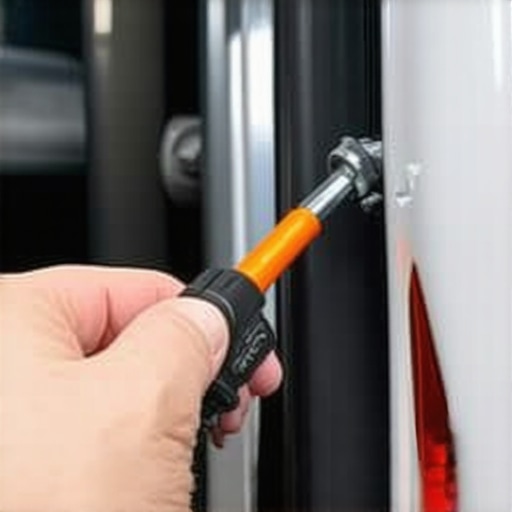
Carefully disconnect the cable from the transmission and gear shifter. Use pliers to loosen clamp clips if present. Be cautious to avoid damaging clips or connectors. When I did this for my truck, I took a photo beforehand to ensure proper reassembly. Removing old linkage is straightforward but requires patience to avoid stripping screws.
Adjust or Replace the Linkage
If the linkage is simply misaligned, loosen the adjustment nuts and reposition it until the gears shift smoothly through all ranges. For worn parts, install the new linkage by reversing the removal steps. I found that aligning the new linkage according to the manufacturer’s specifications was crucial for smooth shifting. Make sure to test gear engagement before finishing.
Test Drive and Fine-Tune
After reassembly, start the vehicle and test all gears in a safe area. Listen for any hesitation or grinding sounds. Slight adjustments to the linkage can be made on-the-fly for a perfect shift. Once satisfied, secure all components tightly. I always perform a short test drive to confirm improvements, like I did when my hesitation disappeared after the fix.
Maintain and Prevent Future Issues
Regularly inspect the linkage for signs of wear or corrosion. Lubricate moving parts periodically with a suitable spray to ensure smooth operation. Following this, I check my linkage every 6 months, which has noticeably extended the lifespan of my transmission system. For more comprehensive maintenance tips, consider reviewing [5 checklists for a 2026 engine tune-up](https://collisionfixer.com/5-checklist-items-for-a-2026-engine-tune-up-boost-mpg) to keep your vehicle running smoothly.
Many drivers believe that frequent car service is just about ticking off a checklist of fluids and filters, but the real nuance lies beneath the surface. One common myth is that all auto repairs are straightforward fixes that don’t require an expert eye. In reality, hidden nuances—like subtle sensor failures or overlooked software updates—can cause significant problems down the road. For example, a negligible-looking sensor could be the root cause of transmission lag or misfires, yet many overlook it, thinking a simple tune-up will resolve everything. Experts emphasize that understanding the interconnectedness of car systems is crucial for effective maintenance. Rushing to replace major components without diagnosing the underlying issue often leads to unnecessary expenses—sometimes surpassing $2,000—when a small sensor swap or software update would have sufficed. A frequent trap involves assuming all repairs are purely mechanical, ignoring the critical role of electrical systems, which can be responsible for up to 60% of modern vehicle issues. This neglect can result in misdiagnosis, overpaying for unnecessary parts, or, worse, incomplete repairs that still leave your car acting up. An advanced question many car enthusiasts ask is: How can diagnostic tools beyond the typical check engine light help identify elusive issues? According to recent industry studies, leveraging high-end diagnostic scanners or software-based sensor tests can uncover problems invisible to the naked eye, saving time and money. For instance, a misfiring sensor might cause hesitation during acceleration, yet its warning might not trigger the check engine light. Regular calibration and software updates—like those discussed in the [5 checklists for a 2026 engine tune-up](https://collisionfixer.com/5-checklist-items-for-a-2026-engine-tune-up-boost-mpg)—are often overlooked, but they play a vital role in maintaining optimal vehicle performance. It’s essential to realize that auto repair isn’t just about fixing what’s broken but understanding the complex web of systems that keep your vehicle running smoothly. Avoid falling into the trap of neglecting these nuances, and you can extend the lifespan of your car while reducing costly repairs. Have you ever fallen into this trap? Let me know in the comments.Maintaining your vehicle’s performance over the long haul requires more than just routine oil changes. Investing in the right tools and adopting proven maintenance methods can extend your car’s lifespan, improve safety, and save you money. One of my favorite tools for ongoing inspection is a high-quality digital inspection mirror, which allows me to easily see into tight spots under the hood or beneath the vehicle. This simple device helps identify early signs of wear or corrosion on critical components like linkages or electrical connectors, preventing small issues from becoming expensive repairs.
Another indispensable item is a precision torque wrench. Proper torque settings are crucial when working on delicate parts such as wheel lug nuts or transmission components. Using a torque wrench ensures you tighten fasteners to manufacturer specifications, reducing the risk of damage or accidents. Personally, I use a digital torque wrench from GearWrench because it provides precise readings and is easy to calibrate. Consistent application of correct torque during maintenance procedures enhances safety and prolongs component life.
For diagnostic tasks, I rely on an advanced OBD-II scanner like the BlueDriver Bluetooth Pro. Unlike basic code readers, this device offers real-time data logging, live sensor readings, and repair suggestions from experienced mechanics. Regularly scanning your vehicle with a reliable tool like this enables you to catch issues such as sensor degradation or software glitches early—before they cause noticeable performance decline. Check out this industry-leading guide for [diagnostic strategies that go beyond the check engine light](https://collisionfixer.com/3-transmission-fixes) and consider investing in a quality scanner to empower your DIY maintenance.
Automated fluid testing kits are also game-changers. They help monitor transmission fluid condition, identifying contamination or degradation that could lead to slipping or overheating. Personally, I prefer the Dexron-Diagnostic kit, as it provides quick, at-home assessments, allowing me to decide whether a fluid flush or filter change is necessary. These proactive steps help avoid unexpected breakdowns.
Looking ahead, digital maintenance logs integrated with smartphone apps are set to revolutionize vehicle care. They record service history, alert you about upcoming maintenance milestones, and even suggest tailored inspection routines based on your driving habits. I predict that in the near future, AI-powered diagnostics will become more accessible, enabling drivers to predict and prevent failures in real-time.
So, how do I maintain my car tools over time? I make it a point to calibrate key instruments like torque wrenches annually and store all electronic diagnostic devices in protected cases to prevent damage. Regularly updating the firmware of my OBD-II scanner ensures compatibility with the latest vehicle models and software updates from manufacturers. These practices keep my tools reliable and accurate, maximizing their lifespan.
If you’re serious about keeping your vehicle performing at its best, I recommend trying the advanced sensor cleaning methods discussed [here](https://collisionfixer.com/stop-2026-engine-hesitation-with-this-10-minute-sensor-clean). Cleaning your sensors every few months can dramatically improve performance and fuel efficiency, especially in models prone to hesitation or lag. Regular maintenance with precise tools and methods isn’t just about fixing problems—it’s about proactive care that saves time and money over the years. How are you currently managing your vehicle’s ongoing maintenance? Share your approach and let’s swap tips!
What I Didn’t Expect to Learn About Transmission Care
One of the most valuable lessons I discovered is that often, the smallest components—like linkage adjustments—can make the biggest difference in transmission performance. I used to believe that significant problems always required costly repairs, but experience taught me that patience and keen inspection often reveal simple fixes that save both time and money.
Another insight was recognizing the importance of regular maintenance, not just after problems arise, but as a proactive habit. By routinely inspecting and lubricating linkages, I prevented many issues before they could develop into expensive repairs. This proactive approach is a game-changer for anyone looking to extend their vehicle’s lifespan.
Finally, I learned that understanding the interconnectedness of vehicle systems—especially electrical and mechanical—can drastically improve troubleshooting efficiency. The more I educated myself about the nuances of car systems, the less reliant I was on guesswork, leading to quicker, more accurate repairs.
Tools and Resources That Changed My Perspective
The first tool I swear by is a high-quality digital inspection mirror. It allows me to spot early signs of wear in hard-to-see areas, helping me catch issues like corrosion or misalignment early on. Pairing this with a reliable high-end diagnostic scanner has empowered me to identify sensor or software glitches that can cause hesitation or shifting delays.
Another invaluable resource is detailed maintenance checklists, such as those found in comprehensive guides on engine tune-up tips. They help me stay organized and ensure I don’t overlook small yet crucial tasks like fluid testing or sensor calibration, which can prevent major issues.
Lastly, I’ve started using a torque wrench calibrated yearly and digital fill level gauges for fluids. These small investments guarantee that I tighten and refill components accurately—reducing wear and improving vehicle safety. Honestly, good tools make all the difference, and I encourage every enthusiast to invest in quality, reliable equipment.
Fuel Your Drive for Better Car Care
Moving forward, embrace curiosity and patience in your vehicle maintenance routine. Remember, many transmission issues stem from overlooked, simple causes—like linkage misalignment or sensor dirt—rather than catastrophic damage. Learning to troubleshoot these effectively can save you thousands and transform your relationship with your car.
Don’t forget, proactive maintenance doesn’t just improve your car’s performance; it also enriches your confidence and skills as a car owner. Whether you’re tackling your first DIY repair or refining your mechanic’s toolkit, every small step contributes to a smoother, safer ride.
So, how will you get started today? Have you ever fixed a transmission hesitation with a simple adjustment? Share your experience below and let’s learn together!