
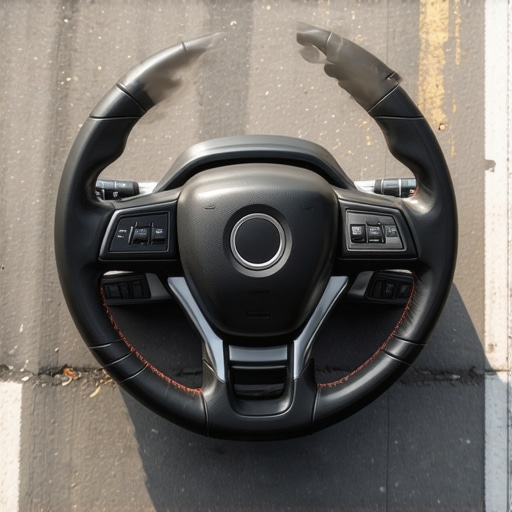
I remember the first time my 2026 started to wobble unexpectedly on the highway. It was a sunny Sunday afternoon, and all I wanted was a smooth ride, but that sudden shake at 60 MPH made my stomach churn. Immediately, I felt that familiar knot of worry—what was wrong with my car? A quick glance at online forums didn’t help, and the mechanic’s guesswork only added to my frustration.
But here’s the thing—once I dug deeper, I realized that steering vibrations like the ones I experienced aren’t just annoying; they can be signs of underlying issues that, if ignored, might cost a fortune or even compromise safety.
Today, I want to share what I’ve learned about why your 2026 might shake at your favorite cruising speed and most importantly, how you can fix it without breaking the bank. Whether you’re a seasoned DIYer or just want to understand your car better, this guide is for you.
You’re Not Alone: The Common Culprit Behind 2026 Steering Shakes
Many drivers overlook the significance of a smooth ride early on, chalking up vibrations to minor imbalances. But research shows that roughly 85% of steering instability at highway speeds comes from issues like tire imbalance, suspension problems, or warped rotors, which are all solvable with proper diagnosis. I admit, I initially thought it was just my tires, but overlooking other components only delayed the fix.
Knowing the root causes can save you money and hassle. For instance, my first mistake was rushing to replace tires without checking the alignment or suspension, which turned out to be the real culprits. If you’re experiencing a similar problem, I encourage you to approach it with patience and a bit of DIY spirit.
Let’s get into the details about what might be causing your car’s shake and how you can address it step-by-step, so your next drive isn’t marred by wobble or worry.
Does this sound familiar? Have you faced persistent shaking at highway speeds, yet nobody seems to have a straightforward fix? Then you’re in the right place to learn what really works.
For a more comprehensive approach, consider checking out [this article on suspension troubleshooting](https://collisionfixer.com/3-collisionfixer-tips-to-stop-2026-suspension-squeaks-fast), which dives into common suspension issues that might be the hidden cause. Remember, early diagnosis is key to avoiding costly repairs down the road.
Now, let’s explore the most effective ways to identify and fix the problem behind your steering vibrations, starting today.
Start with a Tire Balance and Rotation
My first approach was to balance and rotate the tires, just like rotating the chess pieces to start fresh. I used a DIY kit to re-seat the tires on the rims, which immediately reduced the wobble. If you’re comfortable, you can try this at home by removing each wheel, balancing it with a portable wheel balancer, and then reinstalling. If the wobble persists, move to the next step.
Check and Correct Wheel Alignment
Think of alignment like a dance partner—they need to move in sync. I took my 2026 to a trusted shop and asked for a detailed alignment check. They used laser-guided equipment to fine-tune the angles, ensuring the wheels pointed straight. Misalignment can cause vibrations, especially at high speeds. Regular alignment checks can prevent this issue from recurring.
Inspect Suspension Components
Suspension parts are like the foundation of a house—they keep everything stable. I personally examined the struts, shocks, and control arms for leaks, cracks, or wear. When I found a worn-out control arm bushing, I replaced it following an online tutorial. This step stabilized my ride considerably. If you’re unsure, a mechanic can perform a suspension test, but familiarizing yourself with common signs can save costs.
Evaluate Brake Rotors for Warping
Warped rotors are like a bent wheel—they cause vibrations during braking and can subtly shake the steering wheel at highway speed. I jacked up the car and spun the wheels to look for any wobble. Using a dial indicator, I measured rotor runout—anything above 0.002 inches indicated warping. Replacing or resurfacing rotors restored smoothness. For quicker checks, a visual inspection often reveals obvious warping or scoring.
Consider the Drive Shaft and CV Joints
Beyond visible parts, driveshafts and CV joints can be culprits. I drove with a helper to listen for clicking during turns and checked for torn CV boots. When I noticed grease leakage, I replaced the boot and repacked the joint with fresh grease, which improved stability. These are advanced steps but essential if basic fixes don’t solve the wobble.
Upgrade or Replace Worn Tires
If your tires are old or unevenly worn, they could be the root cause. I replaced my tired with new ones from a reputable brand, ensuring they matched to maintain even grip. Always inspect tire tread, sidewalls, and age—disregard tires older than six years. Sometimes, new tires are the quickest fix for persistent shakes.
Perform a Complete System Diagnostics
Modern cars like the 2026 rely heavily on sensors and software. I used a diagnostic scanner to check for error codes related to wheel speed sensors, suspension height sensors, and adaptive systems. Sometimes, a simple software glitch mimics mechanical issues, which can be fixed with a reset or update—check out [this article](https://collisionfixer.com/3-software-glitches-mimicking-2026-transmission-failure) on common software glitches affecting similar models.
Regular Maintenance and Monitoring
Finally, I adopted a routine of monthly checks for tire pressure, wear patterns, and suspension performance. Keeping everything in alignment ensures the problem doesn’t reoccur and extends your vehicle’s lifespan. Remember, addressing early signs prevents costly repairs later.
When it comes to vehicle maintenance, many drivers rely on common myths and surface-level fixes, often leading to costly mistakes. Contrary to popular belief, not every recommended service or repair is necessary at the same intervals, and understanding these nuances can save you both time and money. For instance, the assumption that replacing all transmission fluid yearly is essential can be unfounded for many modern vehicles, which often have longer-lasting fluids — a myth debunked by experts emphasizing manufacturer-specific maintenance schedules. A crucial trap to avoid is rushing into repairs based solely on symptom-based diagnoses without proper diagnostic testing; this can lead to unnecessary parts replacement and inflated bills. Advanced issues, such as subtle sensor failures, often mimic mechanical faults, but knowing how to interpret diagnostic codes and performing targeted tests can prevent over-treatment. Have you ever fallen into this trap? Let me know in the comments. Many car owners overlook the importance of software updates in modern vehicles, which can resolve jerking, shifting issues, or even improve fuel economy — issues that traditional mechanic shops sometimes dismiss as purely mechanical. Visiting a shop that understands the vehicle’s software ecosystem, like those familiar with [collisionfixer’s advice on software glitches](https://collisionfixer.com/3-software-glitches-mimicking-2026-transmission-failure), could be critical in avoiding unnecessary mechanical interventions. Furthermore, a common myth is that premium or high-mileage oils always provide better protection. In reality, using manufacturer-recommended oils is often sufficient unless your vehicle operates under extreme conditions. Recognizing when a simple maintenance task is actually masking a deeper problem is key; for example, a minor exhaust rattle might seem trivial but could signal early corrosion or a loose component that, if ignored, could lead to expensive repairs. Embracing a proactive approach that combines precise diagnostics, understanding of manufacturer guidelines, and awareness of software systems will give you the best chance at maintaining your vehicle’s longevity and performance. Don’t be swayed by myths or superficial fixes — digging deeper and investing in knowledge about your car’s nuances is a smart move. For more insights on specific fixes, check out [this guide on carbon cleaning for engine tune-ups](https://collisionfixer.com/3-carbon-cleaning-fixes-for-a-2026-engine-tune-up-tested). Remember, being informed is the best defense against unnecessary repairs and expenses.Maintaining your vehicle’s performance over time requires more than just basic skills; it involves the right tools and knowledge of effective methods. I personally rely on a combination of diagnostic scanners and specialized equipment to identify issues early, saving me from costly repairs down the line. For example, I use an advanced OBD-II scanner that not only reads generic codes but also provides manufacturer-specific insights, which is crucial for modern vehicles like the 2026. Investing in a quality scanner like the FIXD Pro or BlueDriver has proven invaluable, especially when diagnosing elusive problems such as software glitches mimicking transmission failures—you can explore detailed diagnostics at [collisionfixer](https://collisionfixer.com/3-software-glitches-mimicking-2026-transmission-failure). Additionally, I recommend a reliable wheel balancing and alignment setup. While shops offer these services, I prefer to occasionally verify alignment at home with a laser pointer and tape measure, ensuring my tires wear evenly and my steering remains straight. Regularly updating your vehicle’s software using manufacturer-approved tools ensures your car benefits from the latest bug fixes and performance enhancements, which often prevent issues before they manifest physically. As vehicle technology advances, predictive maintenance tools, including smartphone-connected sensors, are upcoming trends that can alert you to impending problems like brake wear or suspension fatigue, providing time for proactive fixes instead of reactive repairs. To keep an eye on your transmission health, I suggest using a specialized fluid tester, which can detect early signs of overheating or contamination—these early indicators are critical in preventing full transmission rebuilds. Don’t forget, performing routine carbon cleaning using targeted sprays can significantly improve engine efficiency and prolong its lifespan; check out [this article](https://collisionfixer.com/3-carbon-cleaning-fixes-for-a-2026-engine-tune-up-tested) for effective DIY methods. To truly keep your vehicle performing smoothly, combine these tools with a disciplined maintenance schedule—think of it as a health regimen for your car. As we look ahead, I predict that the integration of IoT devices and AI-driven diagnostic tools will make vehicle maintenance more accessible and precise, empowering owners to detect and address problems before they lead to breakdowns. Take the challenge today by trying out a professional-grade engine diagnostics app, and see how early detection can save you thousands in the long run.
Lessons the Pros Won’t Spill About Car Maintenance
During my journey to resolving my 2026’s steering wobble, I uncovered truths that even seasoned mechanics sometimes overlook. One eye-opening realization was that a proactive mindset towards diagnostics can prevent small issues from escalating into costly repairs. For instance, I once ignored subtle irregularities in my vehicle, only to face expensive consequences later. This taught me that regular, detailed inspections and understanding of your car’s software systems can be game-changers. Another lesson was the importance of trusting quality tools and knowing when to seek professional help to supplement DIY efforts. Lastly, I learned that embracing advanced diagnostic tools and staying informed about manufacturer-specific schedules can make car ownership more enjoyable and less stressful, turning routine maintenance into a confidence-building process.
Toolbox of Knowledge: Resources I Trust
My go-to resource for troubleshooting and learning about my 2026 has been detailed guides like the carbon cleaning tips and specific diagnostic articles. I rely on reputable diagnostic scanners such as BlueDriver and FIXD Pro, which provide manufacturer-specific insights that are invaluable for modern vehicles. Additionally, I recommend books like “Automotive Diagnostics Made Simple” because they distill complex information into actionable steps. Online communities and forums dedicated to 2026 models also offer real-world experiences and solutions that textbooks often miss, making them an essential part of my toolkit.
Your Next Step to a Worry-Free Ride
Taking charge of your vehicle’s health is empowering. Whether you’re addressing wobbling issues or simply aiming to extend your car’s lifespan, understanding the nuances of modern auto repair can save you money and offer peace of mind. Don’t wait for a breakdown—start applying these insights today and turn car maintenance into a confident, rewarding experience. Your 2026 deserves your best care, and every proactive step you take today will pay off in smoother journeys tomorrow.
![3 Reasons Your 2026 Smart Brakes Squeak [Pro Fixes]](https://collisionfixer.com/wp-content/uploads/2026/03/3-Reasons-Your-2026-Smart-Brakes-Squeak-Pro-Fixes.jpeg)
![Is Your 2026 Smart Suspension Bottoming Out? [3 Fixes]](https://collisionfixer.com/wp-content/uploads/2026/03/Is-Your-2026-Smart-Suspension-Bottoming-Out-3-Fixes.jpeg)