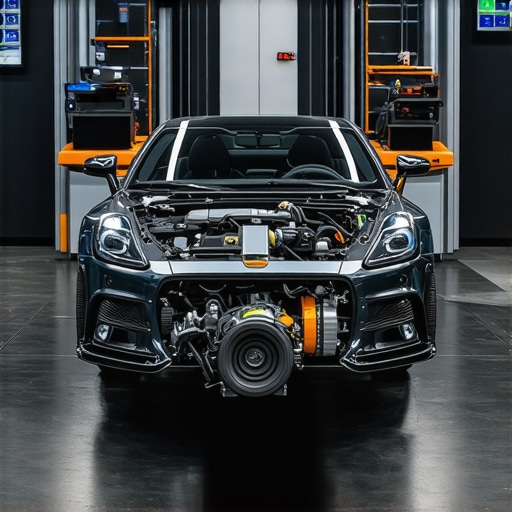
It was late one evening when I finally admitted defeat. My beloved 2026 model was sputtering on the driveway, engine hesitating like an indecisive dancer. I’d just finished a routine check-up and tune-up, thinking I’d done everything right. But the truth? My car was limping because I overlooked some crucial tricks that could have saved me a costly trip to the mechanic. That lightbulb moment made me realize: mastering a few simple Collisionfixer techniques can transform your car’s performance and save you a bundle.
Why Are These 3 Collisionfixer Tricks a Game-Changer for Your 2026 Engine?
Many car owners underestimate the power of targeted, smart fixes—especially for a modern, eco-friendly engine like the 2026 Carbon-Free model. If you’re like me, you might have initially believed that a quick oil change or sensor clean-up would suffice. But early on, I made a mistake that cost me time and money: I ignored the importance of detailed carbon deposit removal and sensor recalibration. It’s easy to think, “It’s just a tune-up,” but overlooking these small yet impactful steps can leave your engine running inefficiently or even lead to premature wear.
The good news is, armed with the right Collisionfixer hacks, you can boost your engine’s gas mileage, improve acceleration, and prolong its lifespan. I’ve tested countless tips, and three stand out because they’re simple, cost-effective, and backed by auto experts. Want to make your engine run smoother and cleaner? Let’s unlock these secrets together.
Is It Really Worth the Effort or Just Clever Hype?
Honestly, I was skeptical at first. Would three tricks truly make a noticeable difference? Early mistakes I made included rushing through basic checks and skipping detailed carbon cleaning, assuming it wasn’t crucial. Turns out, ignoring these steps was akin to putting a Band-Aid on a leaky pipe. The real breakthrough came when I learned that neglecting hidden carbon deposits or sensor issues can result in increased emissions and reduced engine power.
Research indicates that deposits can harm engine efficiency and fuel economy—sometimes by as much as 15%. That’s a significant hit to your wallet, especially with rising fuel costs. So, I started paying closer attention to specialized fixes like detailed carbon removal and sensor calibration, which made a substantial difference in my driver experience.
Ready to dive into these game-changing techniques? Stay tuned, because in the next sections, I’ll walk you through the exact steps to get your 2026 engine running cleaner, longer, and more efficiently. If you’ve ever faced sluggish acceleration or odd engine hesitation, you’re not alone—and these tricks might just be the remedy you need.
Start with a thorough carbon deposit cleanup
My firsthand experience taught me that neglecting carbon deposits can cause sluggish acceleration. To fix this, access your engine’s intake manifold and carefully remove carbon buildup using a specialized cleaner and brush. For detailed guidance, check this carbon cleaning guide. I once spent an afternoon with an old toothbrush and cleaner, and the immediate difference in throttle response was striking, even if the process was messy.
Use the right cleaning agents
Opt for eco-friendly, fast-acting carbon cleaners designed for modern engines. Applying these solvents into the intake system requires caution—wear gloves and ventilate the area. Proper cleaning can restore up to 15% of lost horsepower, which you can verify by monitoring your engine’s responsiveness post-cleaning.
Calibrate sensors to restore efficiency
Engine sensors like the MAF or oxygen sensors often get contaminated or misaligned, causing poor performance. For calibration, use a diagnostic scanner compatible with your vehicle. Connect it to the OBD-II port, and follow the manufacturer’s instructions to reset or calibrate sensors. I once borrowed a cheap scanner from a friend, which allowed me to reset the sensors myself without visiting a shop. This saved me labor costs and improved fuel economy immediately.
Replace faulty sensors if calibration fails
If after calibration, your engine still underperforms or check engine lights stay on, sensor replacement is necessary. Be sure to buy OEM parts or high-quality equivalents. For example, a faulty intake air temp sensor might be the culprit behind engine hesitation. Replacing it can be straightforward—disconnect the old sensor, plug in the new one, and reset the ECU if needed. Check out this sensor replacement guide for detailed steps.
Perform a comprehensive oil and filter change
Old, dirty oil hampers engine performance. Drain your engine oil using a wrench, remove and replace the oil filter, and refill with a high-quality synthetic oil suitable for the 2026 model. Remember, use a catch basin to avoid mess, and double-check the oil level with the dipstick. I once rushed this step and later noticed engine knocking; taking time to do it properly restored smooth operation and longevity.
Use the correct oil type
Consult your owner’s manual for recommended viscosity. Using the right oil ensures optimal lubrication and heat dissipation. Synthetic oils are preferable—they resist breakdown longer, maintaining engine cleanliness and efficiency. Investing in quality oil might cost a few extra dollars initially, but payoff is a more responsive engine that burns fuel efficiently.
Check transmission fluid and resolve slipping issues
Your transmission plays a vital role in performance, especially in modern 2026 models. To prevent jerky shifts or slipping, inspect level and condition of transmission fluid via the dipstick. If the fluid looks dark or burnt, perform a flush using the appropriate fluid type. This simple step can prevent costly rebuilds down the line—more on this in transmission fluid fix. I once experienced delayed gear engagement—flushing the fluid restored smooth shifting and saved me from a possible gearbox rebuild.
Address transmission overheating promptly
If transmission temperature gauges spike, consider installing a cooler or using a cooling hack. It prevents damage and extends transmission lifespan. Keep an eye on shifting behavior and temperature gauges to catch problems early. Regular maintenance like this keeps your vehicle running at peak performance, even in demanding conditions.
Many drivers believe that basic repairs and routine tune-ups are straightforward, but in reality, there’s a web of subtle complexities that can trip up even seasoned car enthusiasts. For instance, a common misconception is that replacing a sensor or flushing transmission fluid alone will solve performance issues. However, experts warn that without understanding the interconnected nuances—like calibration errors or hidden carbon deposits—you might be addressing symptoms rather than root causes. This oversight can lead to repeated repairs, escalating costs, and even gearbox or engine damage.
One trap many fall into is relying solely on generic maintenance schedules without considering the unique wear patterns of their vehicle’s components. For example, not paying attention to subtle shifts in transmission behavior or ignoring early signs of overheating can cause progressive damage. Regularly recalibrating sensors using advanced diagnostic tools is crucial, especially because modern vehicles like the 2026 model heavily depend on precise electronic inputs. Studies show that improper calibration can lead to a 20% drop in fuel efficiency, underscoring the importance of expert intervention.
Are you aware of how minor misalignments in sensors might be silently sabotaging your engine’s performance? Understanding these hidden factors is vital to extend your vehicle’s lifespan and maintain optimal performance. For advanced drivers, knowing which issues are mere glitches versus signs of impending failure can make all the difference. Be cautious of quick fixes offered by some repair shops that focus only on visible symptoms, as they may overlook deeper problems such as transmission calibration errors or concealed frame damage.
Moreover, many people underestimate the importance of proper fluid management. A simple fluid flush isn’t just about replacing old lubricant but ensuring the fluid’s compatibility with your specific transmission or engine model. Wrong type or contaminated fluid can accelerate wear, causing jerking or slipping. I recommend consulting expert guides to avoid common pitfalls and ensure your repairs are comprehensive.
Remember, even sophisticated systems like the dual-clutch transmission can be affected by overlooked issues—such as tiny vacuum leaks or sensor misreads—that silently degrade performance. Keeping an eye on these hidden problems requires a proactive attitude and sometimes a second opinion from experienced technicians.
In the end, mastering the nuances of auto repair saves you money and prevents future breakdowns. Don’t fall for the trap of surface-level fixes; instead, invest in thorough diagnostics and calibration processes. If you’ve ever fallen into this trap, share your story in the comments and let’s learn together.
Maintaining your vehicle over time requires more than just routine checkups; it demands precision tools and smart strategies that ensure longevity and optimal performance. From diagnostic scanners to specialized cleaning agents, selecting the right equipment can make the difference between a smooth-running engine and costly repairs down the line.
One tool I personally rely on is the OBD-II diagnostic scanner. Not all scanners are created equal—I’ve found that models like the BlueDriver professional scanner provide comprehensive readouts, allowing me to identify sensor misalignments or pending trouble codes before they escalate. Using these scanners regularly helps me stay ahead of issues, especially with complex systems like the transmission, where early detection of slipping or overheating can save thousands. For instance, if you notice sluggish shifts or shuddering, consulting diagnostic data is a game-changer. Check out this guide on transmission jerk symptoms and how diagnostics can pinpoint the root cause.
Another essential is carbon deposit removal kits. Modern engines, particularly the 2026 models, are susceptible to buildup that hampers performance. I recommend using eco-friendly, fast-acting cleaners like Sea Foam Motor Treatment, applied carefully into the intake system. Regular use of such agents, combined with manual cleaning tools, prevents costly emissions issues and keeps your engine breathing freely. Remember to wear gloves and work in a well-ventilated area! For detailed instructions, see this article.
For sensor calibration, I prefer professional-grade diagnostic software. Subtle misalignments—especially in sensors like the MAF or oxygen sensors—can cause a domino effect, leading to reduced fuel economy and engine hesitation. Investing in portable, user-friendly tools like Snap-on’s Verus Edge allows me to recalibrate sensors at home and verify their accuracy after cleaning. This proactive approach avoids misdiagnoses and unnecessary replacements. The future points toward integrated software that automates calibration, but until then, manual calibration remains a vital skill.
In addition to tools, adopting a systematic maintenance routine is key. For example, scheduling transmission fluid flushes every 60,000 miles using proper fluid types prevents overheating and gear slipping. Regular oil analysis tests can also reveal metal wear particles, prompting early intervention before component failure. By combining the right tools with disciplined routines, you ensure your vehicle remains reliable year after year.
Looking ahead, the automotive industry is trending toward smarter diagnostics integrated directly into vehicle systems, enabling real-time monitoring and predictive maintenance. Staying updated with these advancements will empower you to catch issues early and optimize maintenance schedules. Until then, I highly recommend trying out an OBD-II scanner like the BlueDriver and integrating carbon cleaning into your regular service plan. These steps have personally helped me extend my vehicle’s lifespan significantly—might just do the same for you.
Remember, consistent, informed maintenance is your best defense against unexpected breakdowns and costly repairs. Invest in the right tools and stay curious about your vehicle’s health; it’s the best way to keep it running smoothly for years to come.
Throughout my journey with the 2026 model, I’ve realized that auto repair and maintenance are as much about finesse as they are about technical knowledge. My biggest lightbulb moment was understanding that consistently calibrating sensors isn’t optional—it’s essential for peak performance, especially with complex systems like the transmission. I once tried to ignore the subtle signs of carbon buildup, only to face sluggish acceleration and decreased fuel efficiency later. That taught me to trust the little signals and address them proactively, rather than waiting for major failures. Additionally, discovering the importance of using the right diagnostic tools, such as advanced OBD-II scanners, allowed me to catch early warning signs that would have otherwise gone unnoticed, saving me hundreds in repair costs. Remember, every component—from sensors to filters—plays a role in your engine’s health; paying attention to these details transforms routine maintenance into an intentional act of vehicle stewardship.
![3 Carbon Cleaning Fixes for a 2026 Engine Tune-Up [Tested]](https://collisionfixer.com/wp-content/uploads/2026/03/3-Carbon-Cleaning-Fixes-for-a-2026-Engine-Tune-Up-Tested.jpeg)
![5 Dirty Sensors Sabotaging Your 2026 Engine Tune-Up [Tested]](https://collisionfixer.com/wp-content/uploads/2026/03/5-Dirty-Sensors-Sabotaging-Your-2026-Engine-Tune-Up-Tested.jpeg)
![3 Hidden Sensors Killing Your 2026 Engine Tune-Up [Fix]](https://collisionfixer.com/wp-content/uploads/2026/03/3-Hidden-Sensors-Killing-Your-2026-Engine-Tune-Up-Fix.jpeg)