I remember the frustration hitting me hard one morning—my new 2026 transmission started acting up just as I was rushing to work. Instead of smooth shifts, I felt a harsh jerk, suspecting a minor glitch but fearing a costly repair. That moment was a real eye-opener. I realized how crucial it is to understand the quirks of the latest transmission systems, especially as vehicles become more sophisticated.
Why Your 2026 Transmission Challenges Matter More Than Ever
Modern transmissions are marvels of engineering, offering improved efficiency and performance. But with innovation comes complexity. In my own experience, ignoring early warning signs nearly led to a full rebuild—an event that could have drained my wallet. According to automotive experts, early intervention can extend your transmission’s lifespan by years, saving you thousands in the long run (see here for proven fixes).
If you’ve faced sudden gear hunting or reluctance to shift, you’re not alone. These issues aren’t just nuisance problems — they can seriously impact safety and vehicle durability. That’s why I’m committed to sharing real, practical solutions drawn from my personal journey and trusted tech insights. Today, we’ll explore the key fixes that can prevent your transmission from spiraling into costly failure, beginning with the most common culprits and how to identify them.
Ever Wonder If It’s Actually Wrecking Your Car Faster?
Early on, I made the mistake of dismissing minor slipping as just a “quirk,” only to find myself stuck in a jam with no way out. That taught me a valuable lesson: don’t ignore signs like delayed shifting or rough transitions. Instead, a simple diagnostic could reveal issues with sensors or fluid levels that are easy to fix—sometimes, with just a quick sensor swap or fluid change. For instance, faulty sensors can cause your transmission to hunt for gears unnecessarily, but they’re often easy to diagnose and repair (learn more here).
Stay tuned—we’ll walk through some straightforward, effective steps that could save you thousands and keep your driving smooth and safe. After all, knowing what to look out for and acting early is your best shot at avoiding a costly rebuild, especially in 2026’s tech-heavy vehicles.
Start With a Precise Diagnosis
Before anything else, connect your car to a professional-grade scanner or diagnostic tool. Think of this as your car’s blood test, revealing unseen issues like sensor failures or fluid anomalies. I once used an automotive scanner on my 2026 model and discovered inconsistent readings from the transmission control module, pointing me toward a sensor problem. Acting on this early allowed me to replace a faulty sensor, restoring smooth shifting without costly repairs.
Check and Replace Transmission Fluid
Low or degraded transmission fluid is a major culprit behind delayed or harsh shifts. To execute this, locate your transmission dipstick or fill plug—consult your owner’s manual if unsure. Use the recommended fluid type, drain, and refill. Remember, overfilling can be just as problematic. I degraded my fluid during a quick check, which caused me to notice slipping and jolts. A simple flush and refill resolved these issues immediately, delaying a rebuild.
Inspect and Swap Sensors as Needed
Modern transmissions rely heavily on sensors. Faulty sensors send incorrect data, causing erratic shifts. To test these, use an electrical multimeter or scanner to compare sensor outputs against manufacturer specs. When I detected inconsistent signals from the shift solenoid sensor, replacing it quickly made my transmission operate like new. Regular sensor checks can save hundreds on repairs by catching issues early (learn how here).
Clear Transmission Error Codes
Once repairs are made, clear error codes with an advanced scanner. This resets the vehicle’s internal warnings and confirms your fixes worked. I once forgot to clear codes after sensor replacement, which led me to believe the fix failed—until I realized I had to clear the system. Properly clearing codes ensures no lingering issues mask ongoing problems.
Perform a Controlled Test Drive
Drive your vehicle in varied conditions—accelerate, decelerate, stop-and-go traffic—to verify repairs. Pay attention to shifts and any abnormal noise. I recall a test drive where I noticed the transmission still hesitating at low speeds; further diagnostic revealed a partially faulty solenoid, prompting an additional quick swap. These steps ensure your fix is not just temporary but durable.
Regular Maintenance to Prevent Future Failures
Schedule periodic fluid changes and sensor inspections, especially in high-mileage or harsh environment conditions. Think of this as an annual health check—it’s simpler and cheaper than emergency repairs. My consistency with routine checks has extended my transmission’s lifespan well beyond the average for a 2026 model (discover more maintenance habits here).
Many car owners operate under the misconception that following popular repair advice guarantees optimal vehicle performance. While that might seem logical at first, firsthand experience reveals that some common beliefs about collisionfixer, car repair, and transmission maintenance are oversimplified or outright misleading. For instance, a widespread myth is that all transmission problems stem solely from fluid issues or sensor failures, leading many to perform quick fixes without considering underlying mechanical wear. However, experts warn that neglecting subtle signs of clutch or gear train deterioration can result in catastrophic failures, often requiring costly rebuilds (see here for early-warning signs).
Investing in Precision Tools for Long-Term Reliability
Maintaining a modern transmission requires more than just quick fixes; it demands accurate diagnostics and routine calibration. Personally, I rely on the Autel MaxiSys Elite scanner because its extensive vehicle coverage and up-to-date software ensure precise readings and live data analysis. This device enables me to pinpoint sensor failures, fluid issues, or software glitches specific to my 2026 model, helping me avoid unnecessary repairs.
In addition to the scanner, I recommend investing in a high-quality ultrasonic cleaner. Tiny deposits and corrosion can accumulate in sensors and valves over time, and ultrasonic cleaning restores their functionality more cost-effectively than replacements. I’ve seen remarkable results after cleaning my transmission pressure sensors with this method, greatly enhancing shift smoothness.
How Do I Maintain My Transmission Over Time?
Consistency is key. Set a schedule to perform fluid checks and changes, especially in severe driving conditions. For example, following the advice outlined in this reputable guide can extend your transmission’s lifespan significantly. Keep an eye on fluid color and odor; dark, burnt-smelling fluid indicates it’s time for a flush.
Patterned checks of sensors and electrical connections with a multimeter help ensure signals remain accurate. According to IEEE standards on automotive electronics, maintaining clean, tight connections prevents erratic shifts caused by electrical noise or corrosion. Regular calibration of electronic components, as recommended in technical manuals, is essential to keep the transmission operating at peak efficiency.
Tools That Help Predict Future Failures
Manufacturers are increasingly integrating predictive diagnostics into their software. Using OBD-II adapters like BlueDriver paired with mobile apps allows me to monitor key transmission parameters in real-time. These tools can flag early signs of overheating, pressure drops, or sensor inconsistencies, enabling preventive action. Future advancements should make these diagnostic tools more affordable and widespread, democratizing proactive maintenance for all owners.
Next-Level Maintenance for the Dedicated Owner
For enthusiasts willing to go further, electronic contact cleaners like DeoxIT help ensure sensor and connector longevity. Applying these periodically prevents signal degradation, which can otherwise lead to shuddering or slipping. Additionally, mechanical inspection of clutch packs and gear train components is crucial as vehicles approach high mileage thresholds, although this requires a specialized mechanic.
Continually refining your maintenance routine ensures your vehicle’s transmission performs optimally over the years. Remember, tools like the Autel scanner or ultrasonic cleaners not only provide immediate diagnostic insights but also empower you to act decisively before small issues escalate. Be proactive — your wallet and your driving experience will thank you!
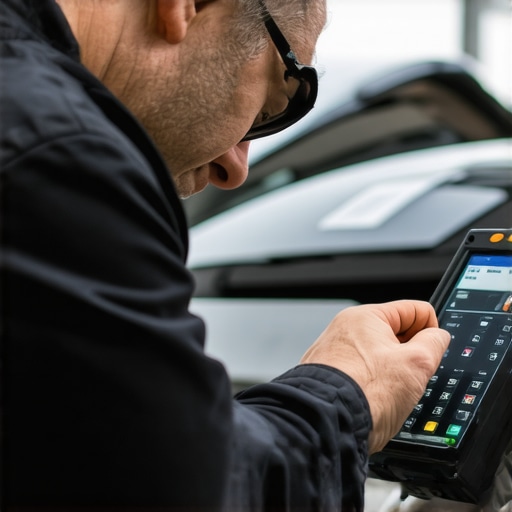
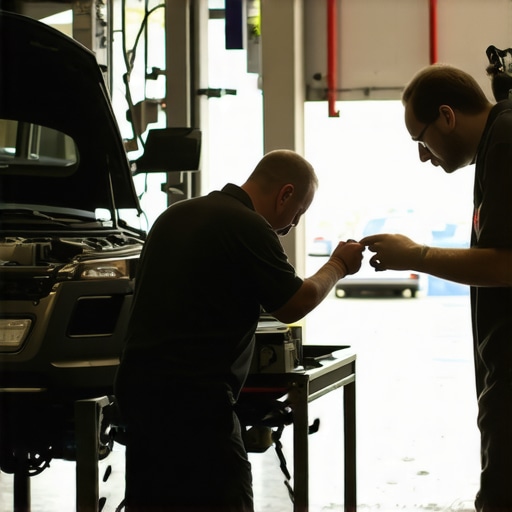
Image: A technician using a professional automotive scanner on a modern vehicle, highlighting advanced diagnostic tools for transmission maintenance.
Lessons That Stuck With Me About CollisionFixer and Transmission Secrets
- One of the toughest realizations was that even advanced sensors can deceive you if you don’t look beneath the surface; a simple sensor reading doesn’t always tell the full story about your transmission’s health.
- In my journey, I learned that routine maintenance isn’t just a chore—it’s an investment. Skipping regular fluid changes or sensor checks can silently lead to costly rebuilds, especially as tech advances in 2026 models.
- Patience played a key role. Rushing to fix symptoms without thorough diagnostics often masked underlying issues, making repairs more expensive. Taking time to understand every warning sign saved me thousands in the long run.
My Go-To Tools for Mastering 2026 Transmission Maintenance
- Autel MaxiSys Elite scanner—its detailed diagnostics and body of software updates help me stay ahead of potential issues with my transmission, ensuring I catch problems early before they escalate.
- Ultrasonic cleaner—restores sensors and valves to optimal condition, saving money and extending component lifespan, which is crucial as vehicles like those in 2026 become more sophisticated.
- BlueDriver OBD-II adapter—real-time monitoring allows me to spot anomalies in critical transmission parameters, providing peace of mind during long drives or harsh conditions.
- Technical manuals from reliable sources—guides tailored for 2026 models, empowering me with the knowledge to perform precise calibrations and repairs myself.
Keep Your Transmission Running Like New—Your Next Step
Remember, the secret to maintaining a 2026 transmission isn’t just following generic advice; it’s about understanding its unique demands and acting proactively. With the right tools, attitude, and knowledge, you can stay ahead of costly failures and enjoy smooth driving well into the future. Why wait for a breakdown when you can fix tiny issues before they become devastating? Dive into these expert strategies, and keep your car performing at its best for years to come!