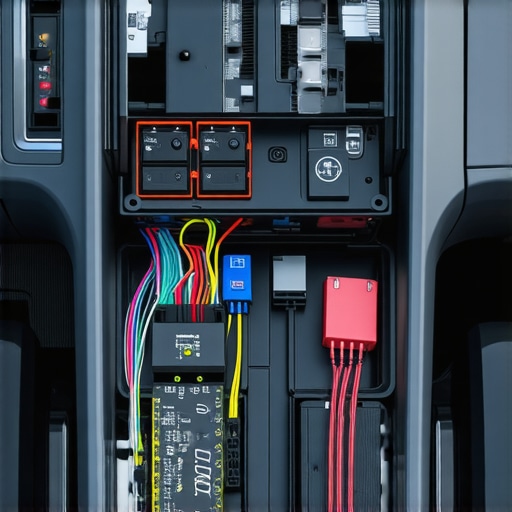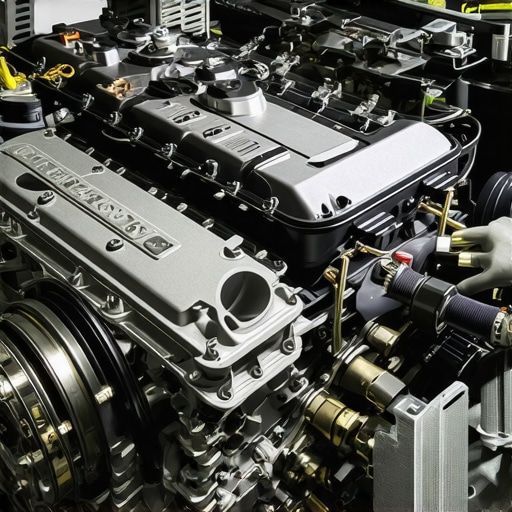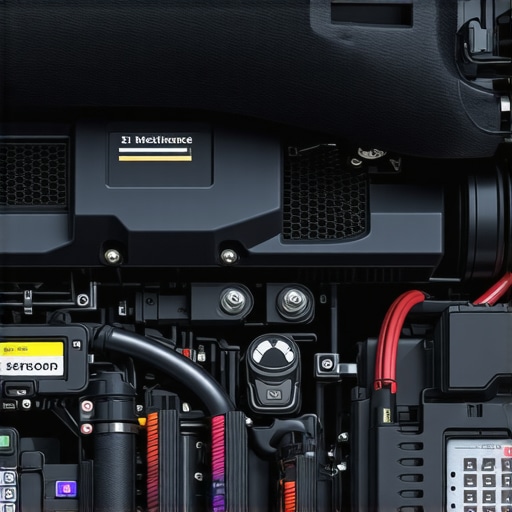
Last month, I was stranded at a red light, my hybrid hesitation turning into an embarrassing stall. Frustration was mounting—I’d just poured hundreds into what seemed like a perfect service just weeks earlier. It hit me then: I might be overlooking something simple. That moment made me realize how often drivers fall into the trap of jumping straight to costly repairs without trying basic fixes first.
The Sneaky Culprit That Might Be Causing Your Hybrid’s Stalling
For many of us, especially with the sophisticated tech in 2026 models, seemingly minor sensor issues can cause significant performance hiccups. When my hybrid started acting sluggish and then stalled all the time, I was convinced I needed a full transmission overhaul. Turns out, there’s a much cheaper and easier fix—a sensor swap that costs around $50. Yes, just fifty bucks! It’s amazing how a tiny sensor can have such a giant impact on vehicle performance.
Could a Simple Sensor Swap Save You Thousands?
I learned that many drivers immediately suspect major component failures, wasting money and time. My early mistake was assuming the worst without doing a quick diagnosis. A sensor in the hybrid’s system was malfunctioning, triggering false signals to the engine control unit, causing stalls. If you’re facing similar issues, replacing this sensor might be your first and best step. And the best part? It’s a fix anyone can handle with basic tools, no need for a fancy mechanic.
Before we get into the nuts and bolts of the swap, I want to ask: have you recently experienced stalling or hesitation in your hybrid? If so, you’re not alone—and the fix might be a lot simpler than you think. According to recent data, sensor-related issues are among the top causes of hybrid drivability problems, often overlooked by owners eager for expensive repairs (source).
This realization set me on a path to understanding how this sensor impacts overall system performance and how you can troubleshoot it yourself. Let’s walk through the practical steps, so you don’t end up on the sidelines next time your hybrid stalls—saving time, money, and a lot of frustration along the way.
Locate the Problem Sensor in Your Hybrid
During my own attempt, I started by consulting my vehicle’s service manual to identify the faulty sensor—often the hybrid’s manifold pressure or intake air temperature sensor is involved. I disconnected the battery to prevent any electrical mishaps—think of it as cutting the power to avoid shocks when changing a lightbulb. Using a basic socket set, I carefully unscrewed the sensor, making sure not to damage the surrounding connectors. Remember, sensors are delicate; a gentle touch prevents costly mistakes.
Disconnect and Remove the Faulty Sensor
Once identified, I disconnected the wiring harness—like unplugging a USB cable—from the sensor. I then removed the mounting screw and gently extracted the sensor. It’s akin to removing a small, stubborn sticker—slow and steady wins the race. Inspect the sensor for signs of damage or carbon buildup. If it’s dirty, a quick clean with electronics-safe contact cleaner can sometimes help, but if it’s physically damaged, replacement is best.
Install the New Sensor Correctly
When installing the new sensor, I placed it carefully into the mounting point, ensuring it clicked or seated properly—like fitting a key into a lock. I secured it with the screw, tightening just enough to hold it firmly without stripping the threads. Reconnecting the wiring harness followed, making sure the connectors clicked into place. This step is similar to plugging in a charger—secure and snug.
Reset the System and Test
After reassembling everything, I reconnected the battery, which is like flipping a switch back on. Then, I started the vehicle and monitored its behavior. I kept an eye on the dashboard for warning lights and took it for a short drive—think of it as a test run after a repair. If the issue persists, checking for error codes with an OBD-II scanner can help confirm if the fix was successful. If you want to learn more about similar low-cost fixes, check out this case study.
 Many car owners operate under the misconception that routine maintenance is all about replacing parts on a schedule. However, this oversimplification often leads to missed nuances that could prevent costly repairs down the line. For example, it’s a common myth that all transmission issues require a full rebuild, but in reality, many arise from minor sensor failures or software glitches that can be resolved with simple fixes, saving hundreds or thousands of dollars. Understanding these subtleties is essential for smart vehicle care.
One trap to watch out for is assuming that every noise or performance issue is due to a major component failure. This quick diagnosis can lead to unnecessary replacements. Skilled technicians often find that the root cause is a small sensor or a software setting, which can be easily corrected, much like the sensor swap I discussed earlier. Ignoring these details not only wastes money but also delays effective solutions.
### Are Electronic Control Modules Sometimes the Hidden Culprits?
A sophisticated mechanic knows that many modern vehicle problems stem from the ECU or related electronic modules malfunctioning or needing updates. This isn’t always about hardware failure; sometimes, a simple software recalibration or firmware update can restore proper function. Many drivers overlook this, assuming hardware replacements are the only solution. My experience has shown that understanding the role of electronic components and their soft limits can prevent unnecessary expenses.
External studies back this up—research indicates that software-related issues account for a significant portion of drivability problems in vehicles from 2026 models, emphasizing the importance of diagnostics beyond physical inspections (source). For instance, considering software fixes could be your first step before resorting to more invasive repairs.
Moreover, many car owners get caught in the trap of believing that all car repairs should be handled by dealers, but independent shops equipped with the right diagnostic tools can often perform these nuanced repairs more cost-effectively. By dismissing low-cost, informed interventions, drivers miss opportunities to extend their vehicle’s lifespan.
If you’re curious about how nuanced auto repair tactics can save you money and headaches, check out this case study on fixing transmission lag with affordable solutions. Remember, staying informed and questioning common myths empowers you to make smarter choices. Have you ever fallen into this trap? Let me know in the comments.
Maintaining your vehicle’s optimal performance requires more than just basic knowledge; it hinges on having the right tools and applying precise methods. Over the years, I’ve come to rely on a combination of specialized equipment and software that empowers me to diagnose issues accurately and perform effective repairs, saving time and money.
Investing in Quality Diagnostic Tools
The cornerstone of effective auto maintenance is a robust diagnostic scanner. I personally use an OBD-II scanner with advanced code-reading capabilities, as it allows me to access both generic and manufacturer-specific trouble codes. For instance, when addressing transmission lag issues, I connect my scanner to identify specific sensor faults rather than guesswork. Some models, like the Autel MaxiSys series, also provide live data streams, which are invaluable for real-time system monitoring.
Leverage Software for System Calibration
Moving beyond hardware, specialized software enables me to recalibrate and update vehicle modules. For example, if I notice the gears are grinding in a 2026 model, I use software like software tools that perform quick firmware updates and system resets. These updates often resolve issues caused by outdated software versions, which are common in newer vehicles.
Precision and Safety with Proper Tools
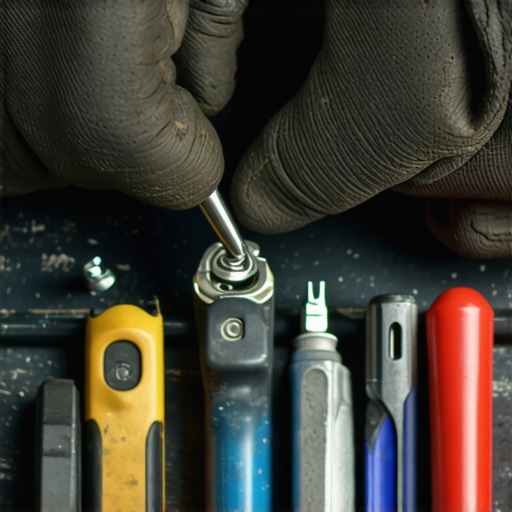
When it comes to physical repairs, I rely on high-quality sockets, torque wrenches, and specialty tools like sensor removal kits. Using the correct torque specifications—especially when installing sensors or tight-fitting components—best preserves the integrity of parts and prevents future failures. For instance, tightening a sensor beyond recommended torque can cause internal damage, leading to sensor malfunctions later.
The Future of Auto Maintenance Hardware and Software
As vehicles become more connected and software-driven, I predict a shift toward cloud-based diagnostics and AI-assisted repairs. Access to remote diagnostics will soon enable technicians to identify issues from afar, prescribe specific repairs, and even perform over-the-air updates, reducing downtime significantly. Staying ahead in this trend means investing in adaptable scan tools and staying updated on manufacturer software updates.
How do I keep my tools in top shape for ongoing maintenance?
Regular calibration of diagnostic devices, updating software firmware, and cleaning physical tools are essential steps. Proper storage and gentle handling extend the lifespan of sensitive electronics and tools alike. Additionally, I keep an organized toolkit with labeled compartments—this way, I can quickly access what I need, whether performing a simple sensor swap or a complex system reset.
Remember, using the right tools and methods maximizes your vehicle’s longevity, keeps repair costs down, and enhances safety. For example, if you’re dealing with stubborn transmission issues like slipping or shuddering, try updating your vehicle’s firmware with the latest software update. Stay proactive in your maintenance approach, and you’ll be surprised at how much longer your vehicle will run smoothly.
Ready to upgrade your toolkit? Consider investing in a comprehensive diagnostic scanner and explore software solutions that can help you perform firmware updates and system calibrations. This step will transform your approach from reactive to preventative, ensuring your car keeps performing at its best for years to come.
Over the course of my automotive journey, I’ve learned that some of the most effective repairs aren’t the complex, costly fixes but rather small, innovative solutions that any car owner can master. One of my biggest lightbulb moments was realizing how a tiny sensor can cause big problems in hybrid vehicles and how easy it is to address this without breaking the bank. That insight changed how I approach troubleshooting vehicle issues, emphasizing the importance of diagnostic patience and DIY confidence.
Lessons That Shaped My Repair Philosophy
- It’s often the little things: A small sensor malfunction or software glitch can be mistaken for major failures. Recognizing this saved me thousands in unnecessary repairs.
- Don’t rush to replace parts: Proper diagnosis, especially with affordable tools, is key. Sometimes, a simple sensor swap or software update restores your hybrid’s health.
- The power of learning: Gaining hands-on skills and understanding your vehicle’s systems helps you stay ahead and save money, turning frustration into empowerment.
- Myth-busting is crucial: Believing that all problems require expensive fixes is a trap. Digging deeper often reveals simple solutions, like sensor cleaning or firmware updates, that most owners overlook.
Tools and Knowledge That Keep Me Going
- Advanced OBD-II scanner: I swear by my Autel MaxiSys for real-time data and manufacturer-specific codes, which are vital for pinpointing issues like transmission lag without guesswork.
- Reliable software updates: Firmware tools that recalibrate vehicle modules help prevent minor glitches from becoming major problems. Keeping software current is part of preventative maintenance.
- A curated toolkit: Quality sockets, torque wrenches, and sensor removal kits make physical fixes precise and safe. Proper tools mean efficient repairs that last.
- Continuous learning: Staying informed via resources like CollisionFixer articles helps me understand new vehicle tech and emerging repair strategies, especially for models from 2026 and beyond.
Time to Take Action and Keep Moving Forward
The journey toward effective vehicle maintenance is ongoing. With practical skills, the right tools, and a curious mindset, you can tackle hybrid stalling issues and more—saving money and boosting confidence along the way. Don’t wait for problems to escalate: start diagnosing and fixing small issues now, and you’ll enjoy a smoother, more reliable ride for years to come. Remember, every expert was once a beginner learning to trust their own hands and knowledge.
What’s the next small fix you’re planning to try on your hybrid? Share your story below—I’d love to hear how you’re taking control of your vehicle’s health!
,
![Why Your 2026 Engine Light Is On But No Codes Show [Fix]](https://collisionfixer.com/wp-content/uploads/2026/03/Why-Your-2026-Engine-Light-Is-On-But-No-Codes-Show-Fix.jpeg)