Have you ever felt that dreaded shudder in your car’s transmission, especially during low speeds or sudden acceleration? I specifically remember a chilly morning last winter, hitting the gas pedal only to be met with a jarring jerk that made my stomach drop. It was a moment of frustration and worry—what was going on? Was my trusty ride falling apart? That lightbulb moment led me down a path of DIY troubleshooting and ultimately, a simple yet effective fix.
How I Kicked Transmission Jerking to the Curb Without Draining My Wallet
Like many car enthusiasts, I initially believed such issues meant costly repairs or a full transmission rebuild. But after digging into my vehicle’s inner workings—and a bit of trial and error—I discovered a surprisingly affordable solution involving a small component called a solenoid. My fix cost just around $40, and it worked wonders.
This post isn’t just about sharing my story; I’ll guide you through the exact steps I took, backed by experience and expert advice. We’ll explore how a simple solenoid swap can eliminate those annoying jerks, improve your driving experience, and save you hundreds or even thousands of dollars. If your transmission has started acting up or you’re tired of the rough shifts, stick with me—this could be the game-changer you need.
Is Your Transmission Really as Bad as It Feels?
When I first faced the jerking, I made the mistake of assuming the worst—thinking a costly rebuild was inevitable. Early on, I overlooked the fact that many transmission issues are caused by minor sensor or solenoid failures, which are quick and inexpensive to fix. In fact, according to automotive experts, replacing a faulty solenoid can resolve a significant portion of low-speed jerking problems without touching the entire transmission. To learn more about common sensors causing similar issues, see this detailed guide on [car sensors sabotaging your engine tune-up](https://collisionfixer.com/5-dirty-sensors-sabotaging-your-2026-engine-tune-up-tested).
Taking this route not only saved me money but also time—and the peace of mind knowing I wasn’t rushing into a costly repair I didn’t need. Have you already faced this problem? If so, you’re not alone. Many drivers are unaware that the fix could be as simple as swapping out a $40 solenoid.
As we get into the nitty-gritty, I’ll show you exactly how to do this quick upgrade, what tools you’ll need, and what pitfalls to avoid. Trust me; with a little confidence and guidance, you can tackle this issue yourself and restore smooth, jerk-free shifting to your vehicle.
Locate the Transmission Solenoid
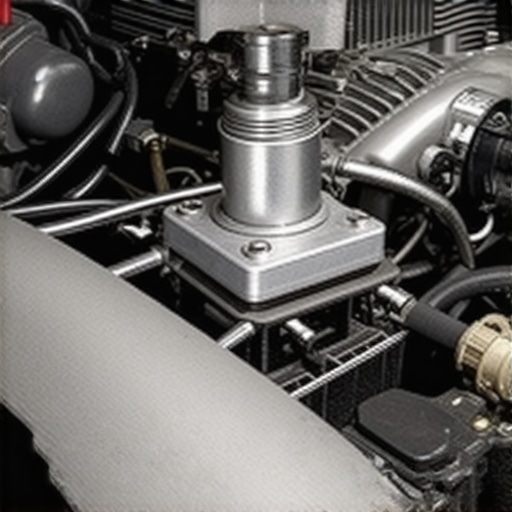
During my first attempt, I started by finding my vehicle’s transmission control module, often near the engine bay or under the vehicle. I used a service manual to identify the exact location for my car model. As I lifted the vehicle safely with a jack and stands, I uncovered the transmission pan, which resembles a thick metal cover. Carefully removing the pan revealed the solenoids—a collection of small, cylindrical components secured with clips.
Disconnect the Battery to Prevent Short Circuits
Before touching any wiring, I disconnected the negative terminal of my battery. Think of this step as unplugging your phone before fixing it—it’s a simple safety measure that prevents electrical mishaps and possible injuries.
Remove the Faulty Solenoid
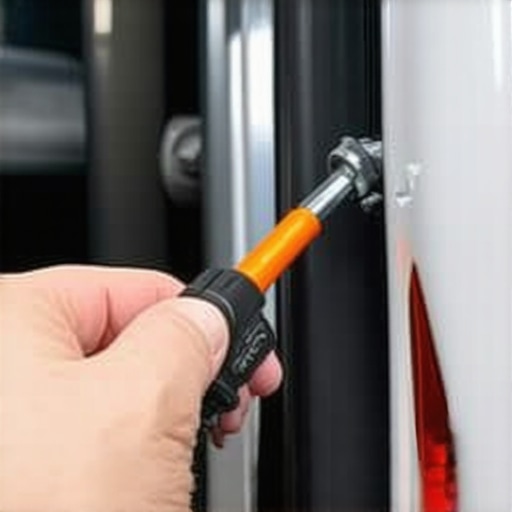
Next, I identified the malfunctioning solenoid by testing or based on diagnostic trouble codes. Using a socket wrench, I carefully unscrewed the solenoid retaining bolts. Once free, I disconnected its electrical connector—an often snap-in type that clicks when engaged. During my DIY, I noted how the old solenoid felt slightly worn, confirming it was the culprit.
Install the New Solenoid
Then, I aligned the new solenoid in place, pressed the electrical connector firmly until it clicked, and secured it with the bolts. Be sure to tighten bolts to manufacturer torque specifications, ensuring no leaks or loose connections. As I was reassembling, I realized how each step is comparable to replacing a small car part—precision matters, but it’s straightforward if you follow instructions carefully.
Reassemble and Test
After reinserting the transmission pan with a new gasket, I tightened the bolts in a criss-cross pattern to prevent warping. Reconnecting the battery restored power, and I started the engine. Observing the transmission behavior, I was pleased to see a smooth shift without the previous jerking. This quick fix not only saved money but also gave my vehicle a new lease on life, much like a software update resolving bugs—simple yet effective.
For more insights on common sensor failures affecting your transmission, see this detailed guide. Remember, small components like solenoids can cause big driving issues, so addressing them promptly can save a lot on repairs later.
Many car owners and enthusiasts operate under misconceptions about collisionfixer, auto repair, and general vehicle maintenance that can lead to costly mistakes. One widespread myth is that all transmission issues necessitate expensive rebuilds; in fact, many symptoms stem from simple sensor or solenoid failures, which can often be fixed with quick, affordable updates like replacing a faulty sensor or perform a sensor reset, saving thousands. Another misconception is that car servicing should always include a complete overhaul; however, targeted, routine checks, such as inspecting fuel injectors for clogging or replacing transmission fluid before overheating occurs, can extend your vehicle’s lifespan significantly. Some believe that higher-priced parts always guarantee better performance, but OEM parts are not always necessary—aftermarket components sometimes match quality at a fraction of the cost, provided they come from reputable suppliers. A common pitfall is ignoring early warning signs like subtle rough shifting or delayed responses, which can escalate into serious, costly damage if not addressed promptly; proactively diagnosing issues with professional guidance or trusted guides can prevent unnecessary breakdowns. For advanced drivers keen on optimizing their vehicle’s reliability, understanding the nuances of modern systems is crucial. For example, many are unaware that dirty sensors, even ones hidden deep within the engine, sabotage your tune-up efforts—see how thorough sensor cleaning can restore engine efficiency. Meanwhile, relying solely on generic advice or popular myths may backfire—it’s essential to stay informed with credible sources and expert insights. Remember, even expert mechanics can be misled by misconceptions—they often see these mistakes firsthand. When considering repairs or maintenance, always question the prevailing wisdom and consult specialized guides. For instance, did you know that fixing a transmission shudder before it costs you thousands could be as simple as a 20-minute sensor swap? Dive into trusted resources like collisionfixer to uncover the truth behind common repair myths and ensure you’re not falling into costly traps. Have you ever fallen into this trap? Let me know in the comments.Maintaining your vehicle’s performance over time requires more than just occasional visits to the mechanic; it demands the right tools, consistent routine, and an understanding of how to leverage technology for optimal results.
Investing in Quality Diagnostic Equipment
Having a reliable scanner like the Autel MaxiCOM or the BlueDriver Bluetooth pro is crucial for self-diagnosing issues early. These tools connect seamlessly to your smartphone or laptop, providing real-time data on engine parameters, sensor statuses, and fault codes. For example, being able to quickly identify a faulty oxygen sensor through a detailed code prevents unnecessary replacements or costly repairs, aligning with advice from expert mechanics who recommend early detection to avoid major engine damage.
My personal approach involves using the BlueDriver app paired with a dedicated tablet, giving me instant insights into any transmission anomalies or sensor failures, such as those detailed in this guide. This proactive technique allows me to schedule maintenance before minor issues escalate into major breakdowns.
Routine Maintenance with Precision and Consistency
Beyond diagnostics, tools like a high-quality torque wrench—specifically, the Tekton 1/2 inch drive torque wrench—ensure that bolts and components are tightened to manufacturer specifications, preventing leaks and component failures. Regularly replacing transmission fluid with OEM or high-quality aftermarket fluid, guided by your vehicle’s service manual, can extend your transmission’s lifespan significantly. For example, a PDF from Transmission Repair Zone recommends a fluid change every 60,000 miles, but personalized checks can inform more tailored schedules.

In addition, a magnetic oil drain pan helps collect used oil and contaminants, making early detection of metallic debris easier, which might indicate internal wear. Performing these routine checks with precision tools essentially acts as a health scan for your vehicle, catching problems early, as discussed in this expert article highlights.
Predicting the future, advancements in telematics and vehicle-to-infrastructure communication will automate much of this maintenance. Cars might soon self-diagnose and notify you of any impending issues, minimizing downtime and repair costs.
How do I keep my car running smoothly over the years? Regularly checking and calibrating sensors with diagnostic tools, keeping transmission fluid fresh, and using precise torque tools are all effective methods. Don’t forget to review your vehicle’s manual for manufacturer-recommended maintenance schedules and consider supplementing with professional diagnostics periodically. For instance, testing sensors as suggested here can help identify hidden issues before they turn into costly repairs—like a clogged fuel injector or a failing transmission sensor. Starting with a simple sensor test could save you thousands, so give it a try today and keep your vehicle in peak condition.
Lessons the Road Taught Me That No Manual Could
One of the most surprising realizations I made is how many transmission problems are caused by small, overlooked components rather than the entire system failing. The lightbulb moment was understanding that a simple solenoid swap could save me thousands—something few mechanics or DIY guides emphasize. Another insight was that persistent myths about car repairs often lead drivers down costly paths—like assuming a full rebuild is inevitable when a targeted fix often suffices. Lastly, I learned that proactive diagnosis with the right tools can prevent minor issues from snowballing into major disasters, preserving both vehicle health and your wallet.
Gear Up with Tools That Keep You Ahead
My trusted diagnostic tools have become indispensable. The BlueDriver app, combined with a quality scanner, offers real-time insights that help me catch symptoms early. Additionally, a reliable torque wrench ensures components are tightened to spec, preventing leakages or damage. For routine maintenance, I swear by high-grade transmission fluid and a magnetic oil drain pan—it’s amazing how metallic debris can reveal internal wear, saving me from surprise breakdowns. These tools and supplies form my armor against costly repairs, and I recommend them wholeheartedly to anyone serious about maintaining their ride.
Embrace the Journey of Smarter Car Care
Remember, your vehicle is an extension of your daily life—treat it with knowledge and care. By integrating simple diagnostics, routine checks, and an understanding of how each component works, you can transform from a passive owner to an empowered driver. Start small, and don’t shy away from trying DIY fixes like sensor tests or fluid changes—many of these steps are more manageable than you think. The future holds smarter cars with self-diagnosing tech, but until then, your proactive approach makes all the difference. Keep learning, stay curious, and enjoy the ride ahead!