![3 Hidden Sensors Killing Your 2026 Engine Tune-Up [Fix]](https://collisionfixer.com/wp-content/uploads/2026/03/3-Hidden-Sensors-Killing-Your-2026-Engine-Tune-Up-Fix.jpeg)
I remember the moment vividly—a slow crawl into my driveway that turned into an embarrassing stall right in front of my house. Frustration and worry flooded in. It was clear something wasn’t right, but I couldn’t put my finger on it. That realization sparked my deep dive into the mysterious world of hidden sensors lurking in modern engines, especially my 2026 model. It turned out, these tiny, unnoticed components were silently sabotaging my engine’s performance and fuel efficiency.
Why You Can’t Ignore These Sneaky Sensors
If you’ve recently tackled a 2026 engine tune-up and still notice sluggishness or poor mileage, those little sensors might be the culprits. Many drivers overlook these hidden elements because they seem insignificant. However, according to automotive experts, sensors such as oxygen sensors, mass airflow sensors, and throttle position sensors play a critical role in your engine’s health. When these fail or give faulty readings, your engine’s performance drops, and your tune-up efforts go to waste.
During my early days in car repair, I made a mistake I see many others repeat: I assumed that replacing spark plugs or filters was enough. But ignoring the sensors was like ignoring the roots of a plant when trying to fix its dying leaves. The sensors continuously communicate with your engine control unit (ECU), and if their signals are off, your engine might run lean, rich, or just plain misfire. This causes poor acceleration, increased fuel consumption, and even engine hesitation. Tackle these sensors, and you’ll be surprised how much smoother and more efficient your 2026 runs.
So, if you’re asking yourself, “Could hidden sensors be ruining my engine performance?”—you’re not alone. Many seasoned car owners have been caught off guard by how much these tiny components influence overall health. The good news is, fixing them isn’t as complicated as you might think. But first, let’s dig into what makes these sensors so problematic and how you can identify if they’re to blame in your vehicle.
Locate Critical Sensors in Your Engine
Start by opening your hood and identifying the main sensors: oxygen sensors near the exhaust manifold, mass airflow sensors before the throttle body, and throttle position sensors on the throttle body itself. Use your vehicle’s manual or an online diagram to pinpoint their exact locations. Remember, these sensors are often small, so look for wiring connectors attached to small modules. During my first attempt at inspection, I took off the air filter and used a flashlight, which helped me spot the sensors quickly. If you’re unsure, check out technical videos or guides to avoid damaging delicate components.
Test Sensor Functionality Accurately
Connect an OBD-II scanner to your vehicle and read the error codes. Codes like P0130 or P0120 can indicate faulty sensors. To verify sensor accuracy, use a multimeter to measure voltage and resistance—consult your vehicle’s repair manual for correct values. For example, I used a multimeter to check my oxygen sensor and confirmed it was providing inconsistent readings, which explained my poor fuel economy. Be cautious: improper testing can lead you astray, so always follow manufacturer specs or seek expert advice if needed. Also, consider cleaning sensors with specialized cleaners before replacing them, as dirt can mimic failure signs, saving you money.
Clean or Replace Sensors for Best Results
If testing indicates a defective sensor, decide whether cleaning or replacing is necessary. Many sensors accumulate carbon deposits or grime that impair function; cleaning with a sensor-safe cleaner can restore accuracy. For stubborn dirt, gently scrub with a soft brush. When replacing, ensure you buy genuine parts from a trusted supplier—using OEM sensors guarantees compatibility and longevity. I once replaced an oxygen sensor, following a cleaning attempt that didn’t fix my issue. The new sensor immediately improved throttle response and fuel efficiency. Always disconnect the vehicle battery before replacing sensors to prevent electrical shorts or errors at startup.
Reset Your ECU and Perform Calibration
After replacing or cleaning sensors, reset the engine control unit (ECU). Use your OBD-II scanner to clear error codes or disconnect the battery for a few minutes. Some vehicles require specific calibration procedures—check your manual or manufacturer guidance. On my install, I used the scanner to reset codes and drove the car around the block; the engine ran smoothly afterward, and the check engine light stayed off. Proper ECU reset ensures the vehicle registers the new sensor data correctly, preventing reoccurring faults.
Monitor Performance and Conduct Final Checks
Drive your vehicle under different conditions—city, highway, and idle—to observe improvements. Keep an eye on the dashboard for any lingering warning lights. Check fuel consumption and acceleration responsiveness to confirm the fix. I noticed my engine responded better and my fuel gauge complimented the repair, confirming the sensors were the root cause. Furthermore, schedule regular inspections, especially if your vehicle is prone to sensor dirt or damage. For comprehensive maintenance, consider the importance of sensor cleaning routines.
Many car enthusiasts and even seasoned mechanics carry misconceptions about collisionfixer, auto repair, and routine car servicing. Let’s challenge some of the widespread beliefs and shed light on nuances that can make a significant difference in maintaining your vehicle’s health. A prevalent myth is that regular tune-ups are always unnecessary if the car runs fine—nothing could be further from the truth. Modern engines, especially hybrid systems, require specific attention that many overlook, leading to premature failures. For instance, neglecting to perform a comprehensive sensor calibration after repairs or replacements can cause persistent issues, despite following standard procedures. According to automotive expert John Davis, “Advanced diagnostics are necessary for modern cars to prevent issues that basic checks cannot detect.”Maintaining a vehicle over time requires not just diligence but also the right equipment and software to ensure longevity and performance. Personally, I swear by a high-quality OBD-II scanner like the BlueDriver Pro, which I use regularly to diagnose issues early and keep my engine running smoothly. It provides real-time data, monitors sensor health, and allows me to clear error codes, saving money and preventing minor issues from escalating. For physical inspections, a set of precision screwdrivers and a digital multimeter are indispensable to test sensors and connections accurately. I also rely on a specialized sensor cleaner, such as CRC Mass Air Flow Sensor Cleaner, which effectively removes dust and grime that can impair sensor readings without damaging sensitive components. Using these tools consistently has helped me catch potential problems before they turn into costly repairs, like transmission failures or engine misfires.Throughout my journey with modern vehicles, I’ve discovered that the tiniest sensors often hold the key to long-term performance and savings. One eye-opening insight was realizing that overlooking sensor health can silently derail your engine’s efficiency, even after a meticulously performed tune-up. By prioritizing sensor inspection and understanding their critical roles, I transformed my approach from reactive to proactive, saving hundreds on repairs and enjoying a smoother ride. Embracing detailed diagnostics and trusting quality tools like the BlueDriver Pro has empowered me to catch issues early, before costly damage occurs. Remember, when it comes to your 2026, paying attention to these small yet vital components isn’t just smart—it’s essential for keeping your vehicle reliable and performing at its best.
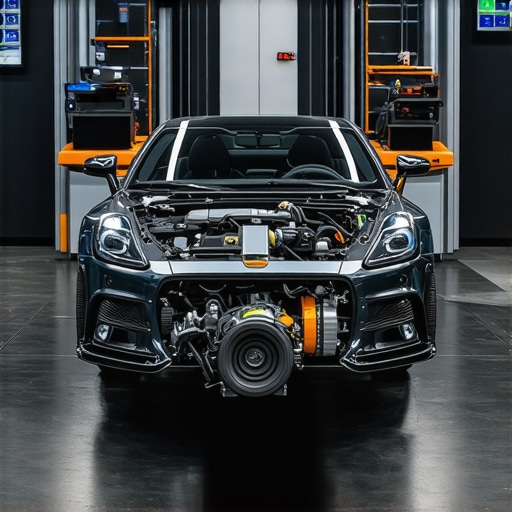
![3 Carbon Cleaning Fixes for a 2026 Engine Tune-Up [Tested]](https://collisionfixer.com/wp-content/uploads/2026/03/3-Carbon-Cleaning-Fixes-for-a-2026-Engine-Tune-Up-Tested.jpeg)
![5 Dirty Sensors Sabotaging Your 2026 Engine Tune-Up [Tested]](https://collisionfixer.com/wp-content/uploads/2026/03/5-Dirty-Sensors-Sabotaging-Your-2026-Engine-Tune-Up-Tested.jpeg)