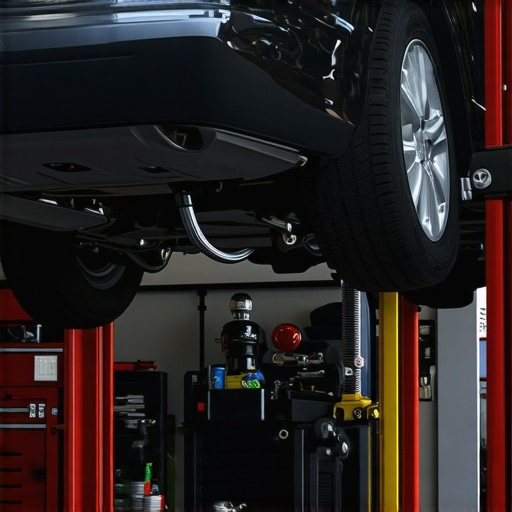
You know that moment when you’re cruising down the street, and suddenly, that horrible rattle starts up from under your car? It’s that sharp, grating sound that makes your stomach drop and your patience wear thin. I remember the first time I heard it—my heart sank, thinking it would cost hundreds to fix. Turns out, I was wrong. That pesky exhaust rattle can be a simple, inexpensive fix—trust me, I’ve been there.
Why the 2026 Exhaust Rattle Gets Under Your Skin—and Your Hood
That rattling sound isn’t just annoying; it can also be a sign of underlying issues that, if ignored, might lead to more costly repairs down the road. The good news? You don’t have to shell out a fortune or be a master mechanic to silence it. With a few tools and less than $20, you can get your car sounding smooth again.
But here’s the catch—many car owners overlook simple fixes, thinking they need professional service or expensive parts. I had made that mistake early on—paying for repairs I could have easily handled myself—so I know how tempting it is to just hand over the keys to a shop. However, a quick DIY approach can save you both time and money.
Before we dive into the fix, I want to address one common concern you might have.
Is This Exhaust Rattle Fix Actually Worth the Hype?
Honestly, I was skeptical at first, too. It’s easy to dismiss simple solutions, especially when dealing with something as frustrating as a rattling exhaust. But after a few tries and a bit of research, I discovered that most of these noises are caused by loose heat shields or small clamps—easily tightened or replaced without breaking the bank. If you’re tired of the noise ruining your drives, stay with me—I’ll show you exactly how to fix it.
Locate the Culprit Heat Shield or Clamp
Start by inspecting the exhaust area beneath your car. Use a flashlight to identify loose heat shields or clamps that might be rattling. Remember, heat shields are usually thin metal covers hugging the exhaust pipe, and clamps secure the components together. Once you find the loose part, gently try moving it — if it shakes or wiggles, it’s likely the noise source.
Gather Necessary Tools and Parts
For this fix, you’ll need a basic socket set, screwdrivers, pliers, and possibly replacement clamps or heat shield brackets (~$10-$15). As I did on a rainy Saturday, having all tools ready before starting prevents frustration. That day, I discovered a loose heat shield and a worn clamp, which I replaced straightforwardly. The job took about 30 minutes, and the noise vanished.
Tighten or Replace the Loose Components
Using a socket and ratchet, tighten the clamps snugly around the exhaust pipe. If the heat shield is bent or damaged, straighten it with pliers or consider replacing the bracket. For worn clamps, purchasing new ones is inexpensive. When I tightened the clamps, I made sure not to overtighten, which could crack the metal. Remember, a secure fit is key to stopping the rattle.
Apply Anti-Rattle Measures if Needed
If tightening alone doesn’t do the trick, apply anti-rattle solutions like rubber insulation or conductive spray to dampen vibrations. I once used rubber grommets between the heat shield and the bracket, which effectively absorbed vibrations and silenced the noise during my test drive.
Test Drive and Confirm Repair
After reassembling, start your engine and listen carefully. Drive around your neighborhood, especially over bumps, to replicate the conditions when the noise occurred. I recall taking my car around the block, and the silence was a relief. If the rattle persists, double-check the tightened parts or any additional loose components and repeat the process.
Prevent Future Rattles
Regularly inspect your exhaust system for corrosion or looseness, especially after harsh winter driving or accidents. Lubricate clamps periodically and replace any worn heat shields promptly. Keeping a visual check-up routine can save you from sudden surprises and costly repairs later. For more detailed inspection techniques, check out this guide on common car service pitfalls.
Many car owners believe that auto repair is always costly and complicated, but in reality, understanding some key nuances can save you a lot of money. One widespread myth is that all transmission issues require expensive rebuilds; however, sometimes simple software updates or low-cost fixes can resolve lagging or slipping problems effectively, as discussed in this guide on transmission software fixes. Another misconception revolves around the importance of regular tune-ups being solely about changing spark plugs or fluids; in fact, neglecting hidden components like sensors or fuel injectors can lead to drivability issues. Interestingly, many overlook the fact that early detection of collision damage or frame misalignment through proper inspection can prevent costly later repairs, a point emphasized in several collision repair tips.
A critical trap to avoid is assuming that a warning light or unusual noise always signals immediate, costly repairs. Instead, understanding the nuances—like how minor heat shield rattles or loose clamps can be fixed with simple tightening—can be game-changers. Also, many believe that car service routines are uniform, but modern vehicles, especially hybrids or newer models, require specific checks, such as sensor calibrations or software updates, to keep performance optimal. For example, a delayed shift or hesitation might stem from overlooked sensor clogging, which can be remedied during a routine sensor cleaning.
Let’s bust one more myth: that only professional mechanics should handle complex repairs. With proper guidance, some maintenance tasks, including tightening exhaust clamps or inspecting brake sensors, are surprisingly manageable and cost-effective. It’s essential, though, to beware of the ‘Oops’ factor—mistakes like overtightening small bolts or misdiagnosing the root cause can lead to worse problems. For instance, over-tightening a clamp might crack the heat shield, causing more rattles down the line.
For those aiming to optimize their vehicle’s longevity, understanding how to identify early signs of issues like clogged fuel injectors or slipping transmissions is crucial. Regular inspections and being aware of how modern systems communicate problems can save you thousands. Did you ever fall into the trap of ignoring a minor car noise or warning light? Let me know in the comments!
In summary, the key to better auto maintenance is shifting your mindset from reactive to proactive. Recognize that many problems have simple solutions if diagnosed early, and don’t assume that all repairs are out of your reach. For advanced tips on specific issues, explore guides linked throughout this article to deepen your understanding and avoid costly mistakes.
Keeping Your Auto System Healthy Over Time
Maintaining your vehicle’s performance isn’t just about fixing issues when they arise; it involves consistent upkeep with the right tools and methods. Personally, I rely on a high-qualityOBD-II scanner like the BlueDriver, because it provides real-time diagnostics and clears error codes efficiently, saving me trips to the mechanic. Investing in a durable torque wrench ensures bolts and clamps are tightened correctly, which is particularly crucial when securing components like heat shields or transmission parts.
Another vital tool is a digital multimeter. I use mine regularly to check electrical systems, ensuring sensors and wiring remain operational, especially in models with advanced driver-assist features. For more complex tasks, such as tuning or recalibrations, specialized software like diagnostic programs are indispensable for identifying subtle issues before they escalate.
Why Investing in Quality Tools Matters
High-quality equipment might seem costly upfront, but it pays off through precision and durability, ultimately extending your vehicle’s lifespan. For example, when performing periodic tune-ups, using proper tools ensures components are correctly calibrated and secured. This proactive approach minimizes unexpected breakdowns and boosts efficiency.
Future Trends in Auto Maintenance
Looking ahead, the integration of smart diagnostics and AI-driven tools will revolutionize vehicle maintenance. These advancements will empower drivers to detect issues early—sometimes even before symptoms appear—streamlining long-term care. As vehicles become more connected, learning to utilize these technologies will be essential for maintaining peak performance.
How do I maintain my vehicle’s performance over time?
Regularly scheduled inspections using reliable diagnostic tools, combined with routine maintenance like oil changes and sensor checks, are key. Also, staying informed about recalls or software updates through manufacturer notifications can prevent issues from snowballing. Remember, maintaining your car proactively with the right tools is the most effective way to keep it running smoothly and extend its lifespan.
Start practicing with a professional-grade OBD-II scanner today—it’s a game-changer for diagnosing problems early and saving money in the long run. Want to dive deeper? Check out this guide on transmission troubleshooting to further enhance your DIY auto care skills.

The Hard Lessons That Made Me a Better Car Enthusiast
One of the most valuable insights I gained was that seemingly minor issues, like a loose heat shield, can cause significant annoyances and even more expensive damage if ignored. Learning to identify and fix these parts myself taught me that being proactive and knowledgeable turns car ownership from a constant expense into a rewarding hobby. It’s not about avoiding mechanics altogether but understanding what’s happening beneath the hood.
I also realized that investing in simple tools—like a reliable socket set or a quality flashlight—pays dividends in confidence and savings. Those quick DIY repairs, especially for exhaust rattles, are often way easier than I initially thought, provided I approach them with patience and a little research. These lessons have transformed how I maintain my vehicle and helped me catch small issues before they escalate.
Tools and Resources That Changed My Approach to Car Care
My go-to for diagnostics is the BlueDriver OBD-II scanner, which provides instant insights into hidden problems. It’s straightforward and bridges the gap between professional tech and DIY curiosity. For physical fixes, a sturdy torque wrench and a set of rubber grommets have become essential—they allow me to tighten and dampen vibrations effectively, ensuring quiet, smooth operation. When I want to learn more about preventive maintenance, books like Automotive Repair for Dummies have helped demystify complex systems and made me more confident during repairs.
Using reputable online tutorials and community forums adds a layer of reassurance. I trust Collision Fixer’s articles because they blend real-world experience with clear instructions, guiding me through repairs I’d otherwise leave to professionals. These resources empower me to take control, save money, and enjoy the process of keeping my vehicle in top shape.
Gear Up to Keep Your Car Performing Like New
Action speaks louder than words—start small with routine inspections, tighten any loose components, and gradually take on more complex tasks like fixing heat shields or checking sensors. Remember, each repair boosts your understanding and your car’s longevity. Don’t hesitate to dive into the wealth of tips available online and see how manageable auto maintenance can be. When you identify issues early, you save yourself not just money but also countless hours of stress. Ready to become your own mechanic? Share your first DIY fix below or ask questions—I’m here to help you succeed on your auto care journey!
,
![Why Your 2026 Engine Light Is On But No Codes Show [Fix]](https://collisionfixer.com/wp-content/uploads/2026/03/Why-Your-2026-Engine-Light-Is-On-But-No-Codes-Show-Fix.jpeg)
Jessica Anderson
I really appreciate this detailed post on fixing the exhaust rattle myself. I’ve had similar issues with loose heat shields rattling during drives, especially after hitting minor bumps. What’s great about this approach is how accessible it is for someone who’s not a professional mechanic but wants to save some money and learn more about their vehicle. I remember trying to tighten clamps loosely before, but often it didn’t last long, so applying the rubber grommets idea sounds like a clever fix.
One challenge I faced was identifying the exact source of the noise in the past; sometimes the rattle comes from multiple loose parts, making it tricky to pinpoint. Do you recommend any specific tools or techniques for locating all potential rattles efficiently, especially in tight or hard-to-see spots? Also, how often should one inspect the heat shields and clamps to prevent future issues? Your advice has inspired me to set a regular check-up routine. Thanks for sharing these practical, budget-friendly tips—definitely a game changer for DIY car maintenance!