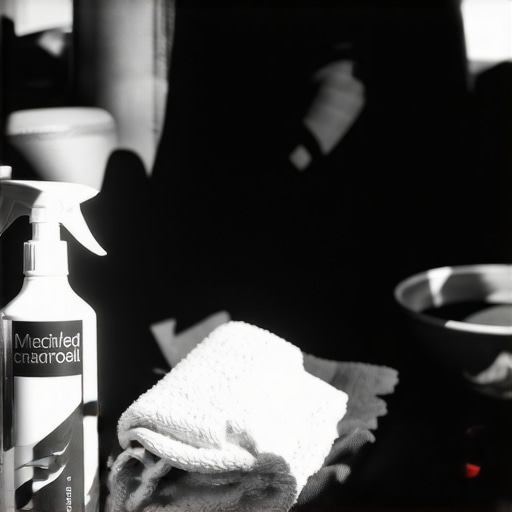
I’ve spent half my life under hoods, but nothing quite prepared me for the ‘Great Grease Incident’ of 2019. I had just picked up a beautiful used sedan for my kid, a real steal until I shut the doors and the sun hit the dashboard. Within minutes, the interior didn’t just smell like a car; it smelled like the bottom of a 50-gallon drum of used motor oil. It was thick, heavy, and nauseating. I spent three weeks hanging every ‘Little Tree’ air freshener I could find, but I only succeeded in making the car smell like a pine forest in a refinery. It was a failure of epic proportions. I realized then that you can’t just mask a smell that has literally bonded to the fibers of your seats. If you are currently driving around with a mask on because your cabin reeks of 10W-30, I promise you, there is a way out that doesn’t involve buying a new car.
The Day My Cabin Started Smelling Like a Mechanic’s Shop
The problem with motor oil is that it is designed to be persistent. It’s built to resist heat and stick to surfaces, which is great for your engine but a nightmare for your upholstery. When oil spills or leaks, it releases volatile organic compounds (VOCs). According to the California Air Resources Board, these VOCs can penetrate deep into porous materials like foam and fabric, staying trapped for years if not neutralized. Early on, I made the classic rookie mistake of thinking a bit of dish soap and a wet rag would do the trick. Instead, I just spread the oil over a larger surface area and soaked the padding, which actually made the smell worse every time the heater turned on.
Does This Deep-Clean Actually Work?
You might be skeptical. Maybe you’ve tried the baking soda trick or left a bowl of vinegar in the cup holder overnight with zero results. I get it. The reason those ‘hacks’ fail is that they don’t address the source. We aren’t just cleaning the surface; we are going after the molecular bond. If you don’t act, that smell can actually lower your vehicle’s resale value significantly. Whether you’re dealing with a spill from a jug or a slow leak that’s been ignored, knowing the top signs your car needs expert auto repair now can help you prevent future odors from creeping in through the vents.
Why Traditional Air Fresheners Fail Every Single Time
We need to talk about why that ‘New Car’ spray isn’t helping. Most store-bought products are just perfumes. They don’t break down hydrocarbons; they just sit on top of them. To truly get the interior fresh, you have to treat it like a technical repair. It’s just as important as keeping up with regular tune-ups or ensuring you have safe summer drives by checking your fluids. Have you ever dealt with a smell that just wouldn’t quit, no matter how much you scrubbed? It’s frustrating, right? Today, I’m going to show you the exact breakdown of how to neutralize those oils without ruining your carpet or spending a fortune at a detailer.
Start with Aggressive Absorption
The biggest mistake most people make is grabbing a wet sponge immediately. Water and oil are enemies; they do not mix, and the water will only push the oil molecules deeper into the seat’s cellular foam. If the spill is fresh, you need a desiccant. I prefer plain cornstarch or high-quality clay-based cat litter. Dump it on thick—I mean a literal mountain of it. Let it sit for at least six hours. This draws the liquid oil out of the fibers before it can set. It is a similar logic to how you would handle a leak in the driveway before deciding if you should fix a stripped oil pan drain plug yourself or call a pro. Once the powder is saturated, vacuum it out with a shop vac, not your household vacuum, or you will ruin your home’s air quality too.
Cornstarch vs Clay Litter for Fresh Spills
While cat litter is great for volume, cornstarch is finer and gets into the tight weave of modern car fabrics. If you are dealing with an older spill that has already ‘cured,’ powder will not do much. At this stage, the oil has bonded. You need to treat it with the same respect you would give to complex engine components. Some people swear by high mileage oil additives to keep their engines running, but when that same oil hits your carpet, it becomes a permanent resident unless you break the chemical bond. I have found that a mixture of both—litter for the bulk and cornstarch for the finish—creates the best draw.
Dissolve the Hydrocarbon Bond
To get the smell out, you must liquefy the dried oil. This requires a heavy-duty degreaser that is safe for fabrics. I once tried to ‘blast’ an oil stain out of a passenger seat with a high-pressure garden hose in my driveway. Within ten minutes, I had not just failed to remove the oil; I had managed to turn the entire seat into a swamp of greasy foam that took three days to dry and smelled like a soggy engine bay. Don’t be like me. Instead, use a citrus-based degreaser. Apply it to a microfiber cloth first, then dab. Never pour liquid directly onto the stain. You are trying to lift the oil, not drown it deeper into the padding. If the fabric is delicate, you might even look into how to repair a cigarette burn in your car seat to understand how different materials react to heat and chemicals.
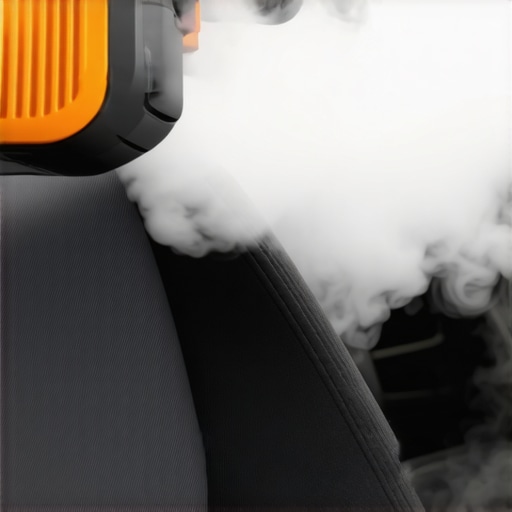
Why Steam is Better Than Any Chemical Spray
If the degreaser does not finish the job, heat is your best friend. A professional-grade steamer can reach temperatures that melt the oil residue, allowing it to be sucked up by an extractor. This is where the real ‘magic’ happens. Many people think they need a whole new interior, which is why most Libertyville shops misdiagnose a simple oil pan leak as a major repair—it is about looking at the source, not just the surface. Steam penetrates the foam where the VOCs live. It is a tedious process, but it works better than any ‘New Car’ scented spray ever could. If you have ever used the secret to cleaning battery terminals with baking soda, you know that a little chemical reaction goes a long way. After steaming, use an enzyme-based cleaner to eat away the remaining microscopic organic particles. This is the only way to ensure the smell does not return on the next hot summer day when the cabin temperature spikes.
Most people think a deep scrub is the finish line, but in my experience, that is where the real trouble starts. You see, the common wisdom says that if the stain is gone, the smell should follow. That is a total myth. Motor oil is a high-boiling-point fluid, meaning it does not just evaporate and disappear; it slowly releases vapors for months. If you only clean the surface, you are leaving a ‘reservoir’ of oil in the padding underneath. I have seen folks spend hundreds on detailing only to have the cabin reek again the second they turn on the heater. The real secret is not more soap; it is managing the airflow and the chemical source simultaneously. If you are smelling something else entirely, like sulfur, you might be wondering why your car smells like rotten eggs when you accelerate, which points to a different mechanical failure altogether. 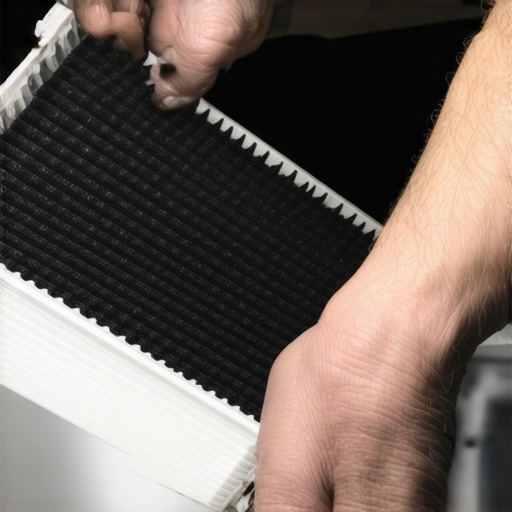 One ‘oops’ factor that almost cost me a client’s loyalty was forgetting the cabin air filter. I had scrubbed the seats until they were pristine, but the moment the engine warmed up, the smell returned. Why? Because the HVAC intake had sucked in the oil vapors during the initial spill. According to a study by the Society of Automotive Engineers (SAE), automotive plastics and filter media can act as a ‘sink’ for Volatile Organic Compounds (VOCs), slowly releasing them back into the cabin over time. This is why essential car service tips for safe summer drives always include checking your filtration systems. If you do not swap that filter, you are just recirculating the ghost of your oil spill forever. It is as critical as knowing the top signs your car needs expert auto repair now to prevent minor leaks from becoming environmental disasters in your front seat.
Can a Cabin Air Filter Actually Store Enough Oil Vapor to Re-Contaminate Your Interior?
The short answer is yes. Beyond just the filter, the evaporator core can become coated in a fine mist of oil if the spill was large enough or if there is a leak in the engine bay getting pulled into the cowl. This is why you should maximize your cars lifespan with regular tune-ups—it is not just about the engine, it is about the air you breathe. If you find your simple oil pan leak was actually blowing oil onto the exhaust, those fumes are definitely in your vents. Sometimes, the smell is not even from a spill in the cabin; it is a leak dripping onto a hot transmission. Learning how transmission overhauls save you money in the long run often starts with identifying these rogue smells before they lead to total component failure. Use an ozone generator as a last resort, but be careful—it can degrade certain rubbers if overused. It is a delicate balance of chemistry and mechanics. Have you ever fallen into this trap? Let me know in the comments.If you’ve followed the steps so far, your car is likely 90% better. But for that final 10%, maintenance is the name of the game. I never go into a serious restoration job without my Mytee 8070 Lite II. It is a specialized hot water extractor that hits 200 degrees—hot enough to break down oil without melting the glue that holds your carpet to the floorboard. While a home-grade spot cleaner is okay for coffee spills, it simply won’t handle a quart of 5W-30 that has seeped into the backing. For those deeper mechanical issues that often manifest as smells or vibrations, like when your steering wheel shakes at exactly 60 mph, precision is everything. You need to ensure the balance of the vehicle is restored, whether it is the wheel alignment or the molecular cleanliness of the cockpit. The Institute of Inspection Cleaning and Restoration Certification (IICRC), in their S500 standard, states that ‘odor removal is only successful if the source is physically removed.’ This is a mantra I live by. You cannot spray your way out of a transmission leak that has permeated the footwell. If you notice the weird noise your gearbox makes when its low on fluid, do not wait for it to start smoking and stinking up your seats. Address it at the source before the vapors become a permanent resident in your headliner. 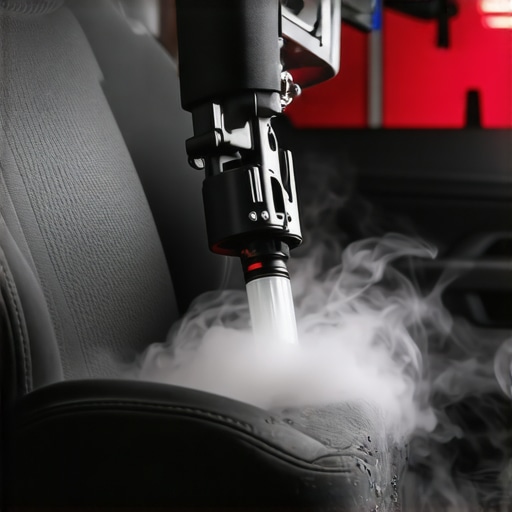 Tools like an OBD-II scanner are also essential even for smell-related issues. I use a professional-grade scanner to how to read live data to find a misfire because unburnt fuel can quickly turn into a nasty exhaust odor that gets trapped in your upholstery. Long-term results depend on your ability to scale your maintenance routine beyond just the basics. I predict that in the next few years, we will see a massive shift toward bio-enzymatic ‘living’ cleaners that continue to eat oil residue for weeks after the initial application. This isn’t just a tech trend; it is the future of sustainable automotive care. To keep things running smooth, you should always maximize your cars lifespan with regular tune-ups. A clean car actually runs better because you are more likely to notice the top signs your car needs expert auto repair now when you are not distracted by a cloud of grease or a sticky console. If you have been putting off a big repair, remember how transmission overhauls save you money in the long run by preventing catastrophic failure and the accompanying environmental damage to your car interior.
How do I keep the interior fresh for years?
The secret is consistency. Every time you do a seasonal check, like following these essential car service tips for safe summer drives, vacuum the floor mats and wipe down the HVAC vents. If you ever feel overwhelmed by a mechanical mystery, just reach out to us on our contact us page. My best advice for the long haul? Buy a small, dedicated HEPA air purifier for your car that plugs into the 12V outlet. It is a small investment that prevents airborne oils from ever setting into your fabric. Try swapping your cabin filter today—it’s the single most effective way to reset your car’s ‘scent profile’ instantly.
The Hidden Science Behind Persistent Cabin Odors
After years of detailing high-mileage vehicles, I’ve discovered that scent molecules are like unwanted guests; if you don’t physically escort them out, they just move from the carpet to the headliner. One of the biggest ‘lightbulb moments’ for me was realizing that the headliner acts like a giant sponge for airborne oil. If you clean the floor but leave the ceiling untouched, you’ve only finished half the job. Also, never underestimate the power of temperature. A car that smells fine in the morning might reek by noon because heat excites the hydrocarbons. This is why maximizing your car’s lifespan with regular tune-ups is about more than just engine health; it’s about preventing the leaks that create these atmospheric disasters. I once saw a driver ignore a minor leak for months, only for the vapors to permanently stain the leather. Be proactive.
Professional Gear That Actually Gets the Job Done
If you’re serious about a fresh interior, skip the grocery store aisle and look at what the pros use. I personally swear by high-temp extractors like the Mytee 8070 because standard vacuums simply cannot lift heavy oil residues. For those dealing with a lingering chemical scent, an Ozone generator is a miracle worker, but you must use it sparingly to avoid damaging dashboard plastics. I also recommend keeping a bottle of bio-enzymatic cleaner in your garage. These aren’t just soaps; they are living organisms that eat the oil residue. If your car odor isn’t oil but something more pungent, you might need to investigate why your car smells like gas only when you start it, as that requires a completely different diagnostic approach. #IMAGE_PLACEHOLDER_E#
Reclaim Your Driving Experience Today
You don’t have to live with the ‘Great Grease Incident’ forever. By combining aggressive absorption, chemical neutralization, and proper airflow management, you can reclaim your cabin. It’s about taking pride in your vehicle, much like how learning the truth about engine flushes can help you maintain internal cleanliness. A clean, odor-free cabin makes every mile more enjoyable and protects your resale value. If you ever hit a wall with a stubborn mechanical issue or a leak that won’t stop, feel free to reach out via our contact us page for expert guidance. Your car is an extension of your home; treat it with the care it deserves. Have you ever discovered a mystery smell that turned out to be a hidden mechanical leak? Let me know in the comments below!