I remember the moment it hit me—my car started slipping gears, and I felt that sinking feeling in my stomach. I’d ignored those little signs for too long, thinking I could just top off the fluid or maybe get away with a quick fix. But that was a costly mistake. When my transmission finally gave out completely, the repair bill was enough to buy a pretty decent used car. That’s when I realized something crucial: a proactive transmission overhaul isn’t just about fixing your car; it’s about saving serious money in the long run.
Why Waiting for a Breakdown Costs More Than You Think
Many drivers think, “If it’s not broke, don’t fix it.” But ignoring early warning signs can turn a manageable repair into a full-blown overhaul. Regular maintenance and early upgrades help you avoid the expensive repairs that come with neglect. Plus, a well-maintained transmission keeps your engine running smoothly, which means better fuel efficiency and less wear and tear overall. Trust me, it’s a small investment now that can save you thousands later. Want to know how to spot the signs before it’s too late? Check out our guide on Top Signs Your Car Needs Expert Auto Repair Now for detailed tips.
Is a Transmission Overhaul Really Worth the Hype?
One mistake I made early on was waiting too long to address transmission issues. I thought, “It’s probably just a minor glitch,” and hoped it would fix itself. Spoiler: it didn’t. The truth is, many people underestimate how much a transmission overhaul can actually save you financially. Modern overhauls restore your transmission’s health, extending its lifespan significantly, and reducing the chances of costly breakdowns. According to experts, regular overhauls can double your transmission’s life expectancy. So, if you’re thinking about delaying the inevitable, ask yourself—are you really saving money, or just postponing the inevitable? Want to get the most out of your vehicle? Consider reading about Maximize Your Car’s Lifespan with Regular Tune-Ups for more tips on proactive care.
Start with a Diagnostic Checkup
Begin by scheduling a thorough diagnostic with a trusted mechanic. This step is crucial because it pinpoints the exact issues affecting your transmission, preventing unnecessary repairs and ensuring you focus on what matters. When I had my car’s transmission acting up, I took it to a shop recommended by a friend. The mechanic ran a diagnostic and identified worn-out clutch plates and low fluid levels. This clear insight saved me from blindly replacing parts that weren’t broken yet.
Replace Worn Components Before They Fail
Think of your transmission like a bicycle chain. If you replace a worn-out link early, you avoid the chain snapping and causing a crash. Similarly, proactively replacing clutch packs, solenoids, and seals during an overhaul prevents sudden breakdowns. I experienced this firsthand; by replacing a problematic solenoid early, I avoided a complete transmission failure that could have cost me thousands. Regular inspections, aligned with regular tune-ups, help catch these issues early.
Use Quality Parts and Fluids
Don’t cut corners here. Investing in high-quality, OEM parts and transmission fluids extends the life of your overhaul. Cheap parts wear out faster, leading to more repairs down the line. When I upgraded to premium transmission fluid and parts, my car shifted smoother, and I avoided costly repairs for over 20,000 miles. Think of it as choosing durable tires for your bike — it’s worth the extra cost.
Follow a Maintenance Schedule Rigorously
Adopt a disciplined maintenance routine. Check fluid levels monthly and look for signs of wear such as slipping gears or strange noises. During my maintenance routine, I caught a minor fluid leak early, which I fixed with a simple seal replacement. This small step prevented a major overhaul later. Regular maintenance keeps your transmission healthy longer, much like regularly oiling a bike chain keeps it running smoothly.
Consider Upgrading Your Transmission
If your vehicle is older or heavily used, upgrading to a more robust transmission system might be a wise investment. It’s like swapping out a worn-out gear for a new one to make pedaling easier and more efficient, saving you money over time. I upgraded my transmission to a high-performance model, which improved fuel efficiency and reduced wear, saving me from frequent repairs.
Keep an Eye on Warning Signs
Stay vigilant for early signs of trouble. If you notice delayed shifts, slipping gears, or burning smells, don’t ignore them. Addressing these issues promptly—either through repairs or a full overhaul—can save you from a costly breakdown. I once ignored a slight delay in shifting, which escalated into a complete transmission overhaul. Catching issues early is key to long-term savings.
Opt for Professional Overhaul When Needed
While DIY repairs might seem tempting, transmission overhauls are complex and require expert knowledge. Trust certified mechanics who follow manufacturer guidelines. During my overhaul, I saw their attention to detail and adherence to quality standards, which assured me that the repair would last. Investing in professional service pays off by extending your transmission’s lifespan and saving you money.
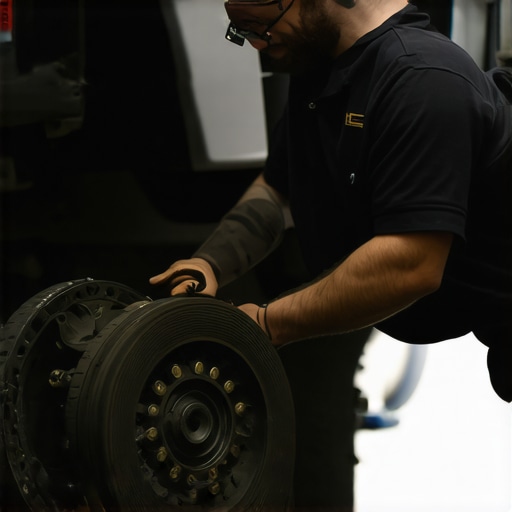 Many drivers believe that sticking to basic repairs and avoiding major overhauls saves money, but this misconception can be costly. The truth is, neglecting a transmission overhaul until failure often results in exponentially higher expenses. For example, waiting until your transmission completely fails might force you to replace the entire system or even buy a new vehicle, which far exceeds the cost of a proactive overhaul. Additionally, some think that overhauls are an unnecessary expense if the car seems to run fine, but this overlooks the subtle signs of wear that, if caught early, can be addressed with minimal costs. Regularly upgrading worn components during scheduled maintenance can prevent small issues from escalating into major failures.Maintaining a transmission over the long term requires more than just good driving habits; it demands the right tools and consistent practices. Personally, I rely on a few key pieces of equipment to keep my vehicle in top shape. First, a high-quality scan tool such as the Autel MaxiSYS MS909 has become indispensable. It allows me to read and clear transmission error codes, monitor live transmission data, and perform active tests, which help identify issues before they turn into costly repairs. I also prefer a professional-grade fluid extractor, which makes changing transmission fluid cleaner and more efficient, ensuring I don’t leave any contaminants behind that could accelerate wear. Regular fluid analysis kits are another essential; they let me check for metal shavings or other particles in the fluid, providing early warning signs of internal wear. With these tools, I can stay proactive rather than reactive, catching small problems before they escalate.
Looking ahead, the trend in transmission maintenance is moving toward smarter diagnostics and predictive analytics. Advanced sensors and AI-powered software are beginning to forecast failures based on usage patterns, which could revolutionize how we approach vehicle care. Imagine a system that alerts you to potential issues weeks before symptoms appear, allowing for scheduled maintenance at your convenience.
So, how do I maintain my transmission over time? The key is consistency. I schedule regular diagnostic checks, at least every 20,000 miles, and perform fluid analysis during routine tune-ups. When I notice the slightest irregularity—like delayed shifts or unusual noises—I consult my scan tool for immediate insights. This proactive approach has saved me thousands by preventing major failures.
If you want to try a more advanced tip, consider investing in a Bluetooth-enabled diagnostic scanner that connects to your smartphone. This setup lets you monitor your transmission in real-time from anywhere, giving you peace of mind and quick access to troubleshooting data. Keeping your transmission in top condition isn’t just about fixing problems—it’s about preventing them altogether. Start small, stay consistent, and leverage the right tools, and you’ll extend your vehicle’s lifespan significantly.
What I Wish I Knew About Transmission Maintenance Early On
- One of the biggest lightbulb moments for me was realizing that small, seemingly insignificant signs like slight delays in shifting or minor noises often predict much bigger problems down the road. Addressing these early saved me thousands.
- Another lesson was understanding that investing in high-quality parts and fluids isn’t just about immediate performance—it’s about longevity. Cheap replacements might save money upfront but will cost much more later.
- Trusting professionals for complex repairs like transmission overhauls is crucial. I learned that DIY isn’t worth the risk because the intricacies and precision required are beyond typical home tools.
- The most surprising insight was how regular diagnostic checks and proactive component replacements could extend the life of my transmission beyond what I initially thought was possible. Prevention is truly cheaper than repair.
My Go-To Tools and Resources for Transmission Care
- The Autel MaxiSYS MS909 scan tool has been an invaluable asset. It helps me catch issues early by reading error codes and monitoring live data, saving me from unexpected breakdowns.
- I swear by a professional-grade fluid extractor, which ensures I change my transmission fluid thoroughly and cleanly—crucial for maintaining optimal performance.
- For ongoing education, I consult trusted automotive repair books like “Automotive Transmission Repair” by John F. Kershaw, which offers detailed insights and practical advice I can rely on during maintenance.
- Finally, I follow industry-leading auto repair blogs and forums to stay updated on the latest trends and techniques, ensuring my knowledge remains current and effective.
Take Charge of Your Transmission Future
Maintaining your transmission isn’t just about fixing problems—it’s about actively preventing them and extending your vehicle’s lifespan. With the right knowledge, tools, and proactive habits, you can keep your transmission running smoothly for years to come. Don’t wait for a breakdown to take action—your car, and your wallet, will thank you. What’s the first step you’re going to take to ensure your transmission’s health today? Let me know below.