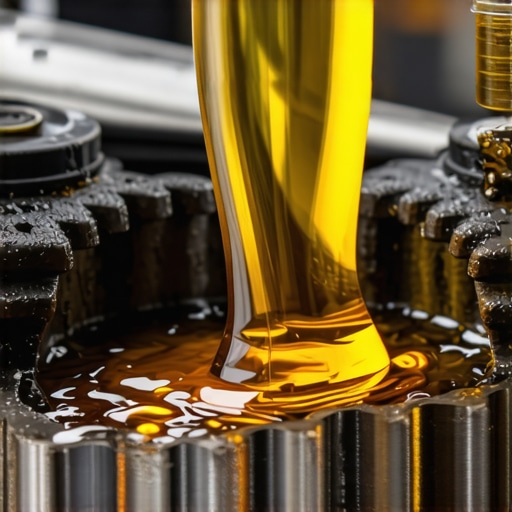
I stood there in my driveway, three empty quarts of oil on the ground and a sinking feeling in my gut. My old truck had hit the 200,000-mile mark, and it was sounding more like a sewing machine than a V8. I thought I’d be smart. I’d buy a can of that “miracle” engine flush and strip out years of gunk in fifteen minutes. It felt like a shortcut to a brand-new engine. Well, three days later, I was dealing with a clogged oil pickup and a repair bill that made my eyes water. It was a classic rookie mistake. I learned the hard way that an engine with high miles isn’t just “dirty”—it’s an ecosystem that has adapted to its own wear and tear. Today, I’m going to help you avoid that same trap by showing you when a flush is a life-saver and when it’s a death sentence for your ride. I remember the smell—that acrid, chemical scent mixing with old burnt oil. I thought I was being a proactive owner. In reality, I was rolling the dice with a $4,000 engine. The truth is, the internet is full of conflicting advice. One guy on a forum says it saved his life; another says it killed his truck in ten miles. I’m here to bridge that gap. We’re going to talk about the why behind the risk, and why sometimes, a slow approach is better than a fifteen-minute miracle.
Why Your High Mileage Engine Isn’t a Cleaning Project
If you’ve spent any time looking for essential car service tips, you know that keeping things clean is usually priority number one. But high mileage engines are different. Over 100,000 or 150,000 miles, carbon deposits and sludge build up in corners of the block where oil flow is low. Sometimes, that gunk is the only thing keeping the $15 gasket that stops your slow oil leak from failing completely. When you dump a harsh chemical solvent into the crankcase, you aren’t just “cleaning.” You are potentially dislodging chunks of debris that can migrate and block critical oil passages. If you’re already seeing the top signs your car needs expert auto repair now, you might be tempted to try a Hail Mary pass with a chemical flush, but proceed with caution.
Will an Engine Flush Actually Ruin Your Seals?
Many folks are skeptical, and rightfully so. I used to think all those warnings were just “Big Oil” trying to sell more regular tune-ups, but the physics is real. Solvents can be incredibly aggressive on older, brittle rubber. According to technical data from the Engine Builders Association (AERA), aggressively removing deposits in an engine that hasn’t been maintained can lead to “oil starvation” if the loosened debris clogs the oil pump pickup screen. Instead of a smooth-running machine, you end up with a seized motor because the oil couldn’t reach the top end. Before you reach for that can, consider if the truth about high mileage oil additives might be a safer path for your specific situation. Have you ever tried one of these flushes only to have a new leak pop up a week later? I’d love to hear if you’ve faced that frustration. We need to look at the health of your engine as it stands today, not as it was when it left the factory floor, and that starts with understanding how these chemicals interact with decades of wear.
Forget the Fast Chemicals and Try the Slow Soak
The biggest mistake I made with my old truck was trying to undo ten years of neglect in ten minutes. Think of your high-mileage engine like an old plumbing system; if you use a high-pressure blast, you are going to burst a pipe or dislodge a blockage that ends up somewhere worse. Instead of a solvent-based flush, the safest method is using high-quality oil with a high detergent count. These oils are designed to slowly dissolve varnish and lift deposits without breaking off large chunks of carbon that can clog your oil galleys. I started doing this on a 2005 sedan I bought for cheap, and the difference was night and day, but it took three short oil changes to see it. This is why the truth about high mileage oil additives is so important—it is about gradual progress, not a chemical explosion. You want the sludge to liquefy and stay in suspension so the filter can catch it, not clump together in the oil pan where it can starve the pump of flow.
Change Your Filter Twice as Often
When you are actively trying to clean out a dirty engine, your oil filter becomes your most important employee. During my recovery project on that old sedan, I did not just wait for the standard 3,000-mile interval. I swapped the filter out after the first 500 miles. When I cut that filter open with a specialized tool, it was heavy and the pleats were packed with what looked like coffee grounds. That grit is exactly what clogs oil passages and makes why your engine taps like a typewriter a reality for so many high-mileage owners. By swapping filters early, you ensure the bypass valve does not open. Once that valve opens because the filter is full, dirty oil circulates through your engine completely unfiltered, defeating the whole purpose of your cleaning effort and risking damage to the camshafts.
Watch for the Red Flags of Oil Starvation
If you notice that your oil pressure light flickers at a red light or while idling, stop the engine immediately. This is one of the top signs your car needs expert auto repair now. It usually means a piece of loosened sludge has found its way to the pickup screen and is restricting flow. If you ignore it, you will be looking for how to get 1000 for a junk car in charlotte even if the engine is seized sooner than you think. I once had a client who tried a motor honey treatment that went wrong, and we had to drop the entire oil pan just to scrape the pickup screen clean with a wire brush. It is a messy, expensive job that could have been avoided by just sticking to maximize your cars lifespan with regular tune-ups and being patient with the cleaning process.
Check Your Seals Regularly During the Cleanse
As the sludge slowly dissolves, it might expose old cracks in your gaskets that were previously plugged by the gunk. Keep an eye on your driveway for any new drips or wet spots on the block. If you find a small one, you might be lucky and only need the $15 gasket that stops your slow oil leak to get things sealed back up. This is not the oil causing a leak; it is the oil finally revealing the damage that was already there. Being proactive means checking your oil level every morning during this cleaning phase to make sure you are not losing volume to a newly exposed gap. It is a lot of extra work, but it beats the alternative of a $5,000 engine replacement.Most people will tell you that if you haven’t changed your transmission fluid by 100,000 miles, you should never touch it because the new detergent will wash away the friction material holding your gears together. That is a dangerous half-truth. In my years under the lift, I’ve found that the real danger isn’t the new fluid; it’s the fact that the old fluid has already allowed heat to glaze your clutch packs. We often see cars where your transmission shifts better when it’s hot, and owners think they are in the clear. In reality, the heat is just expanding worn seals to provide enough pressure to move the car. This is a classic case of masking a terminal illness. If you ignore these nuances, you’ll eventually find that how transmission overhauls save you money in the long run becomes your only path forward. Have you ever fallen into this trap? Let me know in the comments.
Is your transmission actually failing or just low on pressure?
One of the most common mistakes I see advanced DIYers make is misdiagnosing a “neutralizing” sensation. When your transmission feels like it’s neutralizing, it’s easy to assume the whole unit is toast. However, sometimes it is as simple as a failing solenoid or even the $20 part that fixes a car that won’t shift out of park causing internal communication errors with the ECU. According to the Automatic Transmission Rebuilders Association (ATRA), nearly 90% of transmission failures are linked directly to fluid degradation and heat, rather than mechanical gear breakage. This contradicts the ‘sealed for life’ manuals that many manufacturers push today. These ‘lifetime’ fluids are designed to last through the warranty period, not the life of the vehicle. If you want to maximize your car’s lifespan with regular tune-ups, you need to ignore the manual and service that fluid every 40,000 to 60,000 miles.
The fluid level trap you need to avoid
Here is the ‘oops’ factor that kills many high-mileage cars: checking the fluid while the engine is cold and off. Most modern transmissions must be at operating temperature and idling in park to get an accurate reading. If you top it off while it’s cold, you’ll likely overfill it. Overfilling causes the fluid to foam up as the gears churn it, and foamy oil cannot build the hydraulic pressure needed to clamp the clutches. This leads to instant slipping and permanent damage. If you start seeing top signs your car needs expert auto repair now, like a burnt toast smell on the dipstick, a simple drain-and-fill won’t save you. You’re looking at a deeper internal issue. Expertise isn’t just about knowing how to turn a wrench; it’s about knowing when the chemical ‘miracles’ need to stop and the mechanical reality needs to be faced.After years of wrestling with old engines, I’ve realized that the difference between a $50 fix and a $5,000 disaster usually comes down to the information you have. Most people drive around until a light pops on, but I prefer to see the trouble coming before the dashboard starts screaming at me. I’ve learned that learning how to read live data to find a misfire is the single most important skill you can develop if you want to keep an older vehicle on the road. I don’t use those $20 code readers from the gas station anymore; I use a bi-directional scanner that lets me see exactly what the O2 sensors and fuel trims are doing in real-time. According to a report by IMR Inc., nearly 40% of DIYers misdiagnose simple sensor failures as major mechanical issues because they lack access to live data streams. This lack of data is why so many people get frustrated and give up on high-mileage cars.
How do I keep an old car reliable for the long haul?
The secret isn’t just to maximize your car’s lifespan with regular tune-ups; it’s about having the right diagnostic hardware. For instance, I never guess when it comes to cooling. I always use a cooling system pressure tester to find those tiny, pinhole leaks that only appear when the car is hot. If you can find a hidden coolant leak with a pressure tester before the needle hits the red zone, you’ve just saved yourself from a warped cylinder head. This is effectively the 10-dollar tool that saves your engine from overheating because it provides a visual confirmation of integrity that a flashlight simply can’t match.
Pressure Testing is My Secret Weapon
I remember a client who thought their head gasket was gone. They were seeing all the top signs your car needs expert auto repair now, including a sweet smell from the vents. A quick five-minute pressure test showed it was just a hairline crack in a plastic heater hose junction. If you are serious about DIY, you need to stop guessing and start measuring. Looking ahead, I suspect we are moving toward a world where AI-assisted diagnostics will be built into every enthusiast’s smartphone, but for now, the physical tools are still king. My advice to you? Invest in a mid-range pressure tester and a scanner with live-graphing capabilities this weekend. It’s the only way to move from being a ‘parts swapper’ to a true mechanic.
Hard-Earned Lessons from the Shop Floor
After years of turning wrenches on engines that others gave up on, I’ve realized that cleanliness is a marathon, not a sprint. The biggest mistake is trusting anything that promises a “fix in a bottle” for mechanical wear. If an additive claims to seal a leak instantly, it’s likely just clogging up your heater core or narrowing your radiator passages. I’ve learned the hard way that an engine with 200,000 miles has its own personality, and sometimes, that layer of varnish is actually keeping things tight. Always prioritize a gradual cleaning process using high-detergent oils instead of harsh solvent flushes that can shock the system.
Another vital takeaway is that sound is your best diagnostic tool. If you hear a change in the rhythm of your valvetrain after a service, don’t ignore it. It’s often the first warning that your oil pressure is fluctuating. Keeping an older vehicle on the road requires you to be proactive. Instead of waiting for a breakdown, you should maximize your car’s lifespan with regular tune-ups that focus on the health of your fluids and filters rather than just swapping spark plugs. Knowing when to stop and seek professional help is also a skill; if you spot the top signs your car needs expert auto repair now, don’t try to “flush” your way out of a mechanical failure.
Tools That Saved My Knuckles and My Wallet
If you want to move beyond being a “parts swapper” and become a true diagnostic expert, you need more than just a socket set. My first recommendation is a mid-range OBD2 scanner. Being able to see what’s happening under the hood in real-time is the only way to effectively learn how to read live data to find a misfire. This tool pays for itself the first time it prevents you from buying an expensive sensor you didn’t actually need.
Secondly, never underestimate the power of a cooling system pressure tester. It is truly the 10-dollar tool that saves your engine from overheating because it allows you to find leaks that only appear under load. Lastly, I always keep a bottle of high-quality thread locker and a torque wrench handy. On high-mileage cars, vibration is the enemy, and ensuring every bolt is tightened to factory specs prevents those annoying “mystery rattles” from developing after a repair. For those facing transmission issues, remember that understanding how transmission overhauls save you money in the long run can prevent you from wasting money on temporary fluid fixes for a burnt-out clutch pack.
Take the Wheel of Your Car’s Destiny
Maintaining a high-mileage vehicle isn’t just about saving money; it’s about the satisfaction of knowing your machine inside and out. Every time you choose a careful, methodical approach over a “miracle” shortcut, you are extending the life of your ride. Don’t be intimidated by the numbers on the odometer. With the right tools and a little patience, your auto repair journey can be a rewarding experience rather than a series of expensive headaches. Keep learning, stay observant, and treat your engine with the respect that 200,000 miles of service deserves. Have you ever tried a chemical engine flush only to have it backfire on you later? Let me know your experiences in the comments below!