I was backing out of my driveway on a Tuesday that felt too cold for humans or machines when I first heard it. It wasn’t a clunk or a bang. It was a rhythmic, high-pitched “whoosh” that seemed to follow my RPMs. Like a helpful neighbor, I did the worst thing possible: I turned up the radio. I figured it was just the cold fluid taking its time to warm up. I was wrong. By the time I finally pulled the dipstick, it looked like I’d been running my car on hope and prayers rather than actual lubricant. I’d made the classic rookie mistake of ignoring my car’s primary way of screaming for help. [image_placeholder_1]
That Whining Sound Is Trying To Tell You Something
The sounds your car makes are a language, and right now, your gearbox is shouting that it’s thirsty. When fluid levels drop, your transmission pump starts sucking in air along with the remaining oil. This creates a froth—literally bubbles—that can’t hold hydraulic pressure. I learned the hard way that ignoring why your transmission makes a whining sound in first gear is a fast track to a four-figure repair bill. We’re going to walk through exactly how to spot these warning signs before you’re stuck on the shoulder of the road.
Most people don’t realize that transmission fluid doesn’t just lubricate; it cleans, cools, and acts as the hydraulic muscle that shifts the gears. According to the Car Care Council, over 80% of transmission failures are caused by heat, and nothing makes a transmission run hotter than low fluid. It’s a vicious cycle: low fluid creates friction, friction creates heat, and heat destroys the internal seals. Have you ever felt your car hesitate for a second before finally catching a gear on a cold morning? That’s often the first whisper before the scream. Have you ever heard a noise like this and just hoped it would go away on its own?
Is This A Cheap Fix Or Am I Looking At A New Transmission
This is the question that kept me up at night after my first gearbox disaster. The good news is that if you catch it while it’s still just a whine or a slight hunt for gears, you can usually save it. It might just be a slow leak from a $15 pan gasket. However, if you let it go until your transmission slips when the engine is cold, you’re entering the danger zone. I used to think I could just top it off forever, but a leak is a symptom of a problem that needs a real tune up or inspection. Learning the difference between a simple fluid top-off and the need for transmission overhauls can save you thousands of dollars in the long run. Let’s get into the nitty-gritty of how to check that fluid properly and what the color of that liquid is trying to tell you about your car’s future.
Check Your Fluid Before the Whine Becomes a Bang
Checking your transmission fluid isn’t like checking your oil; it’s a bit more temperamental. To get an accurate reading, your car usually needs to be running and the fluid needs to be at operating temperature. I remember trying to check my fluid in a grocery store parking lot that was built on a noticeable incline. I pulled the stick, saw it was barely touching the tip, and panicked. I dumped in a full quart of ATF right there. Five miles down the road, my car started bucking because the fluid had reached the gears and whipped into a froth. Because I wasn’t on level ground, I overfilled it, which is just as dangerous as running dry. Always find a flat surface, let the engine warm up, and keep the car in park with the engine idling. This ensures the pump is circulating fluid through the entire system, giving you a ‘real-world’ measurement of what’s available for your gears.
How to Read Your Dipstick Like a Pro
Once you’re leveled out, pull the dipstick, wipe it clean with a lint-free rag, re-insert it fully, and pull it again. If you notice your car acts strange during this process, like if your car idles high when you first start it, let it settle before taking the reading. Look at the ‘Hot’ and ‘Cold’ markers. If you’ve been driving for more than fifteen minutes, you should be right at the ‘Hot’ line. If you find yourself constantly topping it off, you aren’t just ‘consuming’ fluid—transmissions are closed systems, meaning you have a leak. This is the point where you need to decide if you can handle a DIY fix or if it’s time for expert auto repair. I once spent three hours trying to find a leak only to realize it was a simple loose bolt on the pan, but ignoring it would have burnt out my clutches within a month.
Decoding the Color of Your Gearbox Blood
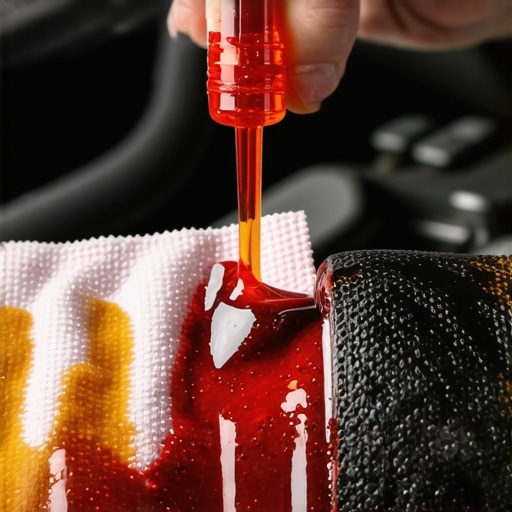
The color of the fluid tells a story about the internal health of your vehicle. Healthy transmission fluid is a translucent, cherry red. If it looks like a dark raspberry or a light brown, it’s oxidized. It’s still lubricating, but it’s losing its ability to clean and cool. If the fluid is black or smells like burnt toast, stop driving. That smell is literally the scent of your internal clutch packs disintegrating. This level of degradation is often a sign that you have skipped your regular tune ups for way too long. In my early twenties, I ignored ‘brown’ fluid for a summer, thinking I was saving money. By autumn, I was looking at a $2,500 rebuild because the grit in the old fluid had acted like sandpaper on the valve body. If you see metal flakes sparkling in the fluid, that is the ‘glitter of death,’ indicating hard parts are grinding against each other.
Dealing with Leaks and Stripped Plugs
If you determine the level is low, you need to find out why. Most leaks happen at the transmission pan gasket, the output shaft seals, or the cooler lines. If you decide to drop the pan yourself to replace a gasket, be extremely careful with the drain plug. It is incredibly easy to over-tighten these into the soft aluminum housing. If you find yourself in a bind, knowing how to fix a stripped oil pan drain plug can save you from having to replace the entire pan. When adding fluid, use a long-neck funnel and add in small increments—half a cup at a time. It is much easier to add more than it is to drain the excess out. If the fluid smells okay but the level was just low, a simple top-off might buy you time, but you must address the source of the leak to avoid a total mechanical meltdown during your next commute.
Let’s address the elephant in the repair shop: the lifetime fluid promise. You’ve likely seen it in your owner’s manual—the claim that your transmission fluid is filled for life and never needs a change. Everyone says this is a great cost-saving feature, but in my experience, it is a marketing tactic designed to lower the perceived cost of ownership during the initial warranty period. If you plan on keeping your car past the 100,000-mile mark, lifetime usually refers to the lifetime of the manufacturer’s warranty, not the mechanical limits of the gears. According to research by the Society of Automotive Engineers (SAE), transmission fluid begins to oxidize and lose its protective qualities significantly once it hits high temperatures; for every 20-degree rise above 175°F, the fluid’s effective life is halved. Skipping your regular tune ups because a manual told you the fluid is permanent is a fast way to ensure your car doesn’t make it to 200k.
Why Does My Car Shift Better Only Once the Engine is Hot?
This is a sophisticated symptom that many drivers ignore until it is too late. You might notice that your gears are stubborn or jerky when you first leave the driveway, but then your transmission shifts better when its hot. This usually points to hardened internal seals. When the car is cold, the rubber seals are stiff and allow internal pressure to bleed off, resulting in sluggish shifts. As the fluid warms up, it causes those seals to expand slightly, temporarily restoring the seal and the hydraulic pressure. It feels like the problem went away, but it’s actually a warning that your internal components are losing their flexibility. Have you ever fallen into this trap where you thought the car was just being grumpy in the morning? Let me know in the comments. 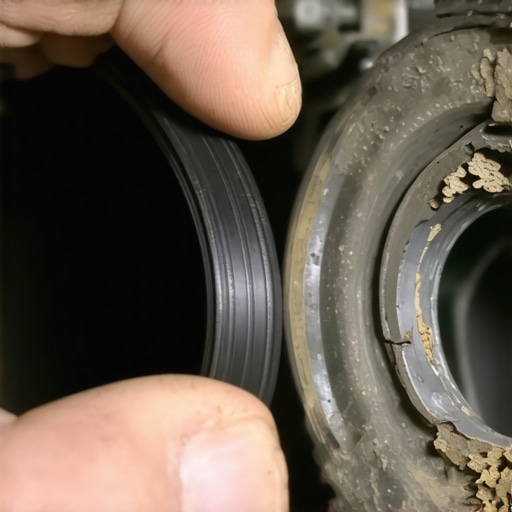
Avoid the High Pressure Flush Trap
Here is the oops factor that ruins more transmissions than it saves: the high-pressure power flush. If your car has high mileage and the fluid hasn’t been changed in years, a high-pressure machine can dislodge layers of accumulated clutch material and metallic debris. This gunk then gets forced into the incredibly narrow passages of the valve body, leading to a total hydraulic blockage. I’ve seen perfectly drivable cars enter a shop for a maintenance flush and leave on a flatbed. Instead, always ask for a traditional drain and fill. It is a much gentler way to refresh the detergent additives without shocking the system. If you are already experiencing mechanical issues, look for the top signs your car needs expert auto repair now rather than trying a DIY flush. Understanding the truth about engine flushes for high mileage cars is important, but for transmissions, the stakes are even higher. Proactive car service that prioritizes gradual fluid replacement is always better than a reactive, high-pressure hail mary when the gears start to fail. If you ignore these nuances, you might find yourself looking for a junk car in Charlotte buyer sooner than you expected.
Use This Tech to See What Your Car Sees
I stopped guessing what was happening inside my gearbox the day I bought a Bluetooth OBD-II scanner. Most people only use these to clear a check engine light, but if you want to be a pro, you need to learn how to read live data to find a misfire or, more importantly, monitor your transmission fluid temperature in real-time. I use an app called Torque Pro paired with a cheap ELM327 adapter. Why? Because it lets me see exactly when my torque converter locks up and whether my fluid is overheating during a climb. If I see those temps creeping toward 220°F, I know it’s time to back off or pull over. This isn’t just for mechanics; it’s the ultimate way to stay ahead of expert auto repair needs. By the time a dashboard light comes on, the damage is often already done. If you can catch a solenoid lag before it causes a hard shift, you’ve just saved yourself three days in a rental car.
Why I Send My Oil to a Laboratory
If you really want to know if your transmission is dying, you need to look at the chemistry. Every 30,000 miles, I pull a small sample of fluid and send it to Blackstone Laboratories. For about $35, they provide a full spectral analysis of the wear metals in the oil. They can tell you if you have excessive bronze (from bushings) or steel (from gears) long before you ever hear a noise. This level of detail is the cornerstone of how I maximize your cars lifespan with regular tune ups. It’s the difference between blindly following a manual and actually managing a machine. One of my old trucks showed high aluminum levels, which tipped me off to a failing torque converter. I replaced it for $400 over a weekend, preventing a $3,000 total failure. It’s data-driven car service that takes the anxiety out of high-mileage ownership.

How can I keep my transmission healthy for 200,000 miles?
The secret isn’t just changing the oil; it’s managing the heat and the particles. I swear by adding an auxiliary transmission cooler if you do any towing or live in a hilly area. Most factory coolers are integrated into the radiator, which can actually heat up the transmission fluid to match the engine’s 200°F operating temp. A dedicated external cooler can drop that by 30 degrees. Additionally, I always swap my factory drain plug for a high-strength magnetic version. These magnets catch the microscopic ‘silt’ of steel that the filter misses, keeping that abrasive grit out of your sensitive valve body. These small, low-cost upgrades are far more effective than any ‘magic’ additive you’ll find on a shelf. If you’re already feeling the gears struggle, you should understand how transmission overhauls save you money in the long run by catching the wear before it eats the casing itself.
The Future of Gearbox Maintenance in an Electric World
Even as we move toward EVs, the ‘gearbox’ isn’t going away—it’s just changing. Electric vehicles still have reduction gears and differentials that require lubrication. I predict the next decade will see a shift toward ultra-low viscosity synthetic fluids that are designed more for thermal management than traditional hydraulic shifting. We are already seeing ‘e-fluids’ that have specific electrical conductivity properties to prevent static buildup near the motors. This means your future tune up might look more like a coolant flush and a software update, but the fundamental rule remains: clean fluid and cool temperatures are the only way to guarantee longevity. I challenge you to try one thing this weekend: get under your car with a bright LED light and just look for ‘weeping’ around the seals. Catching a damp spot before it becomes a drip is the easiest way to avoid a catastrophe. If you find something concerning, don’t wait; reach out and contact us for advice before that small leak turns into a seized gear.
The Hardest Lesson I Learned About Gearbox Maintenance
Over the years, I’ve realized that the transmission is the most misunderstood part of any vehicle. Here are a few lightbulb moments that changed how I approach auto repair forever. First, never trust a ‘universal’ fluid. Your car’s manufacturer spent millions engineering a specific friction coefficient for your clutches; stick to the manual. Second, cleanliness is non-negotiable. I now treat my transmission dipstick like a surgical instrument because even a tiny speck of lint can clog a valve. Third, heat is your absolute enemy. If you ever find that transmission overhauls are your only option, it’s usually because the fluid cooked the seals beyond repair.
#IMAGE_PLACEHOLDER_FINAL#
Tools That Saved My Car From the Scrap Heap
You don’t need a professional shop to keep your gears happy, but you do need the right allies. I personally swear by the Bluetooth OBD-II scanner; it’s like having a window into the transmission’s brain. I also rely heavily on Blackstone Laboratories for fluid analysis—getting a report back that says my wear metals are low gives me more peace of mind than any dashboard light. Lastly, always keep a magnetic drain plug installed. It’s a $10 part that catches the ‘glitter’ of wear before it circulates back through your gears. These simple investments are the key to how I maximize your cars lifespan with regular tune ups.
The Future of Your Commute Depends on Today’s Check
Taking care of your transmission can feel intimidating, but remember that every long-lasting car on the road today has a driver who paid attention to the small things. Don’t let the fear of a big bill stop you from investigating a new sound or a drop of red oil on your driveway. Being proactive is the only way to avoid the top signs your car needs expert auto repair now. If you ever feel overwhelmed by a leak or a shift issue, don’t hesitate to contact us for a second opinion. Your car is an investment, and with a little bit of knowledge, you can keep it shifting smoothly for years to come.
Have you ever noticed your car behaving differently after a long drive in the heat? Let me know your experiences in the comments below!